Independent music radio dedicated to instrumental and country sounds from around the world. Here, style matters more than language, and music travels across cultures
Sofia Villani Scicolone , Sophia Loren , est une actrice italienne née le 20 septembre 1934 à Rome.
Actrice parmi les plus importantes du cinéma italien, mondialement reconnue, elle a tourné dans de nombreux films depuis le début des années 1950.
Elle obtient ses plus grands rôles dans les années 1960 avec notamment le personnage dramatique de La ciociara ; son jeu est couronné par le prix d’interprétation féminine au Festival de Cannes, un Ours d’or d’honneur à la Berlinale, un BAFTA, un Oscar de la meilleure actrice, onze David di Donatello et quatre Rubans d’argent.
Dans Hier, aujourd’hui et demain, son striptease devant Marcello Mastroianni est une des plus célèbres scènes du genre dans l’histoire du cinéma.
Sophia Loren
Sophia Loren
Sofia Scicolone est la fille illégitime de l’ingénieur en bâtiment et homme d’affaires, Riccardo Scicolone et de Romilda Villani, professeur de piano et sosie de l’actrice Greta Garbo. Elle passe une enfance et une jeunesse difficiles à Pouzzoles, à une quinzaine de kilomètres de Naples, avec sa mère, sa grand-mère Luisa et sa sœur Anna Maria, née quatre ans après elle.
Scicolone refuse en effet d’épouser la mère de Sofia et d’Anna Maria et n’apporte aucun soutien financier à sa famille illégitime. Sofia n’a ensuite rencontré son père que trois fois dans sa vie : à l’âge de 5 ans, de 17 ans et de 42 ans alors qu’il était mourant.
Elle déclare qu’elle lui a pardonné mais n’a jamais oublié l’abandon de sa mère, restée seule avec ses deux filles. Sofia a par son père deux demi-frères, Giuliano et Giuseppe, plus jeunes qu’elle également.
Pendant la Seconde Guerre mondiale, le port de Pouzzoles et son usine de munitions sont souvent bombardés par les Alliés. Pendant un raid, alors qu’elle court vers un abri, la petite Sofia est blessée au menton par un éclat de bombe.
Après cela, la famille décide de déménager à Naples et est hébergée par des parents. La guerre finie, elle retourne à Pouzzoles. Luisa, la grand-mère, ouvre alors un bar dans leur salle de séjour où elle sert de la liqueur faite maison : Romilda, la mère, joue du piano, la sœur Anna Maria chante et Sofia s’occupe des tables et fait la vaisselle. L’endroit devient fréquenté par les G.I. dont le casernement est proche
Enfant, Sofia n’est pas attirée par le monde du spectacle, et se destine au métier de professeur d’anglais. Néanmoins fortement encouragée par sa mère, à l’âge de 16 ans, elle est l’une des quatre représentantes de la région du Latium au concours de beauté Miss Italie, à l’époque appelé Mille lire per un sorriso (Mille lires pour un sourire) ; elle s’y classe deuxième, mais le jury, impressionné par la beauté, la grâce et la sensualité que dégage l’adolescente, crée pour elle le prix de Miss Élégance, prix que, depuis, toutes les aspirantes au titre de Miss Italie convoitent également.
Elle gagne une certaine réputation en figurant dans des romans-photos (genre populaire à l’époque) sous le pseudonyme de Sofia Lazzaro et obtient de petits rôles dans des films, où elle apparaît parfois seins nus comme dans Quelles drôles de nuits en 1951 ou dans Deux nuits avec Cléopâtre en 1953, alors qu’elle n’a que 16 ans pour le premier et 18 pour le second.
Ces apparitions sont remarquées en France mais pas en Italie où la censure, toujours vigilante, les a supprimées.
Ces films sont depuis extrêmement recherchés par les fans de la star, en raison de leur rareté. Une photo de Sophia Loren seins nus, tirée de Quelles drôles de nuits, est reproduite en 1957 dans le magazine américain Playboy alors que l’actrice est déjà connue. Elle ne s’est jamais remontrée partiellement nue ensuite, arguant du fait qu’elle ne se sentait pas à l’aise dans ces conditions et que « Sophia Loren nue, ça représente beaucoup de nudité
En 1952, sur le tournage de Sous les mers d’Afrique de Giovanni Roccardi, Sofia Scicolone, alias Sofia Lazzaro, est rebaptisée « Sophia Loren » par le producteur Goffredo Lombardo. Le producteur Carlo Ponti, qu’elle va épouser plus tard bien qu’il soit son aîné de vingt-deux ans, lui fait alors signer un contrat d’une durée de sept ans.
Rapidement, sa provocante et explosive beauté, sa grâce et ses qualités de comédienne donnent à Sophia Loren une renommée internationale. En 1955, elle fait la couverture de Life alors que Carlo Ponti envisage pour elle une carrière internationale.
Le succès de La ciociara la ramène devant les caméras italiennes et plus précisément celles de Vittorio De Sica. Elle tourne sous sa direction Boccace 70 (Boccaccio ’70) et Les Séquestrés d’Altona (I Sequestrati di Altona) en 1962, Hier, aujourd’hui et demain (Ieri, oggi, domani) en 1963 où son porte-jarretelles noir fait tourner les têtes, Mariage à l’italienne (Matrimonio all’italiana) en 1964. Un peu plus tard, ce sont Les Fleurs du soleil (I Girasoli) en 1970 et Le Voyage (Il Viaggio) en 1974. Il la dirige dans huit films en tout, dont six où il apparaît en tant qu’acteur à ses côtés.
Marcello Mastroianni est aussi le partenaire fidèle de l’actrice dans une douzaine de films.
En 1977, Une journée particulière (Una Giornata particolare) d’Ettore Scola, est le dernier grand rôle de sa carrière. Elle revient en 1984 dans Aurora (Qualcosa di biondo) de Maurizio Ponzi, avec son jeune fils Edoardo Ponti.
À partir de 1984, les récompenses qu’elle reçoit sont des prix en hommage à sa carrière : oscar d’honneur, David di Donatello spécial, et autres Golden Globes de remerciement. En 1991, la République française la fait chevalier de la Légion d’honneur.
En 2007, un documentaire sur sa vie intitulé Sophia : hier, aujourd’hui et demain (Sofía : Ieri, oggi, domani) est réalisé par Massimo Ferrari. Le documentaire contient des interviews exclusives de l’actrice ainsi que celles de figures célèbres du cinéma international comme Woody Allen, Ettore Scola, Claude Chabrol, Lina Wertmüller et Maria Grazia Cucinotta.
En juillet 2006, elle pose pour la 33e édition du calendrier Pirelli et devient, à 71 ans, le modèle le plus âgé qui figure dans ce célèbre calendrier.
En 2010, elle interprète le rôle de sa propre mère, Romilda Villani, dans La mia casa è piena di specchi, une mini-série de la chaîne italienne Rai Uno, inspirée du livre écrit par sa sœur Anna Maria Scicolone.
L’histoire retrace la propre vie de Sophia Loren, de ses débuts difficiles dans le cinéma jusqu’à la gloire. La série enregistre des records d’audience.
En 2020, à 86 ans, elle tient le rôle de Mme Rosa dans La Vie devant soi, film inspiré du roman de Romain Gary, réalisé par son fils Edoardo Ponti durant la pandémie de Covid-19, dans la région des Pouilles au sud de l’Italie.
Sophia Loren est l’égérie de la compagnie MSC Croisières et baptise tous leurs nouveaux paquebots, dont le dernier en date le MSC Meraviglia en juin 2017 au Havre, alors qu’elle est âgée de près de 83 ans.
Sophia Loren est catholique. Elle habite principalement à Genève en Suisse depuis fin 2006. Elle possède aussi une maison à Naples et à Rome.
Sophia Loren et Cary Grant partagent la vedette du film La Péniche du bonheur. L’épouse d’alors de Grant, Betsy Drake, en a écrit le scénario original et Grant souhaitait initialement que son épouse partage l’affiche avec lui. Mais, au cours du tournage du film précédent en 1957, Orgueil et Passion, une liaison était née entre Loren et Grant, et ce dernier s’était alors arrangé pour que Loren prenne la place de Drake dans le film suivant (La Péniche du bonheur), avec un scénario réécrit ne faisant plus référence à celui de Betsy Drake, son épouse. Néanmoins, la liaison entre Grant et Loren s’est terminée avant la fin du tournage d’Orgueil et Passion, créant des problèmes sur le plateau du film suivant. Grant espèrait pouvoir reprendre sa liaison avec Loren mais celle-ci a préfèré accepter la demande en mariage de Carlo Ponti.
Sofia Villani Scicolone rencontre pour la première fois le producteur de cinéma italien Carlo Ponti (1912-2007) en 1950, alors qu’elle n’a que 16 ans et lui 37 : il est occasionnellement dans des jurys de concours de beauté ; il n’a ensuite cessé de guider le début de carrière de l’adolescente, puis de jeune femme, qui devient actrice.
Elle apparaît dans près d’une vingtaine de films au début des années 1950. L’ami de Ponti, Goffredo Lombardo, qui dirige la société de production Titanus, engage en 1952 la jeune Sofia dans Sous les mers d’Afrique et lui trouve le pseudonyme de « Sophia Loren ».
Carlo Ponti, qui est marié à Giuliana, et Sophia Loren finissent par se fréquenter dans le plus grand secret.
Elle devient une vedette internationale. Sept ans après sa première rencontre avec Loren, Ponti obtient un divorce au Mexique , séparé ainsi de sa première épouse, il se marie avec Loren par procuration, toujours au Mexique le 17 septembre 1957 : deux avocats les représentent.
Mais ce mariage est annulé en Italie en raison du non-enregistrement du divorce de Carlo Ponti d’avec Giuliana. Ponti et Loren continuent à vivre ensemble, mais ils sont dans l’illégalité dans leur propre pays, l’Italie, où les lois sont encore largement dictées par la tradition catholique : ils demandent la nationalité française, ce qui leur est accordé par le Premier ministre français de l’époque, Georges Pompidou. En 1965, Ponti régularise son divorce en France et peut cette fois épouser Loren dans les formes, le 9 avril 1966, soit près de neuf ans après le premier mariage annulé.
Le couple aura deux fils : Carlo Jr. né en 1968, et Edoardo né en 1973.
Sophia Loren restera mariée à Carlo Ponti jusqu’à sa mort, 10 janvier 2007, d’une infection pulmonaire
Sophia Loren
Marietto and Sophia Loren
ClarK Gable Sophia Loren in “It started in Naples”
Sources : Wikipedia / Pinterest / YouTube / Divers
Neil Leslie Diamond (born January 24, 1941)is an American singer-songwriter. He has sold more than 130 million records worldwide, making him one of the best-selling musicians of all time.
He has had ten No. 1 singles on the U.S. Billboard Hot 100 and Adult Contemporary charts: “Cracklin’ Rosie”, “Song Sung Blue“, “Longfellow Serenade”, “I’ve Been This Way Before”, “If You Know What I Mean”, “Desirée“, “You Don’t Bring Me Flowers”, “America“, “Yesterday’s Songs”, and “Heartlight”. Thirty-eight songs by Diamond have reached the top 10 on the BillboardAdult Contemporary charts, including “Sweet Caroline“. He has also acted in films, making his screen debut in the 1980 musical drama film The Jazz Singer.
Diamond was inducted into the Songwriters Hall of Fame in 1984 and into the Rock and Roll Hall of Fame in 2011, and he received the Sammy Cahn Lifetime Achievement Award in 2000. In 2011, he was an honoree at the Kennedy Center Honors, and he received the Grammy Lifetime Achievement Award in 2018
Diamond was born in Brooklyn, New York City, . All four of his grandparents were immigrants, from Poland on his father’s side and Russia on his mother’s. His parents were Rose (née Rapoport; 1918–2019) and Akeeba “Kieve” Diamond (1917–1985), a dry-goods merchant. He grew up in several homes in Brooklyn, having also spent four years in Cheyenne, Wyoming, where his father was stationed in the army.
In Brooklyn, he attended Erasmus Hall High School and was a member of the Freshman Chorus and Choral Club, along with classmate Barbra Streisand; Diamond recalled they were not close friends at the time: “We were two poor kids in Brooklyn. We hung out in the front of Erasmus High and smoked cigarettes.” Also in their class was chess grandmaster Bobby Fischer. After his family moved to Brighton Beach, he attended Abraham Lincoln High Schooland was a member of the fencing team. Also on the team was his best friend, future Olympic fencer Herb Cohen.
For his 16th birthday, he received his first guitar. When he was 16 and still in high school, Diamond spent a number of weeks at Surprise Lake Camp, a camp for Jewish children in upstate New York, when folk singer Pete Seeger performed a small concert.
Seeing the widely recognized singer perform, and watching other children singing songs for Seeger that they wrote themselves, had an immediate effect on Diamond, who then became aware of the possibility of writing his own songs. “And the next thing, I got a guitar when we got back to Brooklyn, started to take lessons and almost immediately began to write songs”, he said. He added that his attraction to songwriting was the “first real interest” he had growing up, while also helping him release his youthful “frustrations”.
Diamond also used his newly developed skill to write poetry. By writing poems for girls he was attracted to in school, he soon learned it often won their hearts. His male classmates took note and began asking him to write poems for them, which they would sing and use with equal success. He spent the summer after graduation working as a waiter in the Catskills resort area. There he first met Jaye Posner, who would years later become his wife.
Diamond next attended New York University as a pre-med major on a fencing scholarship, again on the fencing team with Herb Cohen.He was a member of the 1960 NCAA men’s championship fencing team. Often bored in class, he found writing song lyrics more to his liking.
He began cutting classes and taking the train up to Tin Pan Alley, where he tried to get some of his songs heard by local music publishers. In his senior year, when he was just 10 units short of graduation, Sunbeam Music Publishing offered him a 16-week job writing songs for $50 a week (equivalent to about $460 per week, in 2021), and he dropped out of college to accept it.
Diamond was not rehired after his 16 weeks with Sunbeam, and he began writing and singing his own songs for demos. “I never really chose songwriting”, he says. “It just absorbed me and became more and more important in my life.” His first recording contract was billed as “Neil and Jack”, an Everly Brothers-type duet with high school friend Jack Packer.They recorded the unsuccessful singles “You Are My Love at Last” with “What Will I Do”, and “I’m Afraid” with “Till You’ve Tried Love”, both records released in 1962.
Cashbox and Billboard magazines gave all four sides positive reviews, and Diamond signed with Columbia Records as a solo performer later in 1962. In July 1963, Columbia released the single “At Night” with “Clown Town”; Billboard gave a laudatory review to “Clown Town”, and Cashbox was complimentary to both sides, but it still failed to make the charts. Columbia dropped him from their label and he went back to writing songs in and out of publishing houses for the next seven years.
He wrote wherever he could, including on buses, and used an upright piano above the Birdland Club in New York City. One of the causes of this early nomadic life as a songwriter was his songs’ wordiness: “I’d spent a lot of time on lyrics, and they were looking for hooks, and I didn’t really understand the nature of that”, he says; He was able to sell only about one song a week during those years, barely enough to survive.
He found himself only earning enough to spend 35 cents a day on food (equivalent to $3 in 2021).But the privacy that he had above the Birdland Club allowed him to focus on writing without distractions. “Something new began to happen. I wasn’t under the gun, and suddenly interesting songs began to happen, songs that had things none of the others did.”
Among them were “Cherry, Cherry” and “Solitary Man“. “Solitary Man” was the first record that Diamond recorded under his own name which made the charts. It remains one of his personal favorites, as it was about his early years as a songwriter, even though he failed to realize it at the time. He describes the song as “an outgrowth of my despair”.
Diamond spent his early career in the Brill Building. His first success as a songwriter came in November 1965 with “Sunday and Me”, a Top 20 hit for Jay and the Americans. Greater success followed with “I’m a Believer“, “A Little Bit Me, a Little Bit You“, “Look Out (Here Comes Tomorrow)”, and “Love to Love”, all performed by the Monkees. He wrote and recorded the songs for himself, but the cover versions were released before his own. The unintended consequence was that Diamond began to gain fame as a songwriter. “I’m a Believer” became a gold record within two days of its release and stayed at the top of the charts for seven weeks, making it the Popular Music Song of the Year in 1966.
In 1966, Diamond signed a deal with Bert Berns‘s Bang Records, then a subsidiary of Atlantic. His first release on that label was “Solitary Man”, which was his first true hit as a solo artist.[e] Diamond followed with “Cherry, Cherry” and “Kentucky Woman“. His early concerts featured him opening for bands such as Herman’s Hermits and the Who. As a guest performer with The Who, he was shocked to see Pete Townshend swinging his guitar like a club and then throwing it against walls and off the stage until the instrument’s neck broke.
Diamond began to feel restricted by Bang Records because he wanted to record more ambitious, introspective music, such as “Brooklyn Roads” from 1968. Berns wanted to release “Kentucky Woman” as a single, but Diamond was no longer satisfied writing simple pop songs, so he proposed “Shilo”, which was not about the Civil War but rather an imaginary childhood friend. Bang believed that the song was not commercial enough, so it was relegated to being an LP track on Just for You.
Diamond was also dissatisfied with his royalties and tried to sign with another record label after discovering a loophole in his contract that did not bind him exclusively to either WEB IV or Tallyrand, but the result was a series of lawsuits that coincided with a slump in his record sales and professional success. A magistrate refused WEB IV’s request for a temporary injunction to prevent Diamond from joining another record company while his contract dispute continued in court, but the lawsuits persisted until February 1977, when he triumphed in court and purchased the rights to his Bang-era master tapes.
In March 1968, Diamond signed a deal with Uni Records; the label was named after Universal Pictures, the owner of which, MCA Inc., later consolidated its labels into MCA Records (now called Universal Music after merging with PolyGram ( Mix of POLYDOR (germany) and PHONOGRAM ( Philips music Netherlands) in 1999). His debut album for Uni/MCA was in late 1968 with Velvet Gloves and Spit, produced by Tom Catalano, which did not chart, and he recorded the early 1969 follow-up Brother Love’s Traveling Salvation Show at American Sound Studios in Memphis with Tommy Cogbill and Chips Moman producing.
In mid 1969, Diamond moved to Los Angeles. His sound mellowed with such songs as “Sweet Caroline” (1969), “Holly Holy” (1969), “Cracklin’ Rosie” (1970) and “Song Sung Blue” (1972), the last two reaching No. 1 on the Hot 100. “Sweet Caroline” was Diamond’s first major hit after his slump. In 2007, Diamond said he had written “Sweet Caroline” for Caroline Kennedy after seeing her on the cover of Life in an equestrian riding outfit, but in 2014 he said in an interview on the Today show that it was written for his then wife, Marcia. He could not find a good rhyme with the name “Marcia” and so used the name Caroline.It took him just one hour in a Memphis hotel to write and compose it. The 1971 release “I Am…I Said” was a Top 5 hit in both the US and UK and was his most intensely personal effort to date, taking over four months to complete.
the 70s
In 1971, Diamond played seven sold-out concerts at the Greek Theater in Los Angeles. The outdoor theater, which was noted for showcasing the best of current entertainers, added a stereo sound system for the first time. Diamond was also backed by a 35-piece string orchestra and six backing singers. After the first night, one leading newspaper called it “the finest concert in Greek Theater history.”
In August 1972, he played again at the Greek, this time doing ten shows. When the show was first announced, tickets at the 5000-seat theater sold out rapidly. He added a quadraphonic sound system for his performance to create full surround sound. The performance of August 24, 1972, was recorded and released as the live double album Hot August Night. Diamond recalled: “Hot August Night captures a very special show for me.
We went all out to really knock ’em dead in LA.” Many consider it his best work; critic Stephen Thomas Erlewine called Hot August Night “the ultimate Neil Diamond record… [showing] Diamond the icon in full glory.” The album became a classic, and was remastered in 2000 with additional selections. In Australia, which at the time was said to have the most Neil Diamond fans per capita of any country, the album ranked No. 1 for 29 weeks and stayed in their top 20 bestsellers for two years.
In the fall of 1972, Diamond performed for 20 consecutive nights at the Winter Garden Theater in New York City. That theater had not staged a one-man show since Al Jolson in the 1930s. The approximately 1,600-seat Broadway venue provided an intimate concert setting not common at the time, with every performance reportedly sold out. It also made Diamond the first rock-era star to headline on Broadway. The review in The New York Times stated:
Neil Diamond’s one-man show seemed, on the face of it, to be a brash idea. One-man shows have traditionally been associated with talents like Judy Garland and Danny Kaye. But Mr. Diamond is clearly a brash young man and one with both the musical track record and the performance macho to bring it off…He needn’t worry about comparisons with the likes of Garland and Kaye.
After the Winter Garden shows, Diamond announced that he needed a break, and he engaged in no live performances until 1976. He used those four years to work on the score for Hall Bartlett’s film version of Richard Bach’s Jonathan Livingston Seagull and to record two albums, Serenade and Beautiful Noise. He said years later, “I knew I’d come back, but I wasn’t sure when. I spent one year on each of those albums…I’d been on the road six years. I had a son 2½ and I felt he needed me more than the audience did. So for four years I devoted myself to my son Jesse.” He also said he needed to get back to having a private life, one where he could be anonymous.
In 1973, Diamond switched labels again, returning to Columbia Records for a million-dollar-advance-per-album contract (about $6.1 million per album in 2021).
His first project, released as a solo album, was the soundtrack to Jonathan Livingston Seagull. The film received hostile reviews and did poorly at the box office, and the album grossed more than the film did. Richard Bach, author of the best-selling source story, disowned the film, and he and Diamond sued Bartlett, though for differing reasons; in Bach’s case, it was because he felt the film omitted too much from the original novella, whereas in Diamond’s case, it was because he felt the film had butchered his score.
“After ‘Jonathan,'” Diamond declared, “I vowed never to get involved in a movie again unless I had complete control.” Bartlett angrily responded to Diamond’s lawsuit by criticizing his music as having become “too slick…and it’s not as much from his heart as it used to be.” Bartlett also added, “Neil is extraordinarily talented. Often his arrogance is just a cover for the lonely and insecure person underneath.”
Despite the controversy surrounding the film, the soundtrack was a success, peaking at No. 2 on the Billboard albums chart. Diamond also won a Golden Globe Award for Best Original Score and a Grammy Award for Best Score Soundtrack Album for a Motion Picture. Thereafter, Diamond often included a Jonathan Livingston Seagull suite in his live performances, as he did in his 1976 Love at the Greek concert and for his show in Las Vegas that same year.
Diamond returned to live shows in 1976 with an Australian tour, “The ‘Thank You Australia’ Concert”, which was broadcast to 36 television outlets nationwide. He also again appeared at the Greek Theater in a 1976 concert, Love at the Greek. An album and accompanying video/DVD of the show includes a version of “Song Sung Blue” with duets with Helen Reddy and Henry Winkler, a.k.a. Arthur “The Fonz” Fonzarelli of Happy Days.
He began wearing colorful beaded shirts in concert, originally so that everyone in the audience could see him without binoculars. Bill Whitten designed and made the shirts for Diamond from the 1970s until approximately 2007.
In 1974, Diamond released the album Serenade, from which “Longfellow Serenade” and “I’ve Been This Way Before” were issued as singles. The latter had been intended for the Jonathan Livingston Seagull score, but Diamond had completed it too late for inclusion. That same year he appeared on a TV special for Shirley Bassey and sang a duet with her.
In 1976, he released Beautiful Noise, produced by Robbie Robertson of The Band. On Thanksgiving 1976, Diamond made an appearance at The Band’s farewell concert, The Last Waltz, performing “Dry Your Eyes”, which he wrote jointly with Robertson, and which had appeared on Beautiful Noise. He also joined the rest of the performers onstage at the end in a rendition of Bob Dylan‘s “I Shall Be Released”.
Diamond was paid $650,000 (about $3.1 million in 2021) by the Aladdin Hotel in Las Vegas, Nevada, to open its new $10 million Theater For the Performing Arts on July 2, 1976.
The show played through July 5 and drew sold-out crowds at the 7,500-seat theater. A “who’s who” of Hollywood attended opening night, ranging from Elizabeth Taylor to Chevy Chase, and Diamond walked out on stage to a standing ovation. He opened the show with a story about an ex-girlfriend who dumped him before he became successful.
His lead-in line to the first song of the evening was, “You may have dumped me a bit too soon, baby, because look who’s standing here tonight.”
He performed at Woburn Abbey on July 2, 1977, to an audience of 55,000 British fans. The concert and interviews were taped by film director William Friedkin, who used six cameras to capture the performance.
That version hit No. 1 in 1978, his third song to top the Hot 100. They appeared unannounced at the 1980 Grammy awards ceremony, where they performed the song to a surprised and rapturous audience.
His last 1970s album was September Morn, which included a new version of “I’m a Believer“. It and “Red Red Wine” are his best-known original songs made more famous by other artists. In February 1979, the uptempo “Forever in Blue Jeans”, co-written and jointly composed with his guitarist, Richard Bennett, was released as a single from You Don’t Bring Me Flowers, Diamond’s album from the previous year.
In 1979, Diamond collapsed on stage in San Francisco and was taken to the hospital, where he endured a 12-hour operation to remove what turned out to be a tumor on his spine.He said he had been losing feeling in his right leg “for a number of years but ignored it”. When he collapsed, he had no strength in either leg.[50] He underwent a long rehabilitation process just before starting principal photography on his film The Jazz Singer (1980).
He was so convinced he was going to die that he wrote farewell letters to his friends.
the 80s
A planned film version of “You Don’t Bring Me Flowers” to star Diamond and Streisand fell through when Diamond instead starred in a 1980 remake of the Al Jolson classic The Jazz Singer alongside Laurence Olivier and Lucie Arnaz. Though the movie received poor reviews, the soundtrack spawned three top-10 singles, “Love on the Rocks”, “Hello Again”, and “America“, the last of which had emotional significance for Diamond. “‘America’ was the story of my grandparents,” he told an interviewer. “It’s my gift to them, and it’s very real for me … In a way, it speaks to the immigrant in all of us.” The song was performed in full by Diamond during the film’s finale. An abbreviated version played over the film’s opening titles.
The song was also the one he was most proud of, partly because of when it was later used: national news shows played it when the hostages were shown returning home after the Iran hostage crisis ended; it was played on the air during the 100th anniversary of the Statue of Liberty; and at a tribute to slain civil rights leader Martin Luther King Jr., as well as the Vietnam Vets Welcome Home concert, he was asked to perform it live. At the time, a national poll found the song to be the number-one most recognized song about America, more than “God Bless America”. It also became the anthem of his world tour two weeks after the attacks on America on September 11, 2001, when he changed the lyric at the end from; “They’re coming to America”, to “Stand up for America!” Earlier that year he performed it after a request from former heavyweight champion Muhammad Ali.
The film’s failure was due in part to Diamond never having acted professionally before. “I didn’t think I could handle it,” he said later, seeing himself as “a fish out of water”. For his performance, Diamond became the first-ever winner of a Worst Actor Razzie Award, even though he was nominated for a Golden Globe Award for the same role. Critic David Wild noted that the film showed that Diamond was open about his religion: “Who else but this Jewish Elvis could go multi-platinum with an album that featured a version of ‘the Kol Nidre?'” Diamond later told the Los Angeles Times, “For me, this was the ultimate bar mitzvah.”
Another Top 10 selection, “Heartlight“, was inspired by the blockbuster 1982 movie E.T. the Extra-Terrestrial. Though the film’s title character is never mentioned in the lyrics, Universal Pictures, which had released E.T. the Extra-Terrestrial and was the parent company of the Uni Records label (by then called MCA Records), for which Diamond had recorded for years, briefly threatened legal action against both Diamond and Columbia Records.
Diamond’s record sales slumped somewhat in the 1980s and 1990s, his last single to make the Billboard Pop Singles chart coming in 1986, but his concert tours continued to be big draws. Billboard magazine ranked Diamond as the most profitable solo performer of 1986. He released his 17th studio album in 1986, Headed for the Future, which reached number 20 on the Billboard 200. Three weeks later he starred in Hello Again, his first television special in nine years, performing comedy sketches and a duo medley with Carol Burnett.
In January 1987, Diamond sang the national anthem at the Super Bowl. His “America” became the theme song for the Michael Dukakis 1988 presidential campaign. That same year, British band UB40‘s reggae interpretation of Diamond’s ballad “Red Red Wine” topped the Billboard Pop Singles chart and, like the Monkees’ version of “I’m a Believer”, became better known than Diamond’s original version.
1990s
During the 1990s, Diamond produced six studio albums. He covered many classic songs from the movies and from famous Brill Building-era songwriters. He also released two Christmas albums, the first of which peaked at No. 8 on Billboard’s Album chart. Diamond also recorded two albums of mostly new material during this period. In 1992, he performed for President George H. W. Bush‘s final Christmas in WashingtonNBC special. In 1993, Diamond opened the Mark of the Quad Cities (now the iWireless Center) with two shows on May 27 and 28 to a crowd of 27,000-plus.
The 1990s saw a resurgence in Diamond’s popularity. “Sweet Caroline” became a popular sing-along at sporting events. It was used at Boston Collegefootball and basketball games. College sporting events in other states also played it, and it was even played at sports events in other countries, such as a Hong Kong Sevens rugby tournament or a soccer match in Northern Ireland. It is played at every home game of the Sydney Swans of the Australian Football League. It became the theme song of Red Sox Nation, the fans of the Boston Red Sox.
The New York Rangers also adapted it as their own and played it whenever they were winning at the end of the third period of their games. The Pittsburgh Panthers football team also played it after the third quarter of all home games, with the crowd cheering, “Let’s go Pitt”. The Carolina Panthers played it at the end of every home game they won. The Davidson College pep band likewise played it in the second half of every Davidson Wildcats men’s basketball home game.
2000s
A more severely stripped-down-to-basics album, 12 Songs, produced by Rick Rubin, was released on November 8, 2005, in two editions: a standard 12-song release, and a special edition with two bonus tracks, including one featuring backing vocals by Brian Wilson.
The album debuted at No. 4 on the Billboard chart, and received generally positive reviews; Earliwine describes the album as “inarguably Neil Diamond’s best set of songs in a long, long time.”12 Songs also became noteworthy as one of the last albums to be pressed and released by Sony BMG with the Extended Copy Protection software embedded in the disc. (See the 2005 Sony BMG CD copy protection scandal.)
On March 19, 2008, it was announced on the television show American Idol that Diamond would be a guest mentor to the remaining Idol contestants, who would sing Diamond songs for the broadcasts of April 29 and 30, 2008. On the April 30 broadcast, Diamond premiered a new song, “Pretty Amazing Grace”, from his then recently released album Home Before Dark. On May 2, 2008, Sirius Satellite Radio started Neil Diamond Radio.
On April 8, 2008, Diamond made a surprise announcement in a big-screen broadcast at Fenway Park that he would be appearing there “live in concert” on August 23, 2008, as part of his world tour. The announcement, which marked the first official confirmation of any 2008 concert dates in the US, came during the traditional eighth-inning singalong of “Sweet Caroline”, which had by that time become an anthem for Boston fans.
On April 28, 2008, Diamond appeared on the roof of the Jimmy Kimmel building to sing “Sweet Caroline” after Kimmel was jokingly arrested for singing the song dressed as a Diamond impersonator.
Home Before Dark was released May 6, 2008, and topped the album charts in New Zealand, the United Kingdom and the United States.
On June 29, 2008, Diamond played to an estimated 108,000 fans at the Glastonbury Festival in Somerset, England on the Concert of a Lifetime Tour; technical problems marred the concert.
In August, Diamond allowed cameras to record his entire four-night run at New York’s Madison Square Garden; he released the resulting DVD in the US in 2009, one year to the day of the first concert. Hot August Night/NYC debuted at No. 2 on the charts. On the same day the DVD was released, CBS aired an edited version, which won the ratings hour with 13 million viewers. The next day, the sales of the DVD surged, prompting Sony to order more copies to meet the high demand.
On August 25, 2008, Diamond performed at The Ohio State University while suffering from laryngitis. The result disappointed him as well as his fans, and on August 26, he offered refunds to anyone who applied by September 5.
Diamond was honored as the MusiCares Person of the Year on February 6, 2009, two nights before the 51st Annual Grammy Awards.
Long loved in Boston, Diamond was invited to sing at the July 4, 2009, Independence Day celebration.
On November 2, 2010, Diamond released the album Dreams, a collection of 14 interpretations of his favorite songs by artists from the rock era. The album also included a new slow-tempo arrangement of his “I’m a Believer“. In December, he performed a track from the album, “Ain’t No Sunshine“, on NBC‘s The Sing-Off with Committed and Street Corner Symphony, two a cappella groups featured on the show. The Very Best of Neil Diamond, a compilation CD of Diamond’s 23 studio recordings from the Bang, UNI/MCA, & Columbia catalogs, was released on December 6, 2011, on the Sony Legacy label.
The years 2011 and 2012 were marked by several milestones in Diamond’s career. On March 14, 2011, he was inducted into the Rock and Roll Hall of Fame at a ceremony at the Waldorf-Astoria Hotel in New York City. In December, he received a lifetime achievement award from the Kennedy Center at the 2011 Kennedy Center Honors.
On April 20, 2013, Diamond made an unannounced appearance at Fenway Park to sing “Sweet Caroline” during the 8th inning. It was the first game at Fenway since the Boston Marathon bombing.
On July 2, he released the single “Freedom Song (They’ll Never Take Us Down)”, with 100% of the purchase price benefiting One Fund Boston and the Wounded Warrior Project.Sporting a beard, Diamond performed live on the west lawn of the U.S. Capitol as part of A Capitol Fourth, which was broadcast nationally by PBS on July 4, 2013.
In January 2014, it was confirmed that Diamond had signed with the Capitol Music Group unit of Universal Music Group, which also owned Diamond’s Uni/MCA catalog. UMG also took over Diamond’s Columbia and Bang catalogues, which meant that all of his recorded output would be consolidated for the first time.
On July 8, 2014, Capitol Records announced, via a flyer included with Diamond’s latest greatest hits compilations, All-Time Greatest Hits, which charted at 15 in the Billboard 200, that his next album, Melody Road, which was to be produced by Don Was and Jacknife Lee, would be released on September 30, 2014. In August, the release date was moved to October 21.
In September 2014, Diamond performed a surprise concert at his alma mater, Erasmus High School in Brooklyn. The show was announced via Twitter that afternoon. On the same day, he announced a 2015 “Melody Road” World Tour.
The North American leg of the World Tour 2015 launched with a concert in Allentown, PA at the PPL Center on February 27 and ended at the Pepsi Center in Denver, Colorado on May 31, 2015.
Diamond used new media platforms and social media extensively throughout the tour, streaming several shows live on Periscope and showing tweets from fans who used the hashtag #tweetcaroline on two large screens. The San Diego Union-Tribune wrote: “This, my friends, wasn’t your grandfather’s Neil Diamond concert. It was a multimedia extravaganza. Twitter. Periscope…It was a social media blitzkrieg that, by all accounts, proved to be an innovative way to widen his fan base.”
In October 2016, Diamond released Acoustic Christmas, a folk-inspired Christmas album of original songs as well as acoustic versions of holiday classics. Produced by Was and Lee, who had produced Melody Road, the idea for the album began to take shape as the Melody Road sessions ended. To “channel the intimate atmosphere of ’60s folk, Diamond recorded Acoustic Christmas with a handful of musicians, sitting around a circle of microphones, wires and, of course, Christmas lights.”
In 2019, his 1969 signature song “Sweet Caroline” was selected by the Library of Congress for preservation in the National Recording Registry for being “culturally, historically, or aesthetically significant”.
2020s
On March 7, 2020, despite his retirement due to Parkinson’s disease, Diamond gave a rare performance at the Keep Memory Alive Power of Love Gala at the MGM Grand Garden Arena in Las Vegas, where he was being honored.
On March 22, 2020, Diamond posted a video to YouTube playing “Sweet Caroline” with slightly modified lyrics (“…washing hands, don’t touch me, I won’t touch you…”) in response to the widespread social distancing measures implemented due to the worldwide COVID-19 pandemic.
In April 2021, The New York Times reported that A Beautiful Noise, a musical based on Diamond’s life and featuring his songs, would open at the Emerson Colonial Theater in Boston in the summer of 2022. The musical was scheduled to open on Broadway following the month-long run in Boston.
Universal Music Group acquired Diamond’s songwriting catalog and the rights to his Bang Records, Columbia Records, and Capitol recordings in February 2022. The acquisition also included 110 unreleased tracks, an unreleased album and archival videos.
On June 18, 2022, Diamond sang “Sweet Caroline” during the 8th-inning stretch of a Red Sox game at Fenway Park. In a surprise appearance, he was joined by Will Swenson, who portrays Diamond in the musical A Beautiful Noise.
Retirement from touring
In January 2018, Diamond announced that he would stop touring after he was diagnosed with Parkinson’s disease.Tour dates on the final leg of Diamond’s “50 Year Anniversary World Tour” in Australia and New Zealand were cancelled. An announcement on his official website said he was not retiring from music and that the cancellation of the live performances would allow him to “continue his writing, recording and development of new projects.”
On July 28, 2018, Diamond and his wife Katie McNeil made a surprise visit to the Incident Command post in Basalt, Colorado—near where Diamond lives—to thank the firefighters and families with a solo acoustic guitar concert for efforts in containing the Lake Christine Fire, which began on July 3 and had scorched 12,000 acres (4,900 ha; 49 km2) of land.
In popular culture
In 1967, Diamond was featured on the fourth episode of the detective drama Mannix as the ‘featured’ artist in a small underground club called ‘The Bad Scene’ and was interrupted during his singing by one of many fights that took place weekly on the show.
In 2000, Neil Diamond appeared onstage with a Diamond tribute band, Super Diamond, surprising them before their show at House of Blues in Los Angeles.
In the 2001 comedy film Saving Silverman, the main characters play in a Diamond cover band, and Diamond made an extended cameo appearance as himself. Diamond even wrote and composed a new song, “I Believe in Happy Endings”, for the film. He sat in with the tribute band Super Diamond at the film’s premiere party.
Personal life
Diamond has been married three times. In 1963, he married his high-school sweetheart, Jaye Posner, who had become a schoolteacher. They had two daughters. They separated in 1967 and divorced in 1969.
On December 5, 1969, Diamond married production assistant Marcia Murphey.They had two sons.The marriage lasted 25 years, ending in 1994 / 1995.
In 1996, Diamond began a relationship with Australian Rae Farley after the two met in Brisbane, Australia. The songs on Home Before Dark were written and composed during her struggle with chronic back pain.
On September 7, 2011, in a message on Twitter, the 70-year-old Diamond announced his engagement to the 41-year-old Katie McNeil. Diamond said that his 2014 album Melody Road was fueled by their relationship, explaining:
There’s no better inspiration or motivation for work than being in love. It’s what you dream of as a creative person. I was able to complete this album—start it, write it and complete it—under the spell of love, and I think it shows somehow.
The couple married in front of family and close friends in Los Angeles in 2012.In addition to serving as Diamond’s manager, McNeil produced the documentary Neil Diamond: Hot August Nights NYC.
VERSION FRANÇAISE
Neil Diamond, né le 24 janvier 1941 à Brooklyn (New York), est un auteur-compositeur-interprète et acteur américain.
Sa musique couvre une pluralité de genres (pop, rock, folk, country, soft rock, easy listening). Très connu dans son pays, il est l’un des artistes ayant vendu le plus de disques avec des ventes estimées à 100 millions à travers le monde.
Biographie
Enfance
Il naît le 24 janvier 1941 à Brooklyn, de Rose (née Rapoport) et Akeeba « Kieve » Diamond, couple de descendants d’immigrés russes et polonais.
Carrière
En 1966 et 1967, il connaît le succès avec Solitary Man (repris par Johnny Cash en 2000) Cherry, Cherry, Girl, You’ll Be a Woman Soon, (repris par Urge Overkill dans la B.O. du film Pulp Fiction), Kentucky Woman (repris par Deep Purple), I’m a Believer écrite pour The Monkees (B.O. du film Shrek, titre également repris par Robert Wyatt) et Red Red Wine (repris par Tony Tribe et surtout UB40).
À partir de 1968, il signe pour MCA de nombreux tubes en quelques années : Sweet Caroline, Holly Holy, Cracklin’ Rosie, I Am…I’Said, Song Sung Blue, Play Me, titres repris entre autres par Elvis Presley, Frank Sinatra, Johnny Mathis, U2, Serge Lama ou Joe Dassin. Au Québec, en 1970, la chanson Holly Holy a été reprise par Donald Lautrec sous le titre Hosannah alors que l’année précédente Pierre Lalonde adapta en française Sweet Caroline sous le titre Caroline.
Il y a aussi trois chansons de Neil Diamond, Crunchy Granola Suite, I Am…I Said (celle-ci en deux parties) ou encore la pièce-titre, une de ses plus belles chansons. Les chefs d’orchestre et arrangeurs étaient Lee Holdridge, Marty Paich et Larry Muhoberac. La photo de couverture a été prise à Luxford House, Crowborough, East Sussex. La maison était occupée à l’époque par le manager de musique rock Tony Stratton-Smith (qui a l’époque travaillait avec Genesis entre autres).
Les premiers exemplaires de l’album vinyle comportaient une étiquette illustrée de la photo de la jaquette et une version unique de la couverture avec une fermeture de style œillet à l’arrière. La couverture elle-même était conçue comme une enveloppe qui s’ouvrait par le haut.
Cela a ensuite été abandonné et remplacé par une jaquette standard à ouverture latérale. Inspiré par l’expérience d’un test d’écran raté pour un film sur le comique rebelle Lenny Bruce, la chanson I Am… I Said s’est finalement avéré être la chanson la plus difficile et la plus longue que Neil ait jamais écrite.
Et même si “ça a pris quatre mois à chaque jour, toute la journée… C’était une bataille quotidienne pour mettre cette chanson sur papier… mais quand ça a été fait, ça s’est avéré être l’une des chansons les plus satisfaisantes que j’aie jamais écrites.”
En 1972, son double album Hot August Night reprend ses titres les plus marquants dans des versions live.
En 1973, Columbia Records, sa nouvelle maison de disques (avec laquelle il signe le plus important contrat discographique jamais conclu à cette époque) réalise la B.O du film Jonathan Livingston Seagull, inspiré du livre de Richard Bach, (l’album éponyme, Jonathan Livingston Seagull) dont Neil Diamond est l’auteur-compositeur-interprète et qui lui permettra d’obtenir un nouveau succès mondial ainsi qu’un Grammy Award.
L’album concept Beautiful Noise, sorti en 1976, est produit par Robbie Robertson. Neil Diamond repart en tournée aux États-Unis mais aussi en Europe et Australie. Dès lors, il entreprendra des tournées mondiales tous les deux ou trois ans.
Il participe au concert filmé de 1976 The Last Waltz, réalisé par Martin Scorsese, sur les adieux du groupe The Band, où l’on retrouve aussi Eric Clapton, Joni Mitchell, Van Morrison, Ron Wood, Neil Young, Ringo Starr et Muddy Waters, entre autres. Une prétendue altercation qu’il aurait eue avec Bob Dylan ce soir-là n’est rapportée que par Ronnie Wood. Le film est sorti en DVD en 2002, de même qu’un coffret de 4 CD incluant le concert et des enregistrements en studio liés.
De 1977 à 1982, Neil dirige sa carrière vers les casinos de Las Vegas (où il se produit pour la première fois en 1976). Son répertoire s’enrichit de collaborations avec Gilbert Bécaud (September morn’ – C’est en septembre), Burt Bacharach (I’ll See You on the Radio (Laura)), Richard Bennett (Forever In Blue Jeans), David Foster (The Man you Need), Michel Legrand (If There Were no Dreams), Carole Bayer Sager (Heartlight) ou encore Stevie Wonder (Lost in Hollywood).
Ses disques rencontrent toujours le même succès grâce à des titres tels que Désirée, You Don’t Bring me Flowers en duo avec Barbra Streisand et particulièrement avec Love on the Rocks, America et Hello Again, trois chansons extraites de la B.O du film The Jazz Singer (sorti en 1980) dans lequel il joue le rôle principal.
Ce film n’obtiendra pas le succès attendu et lui vaudra le Razzie Award du pire Acteur en 1981. Pourtant l’album du même nom se placera au top des meilleures ventes aux États-Unis et dans le monde.
De 1983 à 2000, il enchaîne les disques (tous au moins disque d’or) les tournées et les shows télévisés. Il sort l’album Tennessee Moon (1996) réalisé avec des vedettes de la country dont Waylon Jennings. Pendant cette période, ses disques se vendent moins, pourtant ses concerts attirent de plus en plus de spectateurs.
En 2005, la critique est unanime pour louer son nouvel album 12 Songs réalisé par le producteur Rick Rubin. Ce disque acoustique est considéré comme sa meilleure production depuis les années 1970.
En 2008, son album Home Before Dark se place no 1 du billboard Américain et no 1 en Grande-Bretagne. Ce nouvel opus est suivi par une tournée mondiale de mai 2008 à janvier 2009. En juillet, sort le DVD Neil Diamond – The Thank You Australia Concert 1976. Un mois après, sort le DVD et double-disque Hot August Night/ NYC, enregistré en public au Madison Square Garden en 2008 lors de sa dernière tournée.
En novembre 2010, il sort un album de reprises intitulé Dreams et effectue une tournée dans plusieurs pays de mars à juillet 2011.
Le 6 décembre 2011, il sort un best of, annonce de deux concerts en février 2012 à Hawaii, et une tournée nord-américaine de juin à septembre 2012. Son dernier album à ce jour, Melody Road, est sorti en 2014.
Le 24 juin 2015, il donne un concert unique en France, au Zénith de Paris, son seul passage en France depuis 1978. Devant une salle comble, et à 74 ans, accompagné de son « Neil Diamond Band » (certains musiciens du groupe travaillant avec lui en tournée depuis 1978), il interprète ses plus grands succès durant un show de plus de deux heures.
En 2012, ses chiffres de vente s’élèvent à environ 125 millions de disques à travers le monde[réf. nécessaire].
En 2019, son titre Sweet Caroline (1969) a été sélectionné par la Bibliothèque du Congrès pour être conservé dans le Registre national des enregistrements en raison de son caractère « culturel, historique ou esthétique significatif ».
Vie privée
De 1963 à 1969, il est en couple avec Jayne Posner. De 1969 à 1995, il vit avec Marcia Murphey. Depuis 2012, il partage sa vie avec Katie McNeil, de vingt-neuf ans sa cadette.
Le 22 janvier 2018, il annonce être atteint de la maladie de Parkinson et annule sa tournée
Streaming platforms have revolutionized the way we consume movies and TV shows. With the rise of subscription-based services, users can now access a vast library of content with just a few clicks. Here’s an overview of the current streaming platforms and their offerings:
Netflix is the most popular streaming platform worldwide, with over 209 million subscribers. The platform offers a vast library of original and licensed content, including movies, TV series, and documentaries. Some of its most popular shows include Stranger Things, The Crown, and Bridgerton.
Amazon Prime Video is part of the Amazon Prime subscription service, which also includes free shipping on eligible items, access to music, and more. The platform offers a library of original and licensed content, including movies and TV series. Some of its most popular shows include The Marvelous Mrs. Maisel, The Boys, and Tom Clancy’s Jack Ryan.
Disney+ is a streaming platform owned by Disney, offering a library of original and licensed content from Disney, Pixar, Marvel, Star Wars, and National Geographic. Some of its most popular shows include The Mandalorian, WandaVision, and Loki
HBO Max is owned by WarnerMedia and offers a library of content from HBO, Warner Bros., and other providers. Some of its most popular shows include Game of Thrones, The Sopranos, and Friends.
Hulu is owned by Disney and offers a library of original and licensed content, including movies and TV series. Some of its most popular shows include The Handmaid’s Tale, This Is Us, and Brooklyn Nine-Nine.
Apple TV+ is a streaming platform owned by Apple, offering a library of original content. Some of its most popular shows include Ted Lasso, The Morning Show, and See.
Peacock is owned by NBCUniversal and offers a library of original and licensed content, including movies and TV series. Some of its most popular shows include The Office, Yellowstone, and Chicago Fire.
Paramount+ is owned by ViacomCBS and offers a library of original and licensed content, including movies and TV series. Some of its most popular shows include Star Trek: Discovery, The Good Fight, and Why Women Kill.
Discovery+ is owned by Discovery, Inc. and offers a library of original and licensed content, including documentaries, reality TV shows, and nature programming. Some of its most popular shows include Deadliest Catch, 90 Day Fiancé, and MythBusters.
In conclusion, streaming platforms offer a wealth of options for movies and TV series, with each platform catering to different audiences and preferences. Whether you’re into classic sitcoms, gritty dramas, or action-packed movies, there’s a streaming platform out there that has you covered.
Simon & Garfunkel was an American folk rock duo consisting of singer-songwriter Paul Simon and singer Art Garfunkel. They were one of the most popular recording artists of the 1960s and became counterculture icons of the decade’s social revolution, alongside artists such as the Beatles, the Beach Boys, and Bob Dylan.
Simon and Garfunkel album cover 1
English article / En Français plus bas svp / French below
Their biggest hits—including “The Sound of Silence” (1964/1965), “Mrs. Robinson” (1968), “Bridge over Troubled Water” (1969), and “The Boxer” (1969)—reached number one on singles charts worldwide.
Their often rocky relationship led to artistic disagreements, which resulted in their breakup in 1970.
Their final studio record, Bridge over Troubled Water, was their most successful, becoming one of the world’s best-selling albums. Since their split in 1970 they have reunited several times, most famously in 1981 for the “The Concert in Central Park”, which attracted more than 500,000 people, the seventh-largest concert attendance in history.
The duo met as children in Queens, New York in 1953, where they learned to harmonize together and began writing original material. By 1957, under the name Tom & Jerry, the teenagers had their first minor success with “Hey Schoolgirl”, a song imitating their idols the Everly Brothers.
Afterwards, the duo went their separate ways, with Simon making unsuccessful solo records. In 1963, aware of a growing public interest in folk music, they regrouped and were signed to Columbia Records as Simon & Garfunkel. Their début, Wednesday Morning, 3 A.M., sold poorly, and they once again disbanded;
Simon returned to a solo career, this time in England. A remix of their song “The Sound of Silence” was played widely on U.S. AM radio in 1965, reaching number one on the Billboard Hot 100. Simon & Garfunkel reunited, releasing their second studio album Sounds of Silence and touring colleges nationwide.
On their third release, Parsley, Sage, Rosemary and Thyme (1966), the duo assumed more creative control. Their music was featured in the 1967 film The Graduate, giving them further exposure. Bookends (1968), their next album, topped the Billboard 200 chart and included the #1 single “Mrs. Robinson” from the film.
After their 1970 breakup following the release of Bridge over Troubled Water, they both continued recording, Simon releasing a number of highly acclaimed albums, including 1986’s Graceland.
Garfunkel also briefly pursued an acting career, with leading roles in two Mike Nichols films, Catch-22 and Carnal Knowledge, and in Nicolas Roeg’s 1980 Bad Timing.
Simon & Garfunkel were described by critic Richie Unterberger as “the most successful folk-rock duo of the 1960s” and one of the most popular artists from the decade in general. They won 10 Grammy Awards and were inducted into the Rock and Roll Hall of Fame in 1990.
Their Bridge over Troubled Water album was nominated at the 1977 Brit Awards for Best International Album and is ranked at #51 on Rolling Stone’s 500 Greatest Albums of All Time.
Early years (1953–1956)
Paul Simon and Art Garfunkel grew up in the 1940s and 1950s in the predominantly Jewish neighborhood of Forest Hills in Queens, New York, just three blocks away from one another, and attended the same schools, Public School 164 in Flushing, Parsons Junior High School, and Forest Hills High School.
Individually, when still young, they developed a fascination with music; both listened to the radio and were taken with rock and roll as it emerged, particularly the Everly Brothers.
When Simon first noticed Garfunkel, he was singing in a fourth grade talent show, and Simon thought that was a good way to attract girls;
he hoped for a friendship which eventually started in 1953 when they were in the sixth grade and appeared on stage together in a school play adaptation of Alice in Wonderland. That first stage appearance was followed by the duo forming a street-corner doo-wop group, the Peptones, with three other friends, and learning to harmonize together. They began performing for the first time as a duo at school dances.
They moved to Forest Hills High School in 1955, where, in 1956, they wrote their first song, “The Girl for Me”; Simon’s father sending a handwritten copy to the Library of Congress to register a copyright.
While trying to remember the lyrics to the Everly’s song “Hey Doll Baby“, they created their own song, “Hey Schoolgirl”, which they recorded themselves for $25 at Sanders Recording Studio in Manhattan.
While recording they were overheard by a promoter, Sid Prosen, who – after speaking to their parents – signed them to his independent label Big Records.
From Tom & Jerry to Simon & Garfunkel (1957–1964)
While still aged 15, Simon & Garfunkel now had a recording contract with Sid Prosen’s independent label Big Records.
Using the name Tom & Jerry; Garfunkel naming himself Tom Graph, a reference to his interest in mathematics;
Simon naming himself Jerry Landis, after the surname of Sue Landis, a girl he had dated, the single “Hey Schoolgirl” was released, with the B-side “Dancin’ Wild”, in 1957.
Prosen, using the payola system, bribed Alan Freed $200 to get the single played on his radio show, where it became a nightly staple.
“Hey Schoolgirl” attracted regular rotation on nationwide AM pop stations, leading it to sell over 100,000 copies and to land on Billboard’s charts at number 49.
Prosen promoted the group heavily, getting them a spot on Dick Clark’s American Bandstand (headlining alongside Jerry Lee Lewis).
The duo shared approximately $4,000 from the song – earning two percent each from royalties, the rest staying with Prosen.
They released three more singles on Big Records: “Our Song”, “That’s My Story”, and “Don’t Say Goodbye”, none of them successful.
After graduating from Forest Hills High School in 1959, they were still exploring the possibilities of a music career, though continued their education as a back up; Simon studying English at Queens College, City University of New York, Garfunkel studying first architecture, then switching to art history at Columbia College, Columbia University.
While still with Big Records as a duo, Simon released a solo single, “True or False”, under the name “True Taylor”.
This recording upset Garfunkel, who regarded it as a betrayal; the emotional tension from that incident occasionally surfacing throughout their relationship.
Their last recording with Big Records was a cover of a Jan and Dean single, “Baby Talk”, but the company became bankrupt soon after release; the track was reissued on Bell Records, but failed to sell, so Tom & Jerry was dissolved.
Both, however, continued recording, albeit as solo artists: Garfunkel composing and recording “Private World” for Octavia Records, and – under the name Artie Garr – “Beat Love” for Warwick; Simon recorded with The Mystics, and Tico & The Triumphs, and wrote and recorded under the names Jerry Landis and Paul Kane.
Simon also wrote and performed demos for other artists, working for a while with Carole King and Gerry Goffin.
After graduating in 1963, Simon joined Garfunkel, who was still at Columbia, to perform together again as a duo, this time with a shared interest in folk music.
Simon enrolled part-time in Brooklyn Law School,By late 1963, billing themselves as “Kane & Garr”, they performed at Gerde’s Folk City, a Greenwich club that hosted Monday night open mic performances.
The duo performed three new songs — “Sparrow”, “He Was My Brother”, and “The Sound of Silence” — and got the attention of Columbia producer Tom Wilson, who worked with Bob Dylan.
As a “star producer” for the label, he wanted to record “He Was My Brother” with a new British act named the Pilgrims.
Simon convinced Wilson to let him and his partner have a studio audition, and they performed “The Sound of Silence”. House engineer Roy Halee recorded the audition, and at Wilson’s urging, Columbia signed the duo.
Their debut studio album, Wednesday Morning, 3 A.M., was recorded over three daytime sessions in March 1964 and released in October. The album contains four original Simon compositions, with the remainder consisting of three traditional folk songs and five folk-influenced singer-songwriter numbers.
Simon was adamant that they would no longer use stage names, and they adopted the name Simon & Garfunkel.
Columbia set up a promotional showcase at Folk City on March 31, 1964, the duo’s first public concert as Simon & Garfunkel. The showcase, as well as other scheduled performances, did not go well.
Simon in England (1964–1965)
Wednesday Morning, 3 A.M. sold only 3,000 copies upon its October release, and its poor sales led Simon to move to England where he had previously visited and played some gigs.
He toured the small folk clubs, appearing on the same bill and befriending British folk artists such as Bert Jansch, Martin Carthy, Al Stewart, and Sandy Denny.
He met Kathy Chitty, who became the object of his affection and is the Kathy in “Kathy’s Song” and “America”.
A small music publishing company, Lorna Music, licensed “Carlos Dominguez”, a single Simon had cut two years prior as “Paul Kane”, for a cover by Val Doonican that sold very well.
Simon visited Lorna to thank them, and the meeting resulted in a publishing and recording contract. He signed to the Oriole label and released “He Was My Brother” as a single.
Simon invited Garfunkel to stay for the summer of 1964.
Near the end of the season, Garfunkel returned to Columbia for class, and Simon surprised his friends by saying that he would be returning to the States as well.
He would resume his studies at Brooklyn Law School for one semester, partially at his parents’ insistence. He returned to England in January 1965, now certain that music was his calling.
In the meantime, his landlord, Judith Piepe, had compiled a tape from his work at Lorna and sent it to the BBC in hopes they would play it.
ART AND GARFUNKEK 60s
The demos aired on the Five to Ten morning show, and were instantly successful. Oriole had folded into CBS by that point, and hoped to record a new Paul Simon album.
The Paul Simon Songbook was recorded in June 1965 and featured multiple future Simon & Garfunkel staples, among them “I Am a Rock” and “April Come She Will”. CBS flew Wilson over to produce the record, and he stayed at Simon’s flat.
The album saw release in August, and although sales were poor, Simon felt content with his future in England.
Meanwhile, in the United States, a late-night disc jockey at WBZ-FM in Boston played “The Sound of Silence”, where it found a college demographic.
It was picked up the next day along the East Coast of the United States, down to Cocoa Beach, Florida. Wilson, inspired by the folk rock sound of the Byrds’ cover of “Turn! Turn! Turn!” and Dylan’s “Like a Rolling Stone”, created a rock remix of the song with the same musicians who overdubbed the Dylan song. The remix of “The Sound of Silence” was issued in September 1965, where it reached the Billboard Hot 100.
Wilson had not informed the duo of his intention to remix the track; as such, Simon was “horrified” when he first heard it.
Garfunkel graduated in 1965, returning to Columbia University to do a master’s degree in mathematics.
Mainstream breakthrough and success (1965–66)
By January 1966, “The Sound of Silence” topped the Hot 100, selling over one million copies.
Simon reunited with Garfunkel that winter in New York, leaving Chitty and his friends in England behind. CBS demanded a new album from the duo, to be called Sounds of Silence to ride the wave of the hit.
Recorded in three weeks, and mainly consisting of re-recorded songs from The Paul Simon Songbook, plus four new tracks, Sounds of Silence was rush-released onto the market in mid-January 1966, peaking at number 21 Billboard Top LPs chart.
A week later, “Homeward Bound” was released as a single, entering the USA top ten, followed by “I Am a Rock” peaking at number three.
The duo supported the recordings with a nationwide tour of America, while CBS continued their promotion by re-releasing Wednesday Morning, 3 A.M., which promptly charted at number 30.
Despite the commercial and popular success, the duo received critical derision, as many considered them a manufactured imitation of folk.
As they considered their previous effort a “rush job” to capitalize on their sudden success, the duo spent more time crafting the follow-up. It was the first time Simon insisted on total control in aspects of recording.
Work began in 1966 and took nine months. Garfunkel considered the recording of “Scarborough Fair” the moment they stepped into the role as producer, because they were constantly beside engineer Roy Halee mixing the track.
Parsley, Sage, Rosemary and Thyme was issued in October 1966, following the release of several singles and receiving sold-out college campus shows.
The duo resumed their trek on the college circuit eleven days following the release, crafting an image that was described as “alienated”, “weird”, and “poetic”.
Manager Mort Lewis also was responsible for this public perception, as he withheld them from television appearances (unless they were allowed to play an uninterrupted set or choose the setlist).
Simon, then 26 , felt he had finally “made it” into an upper echelon of rock and roll, while most importantly retaining artistic integrity (“making him spiritually closer to Bob Dylan than to, say, Bobby Darin”, wrote biographer Marc Eliot).
The duo chose William Morris as their booking agency after a recommendation from Wally Amos, a mutual friend through their producer, Tom Wilson.
During the sessions for Parsley, the duo cut “A Hazy Shade of Winter”; it was released as a single, peaking at number 13 on the national charts.
Similarly, they recorded “At the Zoo” for single release in early 1967 (it charted lower, at number 16).
Simon began work for their next album around this time, noting to a writer at High Fidelity that “I’m not interested in singles anymore”.
He had hit a dry spell in his writing, which led to no Simon & Garfunkel album on the horizon for 1967.
Artists at the time were expected to release two, perhaps three albums each year and the lack of productivity from the duo worried executives at Columbia Records.
Amid concerns for Simon’s idleness, Columbia Records chairman Clive Davis arranged for up-and-coming record producer John Simon to kick-start the recording.
Simon was distrustful of “suits” at the label; on one occasion, he and Garfunkel brought a tape recorder into a meeting with Davis, who was giving a “fatherly talk” on speeding up production, in order to laugh at it later.
The rare television appearances at this time saw the duo performing on such diverse network broadcasts as the Ed Sullivan, Mike Douglas and Andy Williams shows in 1966 and twice on The Smothers Brothers Comedy Hour in 1967.
Meanwhile, director Mike Nichols, then filming The Graduate, had become fascinated with the duo’s past two efforts, listening to them nonstop before and after filming.
THE GRADUATE / LE LAUREAT with DUSTIN HOFFMAN
After two weeks of this obsession, he met with Clive Davis to ask for permission to license Simon & Garfunkel music for his film. Davis viewed it as a perfect fit and envisioned a best-selling soundtrack album.
Simon was not as immediately receptive, viewing movies akin to “selling out”, creating a damper on his artistic integrity. However, after meeting Nichols and becoming impressed by his wit and the script, he agreed to write at least one or two new songs for the film.
Leonard Hirshan, a powerful agent at William Morris, negotiated a deal that paid Simon $25,000 to submit three songs to Nichols and producer Lawrence Turman.
Several weeks later, Simon re-emerged with two new tracks, “Punky’s Dilemma” and “Overs”, neither of which Nichols was particularly taken with. The duo offered another new song, which later became “Mrs. Robinson”, that was not as developed. Nichols loved it.
Studio time and low profile (1967–68)
The duo’s fourth studio album, Bookends, was recorded in fits and starts over various periods from late 1966 to early 1968. The duo were signed under an older contract that specified the label pay for sessions, and Simon & Garfunkel took advantage of this indulgence, hiring viola and brass players, as well as percussionists. The record’s brevity reflects its concise and perfectionist production. The team spent over 50 studio hours recording “Punky’s Dilemma”, for example, and re-recorded vocal parts, sometimes note by note, until they were satisfied.
While Garfunkel’s songs and voice took a lead role on some songs, the harmonies the band were known for gradually disappeared. For Simon, Bookends represented the end of the duo and became an early indicator of his intentions to go solo.
Although the album had been planned long in advance, work did not begin in earnest until the late months of 1967.
Prior to release, the band helped put together and performed at the Monterey Pop Festival, which signaled the beginning of the Summer of Love on the West Coast.
“Fakin’ It” was issued as a single that summer and found only modest success on AM radio; the duo were much more focused on the rising FM format, which played album cuts and treated their music with respect.
In January 1968, the duo appeared on a Kraft Music Hall special, Three for Tonight, performing ten songs largely culled from their third album.
Bookends was released by Columbia Records in April 1968. In a historical context, this was just 24 hours before the assassination of civil rights activist Martin Luther King, Jr., which spurred nationwide outrage and riots.
The album debuted on the Billboard Top LPs in the issue dated April 27, 1968, climbing to number one and staying at that position for seven non-consecutive weeks; it remained on the chart as a whole for 66 weeks.
Bookends received such heavy orders weeks in advance of its release that Columbia was able to apply for award certification before copies left the warehouse, a fact it touted in magazine ads.The record became the duo’s best-selling album to date: it fed off the buzz created by the release of The Graduate soundtrack album ten weeks earlier, creating an initial combined sales figure of over five million units.
Davis had predicted this fact, and suggested raising the list price of Bookends by one dollar to $5.79, above the then standard retail price, to compensate for including a large poster included in vinyl copies.
Simon instead scoffed and viewed it as charging a premium on “what was sure to be that year’s best-selling Columbia album”. According to biographer Marc Eliot, Davis was “offended by what he perceived as their lack of gratitude for what he believed was his role in turning them into superstars”.
Rather than implement Davis’ price increase plan, Simon & Garfunkel signed a contract extension with Columbia that guaranteed them a higher royalty rate.
Lead single “Mrs. Robinson” became, at the 1969 Grammy Awards the first rock and roll song to receive Record of the Year; it was also awarded Best Contemporary Pop Performance by a Duo or Group.
Growing apart and final years (1969–70)
Bookends, alongside The Graduate soundtrack, propelled Simon & Garfunkel to become the biggest rock duo in the world.
Simon was approached by producers to write music for films or license songs; he turned down Franco Zeffirelli, who was preparing to film Brother Sun, Sister Moon, and John Schlesinger, who likewise was readying to shoot Midnight Cowboy.
In addition to Hollywood proposals, producers from the Broadway show Jimmy Shine (starring Simon’s friend Dustin Hoffman, also the lead in Midnight Cowboy) asked for two original songs and Simon declined.
He collaborated briefly with Leonard Bernstein on a sacred mass before withdrawing from the project due to “finding it perhaps too far afield from his comfort zone”.
Garfunkel took the role of Captain Nately in the Nichols film, Catch-22, based on the Catch-22 novel. Initially Simon was to play the character of Dunbar, but screenwriter Buck Henry felt the film was already crowded with characters and subsequently wrote Simon’s part out.
The filming of Catch-22 began in January 1969 and lasted about eight months.
The unexpectedly long film production endangered the relationship between the duo;
Simon had not completed any new songs at this point, and the duo planned to collaborate when the filming would be finished.
Following the end of filming of Catch-22 in October, the first performance of what was, for a time, their last tour, took place in Ames, Iowa.
The US leg of the tour ended in the sold-out Carnegie Hall on November 27.
After breaking for Christmas, the duo continued working on the album in early 1970 and finished it in late January.
Meanwhile, the duo, working with director Charles Grodin, produced an hourlong CBS special, Songs of America, which is a mixture of scenes featuring notable political events and leaders concerning the USA, such as the Vietnam War, Martin Luther King, John F. Kennedy’s funeral procession, Cesar Chavez and the Poor People’s March. It was broadcast only once, due to internal tension at the network regarding its content.
Bridge over Troubled Water, their final studio album, was released in January 1970 and charted in over 11 countries, topping the charts in 10, including the Billboard Top LP’s chart in the US and the UK Albums Chart.
It was the best-selling album in 1970, 1971 and 1972 and was at that time the best-selling album of all time.
It was also CBS Records’ best-selling album before the release of Michael Jackson’s Thriller in 1982.
The album topped the Billboard charts for 10 weeks and stayed in the charts for 85 weeks.
In the United Kingdom, the album topped the charts for 35 weeks, and spent 285 weeks in the top 100, from 1970 to 1975.[88] It has since sold over 25 million copies worldwide.
“Bridge over Troubled Water”, the album’s lead single, hit number one in five countries and became their biggest seller.
The song has been covered by over 50 artists since then, including Elvis Presley and Johnny Cash. “Cecilia”, the follow-up, hit number four in the US, and “El Condor Pasa” hit number 18
The recording process was tough for both musicians, and their breakup was almost certain considering the deterioration of their relationship. “At that point, I just wanted out,” Simon later said.
Their breakup was not intended to be semi-permanent: Garfunkel hoped for a two-year break from Simon & Garfunkel and did not intend to pursue a film-career. Likewise, Simon did not intend to begin a solo career.
A brief British tour followed the album release, and the duo’s last concert as Simon & Garfunkel occurred at Forest Hills Stadium.
In 1971, the album took home six awards at the 13th Annual Grammy Awards, including Album of the Year. Simon’s wife, Peggy Harper, pushed for him to make the split official, and he placed a call to Davis to confirm the duo’s breakup: “I want you to know I’ve decided to split with Artie. I don’t think we’ll be recording together again.”
For the next several years, the duo would only speak “two or three” times a year.
Breakup, rifts, and reunions (1971–2003)
In the 1970s, the duo reunited several times. Their first reunion was a benefit concert for presidential candidate George McGovern at New York’s Madison Square Garden in June 1972.
In 1975, they reconciled once more when they visited a recording session with John Lennon and Harry Nilsson.
For the rest of the year, they attempted to make the reunion work, but their collaboration only yielded one song, “My Little Town,” that was featured on Simon’s Still Crazy After All These Years and Garfunkel’s Breakaway.
It peaked at number nine on the Hot 100. In 1975, Garfunkel joined Simon for a medley of three songs on the television series Saturday Night Live which Simon was guest hosting.
In 1977, Garfunkel joined Simon for a brief performance of their old songs on Simon’s television special The Paul Simon Special, and later that year they recorded a cover of Sam Cooke’s “(What a) Wonderful World” along with James Taylor.
Old tensions finally appeared to dissipate upon Garfunkel’s return to New York in 1978, when the duo began interacting more often.
On May 1, 1978, Simon joined Garfunkel for a concert held at Carnegie Hall to benefit the hearing disabled.
By 1980, the duo’s respective solo efforts were not doing well. To help alleviate New York’s economic decline, concert promoter Ron Delsener came up with the idea to throw a free concert in Central Park.
Delsener contacted Simon with the idea of a Simon & Garfunkel reunion, and once Garfunkel agreed, plans were made.
The Concert in Central Park, performed September 19, 1981, attracted more than 500,000 people, at that time the largest-ever concert attendance.
Warner Bros. Records released a live album of the show that went double platinum in the US.
A 90-minute recording of the concert was sold to Home Box Office (HBO) for over $1 million.
The concert created a renewed interest in the duo’s work.
They had several “heart-to-heart talks,” attempting to put past issues behind them.
The duo planned a world tour, kicking off in May 1982, but their relationship grew contentious: for the majority of the tour, they did not speak to one another.
Warner Bros. pushed for them to extend the tour and release an all-new Simon & Garfunkel studio album.
After recording several vocal tracks for a possible new Simon & Garfunkel album, Simon decided to adopt it as his own solo album. Garfunkel had refused to learn the songs in the studio, and would not give up cannabis and cigarettes, despite Simon’s requests.
An official spokesperson remarked, “Paul simply felt the material he wrote is so close to his own life that it had to be his own record. Art was hoping to be on the album, but I’m sure there will be other projects that they will work on together. They are still friends.”
The material was later released on Simon’s 1983 effort Hearts and Bones.
Another rift opened between the duo when the lengthy recording of Simon’s 1986 album Graceland prevented Garfunkel from working with Roy Halee on a Christmas album.
In 1990, the duo were inducted into the Rock and Roll Hall of Fame. Garfunkel thanked his partner, calling him “the person who most enriched my life by putting those songs through me,” to which Simon responded, “Arthur and I agree about almost nothing. But it’s true, I have enriched his life quite a bit.” After three songs, the duo left without speaking.
We are indescribable. You’ll never capture it. It’s an ingrown, deep friendship. Yes, there is deep love in there. But there’s also shit. => Garfunkel describing his six-decade-long friendship with Simon
By 1993, their relationship had thawed again, and Simon invited Garfunkel on an international tour with him.
Following a 21-date, sold-out run at the Paramount Theater in New York and an appearance at that year’s Bridge School Benefit in California, the duo toured the Far East.
The duo had a falling out over the course of the rest of the decade, the details of which have never been disclosed.
Simon thanked Garfunkel at his 2001 induction into the Rock and Roll Hall of Fame as a solo artist: “I regret the ending of our friendship. I hope that some day before we die we will make peace with each other,” resuming after a pause, “No rush.”
They were awarded a Lifetime Achievement Award at the 45th Annual Grammy Awards in 2003, for which the promoters convinced them to reconcile and open the show with a performance of “The Sound of Silence.”
The performance was satisfying for both musicians, and they planned out a full-scale reunion tour over the summer.
The Old Friends tour began in October 2003 and played to sold-out audiences across the United States for 30 dates until mid-December.
The tour earned an estimated $123 million.
Following a twelve-city run in Europe in 2004, they ended their nine-month tour with a free concert at the Colosseum in Rome. It attracted 600,000 fans, more than their The Concert in Central Park.
Recent years (2009–present)
In 2009, the duo reunited again for three songs during Simon’s two-night arrangement at New York’s Beacon Theatre. This led to a reunion tour of Asia and Australia in June 2009.
Their headlining set at the 2010 New Orleans Jazz and Heritage Festival was very difficult for Garfunkel, who was experiencing serious vocal problems. “I was terrible, and crazy nervous. I leaned on Paul Simon and the affection of the crowd,” he told Rolling Stone several years later.
Garfunkel was diagnosed with vocal cord paresis, and the remaining tour dates were postponed indefinitely. His manager, John Scher, informed Simon’s camp that Garfunkel would be ready within a year, which did not happen, leading to poor relations between the two. He regained his vocal strength over the course of the next four years, performing shows in a Harlem theater and to underground audiences.
ART GARFUNKEL
Despite this, the duo have not staged a full-scale tour or performed shows since 2010. Garfunkel confirmed to Rolling Stone in 2014 that he believes they will tour in the future, although Simon had been too “busy” in recent years. “I know that audiences all over the world like Simon and Garfunkel. I’m with them. But I don’t think Paul Simon’s with them,” he remarked.
Musical style and legacy
Over the course of their career, Simon & Garfunkel’s music gradually moved from a very basic, folk rock sound to incorporate more experimental elements for the time, including Latin and gospel music. Many adolescents of the 1960s found their music relevant, while adults regarded them as intelligent.
Their music, according to Rolling Stone, struck a chord among lonely, alienated young adults near the end of the decade.
Despite its popularity, the group was also criticized sharply, especially in its heyday. Rolling Stone critic Arthur Schmidt, for example, described the duo’s music as “questionable…it exudes a sense of process, and it is slick, and nothing too much happens.”
New York Times critic Robert Shelton said that the group had “a kind of Mickey Mouse, timid, contrived” approach to music.
Their clean sound and muted lyricism “cost them some hipness points during the psychedelic era” according to Richie Unterberger of AllMusic, who also notes that the duo “inhabited the more polished end of the folk-rock spectrum and was sometimes criticized for a certain collegiate sterility.”
PAUL SIMON
Unterberger further observes that some critics would later regard Simon’s lyricism in his work with Simon & Garfunkel to pale in comparison to his later solo material.
But Unterberger himself believed that “the best of S&G’s work could stand among Simon’s best material, and the duo did progress musically over the course of their five albums, moving from basic folk-rock productions into Latin rhythms and gospel-influenced arrangements that foreshadowed Simon’s eclecticism on his solo albums.”
Their rocky personal relationship led to their “breaking up and making up about every dozen years.”
Simon and Garfunkel est un duo américain de folk rock, constitué du guitariste et auteur-compositeur-interprète Paul Simon et du chanteur Arthur Garfunkel. Tous deux se rencontrent pour la première fois dans le Queens en 1953.
Ils apprennent à s’accorder l’un avec l’autre et commencent à écrire leurs propres compositions. Ils connaissent leur premier succès en 1957, sous le nom de Tom & Jerry, avec la chanson Hey Schoolgirl, qui imite le style de leurs idoles The Everly Brothers.
Mais ce succès n’est pas confirmé et ils poursuivent ensuite leurs études universitaires chacun de leur côté. Ils se retrouvent en 1963, avec un intérêt accru pour la musique folk, et signent un contrat avec Columbia Records. Leur premier album, Wednesday Morning, 3 A.M. (1964), est un échec commercial à sa sortie et le duo se sépare, Simon décidant de poursuivre sa carrière en solo en Angleterre.
Cependant, une nouvelle version de leur chanson The Sound of Silence connaît le succès sur les ondes américaines en 1965 et atteint la première place du Billboard Hot 100.
Le duo se reforme alors et enregistre un deuxième album, Sounds of Silence (1966), qui est rapidement suivi par Parsley, Sage, Rosemary and Thyme (1966), album sur lequel le duo prend un plus grand contrôle créatif. La popularité du duo s’accroît avec la bande originale du film Le Lauréat (1967), composée en majeure partie par leurs chansons.
Leur album suivant, Bookends (1968), les propulse au rang de stars internationales majeures. Néanmoins, les relations entre les deux hommes se dégradent et le duo se sépare peu après la sortie de leur album suivant, Bridge over Troubled Water (1970), qui est leur plus grand succès commercial.
Simon and Garfunkel comptent parmi les artistes les plus populaires des années 1960 et sont considérés comme des icônes de la contre-culture de cette décennie, au même titre que les Beatles et Bob Dylan.
Leurs chansons les plus célèbres, The Sound of Silence, I Am a Rock, Homeward Bound, Scarborough Fair/Canticle, A Hazy Shade of Winter, Mrs. Robinson, Bridge over Troubled Water, The Boxer, Cecilia et El Cóndor Pasa (If I Could), ont connu un très grand succès international.
Depuis leur séparation, Simon et Garfunkel ont reformé plusieurs fois le duo, notamment à l’occasion d’un concert à Central Park en 1981 qui réunit plus de 500 000 spectateurs, ce qui constitue à l’époque la plus grande affluence de tous les temps pour un concert.
Rencontre et débuts musicaux (1953-1962)
Paul Frederic Simon et Arthur Ira Garfunkel, nés tous deux en 1941, grandissent à New York dans le quartier du Queens de Kew Gardens Hills à seulement trois pâtés de maisons l’un de l’autre1. Ils se passionnent pour la musique dès leur plus jeune âge, notamment avec l’avènement du rock ‘n’ roll2. Garfunkel commence à chanter dans des radio-crochets dès le CM1 et rencontre Simon deux ans plus tard, en 1953.
Leur amitié s’épanouit quand tous deux sont choisis pour jouer dans une adaptation théâtrale d’Alice au pays des merveilles, Simon dans le rôle du Lapin blanc et Garfunkel dans celui du Chat du Cheshire. Ils commencent à chanter ensemble dans des groupes de doo-wop et apprennent ainsi à s’accorder l’un avec l’autre.
Simon et Garfunkel entrent à la Forest Hills High School en septembre 1955 et entreprennent d’enregistrer leurs arrangements sur des bandes magnétiques. Ils écrivent leur première chanson, The Girl for Me, en 1956 et commencent à se produire en tant que duo dans des écoles de musique. Très influencés par Elvis Presley et The Everly Brothers, ils décident de présenter une maquette d’une de leurs compositions, Hey Schoolgirl, à des éditeurs musicaux de Manhattan.
Ils enregistrent la chanson, avec Dancin’ Wild en face B, au Sanders Recording Studio, un minuscule studio d’enregistrement de Manhattan.
Ils rencontrent ensuite Sid Prosen, qui dirige le label indépendant Big Records, et celui-ci leur fait signer un contrat en proclamant qu’ils sont les nouveaux Everly Brothers. Le duo adopte le nom de Tom and Jerry, d’après le cartoon du même nom.
Garfunkel prend le pseudonyme de Tom Graph, en référence à ses aptitudes en mathématiques et à sa manie de consigner les classements de singles sous forme de graphiques sur du papier millimétré
Simon prend celui de Jerry Landis, d’après le nom de famille d’une fille qu’il a fréquenté.
Sid Prosen verse un pot-de-vin à Alan Freed afin que ce dernier diffuse Hey Schoolgirl dans son émission de radio, et la chanson devient rapidement l’un des morceaux les plus populaires de l’émission.
Hey Schoolgirl est alors diffusée régulièrement sur les ondes à l’échelle nationale.
Le single se vend à plus de 100 000 copies en 1957 et se hisse à la 49e place du Billboard Hot 100. Prosen assure efficacement la promotion du duo, en les faisant notamment passer dans l’émission télévisée American Bandstand aux côtés de Jerry Lee Lewis.
Le producteur s’adjuge toutefois la part du lion dans les royalties dégagées par le duo, prélevant 96% de celles-ci
. Garfunkel, qui n’apprécie pas le milieu de l’industrie musicale, informe Simon qu’il souhaite se consacrer à ses études.
Simon décide alors de continuer sa carrière en solo sous le pseudonyme de True Taylor. À sa sortie du lycée, Simon poursuit des études d’anglais au Queens College alors que Garfunkel étudie les mathématiques à l’université Columbia.
Les ventes des disques de Simon ne décollant pas, celui-ci propose à Garfunkel de reprendre leur collaboration et son ami accepte.
Simon and Garfunkel Cover album3
Cependant, les nouveaux singles sortis par le duo sont des échecs commerciaux, ce qui provoque la fin de leur collaboration avec Sid Prosen.
Simon reprend sa carrière en solo, ce qui entame son amitié avec Garfunkel, qui voit cela comme une trahison.
Cette tension jamais résolue entre les deux hommes influera sur leurs relations durant tout leur parcours commun. Simon achève son premier cycle universitaire et s’inscrit à temps partiel à la Brooklyn Law School.
Un nouveau départ (1963-1964)
Le premier concert de Simon and Garfunkel sous ce nom est à l’origine d’une longue brouille entre Paul Simon et Bob Dylan, ici en 1963.
Simon et Garfunkel s’intéressent chacun de leur côté au mouvement émergeant de la contre-culture et de la musique folk.
Simon devient un habitué de Greenwich Village alors que Garfunkel retourne à l’université Columbia afin de conserver son statut d’étudiant et d’éviter d’être incorporé alors que l’engagement américain au Viêt Nam se précise.
Tous deux se retrouvent pour discuter des nouvelles compositions de Simon et les interpréter au siège de la fraternité étudiante Alpha Epsilon Pi.
Fin 1963, ils se produisent sous le nom de Kane & Garr à la Gerde’s Folk City, une salle de concerts de West Village.
Ils y interprètent trois nouvelles chansons, Sparrow, He Was My Brother et The Sound of Silence, et captent l’attention du producteur Tom Wilson, qui a déjà travaillé avec Bob Dylan.
Wilson souhaite faire enregistrer He Was My Brother à un groupe britannique mais Simon le persuade de les laisser faire une audition. Leur interprétation de The Sound of Silence lors de celle-ci convainc Wilson, qui presse Columbia Records de leur faire signer un contrat.
Le premier album du duo, Wednesday Morning, 3 A.M., est enregistré sur trois sessions en mars 1964 et sort le 19 octobre.
L’album contient cinq compositions originales de Simon, les sept autres étant des reprises de chansons folk dont The Times They Are a-Changin’ de Bob Dylan.
Simon insiste auprès de Garfunkel pour qu’ils utilisent désormais leurs véritables noms.
Columbia met en place un concert promotionnel à Folk City le 31 mars 1964, qui est le premier concert où le duo se produit sous le nom de Simon and Garfunkel.
Dylan est présent à ce concert et une altercation l’oppose à Simon, ce qui sera à l’origine d’une longue rancune entre les deux hommes. L’origine de cette tension reste peu claire, certains biographes affirmant que Dylan aurait délibérément parlé très fort tout au long du concert alors que d’autres soutiennent qu’il aurait totalement dédaigné celui-ci.
Le concert, tout comme d’autres organisés plus tard, n’est pas un succès.
Simon, anticipant l’échec de l’album, part pour l’Angleterre et rencontre Kathy Chitty dans un club de folk où il se produit.
Ils tombent amoureux et Kathy lui inspirera plusieurs chansons, notamment Kathy’s Song, America et Homeward Bound.
Wednesday Morning, 3 A.M. ne se vend qu’à 3 000 exemplaires en quelques semaines et cet échec pousse Simon à rester en Angleterre tandis que Garfunkel reprend ses études d’architecture.
Le son du succès (1965-1966)
Les démos que Simon enregistre en Angleterre sont diffusées sur les ondes par la BBC et connaissent le succès.
En juin 1965, Columbia fait alors enregistrer à Simon un album solo, The Paul Simon Songbook, qui sort en Angleterre deux mois plus tard et contient plusieurs chansons qui seront reprises plus tard par le duo.
Les ventes de l’album sont médiocres mais Simon demeure confiant sur son avenir en Angleterre. Pendant ce temps, de l’autre côté de l’Atlantique, un disc-jockey de Boston commence à diffuser The Sound of Silence et la chanson devient populaire dans le milieu étudiant de la côte Est des États-Unis.
Tom Wilson l’apprend et décide de faire réenregistrer la chanson dans une version électrique sans en informer le duo.
Le single sort en septembre et entre dans le Billboard Hot 100. Garfunkel informe Simon, toujours en Europe, de ce qui est en train de se passer. Simon est horrifié lorsqu’il entend la version électrique pour la première fois mais les deux hommes apprécient le succès du single28,29.
Simon revient à New York vers la fin de l’année 1965 afin de reformer son duo avec Garfunkel.
Columbia leur fait enregistrer en décembre un nouvel album et l’intitule « Sounds of Silence » afin de profiter du succès du single.
Ce dernier s’empare de la première place du Billboard Hot 100 en janvier 1966 et dépasse désormais le million d’exemplaires vendus.
En plus d’une réédition de The Sound of Silence, l’album comprend cinq chansons de l’album solo de Simon, dont I Am a Rock, et seulement deux titres sont de nouvelles compositions originales.
L’album sort de façon précipitée le 17 janvier 1966 et est suivi quelques jours plus tard par le single Homeward Bound, qui ne figure pas sur l’album et qui intègre le top 10 des classements musicaux dans plusieurs pays.
Au mois de mars, c’est ensuite I Am a Rock qui sort en single et qui se classe 3e du Billboard Hot 100. Mais en dépit du succès commercial remporté par l’album, 21e au Billboard 200, et les singles, le duo est tourné en dérision par de nombreux critiques musicaux qui estiment qu’il ne produit qu’une imitation manufacturée de la folk.
Alors que le duo part en tournée à travers les États-Unis, Columbia réédite Wednesday Morning, 3 A.M. et l’album accède à la 30e place du Billboard 2003.
Simon and Garfunkel en 1966.
Conscients que Sounds of Silence est un travail réalisé dans la précipitation afin de capitaliser sur leur succès soudain, Simon et Garfunkel décident de peaufiner leur prochain album.
Simon insiste d’ailleurs pour avoir le contrôle total pendant la production de celui-ci. Garfunkel considère l’enregistrement de leur version de la chanson traditionnelle « Scarborough Fair » comme le moment où ils sont devenus les véritables producteurs de leurs albums.
Le duo travaille plusieurs mois sur l’album Parsley, Sage, Rosemary and Thyme et celui-ci sort le 10 octobre. Comprenant notamment Homeward Bound, Scarborough Fair/Canticle, The 59th Street Bridge Song (Feelin’ Groovy), The Dangling Conversation et For Emily, Whenever I May Find Her, il se caractérise par de vifs contrastes entre les chansons et obtient l’approbation de la critique, qui reconnaît son intégrité artistique, Simon se révélant comme « l’un des auteurs-compositeurs les plus doués de l’époque ».
L’album se hisse par ailleurs à la 4e place du Billboard 200.
Le duo entame dans la foulée une mini-tournée sur les campus universitaires où tous les concerts se jouent à guichets fermés. Mort Lewis, leur agent artistique, entretient l’image décalée et poétique du duo en refusant qu’ils fassent des apparitions à la télévision à moins que des conditions draconiennes ne soient acceptées par l’émission.
A Hazy Shade of Winter, qui n’a pas été retenu par le duo pour figurer sur Parsley, Sage, Rosemary and Thyme, sort en single deux semaines après la sortie de l’album et se classe 13e du Billboard Hot 100.
Popularité et récompenses : les lauréats (1967-1968)
Simon et Garfunkel enregistrent en janvier 1967 le single At the Zoo et ce dernier est publié le mois suivant, atteignant la 16e place du Billboard Hot 100.
Simon commence alors à travailler sur le prochain album du duo, affirmant qu’il n’est plus intéressé par les singles.
Il est cependant affecté par un blocage de l’écrivain qui a pour conséquence que ce nouvel album ne voit pas le jour en 1967.
À cette époque, il est courant que les artistes sortent deux voire trois albums par an et ce manque de productivité inquiète les dirigeants de Columbia. Clive Davis, le président de Columbia, tente d’accélérer la production de l’album en convoquant Simon et Garfunkel à plusieurs reprises pour leur adresser des discours paternalistes mais les deux amis, déjà méfiants envers l’industrie musicale, tournent cela en dérision en enregistrant un sermon de Davis pour en rire par la suite.
Le 16 juin 1967, Simon and Garfunkel se produisent sur la scène du festival international de musique pop de Monterey qui marque le coup d’envoi du Summer of Love. Fakin’ It sort en single quelques semaines plus tard mais ne remporte qu’un succès modéré.
Pendant ce temps, le réalisateur Mike Nichols tourne Le Lauréat et se prend de passion pour la musique du duo, écoutant leurs chansons en boucle. Deux semaines plus tard, il rencontre Clive Davis pour lui demander l’autorisation d’utiliser certains morceaux du duo pour la musique du film. Davis est enthousiaste, flairant une parfaite occasion de placer une musique de film en tête des ventes de disques.
Simon est beaucoup plus réticent, craignant de compromettre son intégrité artistique. Il change d’avis après avoir rencontré Nichols, qui l’impressionne par son intelligence et la qualité de son scénario, et accepte d’écrire de nouvelles chansons pour le film.
L’agent du duo négocie un contrat qui offre à Simon 25 000 $ pour la composition de trois chansons. Simon propose d’abord à Nichols Punky’s Dilemma et Overs mais aucune des deux ne satisfait le réalisateur. Simon revient alors avec une première version de Mrs. Robinson, qui ne porte pas encore ce titre, qui enthousiasme Nichols.
L’album « The Graduate », composé essentiellement de chansons du duo dont Mrs. Robinson, sort le 21 janvier 1968 et s’empare de la première place du Billboard 200 en avril.
Entretemps, l’enregistrement de Bookends, le quatrième album du duo, est enfin terminé après avoir été échelonné sur plusieurs sessions depuis un an et demi, mais plus particulièrement depuis octobre 1967.
La production de l’album est marquée par son perfectionnisme, l’enregistrement de Punky’s Dilemma étant par exemple étalé sur une cinquantaine d’heures. Mrs. Robinson est réécrite et réenregistrée en février 1968, lors des dernières sessions et constitue l’une des chansons-phares de l’album aux côtés d’autres titres célèbres tels que America, A Hazy Shade of Winter et At the Zoo. Bookends, considéré comme l’album « le plus intellectuel » du duo, est composé sur sa première face d’un cycle de chansons plutôt sombres, évoquant une méditation sur le passage du temps, qui sont suivies dans sa deuxième partie par des titres plus légers et au son plus rock. Il marque par ailleurs le déclin des harmonies du duo, qui disparaissent graduellement au profit d’un chant individuel.
Bookends sort le 3 avril 1968 et est suivi deux jours plus tard par la sortie en single de Mrs. Robinson dans un contexte très particulier puisque Martin Luther King est assassiné le 4 avril, ce qui provoque une grande émotion et une série d’émeutes à travers les États-Unis.
Bookends prend au mois de mai la première place du Billboard 200, occupée jusqu’alors par The Graduate, tandis que Mrs. Robinson s’installe au sommet du Billboard Hot 100 au mois de juin. Bookends devient à cette date le plus grand succès commercial du duo, ayant profité du phénomène de bouche-à-oreille engendré par la sortie de The Graduate, et les ventes combinées des deux albums dépassent les 5 millions de copies. Lors des Grammy Awards qui se tiennent en mars 1969 et célèbrent les accomplissements des artistes pour l’année 1968, Mrs. Robinson remporte le prix de l’enregistrement de l’année, The Graduate celui de la meilleure musique de film et Simon and Garfunkel celui de la meilleure prestation pop d’un duo ou groupe avec chant.
BRIDGE OVER TROUBLED WATER : dernier album et séparation (1969-1970)
Bookends et The Graduate propulsent Simon and Garfunkel au rang de stars internationales majeures, les deux hommes devenant le duo musical le plus célèbre du monde. Malgré un désaccord avec Clive Davis, qui désirait augmenter d’un dollar le prix de vente de Bookends ce que le duo a refusé et que Davis perçoit comme un manque de gratitude58, Simon et Garfunkel prolongent leur contrat avec Columbia et négocient au passage une augmentation de leur pourcentage de royalties.
Simon est approché par plusieurs producteurs de cinéma qui souhaitent qu’il écrive des musiques de films et refuse notamment une offre pour Macadam Cowboy (1969).
Il décline également une offre d’écriture pour un spectacle de Broadway et collabore brièvement avec Leonard Bernstein sur une messe avant de se retirer du projet. De son côté, Garfunkel est engagé par Mike Nichols pour interpréter l’un des rôles principaux du film de guerre satirique Catch22 , dans lequel Simon devait aussi jouer avant que son rôle ne soit supprimé.
Le tournage de Catch 22 commence en janvier 1969 et dure huit mois car il est entravé par de nombreux problèmes.
Dans l’intervalle, le single The Boxer est publié en avril et se classe dans le top 10 de plusieurs pays. Cette absence prolongée de Garfunkel affecte les relations entre les deux hommes car Simon, qui prépare pendant ce temps le prochain album du duo, se sent abandonné.
Dès le retour de Garfunkel, le duo se met au travail avec ardeur et décline l’invitation qui leur est faite de participer au festival de Woodstock.
En octobre et novembre 1969, Simon and Garfunkel font une mini-tournée aux États-Unis qui se termine par un concert à guichets fermés à Carnegie Hall.
Le duo produit par ailleurs un documentaire musical, Songs of America, qui est diffusé sur CBS le 30 novembre et qui mêle des extraits de leurs chansons à des images d’événements importants des années 1960.
Ce documentaire n’est diffusé qu’une fois en raison des tensions, en rapport avec son contenu politiquement chargé, qu’il provoque sur la chaîne.
L’album « Bridge ove r Troubled » Water sort le 26 janvier 1970, tout comme le single du même nom. Dans cet album, le duo abandonne en partie le son folk rock qui a fait sa gloire pour explorer d’autres sonorités, comme le gospel, la musique sud-américaine, le latin jazz, le rockabilly ou encore le reggae, un mélange d’influences qui contribue à sa « richesse musicale ». L’album contient onze titres dont Bridge over Troubled Water, Cecilia, El Cóndor Pasa (If I Could), The Boxer et The Only Living Boy in New York. L’inclusion d’un douzième titre est longuement discuté sans que les deux hommes n’arrivent à se mettre d’accord sur son choix.
L’album arrive au sommet des classements musicaux dans dix pays dont les États-Unis, le Royaume-Uni et la France. C’est l’album le plus vendu des années 1970, 1971 et 1972 ; il devient à cette époque l’album le plus vendu de tous les temps.
Le single homonyme s’empare lui aussi de la première place des classements musicaux dans plusieurs pays, alors que les autres singles tirés de l’album, Cecilia en avril et El Cóndor Pasa (If I Could) en août, se vendent aussi très bien4.
Malgré cet énorme succès, le processus d’enregistrement s’est révélé très éprouvant pour les deux hommes et les tensions accumulées entre eux rendent leur séparation prochaine presque certaine avant même la sortie de l’album.
Cette séparation n’est cependant pas prévue au départ pour être permanente, Garfunkel souhaitant seulement faire une pause de deux ans et Simon ne prévoyant pas de reprendre sa carrière en solo.
En avril et mai, le duo se produit pour quelques dates en Europe, dont un passage à l’Olympia le 1er mai, avant de jouer son dernier concert le 18 juillet 1970 au Forest Hills Stadium.
Lors de la cérémonie des Grammy Awards 1971, l’album et la chanson Bridge over Troubled Water remportent six récompenses, dont celles de l’album de l’année et de la chanson de l’année. Quelque temps plus tard, Peggy Harper, l’épouse de Simon depuis 1969, pousse celui-ci à rendre la séparation du duo officielle.
Simon appelle alors Clive Davis pour lui annoncer qu’il ne pense pas reprendre sa collaboration avec Garfunkel. Durant les quelques années qui suivent, les deux hommes ne se parlent que deux ou trois fois par an.
Réunions occasionnelles
Le duo se reforme pour la première fois au Madison Square Garden en juin 1972 à l’occasion d’un concert de soutien pour George McGovern en vue de l’élection présidentielle américaine.
En 1975, les deux hommes se réconcilient, dans une atmosphère embarrassée, à l’occasion d’un passage à une session d’enregistrement avec John Lennon et Harry Nilsson.
Ils tentent de produire de nouvelles chansons ensemble mais n’en concrétisent qu’une seule, My Little Town, qui paraît à la fois sur l’album de Paul Simon Still Crazy After All These Years, et sur celui de Art Garfunkel, Breakaway.
En 1977, Garfunkel vient se joindre à Simon pour une brève représentation lors d’une émission télévisée consacrée à ce dernier. L’année suivante, ils enregistrent en compagnie de James Taylor une reprise de Wonderful World.
Les deux hommes passent plus de temps ensemble lorsque Garfunkel revient s’installer à New York en 1978.
En 1981, alors que les carrières respectives des deux hommes battent de l’aile, ils sont contactés par le producteur de spectacles Ron Delsener qui leur propose de se produire pour un concert gratuit à Central Park.
Le concert se déroule le 19 septembre 1981 et attire plus de 500 000 personnes, ce qui constitue pour l’époque la plus grande affluence de tous les temps pour un concert. Un enregistrement du concert est réalisé et donne lieu au premier album live du duo, The Concert in Central Park, qui sort le 16 février 1982 et connaît un grand succès commercial international.
This slideshow requires JavaScript.
L’événement renouvelle également l’intérêt du public pour le duo, et les deux hommes ont plusieurs conversations à cœur ouvert afin d’essayer de mettre leurs problèmes derrière eux80. En mai et juin 1982, Simon and Garfunkel font une tournée au Japon et en Europe mais leurs vieilles querelles refont surface85. Néanmoins, Warner Bros. insiste pour qu’ils repartent en tournée, ce qu’ils font en février 1983 en Australie et en Nouvelle-Zélande, puis en juillet et août 1983 en Amérique du Nord, et pour qu’ils préparent un nouvel album en commun.
Malgré plusieurs sessions d’enregistrement, leurs différends se révèlent être trop nombreux et Simon enregistre à la place un nouvel album solo, Hearts and Bones, la raison officielle étant qu’il trouve les textes qu’il a écrits trop personnels pour être interprétés par quelqu’un d’autre.
En 1990, le duo est intronisé au Rock and Roll Hall of Fame et les deux hommes interprètent trois chansons ensemble à cette occasion, sans toutefois s’attarder.
Trois ans plus tard, leurs relations s’étant améliorées, ils se réunissent à nouveau en octobre 1993 pour une série de 21 concerts joués à guichets fermés au Paramount Theatre de New York, qui sont suivis par quelques dates en Asie. Cependant, une nouvelle brouille les tient éloignés pour le reste de la décennie4.
En 2003, ils sont récompensés aux Grammy Awards pour l’ensemble de leur carrière et les organisateurs les persuadent de se réconcilier pour cette occasion. Les deux hommes interprètent ensemble The Sound of Silence en ouverture de la cérémonie et jugent cette expérience satisfaisante. Ils mettent alors en place une nouvelle tournée, nommée Old Friends Tour, pendant laquelle ils sillonnent les États-Unis d’octobre à décembre en jouant 40 concerts.
Ils repartent en tournée, pour 20 dates aux États-Unis et 12 en Europe, en juin et juillet 200488. Cette tournée se termine par un concert gratuit au Colisée de Rome qui réunit environ 600 000 personnes89. Un double CD-DVD intitulé Old Friends: Live on Stage immortalise cette tournée.
Simon and Garfunkel en concert au New Orleans Jazz & Heritage Festival en 2010.
En 2009, le duo se réunit une nouvelle fois pour interpréter trois chansons au Beacon Theatre de New York. Une tournée en Océanie et au Japon est organisée dans la foulée en juin et juillet90. Cette tournée se passe très bien et de nouveaux concerts en Amérique du Nord sont planifiés pour l’été 2010. Cependant, alors qu’ils se produisent le 24 avril 2010 sur la scène du New Orleans Jazz & Heritage Festival, Garfunkel est atteint de sérieux problèmes vocaux. Une paralysie des cordes vocales lui est diagnostiquée et la tournée doit être annulée. Garfunkel ne récupère totalement sa voix qu’après un combat de quatre ans et espère une nouvelle réunion du duo dans le futur91.
Postérité
Simon and Garfunkel sont considérés comme le duo le plus célèbre de l’histoire de la musique populaire. Leurs chansons ont laissé une impression forte et durable sur la génération du baby boom et ils comptent, aux côtés des Beatles et Bob Dylan, parmi les artistes les plus représentatifs du mouvement culturel des années 1960.
En 2004, le magazine Rolling Stone les classe à la 40e place de sa liste des 100 plus grands artistes musicaux de tous les temps, considérant que « l’énorme impact » qu’ils ont laissé sur la décennie est dû principalement à l’alliage entre les talents d’auteur-compositeur de Paul Simon, créateur d’hymnes dans une palette musicale très vaste, et la voix unique d’Art Garfunkel.
Dans le Dictionnaire du Rock, ils sont décrits comme ayant apporté au folk militant un « mélange inégalé de raffinement vocal et de tendresse mélancolique ».
Pour Gilles Verlant et Thomas Caussé, dans la Discothèque parfaite de l’odyssée du rock, « la seconde moitié des sixties est marquée de leur empreinte » grâce à leurs « mélodies fines, légères et reconnaissables entre mille » alors que « le mariage de leurs voix, absolument unique, est au cœur de leur magie, tout comme les textes résolument poétiques et modernes, remplis d’images singulières ».
Sofia Villani Scicolone born 20 September 1934), known professionally as Sophia Loren is an Italian film actress and singer. She is one of the last surviving stars from the Golden Age of Hollywood.
Encouraged to enroll in acting lessons after entering a beauty pageant, Loren began her film career at age 16 in 1950. She appeared in several bit parts and minor roles in the early part of the decade, until her five-picture contract with Paramount in 1956 launched her international career. Notable film appearances around this time include The Pride and the Passion, Houseboat, and It Started in Naples.
Her talents as an actress were not recognized until her performance as Cesira in Vittorio De Sica’s Two Women (1961); Loren’s performance earned her the Academy Award for Best Actress, making her the first thespian to win an Oscar for a foreign-language performance.
She holds the record for having earned six David di Donatello Awards for Best Actress: Two Women; Yesterday, Today and Tomorrow (1963); Marriage Italian Style (1964) (for which she was nominated for a second Oscar); Sunflower (1970); The Voyage (1974); and A Special Day (1977).
After starting a family in the early 1970s, Loren chose to make only occasional film appearances. Most recently, she has appeared in American films such as Grumpier Old Men (1995) and Nine (2009).
Aside from the Academy Award, she has won a Grammy Award, five special Golden Globes (including the Cecil B. DeMille Award), a BAFTA Award, a Laurel Award, the Volpi Cup for Best Actress at the Venice Film Festival, the Best Actress Award at the Cannes Film Festival and the Honorary Academy Award in 1991.
In 1995, she received the Golden Globe Cecil B. DeMille Award for lifetime achievements, one of many such awards. In 1999, Loren was named by the American Film Institute the 21st greatest female star of Classic Hollywood Cinema, and she is currently the only living actress on the list.
Sofia Villani Scicolone was born on 20 September 1934 in the Clinica Regina Margherita in Rome, Italy, the daughter of Romilda Villani (1910–1991) and Riccardo Scicolone, a construction engineer of noble descent (Loren wrote in her autobiography that she is entitled to call herself the Marquess of Licata Scicolone Murillo).
Loren’s father Riccardo Scicolone refused to marry Villani, leaving the piano teacher and aspiring actress without financial support. Loren met with her father three times, at age five, age seventeen and in 1976 at his deathbed, citing that she forgave him but had never forgotten the abandonment of her mother.
Loren’s parents had another child together, her sister Maria, in 1938. Loren has two younger paternal half-brothers, Giuliano and Giuseppe. Romilda, Sofia, and Maria lived with Loren’s grandmother in Pozzuoli, near Naples.
This slideshow requires JavaScript.
During the Second World War, the harbour and munitions plant in Pozzuoli was a frequent bombing target of the Allies. During one raid, as Loren ran to the shelter, she was struck by shrapnel and wounded in the chin. After that, the family moved to Naples, where they were taken in by distant relatives.
After the war, Loren and her family returned to Pozzuoli. Loren’s grandmother Luisa opened a pub in their living room, selling homemade cherry liquor. Romilda Villani played the piano, Maria sang, and Loren waited on tables and washed dishes. The place was popular with the American GIs stationed nearby.
At age 15, Loren as Sofia Lazzaro entered the Miss Italia 1950 beauty pageant and was assigned as Candidate #2, being one to the four sharing contestants representing the Lazio region.
She was selected as one of the last three finalists and won the title of “Miss Elegance 1950” , while Liliana Cardinale won the title of “Miss Cinema” and Anna Maria Bugliari won the grand title of Miss Italia. She returned in 2001 as president of the jury for the 61st edition of the pageant. In 2010, Loren crowned the 71st Miss Italia pageant winner.
1951–1953 as Sofia Scicolone, and as Sofia Lazzaro
At age 17, as Sofia Lazzaro, she enrolled in acting class and was selected as an uncredited extra in Mervyn LeRoy’s 1951 film Quo Vadis (1951), filmed when she was 17 years old.
That same year, she appeared in Italian film Era lui… sì! sì!, where she played an odalisque, and was credited as Sofia Lazzaro. She appeared in several bit parts and minor roles in the early part of the decade, including the La Favorita (1952).
Carlo Ponti changed her name and public image to appeal to a wider audience as Sophia Loren, being a twist on the name of the Swedish actress Märta Torén and suggested by Goffredo Lombardo. Her first starring role was in Aida (1953), for which she received critical acclaim.
After playing the lead role in Two Nights with Cleopatra (1953), her breakthrough role was in The Gold of Naples (1954), directed by Vittorio De Sica. Too Bad She’s Bad, also released in 1954, and (La Bella Mugnaia) (1955) became the first of many films in which Loren co-starred with Marcello Mastroianni.
Over the next three years, she acted in many films, including Scandal in Sorrento, Lucky to Be a Woman, Boy on a Dolphin, Legend of the Lost and The Pride and the Passion.
Loren became an international film star following her five-picture contract with Paramount Pictures in 1958.
Among her films at this time were Desire Under the Elms with Anthony Perkins, based upon the Eugene O’Neill play; Houseboat, a romantic comedy co-starring Cary Grant; and George Cukor’s Heller in Pink Tights, in which she appeared as a blonde for the first time.
In 1960, she starred in Vittorio De Sica’s Two Women, a stark, gritty story of a mother who is trying to protect her 12-year-old daughter in war-torn Italy.
The two end up gang-raped inside a church as they travel back to their home city following cessation of bombings there.
Originally cast as the daughter, Loren fought against type and was eventually cast as the mother (actress Eleonora Brown would portray the daughter). Loren’s performance earned her many awards, including the Cannes Film Festival’s best performance prize, and an Academy Award for Best Actress, the first major Academy Award for a non-English-language performance or to an Italian actress.
She won 22 international awards for Two Women. The film was extremely well received by critics and a huge commercial success.
Though proud of this accomplishment, Loren did not show up to this award, citing fear of fainting at the award ceremony.
Nevertheless, Cary Grant telephoned her in Rome the next day to inform her of the Oscar award.[citation needed]
During the 1960s, Loren was one of the most popular actresses in the world, and continued to make films in the United States and Europe, starring with prominent leading men. In 1964, her career reached its pinnacle when she received $1 million to appear in The Fall of the Roman Empire.
In 1965, she received a second Academy Award nomination for her performance in Marriage Italian-Style.
Drawing of Loren by Nicholas Volpe after she won an Oscar for Two Women (1961)
Among Loren’s best-known films of this period are Samuel Bronston’s epic production of El Cid (1961) with Charlton Heston, The Millionairess (1960) with Peter Sellers,
It Started in Naples (1960) with Clark Gable, Vittorio De Sica’s triptych Yesterday,
Today and Tomorrow (1963) with Marcello Mastroianni,
Peter Ustinov’s Lady L (1965) with Paul Newman,
the 1966 classic Arabesque with Gregory Peck, and Charlie Chaplin’s final film
, A Countess from Hong Kong (1967) with Marlon Brando.
Loren received four Golden Globe Awards between 1964 and 1977 as “World Film Favorite – Female”
1970–1988
Loren worked less after becoming a mother. During the next decade, most of her roles were in Italian features.
During the 1970s, she was paired with Richard Burton in the last De Sica-directed film, The Voyage (1974), and a remake of the film Brief Encounter (1974).
The film had its premiere on US television on 12 November 1974 as part of the Hallmark Hall of Fame series on NBC. In 1976, she starred in The Cassandra Crossing.
It fared extremely well internationally, and was a respectable box office success in US market.
She co-starred with Marcello Mastroianni in Ettore Scola’s A Special Day (1977). This movie was nominated for 11 international awards such as two Oscars (best actor in leading role, best foreign picture).
It won a Golden Globe Award and a César Award for best foreign movie. Loren’s performance was awarded with a David di Donatello Award, the seventh in her career. The movie was extremely well received by American reviewers and became a box office hit.
Following this success, Loren starred in an American thriller Brass Target.
This movie received mixed reviews, although it was moderately successful in the United States and internationally.
In 1978, she won her fourth Golden Globe for “world film favorite”.
Other movies of this decade were Academy award nominee Sunflower (1970), which was a critical success, and Arthur Hiller’s Man of La Mancha (1972), which was a critical and commercial failure despite being nominated for several awards, including two Golden Globes. O’Toole and James Coco were nominated for two NBR awards, in addition the NBR listed Man of La Mancha in its best ten pictures of 1972 list.
In 1980, after the international success of the biography Sophia Loren: Living and Loving, Her Own Story by A. Hotchner, Loren portrayed herself and her mother in a made-for-television biopic adaptation of her autobiography, Sophia Loren: Her Own Story. Ritza Brown and Chiara Ferrari each portrayed the younger Loren.
In 1981, she became the first female celebrity to launch her own perfume, ‘Sophia’, and a brand of eyewear soon followed.
In 1982, while in Italy, she made headlines after serving an 18-day prison sentence on tax evasion charges – a fact that failed to hamper her popularity or career.
In fact, Bill Moore, then employed at Pickle Packers International advertising department, sent her a pink pickle-shaped trophy for being “the prettiest lady in the prettiest pickle”. In 2013, the supreme court of Italy cleared her of the charges.
She acted infrequently during the 1980s and in 1981 turned down the role of Alexis Carrington in the television series Dynasty.
Although she was set to star in 13 episodes of CBS’s Falcon Crest in 1984 as Angela Channing’s half-sister Francesca Gioberti, negotiations fell through at the last moment and the role went to Gina Lollobrigida instead. Loren preferred devoting more time to raising her sons.
Later career
In 1991, Loren received the Academy Honorary Award for her contributions to world cinema and was declared “one of the world cinema’s treasures”. In 1995, she received the Golden Globe Cecil B. DeMille Award.
She presented Federico Fellini with his honorary Oscar in April 1993. In 2009, Loren stated on Larry King Live that Fellini had planned to direct her in a film shortly before his death in 1993.
Throughout the 1990s and 2000s, Loren was selective about choosing her films and ventured into various areas of business, including cookbooks, eyewear, jewelry, and perfume.
She received a Golden Globe nomination for her performance in Robert Altman’s film Ready to Wear (1994), co-starring Julia Roberts.
In 1994, a Golden Palm Star on the Palm Springs, California Walk of Stars was dedicated to her.
In Grumpier Old Men (1995), Loren played a femme fatale opposite Walter Matthau, Jack Lemmon, and Ann-Margret.
The film was a box-office success and became Loren’s biggest US hit in years.
At the 20th Moscow International Film Festival in 1997, she was awarded an Honorable Prize for contribution to cinema. In 1999, the American Film Institute named Loren among the greatest female stars of Golden Age of Hollywood cinema.
In 2001, Loren received a Special Grand Prix of the Americas Award at the Montreal World Film Festival for her body of work.She filmed two projects in Canada during this time: the independent film Between Strangers (2002), directed by her son Edoardo and co-starring Mira Sorvino, and the television miniseries Lives of the Saints (2004).
In 2009, after five years off the set and 14 years since she starred in a prominent US theatrical film, Loren starred in Rob Marshall’s film version of Nine, based on the Broadway musical that tells the story of a director whose midlife crisis causes him to struggle to complete his latest film;
he is forced to balance the influences of numerous formative women in his life, including his deceased mother. Loren was Marshall’s first and only choice for the role.
The film also stars Daniel Day-Lewis, Penélope Cruz, Kate Hudson, Marion Cotillard, and Nicole Kidman. As a part of the cast, she received her first nomination for a Screen Actors Guild Award.
In 2010, Loren played her own mother in a two-part Italian television miniseries about her early life, directed by Vittorio Sindoni with Margareth Madè as Loren, entitled La Mia Casa È Piena di Specchi , based on the memoir by her sister Maria.
In July 2013, Loren made her film comeback in an Italian adaptation of Jean Cocteau’s 1930 play The Human Voice (La Voce Umana), which charts the breakdown of a woman who is left by her lover – with her youngest son, Edoardo Ponti, as director.
Filming took under a month during July in various locations in Italy, including Rome and Naples. It was Loren’s first significant feature film since Nine.
Loren received a star on 16 November 2017, at Almeria Walk of Fame due to his intervention in Bianco, rosso e…. She received the Almería Tierra de Cine award.
In September 1999, Loren filed a lawsuit against 79 adult websites for posting altered nude photos of her on the internet.
Loren is a Roman Catholic. Her primary residence has been in Geneva, Switzerland, since late 2006. She also owns homes in Naples and Rome.
Loren is an ardent fan of the football club S.S.C. Napoli. In May 2007, when the team was third in Serie B, she (then age 72) told the Gazzetta dello Sport that she would do a striptease if the team won.
HOUSEBOAT MOVIE
Affair with Cary Grant
Loren and Cary Grant co-starred in Houseboat (1958). Grant’s wife Betsy Drake wrote the original script, and Grant originally intended that she would star with him.
After he began an affair with Loren while filming The Pride and the Passion (1957), Grant arranged for Loren to take Drake’s place with a rewritten script for which Drake did not receive credit.
The affair ended in bitterness before The Pride and the Passion’s filming ended, causing problems on the Houseboat set.
Grant hoped to resume the relationship, but Loren agreed to marry Carlo Ponti, instead.
Marriage and family
Loren first met Ponti in 1950, when she was 16 and he was 37.
Though Ponti had been long separated from his first wife, Giuliana, he was not legally divorced when Loren married him by proxy (two male lawyers stood in for them) in Mexico on 17 September 1957.
The couple had their marriage annulled in 1962 to escape bigamy charges, but continued to live together.
In 1965, they became French citizens after their application was approved by then French President Georges Pompidou. Ponti then obtained a divorce from Giuliana in France, allowing him to marry Loren on 9 April 1966.
They had two children, Carlo Ponti Jr., born on 29 December 1968, and Edoardo Ponti, born on 6 January 1973.Loren’s daughters-in-law are Sasha Alexander and Andrea Meszaros. Loren has four grandchildren. Loren remained married to Carlo Ponti until his death on 10 January 2007 of pulmonary complications.
In 1962, Loren’s sister Maria married the youngest son of Benito Mussolini, Romano, with whom she had two daughters, Alessandra, a national conservative Italian politician, and Elisabetta.
Rare photos. ( 23 photos for this part 1 ) (One of them is not a hollywood star…But was a star in a way)
Alfred HitchcokBarbra StreisandLeonardo Di CaprioBrook shieldsBruce WillisBruce WillisMatthew PerryElvis PresleyGeorge ClooneyPope John Paul 2 ( Jean Paul 2 )Jack NickolsonJodie FosterJohn WayneJohn WayneJulia robertsKirk DouglasLauren BacallMark HarmonMichael KeatonRobert Downey JrRobin WilliamsSandra Bullock Tom Hanks
The Beverly Hillbillies is an American television sitcom that was broadcast on CBS from 1962 to 1971. It had an ensemble cast featuring Buddy Ebsen, Irene Ryan, Donna Douglas, and Max Baer Jr. as the Clampetts, a poor, backwoods family from the hills of the Ozarks, who move to posh Beverly Hills, California, after striking oil on their land.
The show was produced by Filmways and was created by Paul Henning. It was followed by two other Henning-inspired “country cousin” series on CBS: Petticoat Junction and its spin-off Green Acres, which reversed the rags-to-riches, country-to-city model of The Beverly Hillbillies.
The Beverly Hillbillies ranked among the top 20 most-watched programs on television for eight of its nine seasons, ranking as the No. 1 series of the year during its first two seasons, with 16 episodes that still remain among the 100 most-watched television episodes in American history. It accumulated seven Emmy nominations during its run. It remains in syndicated reruns, and its ongoing popularity spawned a 1993 film adaptation by 20th Century Fox.
Dame Julie AndrewsDBE (born Julia Elizabeth Wells; 1 October 1935) is an English actress, singer, and author. Throughout her career of over 75 years, she has received numerous accolades, including an Academy Award, a British Academy Film Award, two Primetime Emmy Awards, three Grammy Awards, and six Golden Globe Awards.
Andrews was made a Disney Legend in 1991, and has been honoured with a Honorary Golden Lion as well as the AFI Life Achievement Award. In 2000, Andrews was made a dame by Queen Elizabeth II for services to the performing arts.
Andrews, a child actress and singer, appeared in the West End in 1948 and made her Broadway debut in The Boy Friend (1954). Billed as “Britain’s youngest prima donna“, she rose to prominence starring in Broadway musicals such as My Fair Lady (1956) playing Eliza Doolittle and Camelot (1960) playing Queen Guinevere. On 31 March 1957, Andrews starred in the premiere of Rodgers and Hammerstein‘s written-for-television musical Cinderella, a live, colour CBS network broadcast seen by over 100 million viewers. Andrews made her feature film debut in Walt Disney‘s Mary Poppins (1964) and won the Academy Award for Best Actress for her performance in the title role. The following year she starred in the musical film The Sound of Music (1965), playing Maria von Trapp and won the Golden Globe Award for Best Actress – Motion Picture Comedy or Musical.
In 2002, Andrews was ranked No. 59 in the BBC’s poll of the 100 Greatest Britons. In 2003, she revisited her first Broadway success, this time as a stage director, with a revival of The Boy Friend. Apart from her musical career, she is also an author of children’s books and has published two autobiographies, Home: A Memoir of My Early Years (2008) and Home Work: A Memoir of My Hollywood Years (2019).
Julia Elizabeth Wells was born on 1 October 1935 in Walton-on-Thames, Surrey, England.Her mother, Barbara Ward Wells (née Morris; 1910–1984) was born in Chertsey and married Edward Charles “Ted” Wells (1908–1990), a teacher of metalwork and woodwork, in 1932.
Andrews was conceived as a result of an affair her mother had with a family friend. Andrews discovered her true parentage from her mother in 1950, although it was not publicly disclosed until her 2008 autobiography.
With the outbreak of World War II, her parents went their separate ways and were soon divorced. Each remarried: Barbara to Ted Andrews, in 1943, and Ted Wells in 1944 to Winifred Maud (Hyde) Birkhead, a war widow and former hairstylist at a war work factory that employed them both in Hinchley Wood, Surrey. Wells assisted with evacuating children to Surrey during the Blitz, while Andrews’s mother joined her husband in entertaining the troops through the Entertainments National Service Association. Andrews lived briefly with Wells and her brother, John in Surrey. In 1940, Wells sent her to live with her mother and stepfather, who Wells thought would be better able to provide for his talented daughter’s artistic training. According to Andrews’s 2008 autobiography Home, while Andrews had been used to calling her stepfather “Uncle Ted”, her mother suggested it would be more appropriate to refer to her stepfather as “Pop”, while her father remained “Dad” or “Daddy” to her, a change which she disliked. The Andrews family was “very poor” and “lived in a bad slum area of London,” at the time, stating that the war “was a very black period in my life.” According to Andrews, her stepfather was violent and an alcoholic. He twice, while drunk, tried to get into bed with his stepdaughter, resulting in Andrews fitting a lock on her door.
As the stage career of her mother and stepfather improved, they were able to afford better surroundings, first to Beckenham and then, as the war ended, back to the Andrews’s hometown of Hersham. The family took up residence at the Old Meuse, in West Grove, Hersham, a house (now demolished) where Andrews’s maternal grandmother had served as a maid. Andrews’s stepfather sponsored lessons for her, first at the independent arts educational school Cone-Ripman School (ArtsEd) in London, and thereafter with concert soprano and voice instructor Madame Lilian Stiles-Allen. Andrews said of Stiles-Allen, “She had an enormous influence on me,” adding, “She was my third mother – I’ve got more mothers and fathers than anyone in the world.” In her memoir Julie Andrews – My Star Pupil, Stiles-Allen records, “The range, accuracy and tone of Julie’s voice amazed me … she had possessed the rare gift of absolute pitch”,though Andrews herself refutes this in her 2008 autobiography Home. According to Andrews, “Madame was sure that I could do Mozart and Rossini, but, to be honest, I never was”. Of her own voice, she says, “I had a very pure, white, thin voice, a four-octave range – dogs would come from miles around.” After Cone-Ripman School, Andrews continued her academic education at the nearby Woodbrook School, a local state school in Beckenham.
The sound of music
The sound of Music
The sound of Music
The sound of music Julie Andrews /Christopher Plummer
Cast of Sound of Music
Termed “Britain’s youngest prima donna”, Andrews’s classically trained soprano voice, lauded for its “pure and clear” sound, has been described as light, bright and operatic in tone. When a young Andrews was taken by her parents to be examined by a throat specialist, the doctor concluded that she had “an almost adult larynx.” Despite the continual encouragement to pursue opera by her voice teacher, English soprano Lilian Stiles-Allen, Andrews herself felt that her voice was unsuited for the genre and “too big a stretch”. At the time, Andrews described her own voice as “extremely high and thin”, feeling that it lacked “the necessary guts and weight for opera”, preferring musical theatre instead.
Victor Victoria
As Andrews aged, so did her voice, which began to naturally deepen. Losing her vast upper register, her “top notes” became increasingly difficult to sing while “her middle register matured into the warm golden tone” for which she has become known, according to Tim Wong of The Daily Telegraph.
Musically, she had always preferred singing music that was “bright and sunny”, choosing to avoid songs that were sad or otherwise written in a minor key, for fear of losing her voice “in a mess of emotion”. She cited this as another reason for avoiding opera.
Supercalifragilisticexpialidocious.
SUPERCALIFRAGILISTICEXPIALIDOCIOUS
Mary Poppins
Andre Rieu / Mary Poppins / Supercalifragilisticexpialidocious
A Spoonful Of Sugar / Julie Andrews / Mary Poppins
Mary Poppins – Chim Chim Cher-eeJulie Andrews
Additional informations about “the sound of music” : The original Broadway cast. The original Broadway cast was started by Mary Martin. Her singing style was very different than Julie Andrews’s style.
Claudia Cardinale est une actrice et mannequin italienne francophone, née le 15 avril 1938 à Tunis (Tunisie).
Véritable sex-symbol des années 1960, elle a joué dans de nombreux films à succès, notamment dans les films Le Pigeon (1958), Le Guépard (1963) et Il était une fois dans l’Ouest (1968).
Claude Joséphine Rose Cardinale est née à Tunis à l’époque du protectorat français, dans un immeuble de l’avenue Jules-Ferry (aujourd’hui avenue Habib-Bourguiba), le « Foyer du combattant », derrière le quartier de la Petite Sicile. Son père, François, est ingénieur à la compagnie des chemins de fer de Tunis. Elle est l’aînée d’une fratrie de quatre enfants avec Blanche, Bruno et Adrien élevés par sa mère Yolande Greco. Ses grands-parents paternels et maternels sont originaires de Sicile.
Garçon manqué et enfant sauvage, elle est fascinée comme beaucoup d’adolescentes de sa génération, par Brigitte Bardot. Elle étudie au lycée Cambon, rue de Marseille. Le sicilien est la langue parlée dans sa famille et le français la langue apprise pendant sa scolarité, de sorte que, bien qu’étant de nationalité italienne, elle n’apprend l’italien qu’à l’âge adulte, afin de pouvoir tourner.
Ses premiers contacts avec le cinéma ont lieu en 1955 à Venise, durant la Biennale, au cours d’un voyage qui lui a été offert après qu’elle a gagné, à 17 ans, l’élection de « la plus belle Italienne de Tunis », concours de beauté organisé par l’office du cinéma italien. Cependant, désirant être institutrice, elle décline toutes les propositions qui lui sont faites et ne fait qu’une brève apparition dans un court métrage, Anneaux d’or de René Vautier. Violée à l’âge de 19 ans, elle refuse de se faire avorter et c’est ce qui la pousse à s’engager dans le cinéma pour gagner sa vie et être indépendante dans le but de pouvoir élever son fils Patrick.
Ses véritables débuts dans un long métrage se font en 1958 dans Goha de Jacques Baratier et surtout Le Pigeon de Mario Monicelli, sous l’égide du producteur Franco Cristaldi, qu’elle épouse en 1966.
Dans les années 1960, on la retrouve à l’affiche de nombreux succès critiques et publics. De célèbres et nombreux réalisateurs tiennent à sa présence devant leurs caméras. Ce sont notamment Mauro Bolognini, Abel Gance, Luchino Visconti, Henri Verneuil, Philippe de Broca, Luigi Comencini, Federico Fellini, Blake Edwards, Henry Hathaway et Sergio Leone. Avec le drame La Fille à la valise de Valerio Zurlini, elle devient la petite fiancée de l’Italie.
À cause de sa voix rauque et de son italien alors approximatif, l’actrice est systématiquement doublée dans ses films, jusqu’à Huit et demi.
Sur le tournage, Claudia Cardinale parle le français dans les scènes avec Alain Delon, l’anglais avec Burt Lancaster et l’italien dans ses autres scènes.
Ces doublages ont eu une conséquence négative au début de sa carrière, car pour le film La Fille à la valise, elle reçoit le ruban d’argent de la meilleure actrice, qui lui est aussitôt retiré, le jury s’étant rappelé après coup que le règlement interdit aux lauréats d’être doublés.
Sa présence aux côtés d’Alain Delon dans Rocco et ses frères et dans Le Guépard de Visconti, et aux côtés de Jean-Paul Belmondo dans Cartouche la font connaître du public français, alors que le succès aux États-Unis et la renommée internationale lui viennent en 1963 avec Huit et demi de Federico Fellini puis, en 1964, avec Le Plus Grand Cirque du monde d’Henry Hathaway ; ils se confirment en 1968 par Il était une fois dans l’Ouest de Sergio Leone.
Les années 1970 et 1980 la voient alterner les rôles : réalisations italiennes avec Marco Ferreri, Luigi Comencini, Franco Zeffirelli, Marco Bellocchio,
Luchino Visconti (sous la direction duquel elle a joué quatre fois) et surtout avec son compagnon (à partir de 1974), le réalisateur et scénariste Pasquale Squitieri ; réalisations françaises avec Christian-Jaque, José Giovanni, Michel Lang, Nadine Trintignant, Diane Kurys ou Robert Enrico ; réalisations internationales avec Jerzy Skolimowski, Mikhaïl Kalatozov, George Cosmatos, Alan Bridges, Werner Herzog ou Blake Edwards.
Sur le tournage difficile des Aventures du brigadier Gérard, elle empêche le renvoi du réalisateur polonais Jerzy Skolimowski en menaçant de quitter le film.
Durant les années 1970, elle se prête aussi à une parenthèse discographique qui lui vaut des succès discos en Europe et au Japon avec plusieurs passages télévisés et une large diffusion sur les ondes des radios périphériques en France de titres comme Love affair (classé no 16 au hit-parade), et Sun… I love you en 1977 et en 1978.
À partir de la fin des années 1990, Claudia Cardinale réduit le nombre de tournages de films pour se consacrer davantage au théâtre ou à l’écriture.
Dans les années 2000, elle monte sur scène à Paris, interprétant, en 2000, La Vénitienne (anonyme du xvie siècle) et Doux oiseaux de jeunesse de Tennessee Williams en 2005.
En 1993, elle est membre du jury de la sélection officielle au Festival de Cannes. Par ailleurs, à la Mostra de Venise 1993, elle reçoit un lion d’or saluant sa contribution au patrimoine cinématographique mondial. Cette année marque le début d’une succession de récompenses saluant l’ensemble de sa carrière cinématographique.
L’Italie continue à la saluer : elle reçoit en 1997 un David di Donatello, en 1998 un Flaiano International Prizes, en 2000 le ruban d’argent d’honneur du Syndicat national des journalistes cinématographiques italiens.
Elle enchaîne avec des prix européens : en 2002, l’ours d’or d’honneur au Festival de Berlin mais aussi le prix Platinum du Viareggio EuropaCinema. En 2003, elle est lauréate du prix des acteurs européens au Festival du Film de Ludwigsburg.
Puis c’est la France qui prend le relais : en 2006, elle est lauréate du prix Henri-Langlois de Vincennes puis en 2008 reçoit l’ordre national de la Légion d’honneur. En 2013, à la 18e cérémonie des prix Lumières 2013, elle est lauréate du prix pour l’ensemble de sa carrière. Son pays d’origine suit rapidement : en 2009, elle reçoit les insignes du grand cordon de l’ordre national du Mérite (Tunisie).
Jusqu’en 2015, elle reçoit une dizaine d’autres récompenses dans des festivals internationaux à travers le monde.
Elle continue de tourner, mais dans des productions beaucoup moins exposées médiatiquement, et souvent pour des seconds rôles..
Après un viol, elle donne naissance discrètement à Londres à un garçon, Patrick, le 19 octobre 1958, alors qu’elle est âgée de 20 ans. Son producteur, Franco Cristaldi, lui conseille de le faire passer pour son petit frère pour ne pas contrarier sa carrière. Alors que son fils a 6 ou 7 ans, elle révèle ce secret pesant à un journaliste.
Le père lui aurait envoyé de nombreuses lettres, toutes déchirées par Cristaldi sans qu’elle ne le sache, et souhaitera des années plus tard le reconnaître, ce que Patrick refusera.
Après un mariage malheureux de 1966 à 1975 avec Cristaldi (lequel a adopté Patrick) qui organise lui-même la cérémonie sans l’avertir, elle est la compagne de 1974 à 2011 du réalisateur Pasquale Squitieri (1938-2017), avec lequel elle a une fille, Claudia. Celle-ci aura un fils, Milo, avec l’artiste plasticien Samon Takahashi.
Les rumeurs sur sa relation avec Rock Hudson à l’époque sont en réalité fausses, l’actrice révèle plus tard avoir fait croire à cela pour protéger la carrière de l’acteur, à une époque où l’homosexualité était plutôt mal perçue.
Elle a toujours adopté des positions politiques marquées par des idées progressistes. Femme de gauche, elle est engagée depuis longtemps dans la lutte contre le sida, dans la défense des droits des femmes et des homosexuels. Elle a apporté sa contribution à nombre de causes humanitaires. En 1999, l’UNESCO l’a désignée « ambassadrice de bonne volonté ».
« J’ai été une star, très jeune. Je n’ai pas de mérite, le destin en a décidé ainsi. Une étoile a toujours veillé sur moi. »
En 2009, elle publie « Ma Tunisie » aux éditions Timée, un livre de photos sur les traces de son enfance tunisienne.
En 2014, elle est membre du comité de soutien à la candidature d’Anne Hidalgo à la mairie de Paris.
Le 29 mars 2017, elle est désignée comme l’égérie des 70 ans du Festival de Cannes en figurant sur l’affiche du festival. Les retouches apportées à la photographie, qui ont pour objet de la mincir davantage, suscitent une controverse relative aux canons de beauté féminin dans le cinéma et la communication, que Claudia Cardinale finit par écarter en la qualifiant de fausse polémique
All of Me film américain( Titre en Français : Solo pour 2 ) : Réalisation Carl Reiner
Une femme riche et excentrique mourante désire transférer son esprit dans le corps d’une jeune femme dont le père est employé d’écurie chez elle.
Cependant, l’opération foire. La dame malade , Edwina CUTWATER ( rôle tenu par Lily Tomlin) se retrouve dans le corps de son avocat. Corps qu’ils partagent à 2.
Elle occupe et maitrise les organes du corps se trouvant au côté droit ( pied et main droite) alors que l’avocat ROGER COBB ( rôle joué par Steve Martin) contrôle le bras et pied gauche.
Evidemment ca se complique au quotidien du fait qu’il faille coordonnées leurs gestes pour faire « bouger » aussi bien le pied gauche que droite pour marcher. Idem pour écrire et …pour aller aux toilettes. COBB étant droitier, donc il a besoin de la « participation » d’Edwina pour ses besoins sanitaires (pour ouvrir la braguette et toute la suite, en tant que droitier).
Tout se complique par la suite. Sans rentrer dans les détails du film que nous vous laisserons voir si l’occasion se présente.
Un film Paramount qui date de 1984 mais qui vaut le détour.
Même si le sujet du film semble relativement frivole. Il est même surréaliste ( parce que dans le film, changer de corps via un gourou venant d’on ne sait où mais vivant au Tibet apparemment : Ce changement de corps se fait en moins de 15 secondes et aussi facilement qu’on changerait de chemise. D’où l’absurdité du sujet mais le message étant plus profond : Il essaie de transmettre l’idée de vivre « sa vie », en profiter, « vivre avec soi et avec les autres » ( Dans ce cas, c’est exagéré puisque l’autre vit dans le même corps) mais au final, la richesse n’aura servi à rien à Edwin qui n’a jamais accompli de bien autour d’elle. Tout comme elle n’avait aucun ami.
Même chose pour COBB, musicien de jazz à ses heures perdues. Il se morfondait dans un cabinet d’avocat où le patron ne lui confiait que des missions de « messagers » ou de paperasses sans intérêt et sans pour aider « son prochain » : Cobb ayant voulu faire carrière en tant qu’avocat pour aider les pauvres. Au final, il aidait les riches à la demande de son patron
(Le cas d’Edwina, multimilliardaire)
Pour résumer : Une comédie surréaliste, sympa divertissante mettant en scène :Un avocat désespéré, une malade désespérée, une jeune fille au casier judiciaire lourd, un gourou qui ne parle pas et un musicien ( ami de COBB) qui ne voit pas mais a vite cru l’histoire de transfert sans poser de question et sans s’en étonner.
Notre équipe a souhaité écrire un article commun sur Messieurs KIRK et MICHAEL DOUGLAS : Le projet était en cours.
Cependant, le décès de M kirk DOUGLAS le 05 février 2020 a fait en sorte que nous ressortions l’article déjà écrit sur un autre de nos sites RADIOSATELLITE pour le diffuser sur le site officiel et principal de notre Radio “en ligne”.
KIRK DOUGLAS
Issur Danielovitch dit Kirk Douglas, né le 9 décembre 1916 à Amsterdam (État de New York), est un acteur, producteur, réalisateur et écrivain américain. Il est le père de l’acteur et producteur Michael Douglas.
Figure majeure du cinéma américain, Kirk Douglas est un des acteurs les plus populaires dans le monde entier dans les années 1950 et 1960.
Nombre de ses films deviennent des classiques, et il excelle dans tous les genres : la comédie (Au fil de l’épée), l’aventure (Vingt Mille Lieues sous les mers, Les Vikings), le western (Règlement de comptes à O.K. Corral), le péplum (Spartacus), les films de guerre (Les Héros de Télémark, Sept jours en mai, Les Sentiers de la gloire), le drame (La Vie passionnée de Vincent van Gogh).
Douglas a tourné avec de nombreux réalisateurs réputés comme Brian De Palma, Stanley Kubrick, Vincente Minnelli, John Huston, Howard Hawks, Otto Preminger, Joseph Leo Mankiewicz, Elia Kazan, Billy Wilder et King Vidor.
Connu pour son engagement démocrate, il est un producteur courageux à une époque où le cinéma américain est en proie au maccarthysme, notamment en engageant Dalton Trumbo, le scénariste figurant sur la « liste noire d’Hollywood ». Plusieurs de ses films abordent des thèmes sensibles, comme la Première Guerre mondiale avec Les Sentiers de la gloire (Paths of Glory), qui est interdit à sa sortie dans beaucoup de pays européens. Dans le western avec La Captive aux yeux clairs, La Rivière de nos amours et Le Dernier Train de Gun Hill, il tourne des films qui réhabilitent la figure de l’Indien et dénoncent le racisme.
Ambitieux, séducteur , mégalomane , il fait partie des acteurs américains qui ont le plus marqué la mémoire du public.
Sa grande popularité ne s’est jamais démentie et il apparaît comme l’une des dernières légendes de l’Âge d’or de Hollywood. L’American Film Institute l’a par ailleurs classé en 1999 17e plus grande star masculine du cinéma américain de tous les temps.
Retiré du cinéma en 2008, il s’occupe de sa fondation pour les enfants défavorisés.
Issur Danielovitch est le quatrième enfant d’une famille qui en compte sept (il a six sœurs).
Il est le fils de Bryna (« Bertha », née Sanglel) et de Herschel (« Harry ») Danielovitch (« Demsky »). Ses parents étaient des immigrants juifs de Tchavoussy, en actuelle Biélorussie, ayant fui le pays pour échapper à la pauvreté et à l’antisémitisme d’état de l’Empire russe.
Son oncle paternel, qui avait émigré auparavant, avait utilisé le patronyme de « Demsky », que la famille Danielovitch adoptera aux États-Unis. En plus de leur nom de famille, ses parents changèrent leurs prénoms en Harry et Bertha. Issur adopte quant à lui le surnom d’« Izzy » : né sous le nom d’Issur Danielovitch, il grandit donc sous celui de Izzy Demsky
Le père est chiffonnier et la famille vit modestement au 46 Eagle Street à Amsterdam, dans l’État de New York. C’est après avoir récité un poème à l’école et reçu des applaudissements que le jeune Issur décide de devenir acteur. Une ambition non partagée par sa famille. À l’université, le fait d’être fils de chiffonnier lui attire l’ostracisme des personnes intolérantes mais le jeune homme trouve une façon d’imposer le respect : la lutte.
En juin 1939, il décide de partir à New York pour apprendre la comédie. Au théâtre Tamarak, un ami lui propose de changer son nom. On lui propose Kirk et un nom commençant par un D, Douglas. Il entre ensuite à l’académie américaine d’art dramatique et suit les cours de Charles Jehlinger.
Il y rencontre aussi Diana Dill, sa future première femme, et la jeune Betty Bacall, future Lauren Bacall. Après quelques rôles mineurs dans les pièces Spring Again (novembre 1941) et Les Trois Sœurs (décembre 1942), il s’engage dans la marine. Peu avant de s’enrôler, il effectue une démarche de changement de nom : Kirk Douglas, qui était initialement un nom de scène, devient alors son nom d’état civil.
Pendant la guerre, il se marie à Diana. Réformé à la suite d’une dysenterie chronique au printemps 1943, il retourne à New York puis de mars 1943 à juin 1945 il remplace sur scène Richard Widmark dans Kiss and Tell et en avril 1946 il joue dans Woman bites dog. Lauren Bacall, en intervenant auprès de Hal Wallis, lui permet d’obtenir le troisième rôle dans L’Emprise du crime où il joue le mari de Barbara Stanwycknote .
Il donne la réplique à Robert Mitchum dans La Griffe du passé et rencontre Burt Lancaster dans L’Homme aux abois. Alors qu’il est père de deux enfants et qu’il se sépare de sa femme, il prend le choix audacieux de tourner Le Champion (alors qu’on lui proposait une superproduction produite par la MGM). Sorti en juillet 1949, le film est un succès inespéré.
Kirk Douglas signe alors un contrat avec la Warner et enchaîne plusieurs films (La Femme aux chimères, Le Gouffre aux chimères…) qui lui permettent de rencontrer et de séduire un grand nombre de stars féminines, dont Rita Hayworth ou Gene Tierney. Las de l’emprise du studio, il décide de ne pas renouveler son contrat après le film La Vallée des géants. Libre, il tourne un western de Howard Hawks, La Captive aux yeux clairs, puis Les Ensorcelés de Vincente Minnelli où l’oscar du meilleur acteur lui échappe.
Pour les beaux yeux de l’actrice italienne Pier Angeli il accepte un contrat de trois films qui l’amène en Europe. Le Jongleur, Un acte d’amour et enfin Ulysse des jeunes producteurs Dino De Laurentiis et Carlo Ponti.
À cette époque il rencontre Anne Buydens, une assistante dont il tombe amoureux et qu’il épouse le 29 mai 1954, la même année que la superproduction Disney Vingt Mille Lieues sous les mers. Après L’Homme qui n’a pas d’étoile, l’acteur à succès devient producteur et crée la Bryna, du nom de sa mère, et produit La Rivière de nos amours, un succès.
En 1955 il achète les droits du roman Lust for life et confie la réalisation à Vincente Minnelli. La Vie passionnée de Vincent van Gogh entraîne Kirk Douglas aux limites de la schizophrénie, l’acteur ayant du mal à entrer sans conséquences dans l’âme tourmentée du peintre.
Là encore, il est nommé pour l’Oscar du meilleur acteur sans toutefois l’obtenir. Il tourne alors avec son ami Burt Lancaster un western de légende, Règlement de comptes à O.K. Corral. Sa composition du personnage de Doc Holliday reste dans toutes les mémoires. La même année, il s’investit dans la production et l’écriture d’un autre film de légende, Les Sentiers de la gloire qui permet à Stanley Kubrick de faire ses preuves.
Le film ne rapporta pas beaucoup d’argent puisqu’interdit dans un grand nombre de pays européens. Avec la Bryna, il produit Les Vikings, fresque épique qui l’emmène tourner un peu partout dans le monde (dont en France). Le film avec Tony Curtis et Janet Leigh est un gros succès. L’année suivante, après le film Au fil de l’épée, sa mère meurt le jour de son anniversaire.
Vexé de ne pas avoir été choisi pour interpréter Ben-Hur, il choisit de faire son propre film épique en adaptant au cinéma l’histoire de Spartacus l’esclave qui fit trembler Rome.
KIRK DOUGLAS
Une préparation longue et compliquée, un tournage long et difficile (le réalisateur Anthony Mann est remplacé par Stanley Kubrick), mais un immense succès et un rôle qui place définitivement Kirk Douglas au panthéon des stars de Hollywood.
En 1962, toujours sur un scénario de Dalton Trumbo, il interprète un cow-boy perdu dans le monde moderne dans Seuls sont les indomptés, son film préféré de toute sa carrière cinématographique. Il triomphe aussi au théâtre dans la pièce Vol au-dessus d’un nid de coucou, qu’il comptait jouer au cinéma. Après quelques échecs commerciaux, dont un ambitieux, Le Dernier de la liste, il revient aux films engagés avec Sept jours en mai. Dans Les Héros de Télémark il est un scientifique qui tente de stopper la progression industrielle allemande pendant la guerre. Sur la même période, il enchaîne avec Première victoire et L’Ombre d’un géant.
Après un petit rôle dans Paris brûle-t-il ? de René Clément, il retrouve John Wayne pour un western à succès La Caravane de feu.
En 1969, il tourne L’Arrangement sous la direction de Elia Kazan puis sous celle de Joseph L. Mankiewicz pour un western original et déroutant, Le Reptile aux côtés de Henry Fonda. Après une autre adaptation d’un roman de Jules Verne (assez sombre), Le Phare du bout du monde, Kirk Douglas décide de passer à la réalisation.
Sur un sujet qu’il pense rentable, avec un budget correct, Kirk Douglas réalise Scalawag, adapté de L’Île au trésor. Le tournage est catastrophique, comme en témoigne le journal de bord, et le film est un échec total. Deux ans plus tard, il réitère l’opération avec La Brigade du Texas, western qui ne trouve pas son public.
Ce dernier film incite la star à abandonner la réalisation. Ne voulant plus tourner que des films qui l’intéressent, il produit Holocauste 2000, et Saturn (nommé aux Razzie Awards). Furie lui permet de se frotter au Nouvel Hollywood avec Brian De Palma et Nimitz, retour vers l’enfer de retrouver le film de guerre, mâtiné cette fois de science-fiction.
Il retrouve son ami Burt Lancaster pour Coup double en 1986. Victime d’un grave accident d’hélicoptère en Californie duquel il réchappe miraculeusement, il réduit son activité cinématographique, freinée par une attaque cérébrale en 1996. Diamonds en 1999 est l’occasion de retrouver Lauren Bacall et de recevoir au festival de Deauville un hommage pour l’ensemble de sa carrière.
Une attaque cardiaque en 2001 lui enlève tout espoir de retourner au cinéma, et pourtant il accepte de tourner dans Une si belle famille aux côtés de son fils Michael et de son petit-fils Cameron. Trois générations de Douglas sont ainsi réunies pour un film sorti de façon discrète et qui ne connaîtra pas un grand succès.
Depuis le milieu des années 1990, Kirk Douglas est fréquemment honoré dans le monde entier pour l’ensemble de sa carrière. Écrivain, il a publié plusieurs ouvrages et se consacre aujourd’hui à sa fondation en faveur des enfants défavorisés.
Kirk Douglas s’est marié deux fois : la première fois avec Diana Dill (née le 22 janvier 1923, divorcée en 1951 et morte le 3 juillet 2015) avec qui il a eu deux fils, l’acteur Michael Douglas et Joel Douglas ; la seconde fois en 1954 avec Anne Buydens (née le 23 avril 1919), avec qui il a eu également deux fils, le producteur Peter Vincent Douglas, né le 23 novembre 1955, et l’acteur Eric Douglas, né le 21 juin 1958 et mort le 6 juillet 2004 d’une overdose.
Il a sept petits-enfants (trois enfants de Michael Douglas, dont l’aîné Cameron Douglas est également acteur, et quatre enfants de Peter Douglas).
Considéré comme bel homme, Kirk Douglas est souvent identifié par sa fossette au menton. Il a été caricaturé avec cette fossette bien visible sous le nom de Spartakis dans la série de bandes dessinées #Astérix (album La Galère d’Obélix), d’après son rôle dans le film #Spartacus.
Anonymous people who look like artists. Here are some amazing photos . Hoping that they will please you. Some of them are already stars in their own countries because of their “look”
Brazilian Dany De Vito
Brazilian Dany De Vito
Turkish George Clooney
Turkish George Clooney
Mexican Morgan Freeman
MEXICAN MORGAN FREEMAN
Russian Hugh Laurie (Dr House)
Russian Hugh Laurie Dr House
Asian Brad Pitt
asian brad pitt
Asian Morgan Freeman
asian brad pitt
Chinese Vladimir Putin ( Poutine)
chinese vladimir Poutine
Indian Bradley Cooper
indian bradley cooper
Indian Clark Gable
indian clark gable
Indonesian Obama
indonesian Barak Obama
Mexican Obama
mexican obama
Japanese Bruce Willis
japanese bruce willis
Peruvian Morgan Freeman
peruvian morgan freeman
Russian Jim Carrey
Russian Jim Carrey
Vietnamese George W Bush
Vietnamese George W Bush
SOURCES : BORED PANDA https://boredpanda.com/foreign-celebrity-lookalikes
Shirley MacLaine (born Shirley MacLean Beaty; April 24, 1934) is an American film, television and theater actress, singer, dancer, activist and author.
An Academy Award winner, MacLaine received the 40th AFI Life Achievement Award from the American Film Institute in 2012, and received the Kennedy Center Honors for her lifetime contributions to American culture through the performing arts in 2013. She is known for her New Age beliefs, and has an interest in spirituality and reincarnation. She has written a series of autobiographical works that describe these beliefs, document her world travels, and describe her Hollywood career.
Shirley Mac Laine
A six-time Academy Award nominee, MacLaine received a nomination for Best Documentary Feature for The Other Half of the Sky: A China Memoir (1975), and Best Actress nominations for Some Came Running (1958), The Apartment (1960), Irma la Douce (1963), and The Turning Point (1977), before winning Best Actress for…

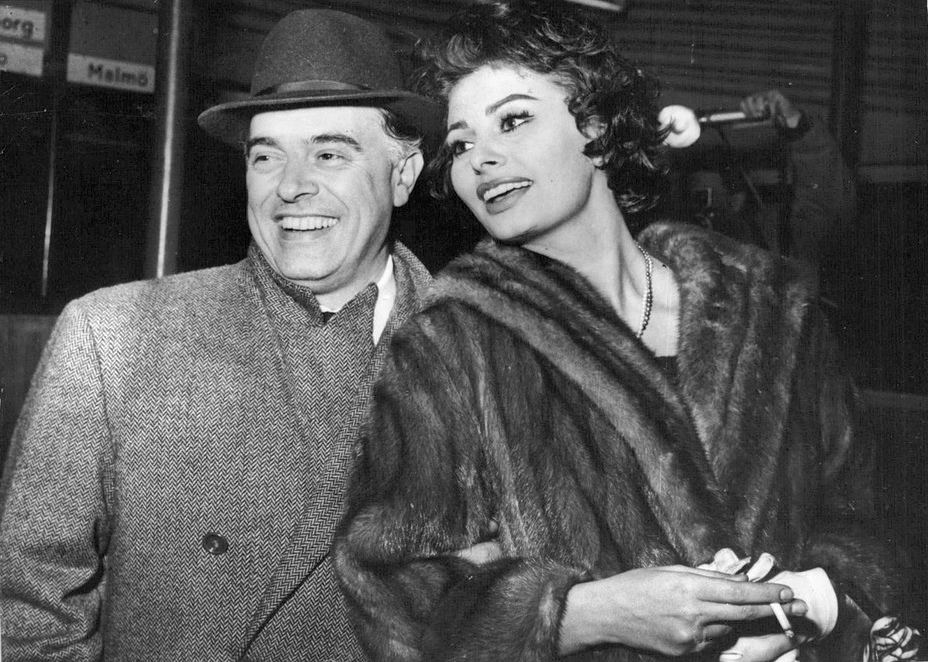

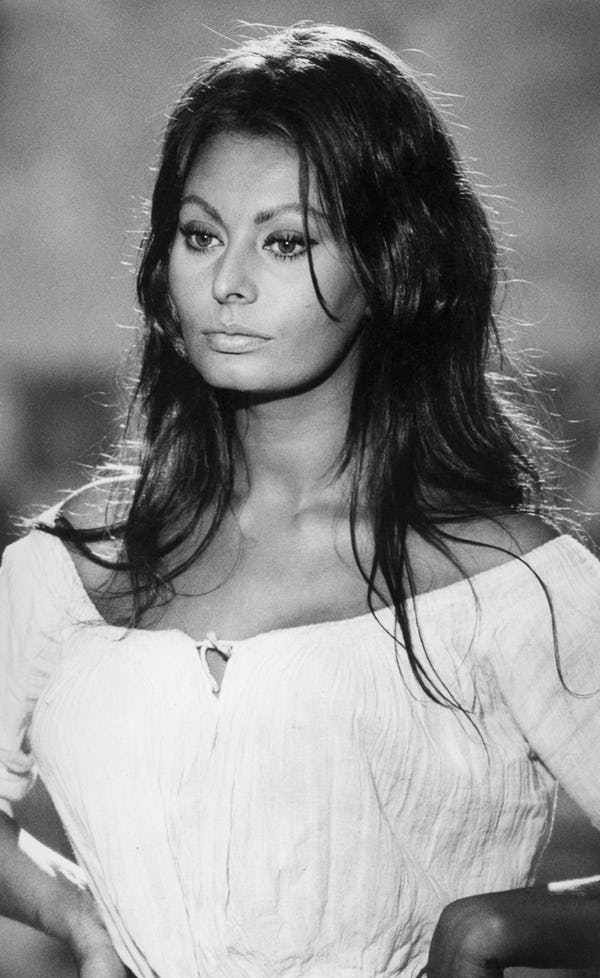






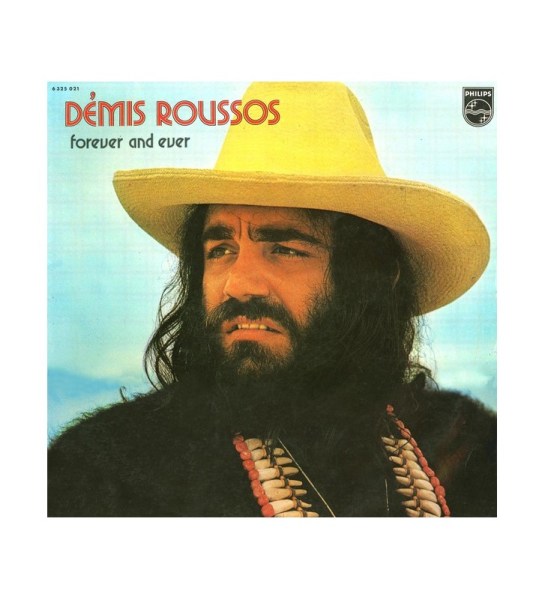
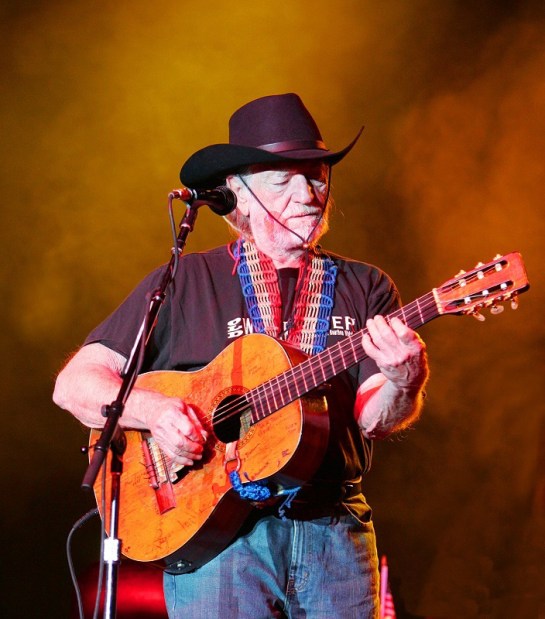


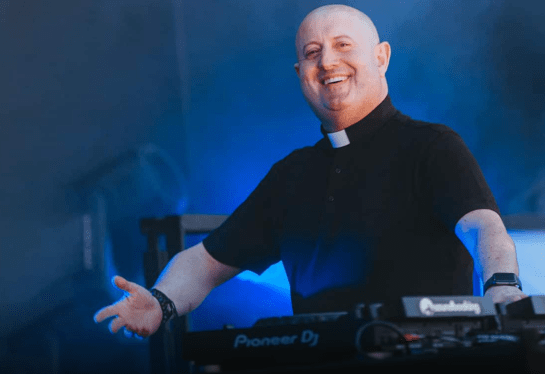


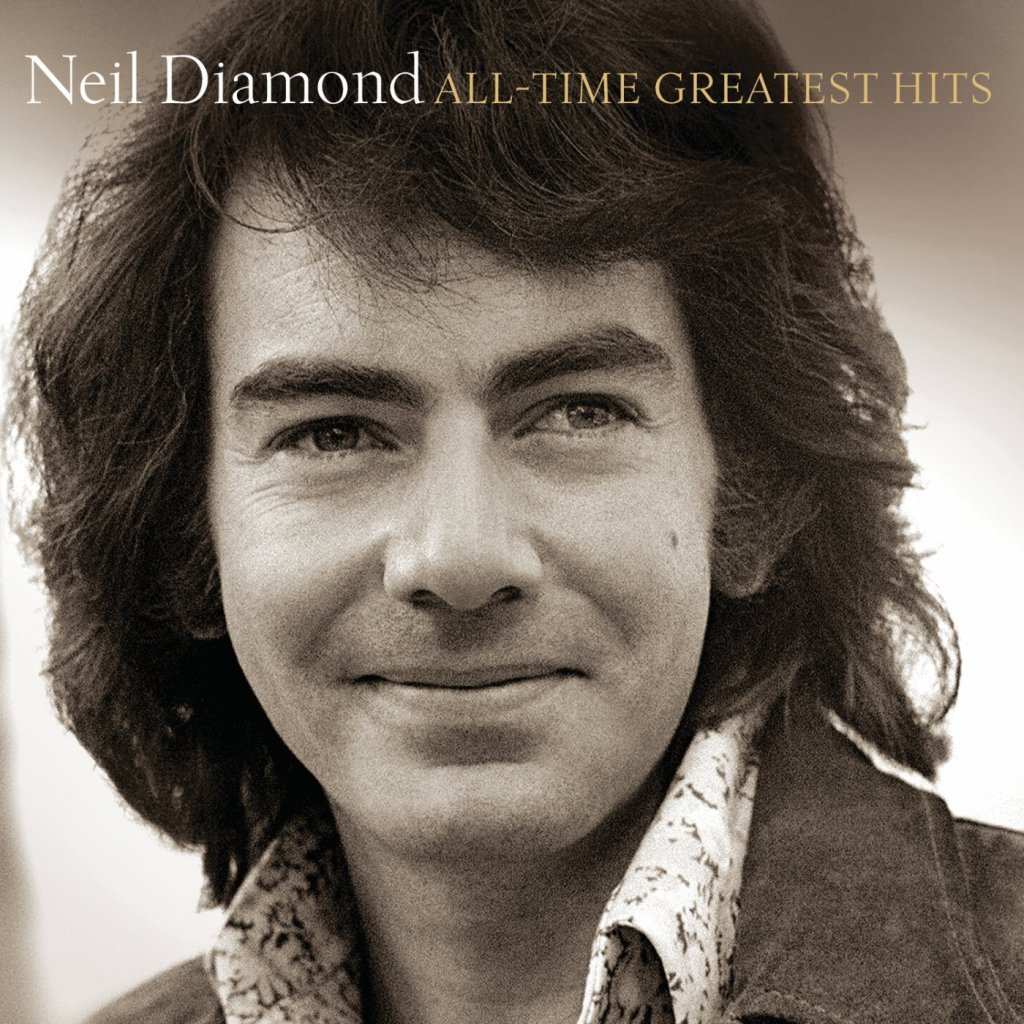


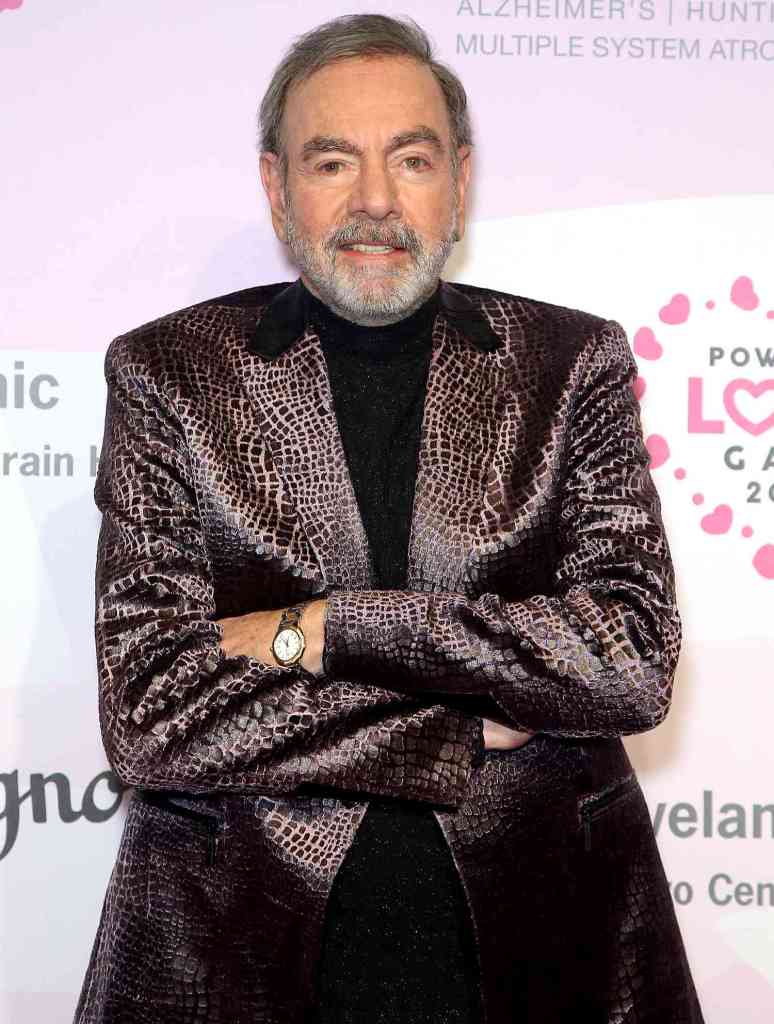



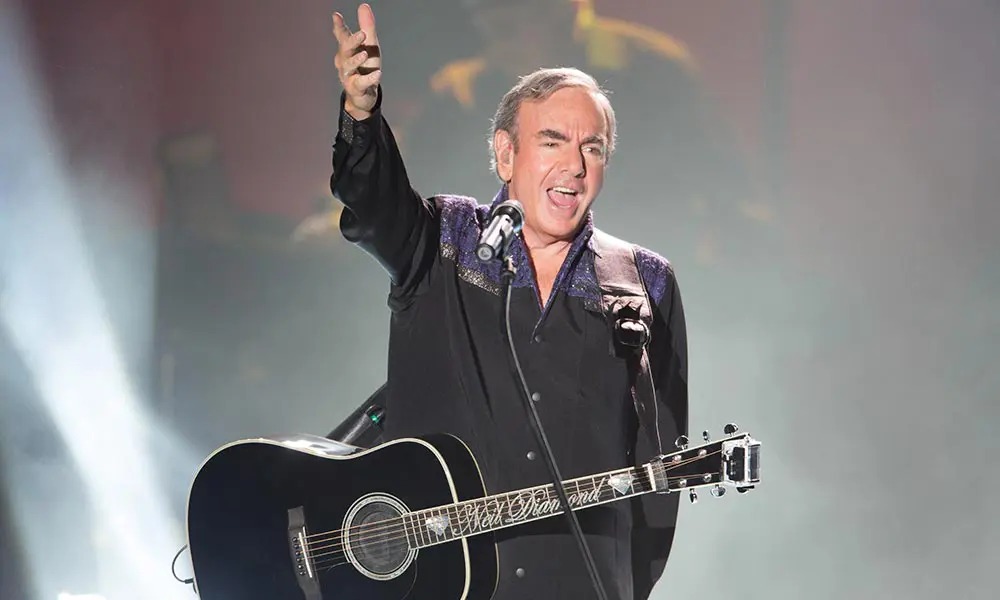












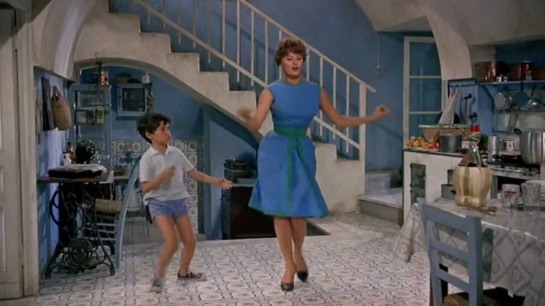








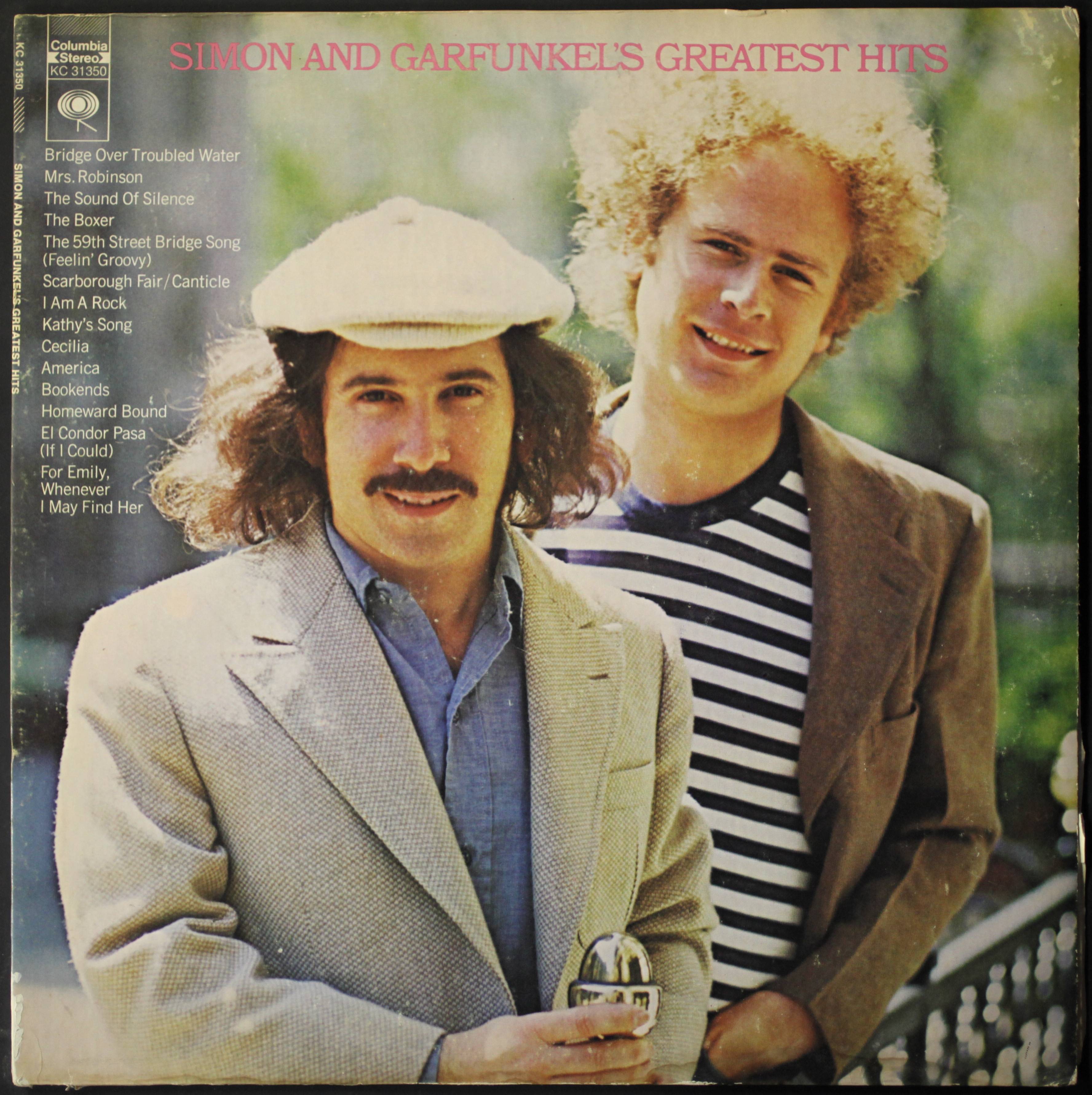
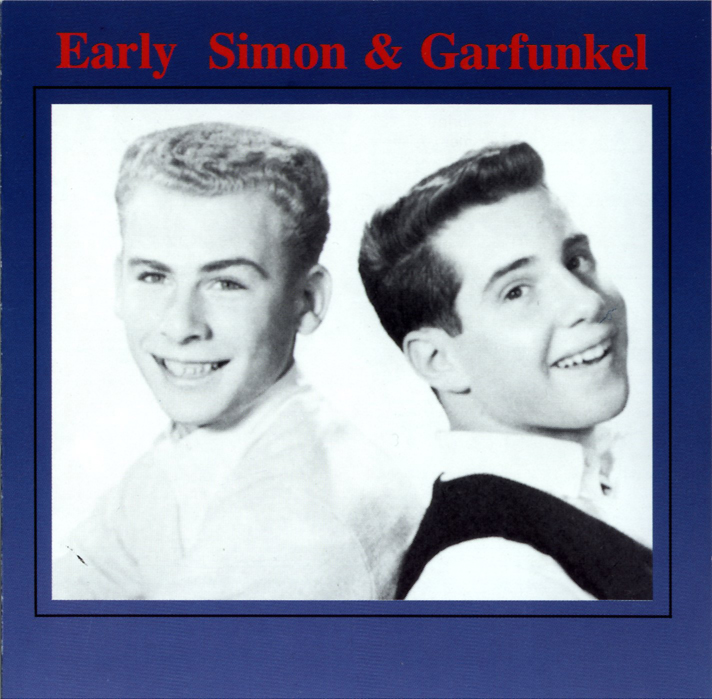
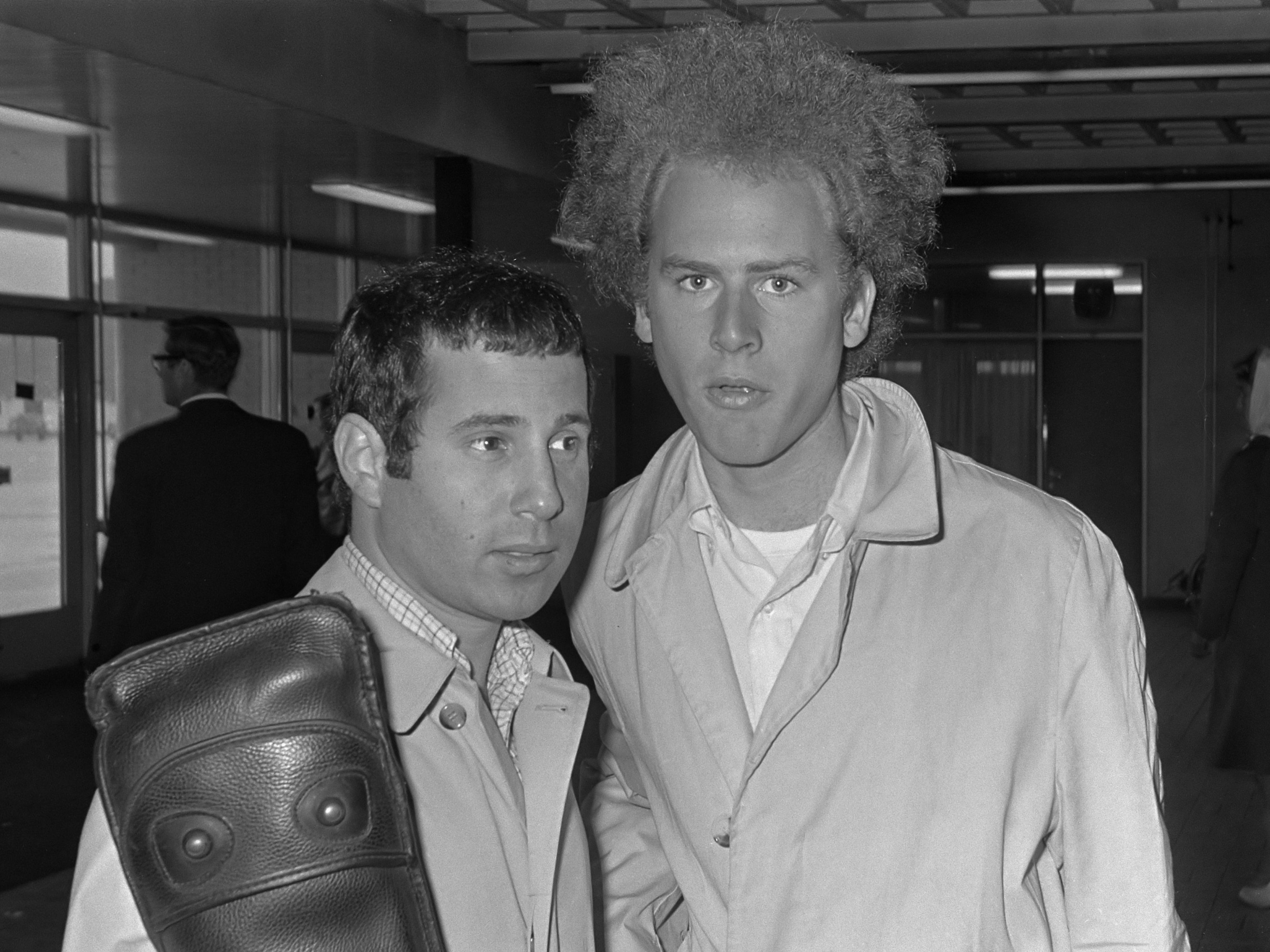
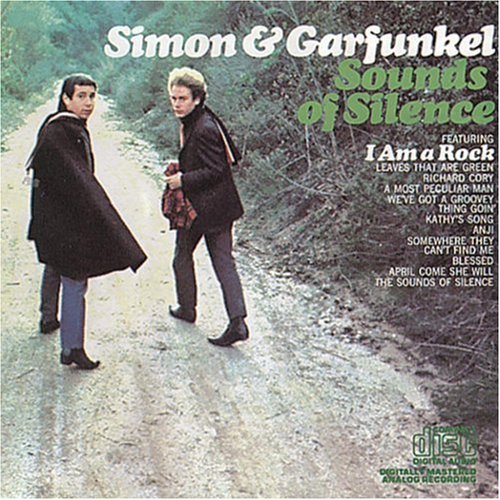


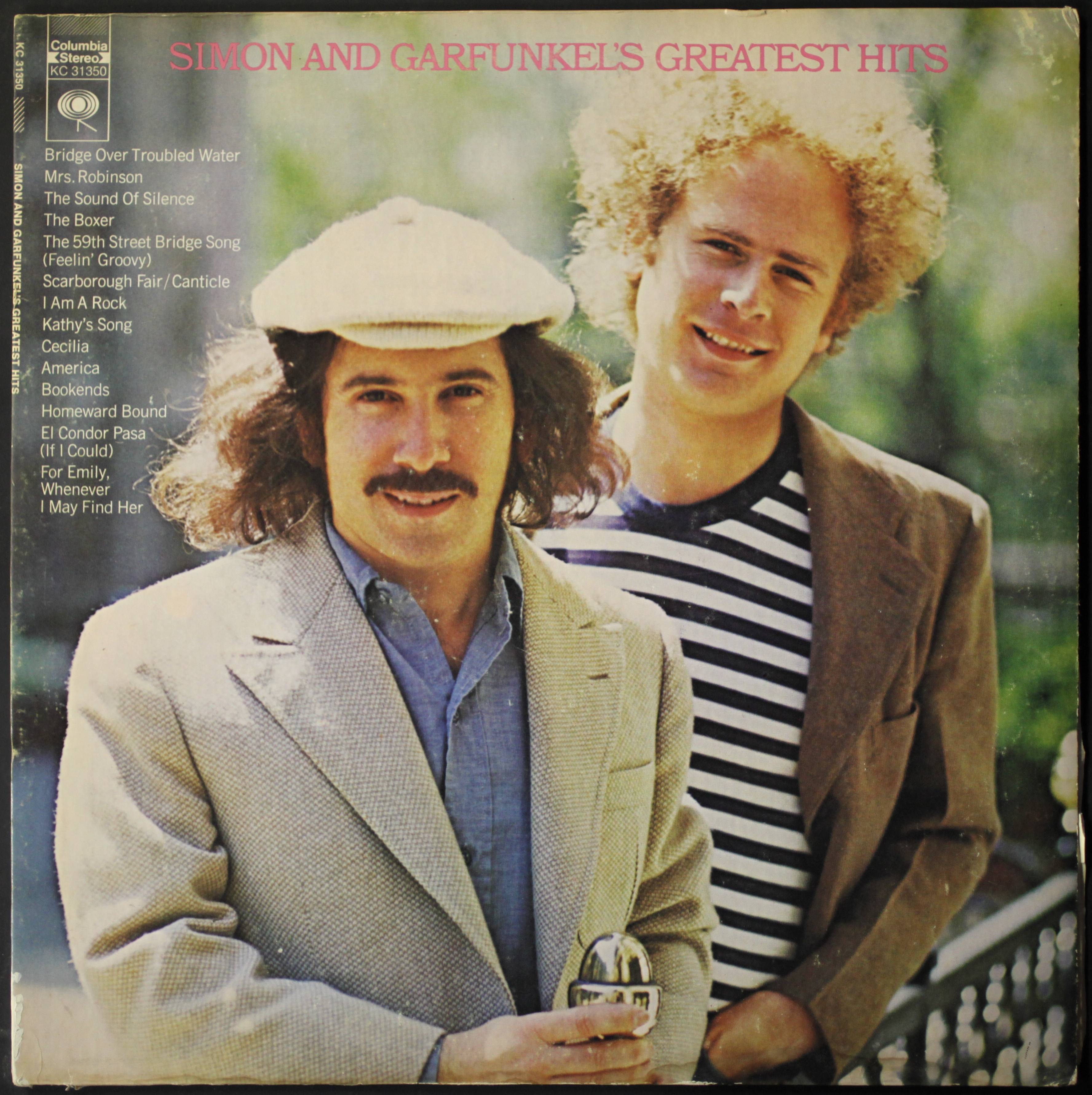
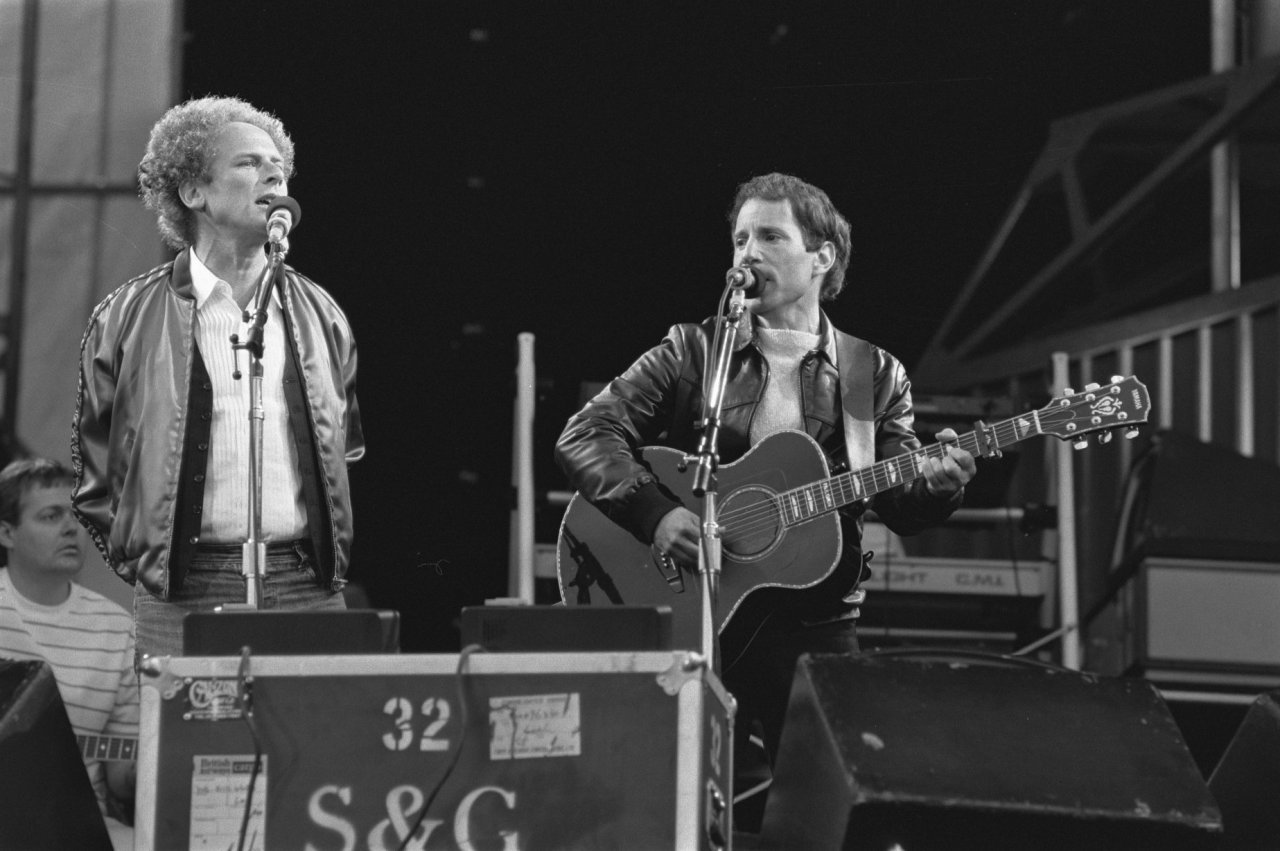

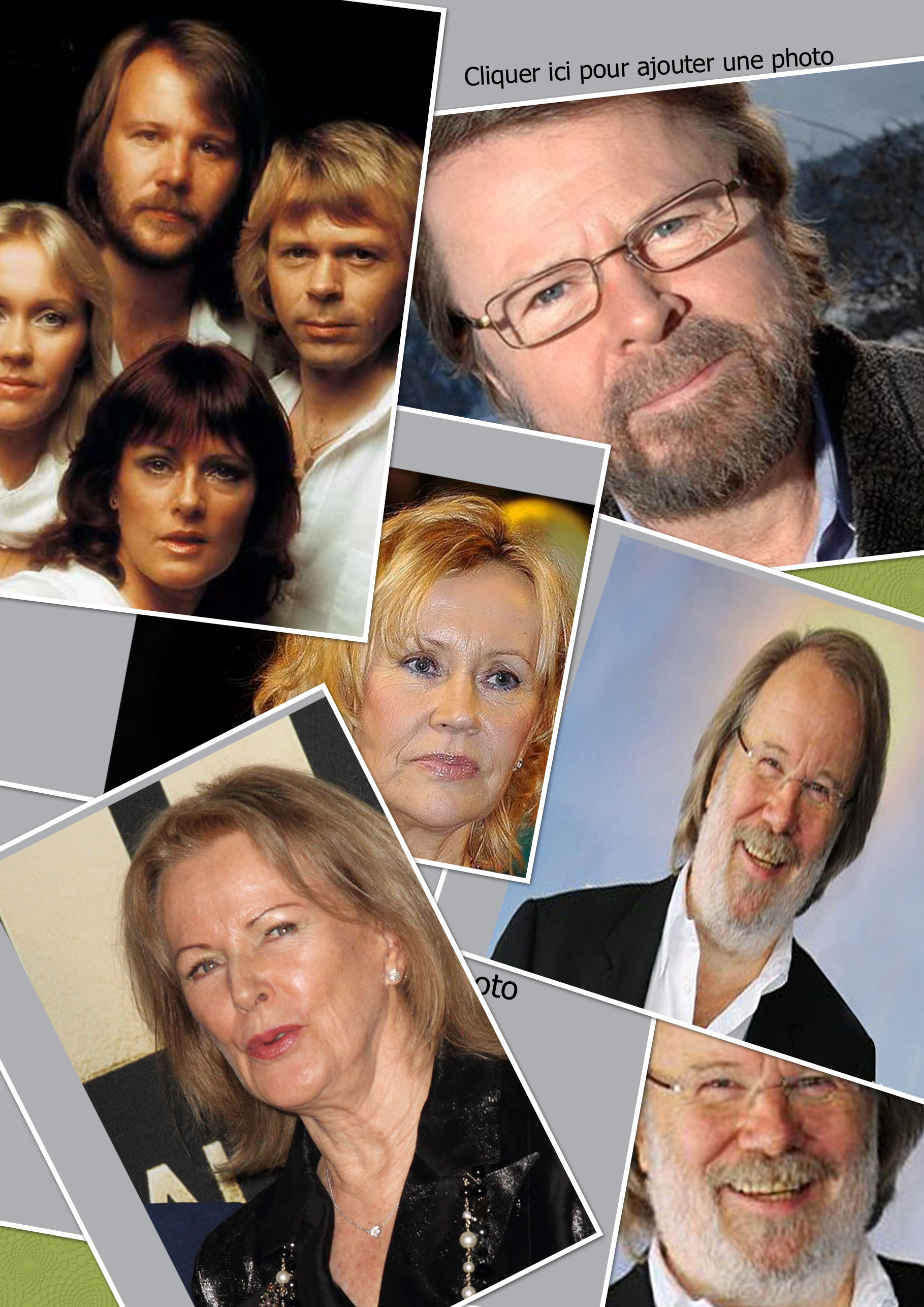
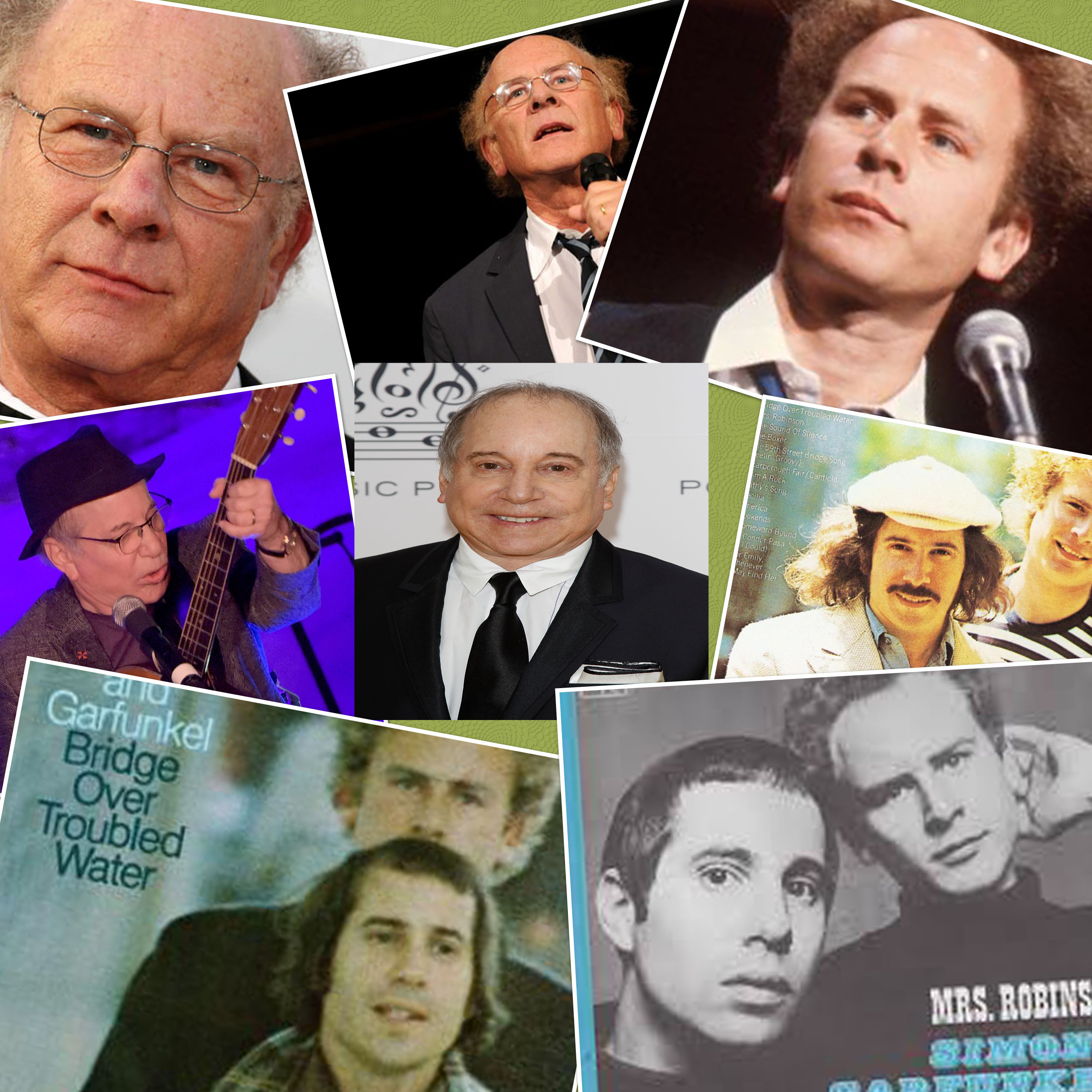
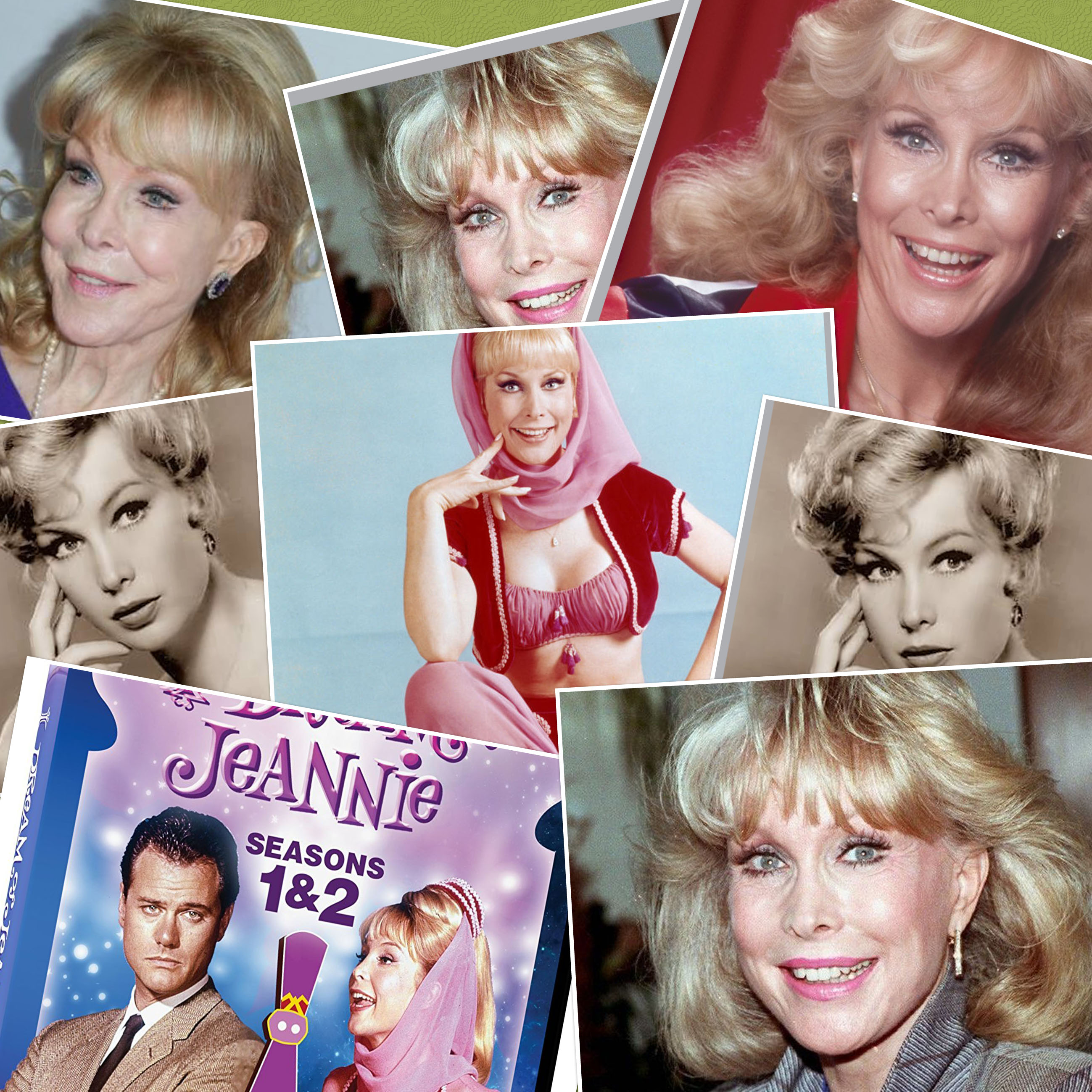
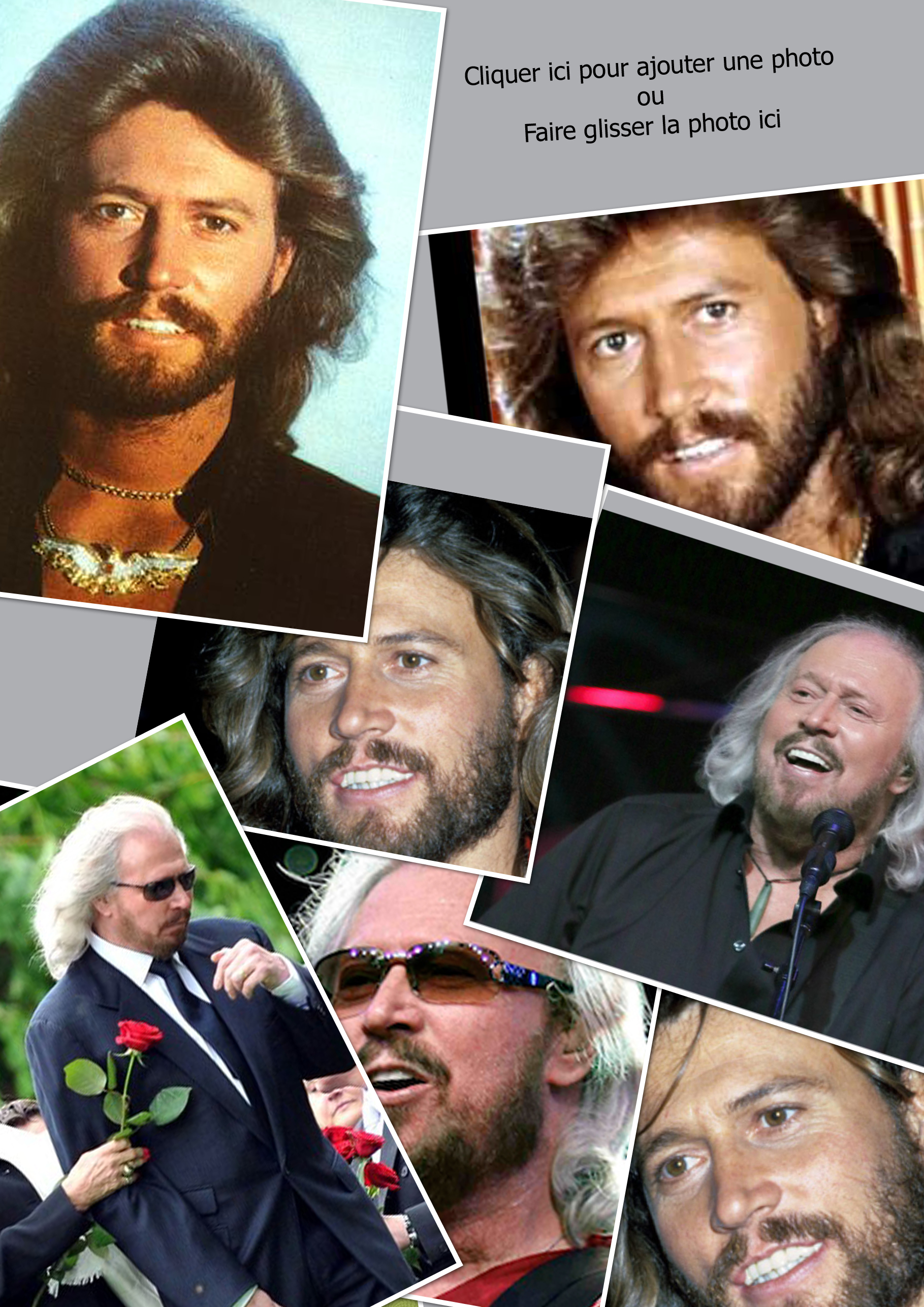
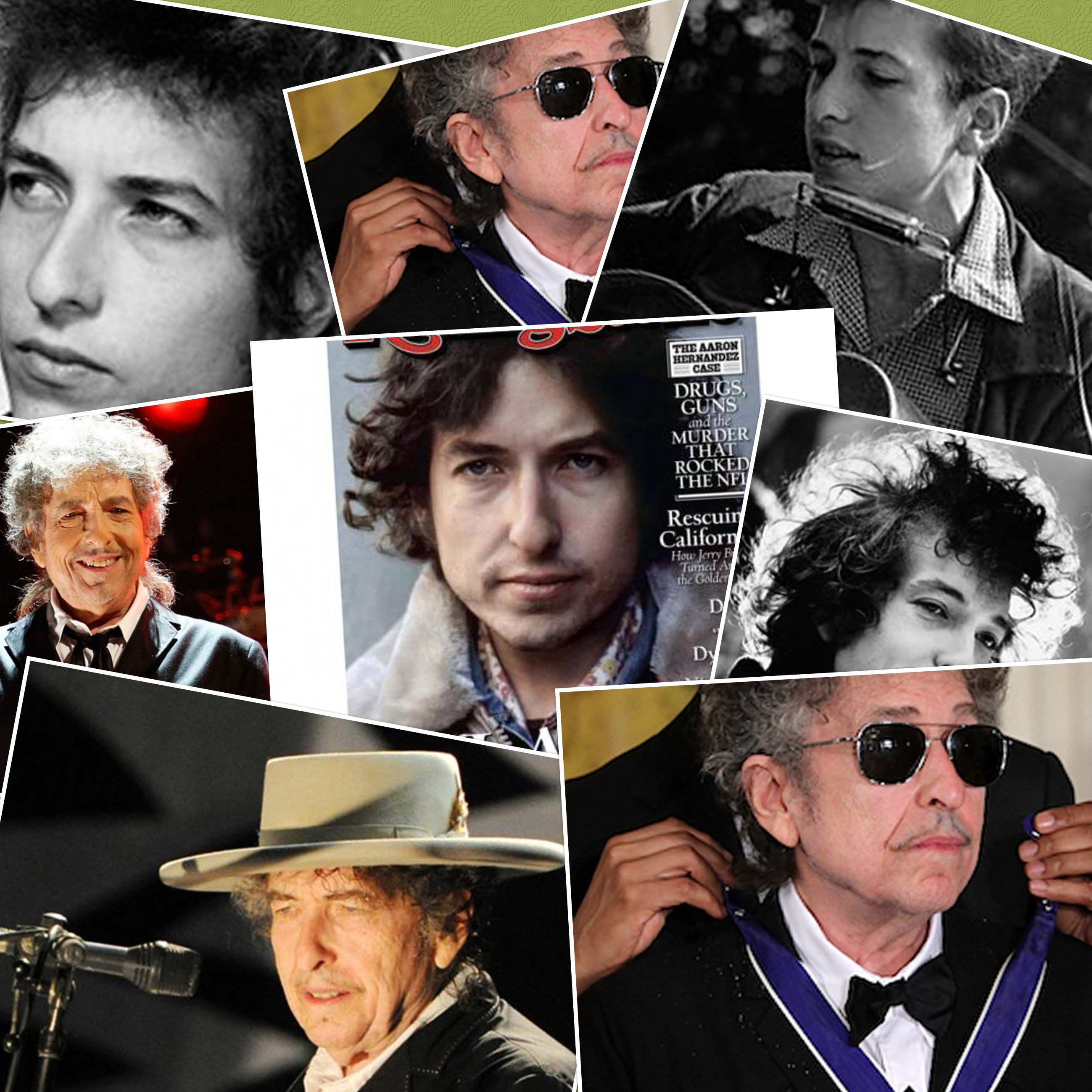
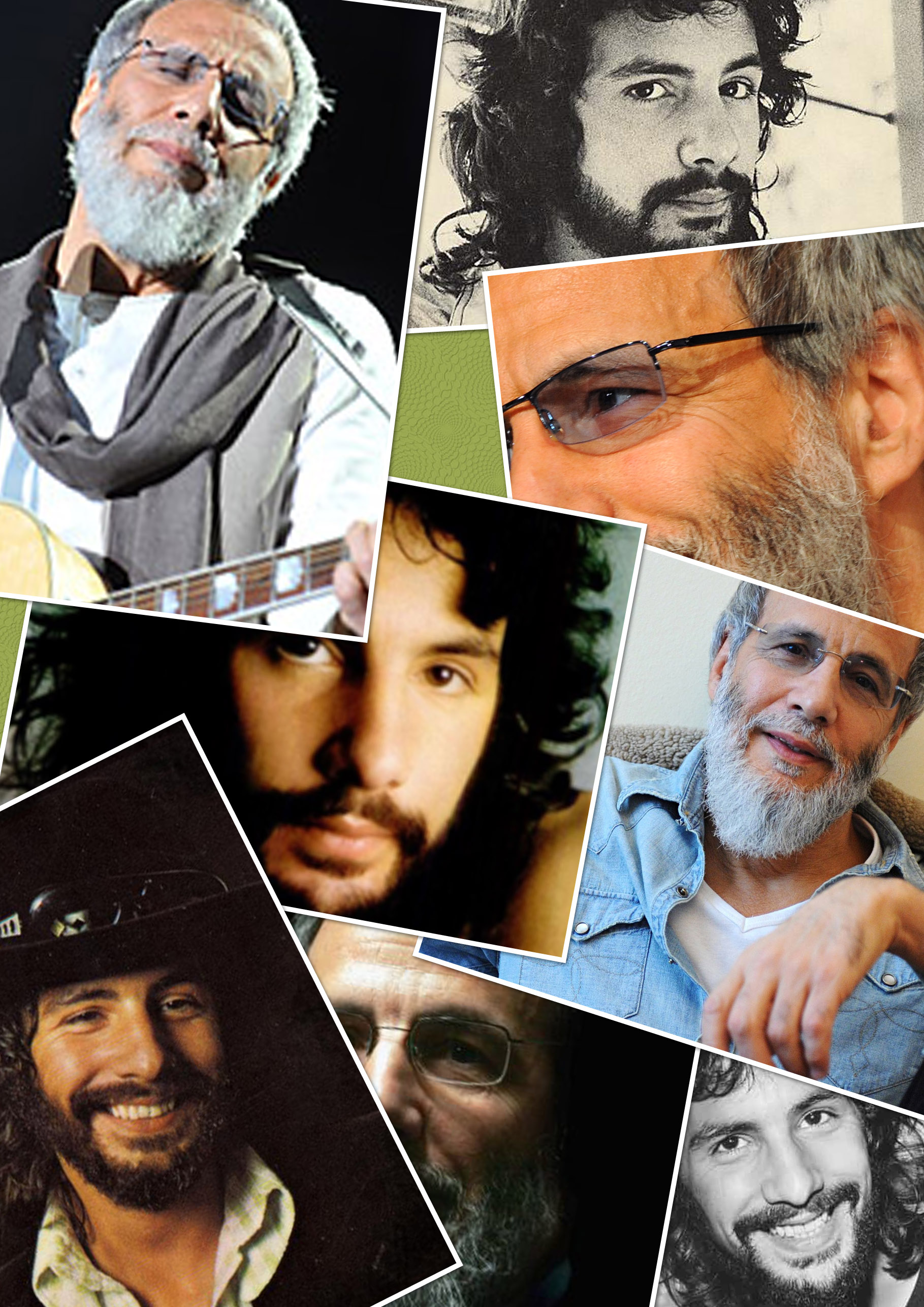
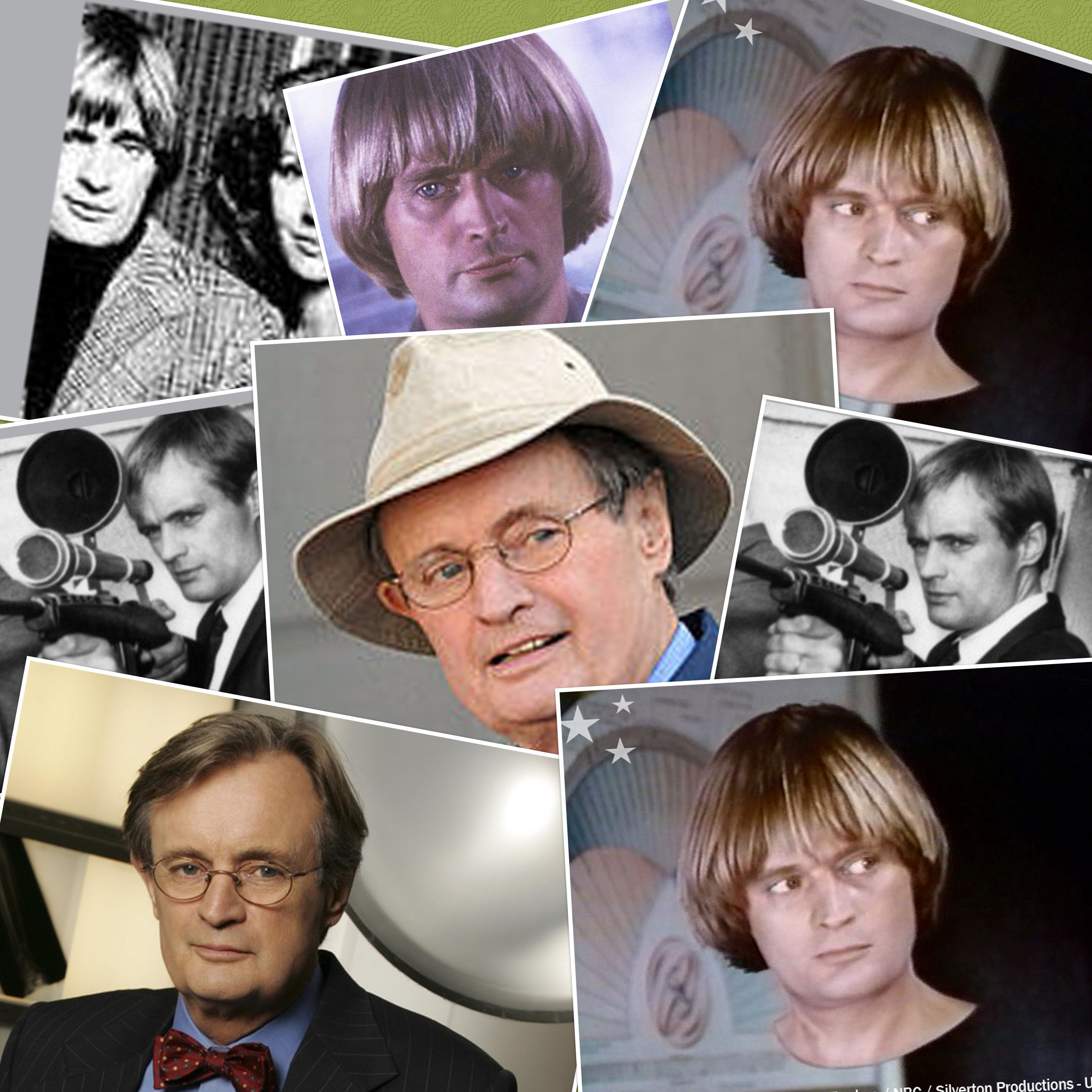
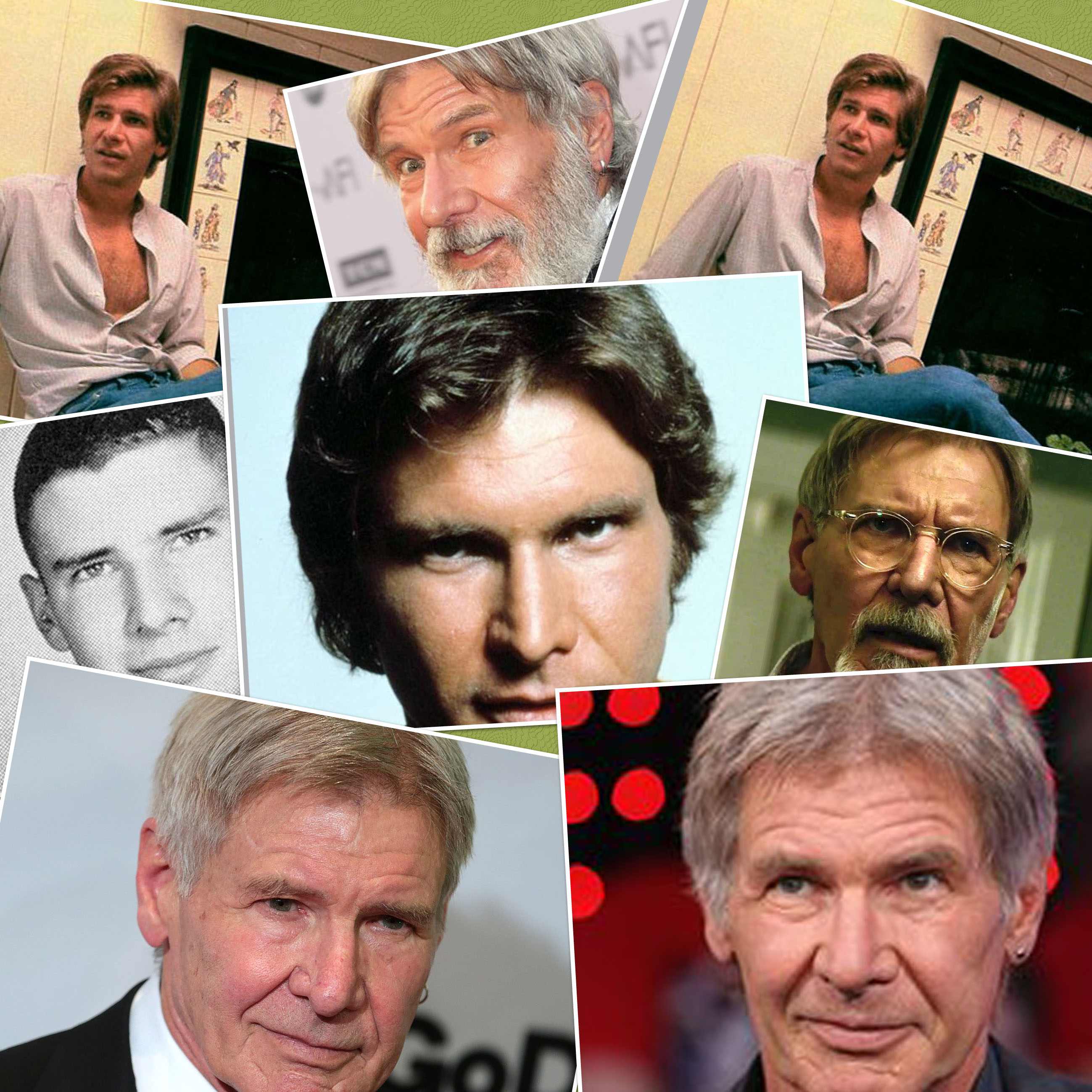

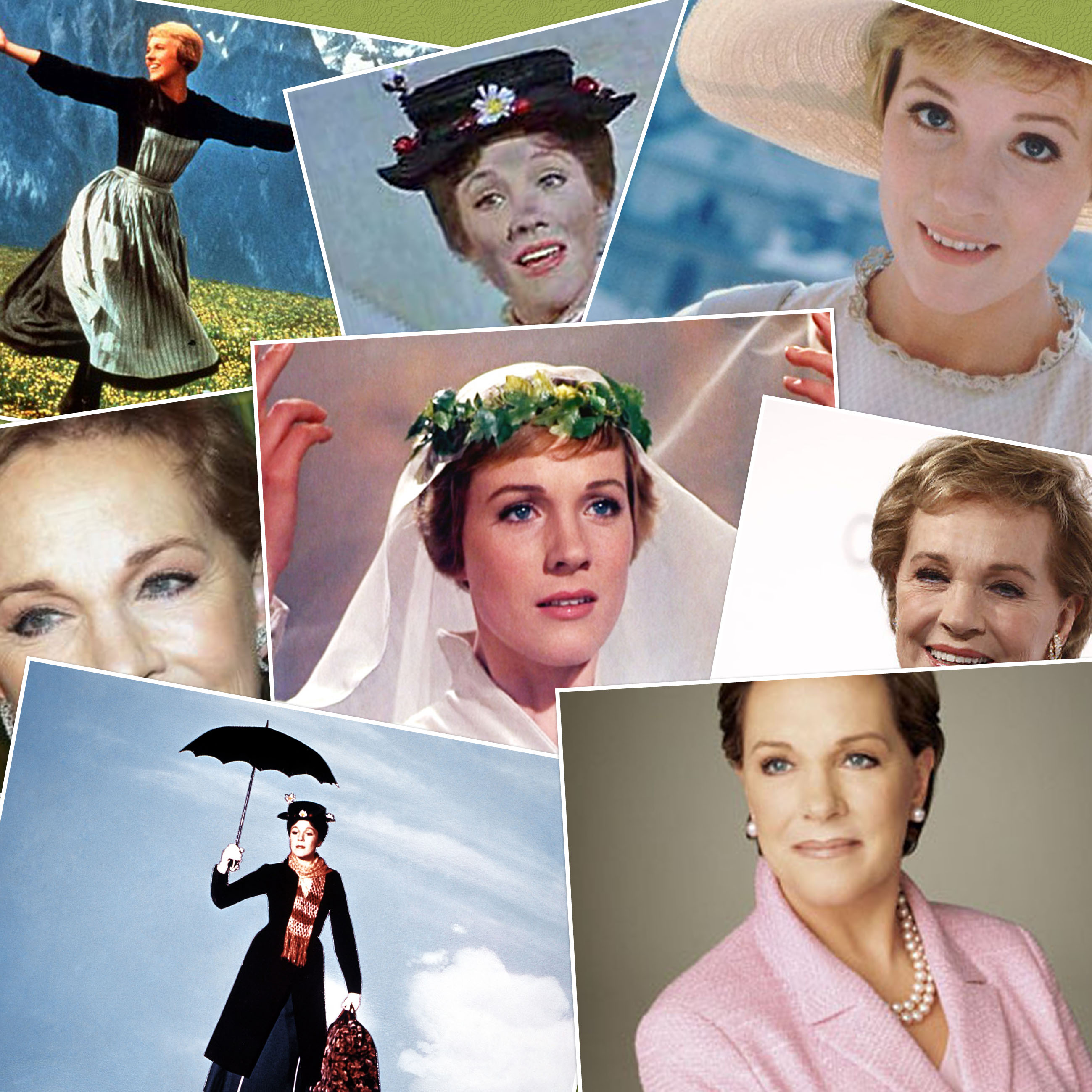
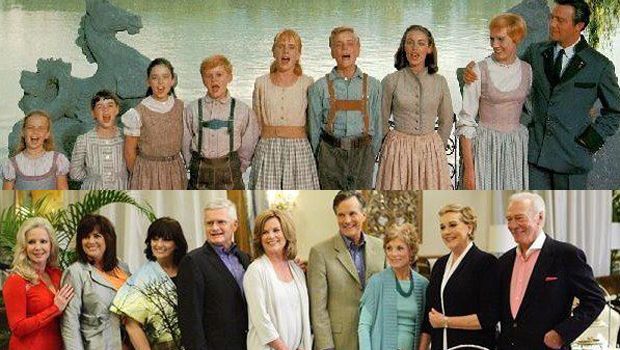
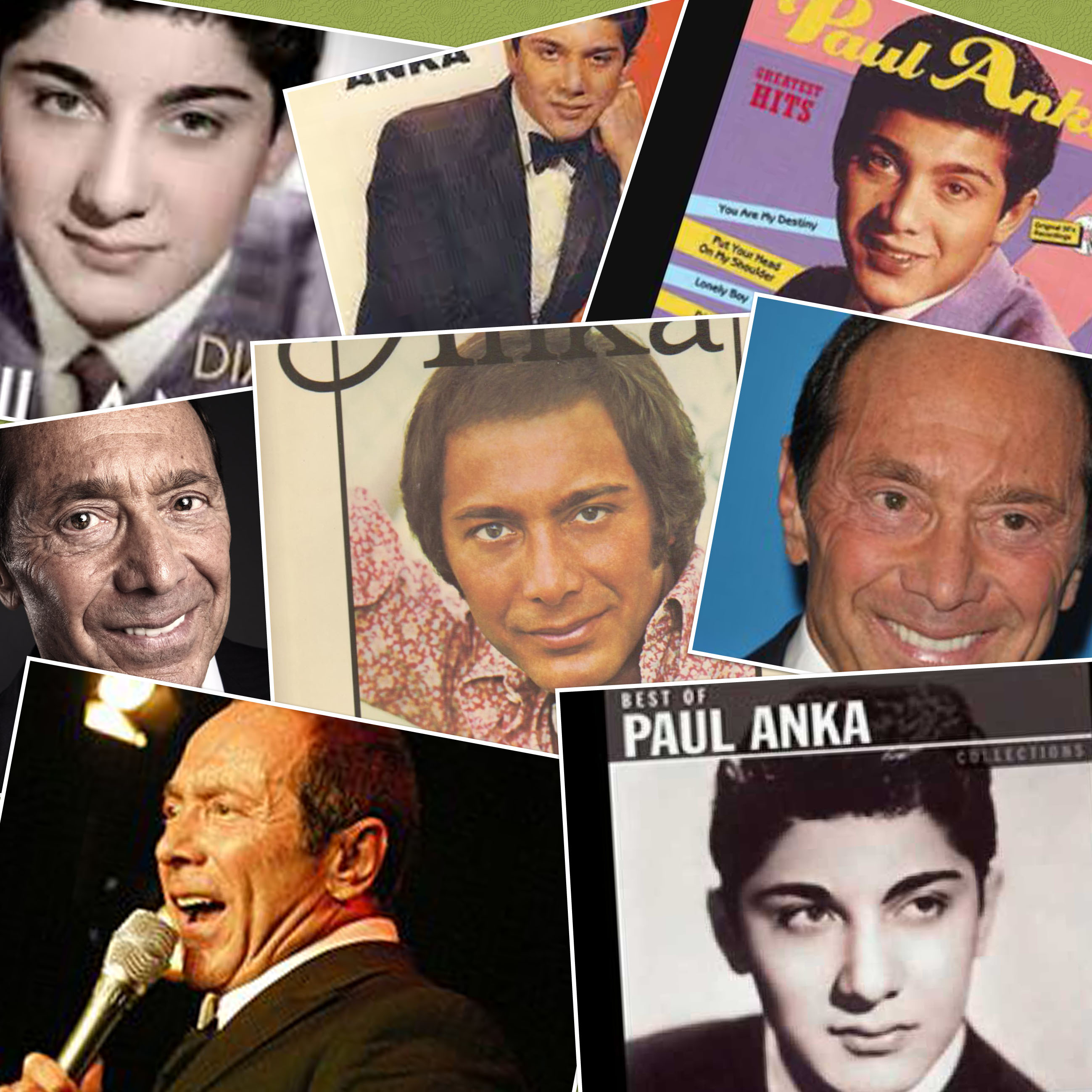
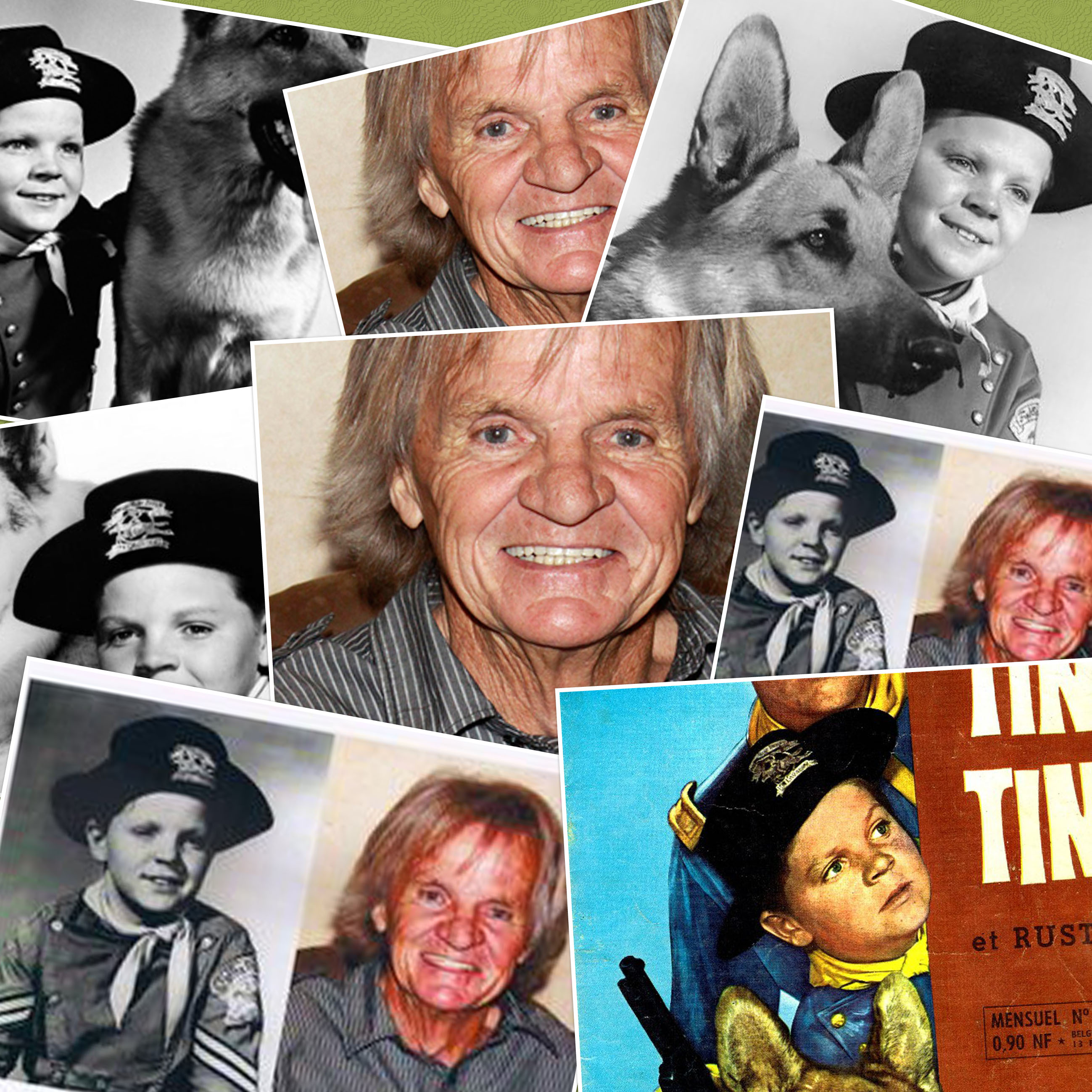
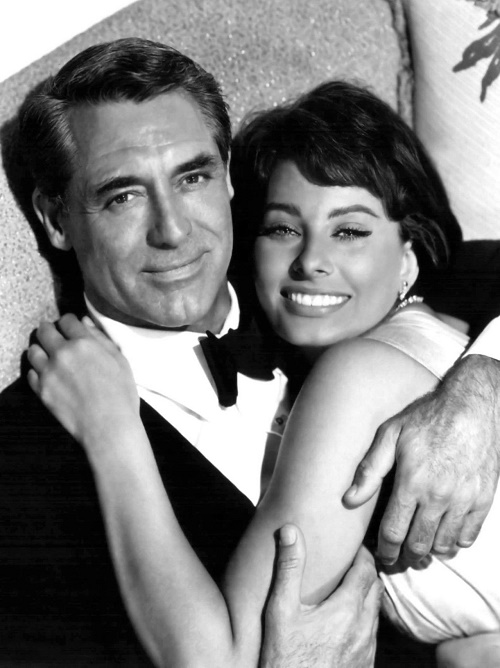





























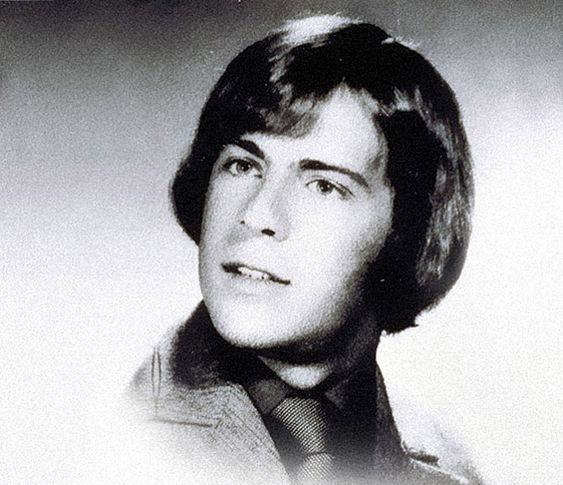










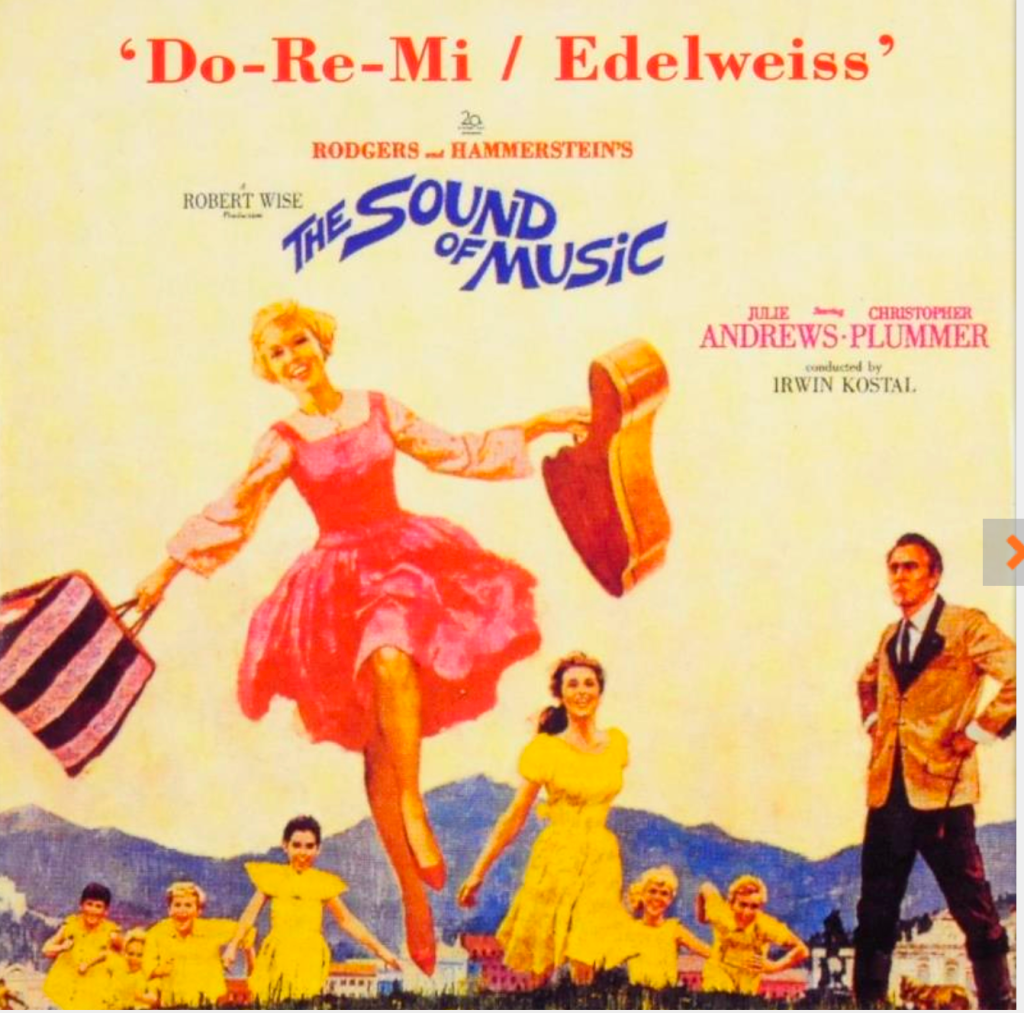

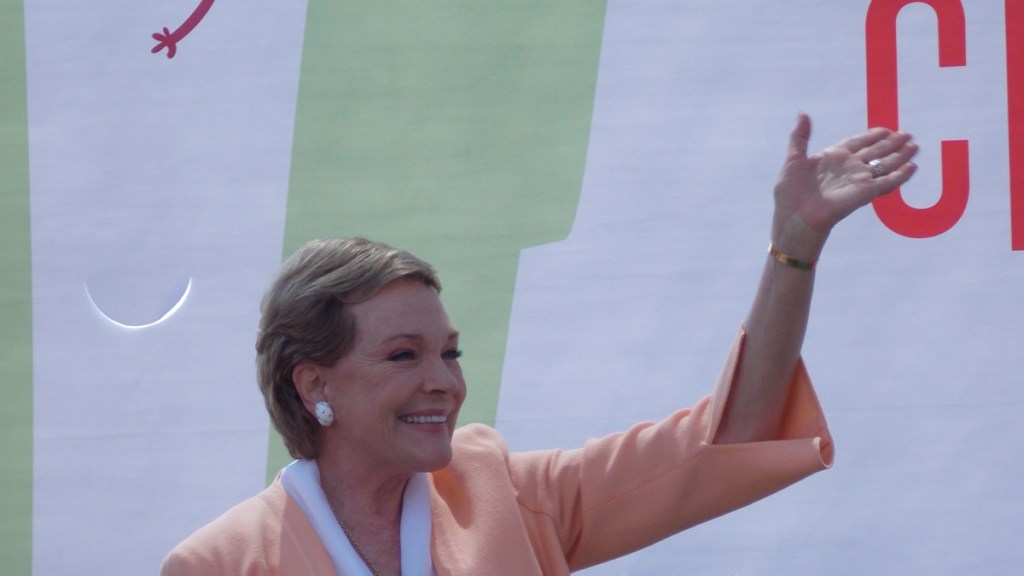
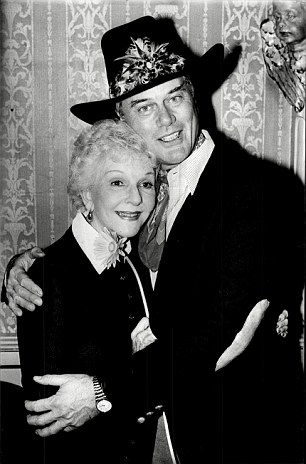


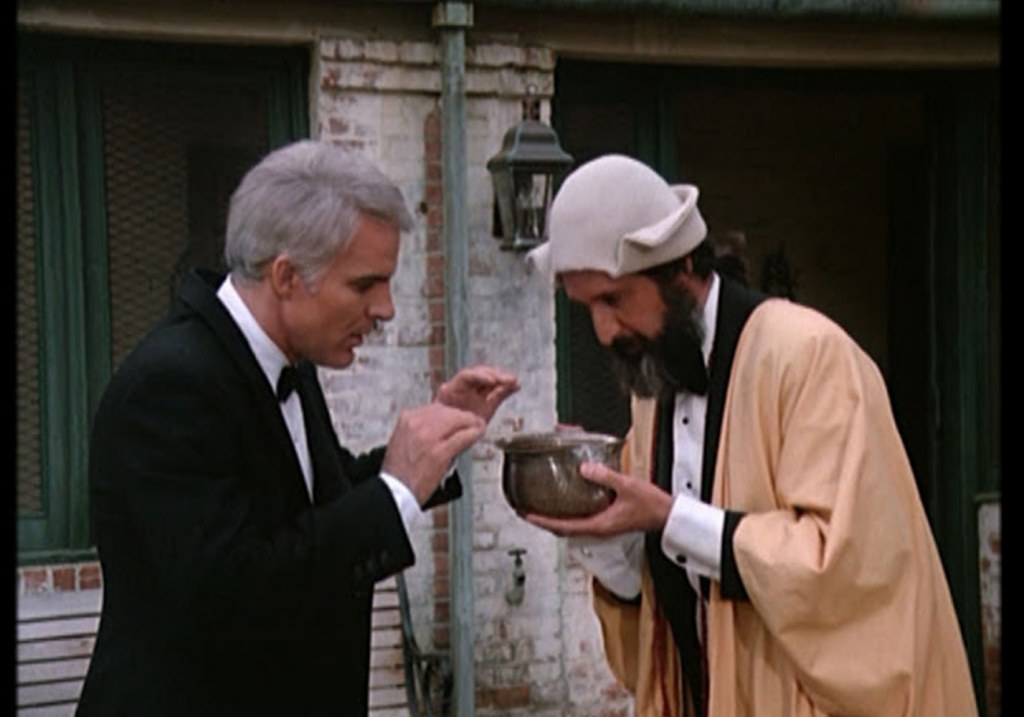









 MEXICAN MORGAN FREEMAN
 asian brad pitt







[…] FILMS / SERIES / THEATRES 50s 60s 70s […]