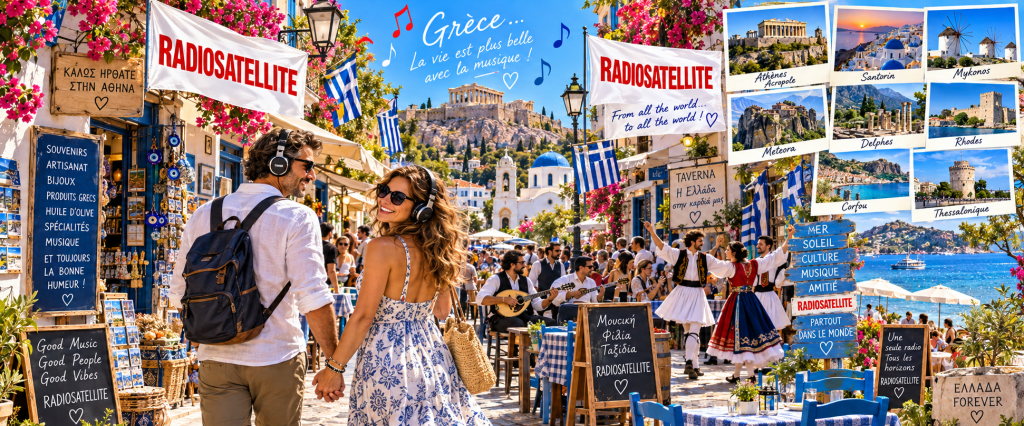

Independent music radio dedicated to instrumental and country sounds from around the world. Here, style matters more than language, and music travels across cultures
Pip: Summer is here, and RADIOSATELLITE has apparently decided the best way to announce that is to write the soundtrack themselves.
Mara: That's the territory today — original songs built around the station's identity, what they sound like, and what they're meant to do. We're looking at two pieces from radiosatellite.co that sit right at the intersection of radio promotion and genuine musicmaking.
Pip: Let's start with the songs themselves.
Radio Anthems: Songs Built for the Station
Mara: The question here is what happens when a radio station stops waiting for someone else to write its theme song and just makes one — or two.
Pip: The post for "ON OUBLIE TOUT" lays it out plainly. The setup is that this started as promotional material, but the post says: "A song created to promote the radio station, but at the end of the day, it remains a song played on RADIOSATELLITE and also on other radio stations."
Mara: That line does a lot of work. What started as an internal marketing tool crossed over — other stations picked it up and played it. That's the difference between a jingle and a record.
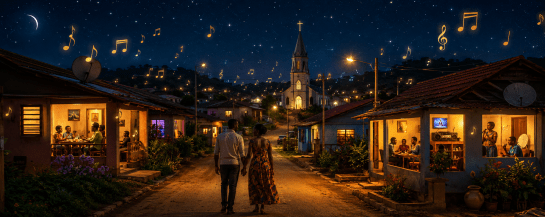
Pip: And the post doesn't oversell it. The description is almost disarmingly simple: "A beautiful song. A summer song, for summer, for joy and good cheer." No genre breakdown, no production credits listed. Just the feeling it's going for.
Mara: Which is a deliberate choice. The post frames the song's purpose entirely in terms of mood and season — warmth, lightness, the emotional register of summer. The reach across multiple stations suggests that framing landed.

Pip: It also landed in a remarkable number of languages. The post publishes the same description in French, English, Portuguese, Spanish, Italian, Russian, German, Romanian, Japanese, Dutch, Polish, Maltese, and Hindi. That's not a translation footnote — that's the whole post, repeated thirteen times over.
Mara: It signals an intentionally international audience, which makes sense for a station operating under the name RADIOSATELLITE. The song itself is the product; the multilingual rollout is the distribution strategy.
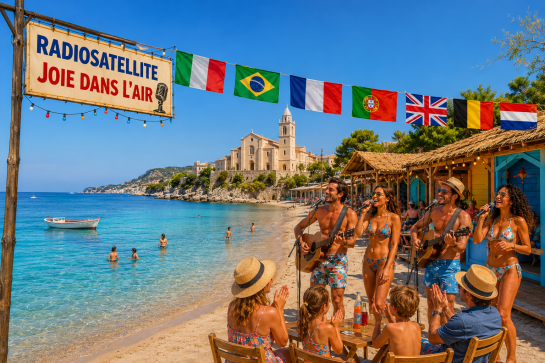
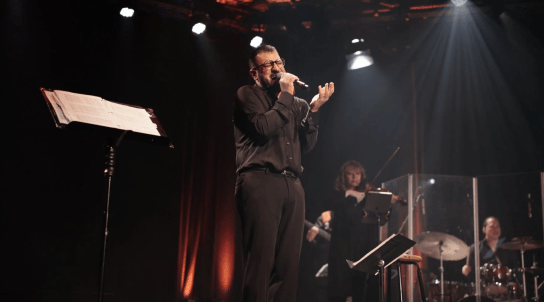
Pip: The second piece, "RADIOSATELLITE JOIE DANS L'AIR," follows the same logic but makes the production side visible. Pierre wrote it, performed it, handled the creation, mixing, orchestration, instrumentation, and both the audio and video editing — all inside the RadioSatellite studios.
Mara: So both songs are fully in-house. One crossed onto other stations; the other documents exactly how these things get made. Together they sketch out a station that treats original music as core output, not decoration.
Pip: The title "Joie dans l'air" — joy in the air — isn't subtle, but for a summer station anthem, subtle was probably never the brief.
Mara: And both tracks are available to hear directly — the posts link out to the audio.
Pip: A station writing its own summer songs and broadcasting them in thirteen languages is a particular kind of ambition.
Mara: It's programming and identity-building at the same time. More of that next episode.
Une chanson créée pour la promo de la radio mais au final, c’est une chanson qui passe sur RADIOSATELLITE et “aussi” sur d’autre stations de radios.
Une belle chanson.Chanson d’été, pour l’été, pour la joie et la bonne humeur
A song created to promote the radio station, but at the end of the day, it remains a song played on RADIOSATELLITE and “also” on other radio stations.A beautiful song.A summer song, for summer, for joy and good cheer
Uma canção criada para promover a estação de rádio, mas, no fim de contas, continua a ser uma canção tocada na RADIOSATELLITE e «também» noutras estações de rádio. Uma bela canção. Uma canção de verão, para o verão, para a alegria e o bom humor
Una canción creada para promocionar la emisora de radio, pero al fin y al cabo sigue siendo una canción que se reproduce en RADIOSATELLITE y «también» en otras emisoras de radio. Una canción preciosa. Una canción de verano, para el verano, para la alegría y el buen humor
Una canzone creata per promuovere la stazione radio, ma in fin dei conti rimane una canzone trasmessa su RADIOSATELLITE e «anche» su altre stazioni radio. Una bellissima canzone. Una canzone estiva, per l’estate, per la gioia e l’allegria
Песня, созданная для продвижения радиостанции, но, в конечном счете, это все-таки песня, которую играют на RADIOSATELLITE и «также» на других радиостанциях. Прекрасная песня. Летняя песня, посвященная лету, радости и хорошему настроению
Ein Lied, das zur Werbung für den Radiosender entstanden ist, aber letztendlich bleibt es ein Lied, das auf RADIOSATELLITE und „auch“ auf anderen Radiosendern gespielt wird. Ein wunderschönes Lied. Ein Sommerlied, für den Sommer, für Freude und gute Laune
O melodie creată pentru a promova postul de radio, dar, în cele din urmă, rămâne o melodie difuzată pe RADIOSATELLITE și „de asemenea” pe alte posturi de radio. O melodie frumoasă. O melodie de vară, pentru vară, pentru bucurie și voie bună
Een nummer dat is gemaakt om het radiostation te promoten, maar uiteindelijk blijft het een nummer dat op RADIOSATELLITE wordt gedraaid en „ook“ op andere radiostations. Een prachtig nummer. Een zomers nummer, voor de zomer, voor vreugde en een goed humeur
Piosenka stworzona w celu promocji stacji radiowej, ale ostatecznie pozostaje utworem granym w RADIOSATELLITE, a „także” w innych stacjach radiowych. Piękna piosenka. Letnia piosenka, na lato, na radość i dobry nastrój
Kanzunetta maħluqa biex tippromwovi l-istazzjon tar-radju, imma fl-aħħar mill-aħħar tibqa’ kanzunetta li tintlagħab fuq RADIOSATELLITE u “wkoll” fuq stazzjonijiet tar-radju oħra. Kanzunetta sabiħa. Kanzunetta tas-sajf, għas-sajf, għall-ferħ u għall-ħerqa tajba.
रेडियो स्टेशन का प्रचार करने के लिए बनाया गया एक गीत, लेकिन अंततः यह एक ऐसा गीत ही है जो RADIOSATELLITE पर बजाया जाता है और “साथ ही” अन्य रेडियो स्टेशनों पर भी। एक खूबसूरत गीत। एक ग्रीष्मकालीन गीत, गर्मियों के लिए, आनंद और उत्साह के लिए।
video / song / Click to Listen / Cliquez pour écouter
CLICK AND LISTEN TO MUSIC
CLIQUE E OUÇA MÚSICA
HAGA CLIC Y ESCUCHE MÚSICA
НАЖМИТЕ И ПОСЛУШАЙТЕ МУЗЫКУ
KLICKEN UND MUSIK HÖREN
KLIK EN LUISTER NAAR MUZIEK
CLICCA E ASCOLTA LA MUSICA
クリックして音楽を聴く
CLIQUEZ ET ECOUTEZ
انقر واستمع إلى الموسيقى
לחץ והאזין למוזיקה
Fă clic și ascultă muzică
Κάντε κλικ και ακούστε μουσική
KLIKI JA KUULA MUUSIKAT
KLICKA OCH LYSSNA PÅ MUSIK
TIKLAYIN VE MÜZİK DİNLEYİN
HAGA CLIC Y ESCUCHE MÚSICA
Continue reading →
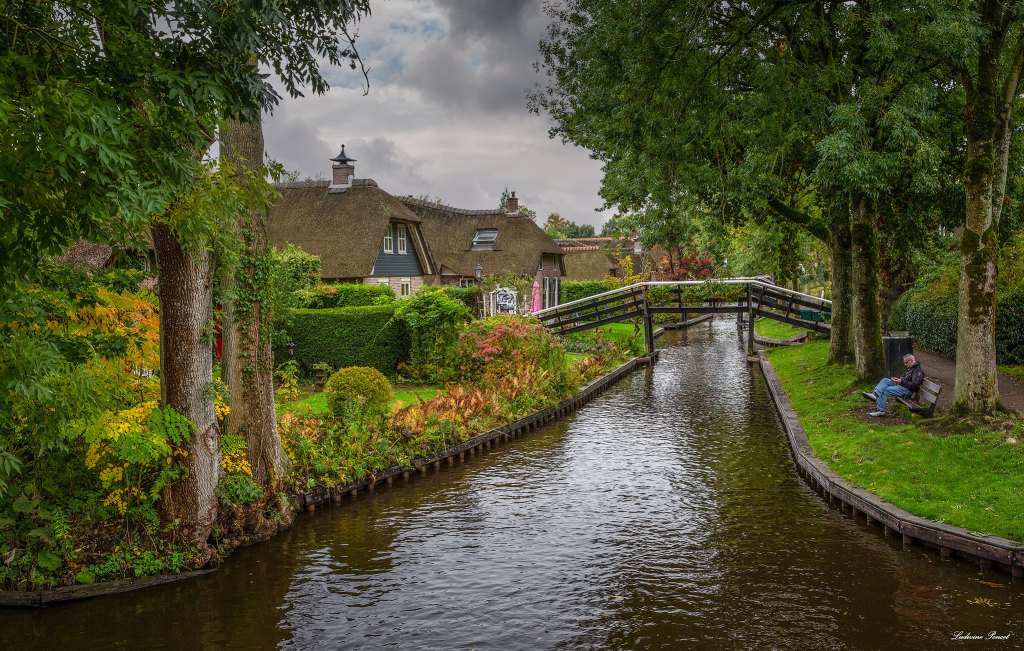
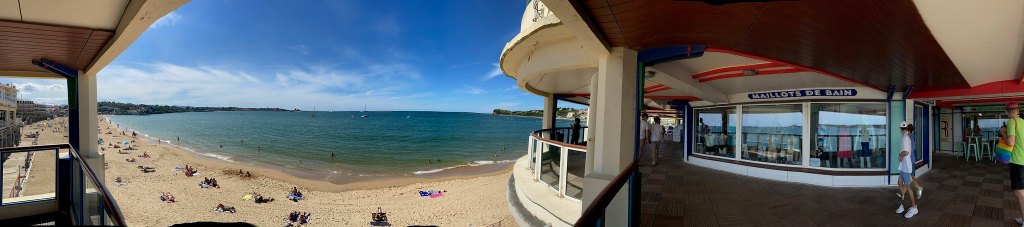
Giethoorn Netherlands Pays Bas EuropeHallstat Austria Autriche EuropeHonfleur France EuropeKammersee Austria Autriche EuropeNorvege Norway Europe.Le lac Forggensee Füssen Germany Allemagne EuropeSaint Jean de LUZE France Europe
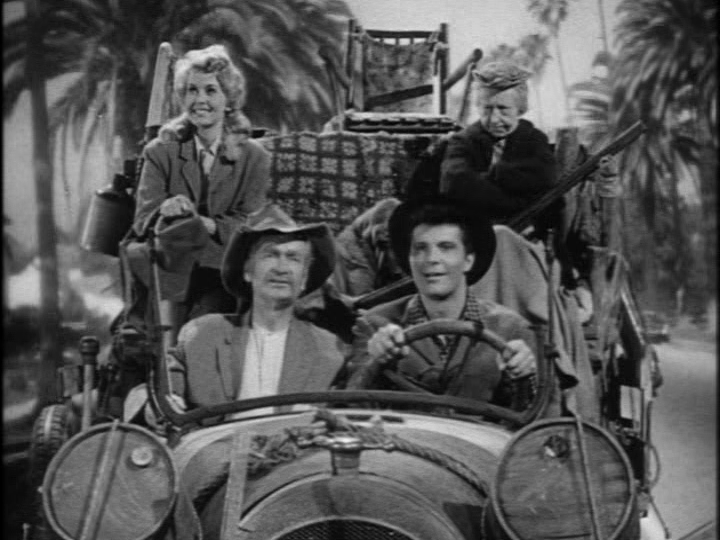
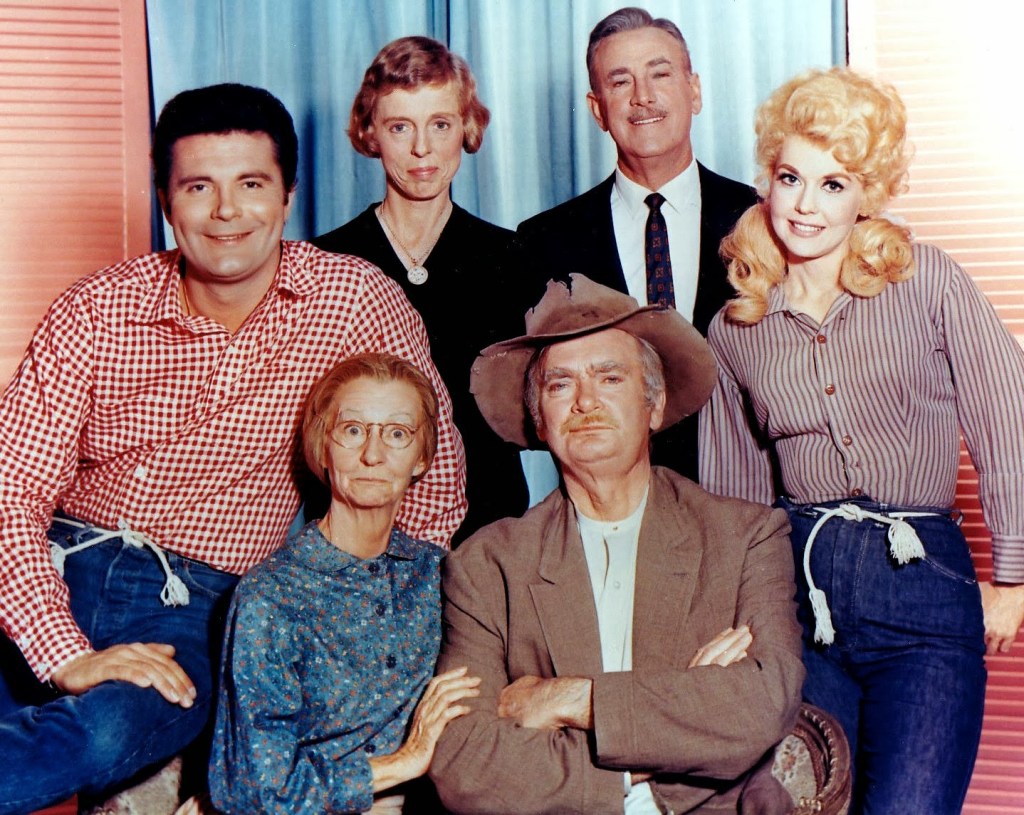
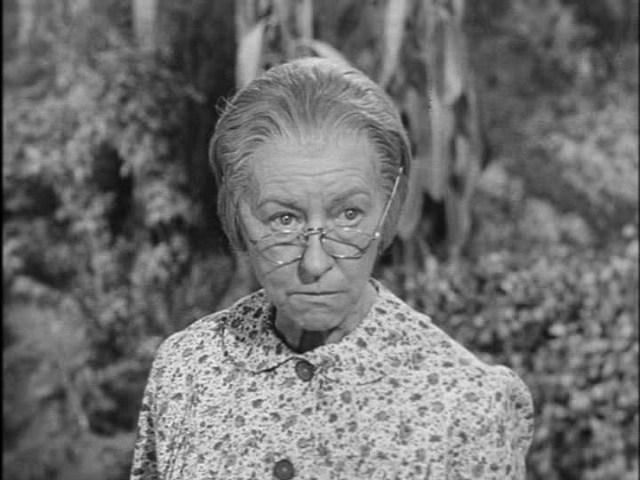
The Beverly Hillbillies is an American television sitcom that was broadcast on CBS from 1962 to 1971. It had an ensemble cast featuring Buddy Ebsen, Irene Ryan, Donna Douglas, and Max Baer Jr. as the Clampetts, a poor, backwoods family from the hills of the Ozarks, who move to posh Beverly Hills, California, after striking oil on their land.
The show was produced by Filmways and was created by Paul Henning. It was followed by two other Henning-inspired “country cousin” series on CBS: Petticoat Junction and its spin-off Green Acres, which reversed the rags-to-riches, country-to-city model of The Beverly Hillbillies.
The Beverly Hillbillies ranked among the top 20 most-watched programs on television for eight of its nine seasons, ranking as the No. 1 series of the year during its first two seasons, with 16 episodes that still remain among the 100 most-watched television episodes in American history. It accumulated seven Emmy nominations during its run. It remains in syndicated reruns, and its ongoing popularity spawned a 1993 film adaptation by 20th Century Fox.
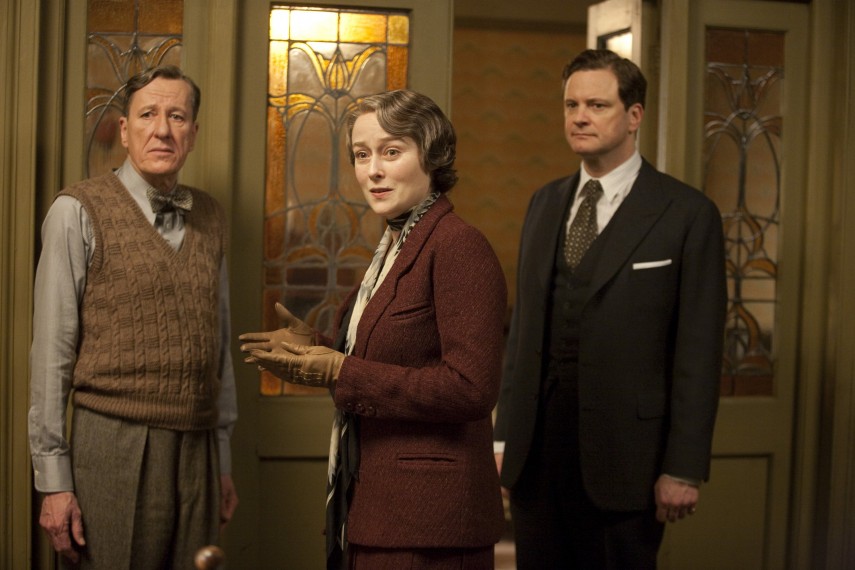
The King’s Speech is a 2010 British historical drama film directed by Tom Hooper and written by David Seidler. Colin Firth plays the future King George VI who, to cope with a stammer, sees Lionel Logue, an Australian speech and language therapist played by Geoffrey Rush. The men become friends as they work together, and after his brother abdicates the throne, the new king relies on Logue to help him make his first wartime radio broadcast upon Britain’s declaration of war on Germany in 1939.
Seidler read about George VI’s life after learning to manage a stuttering condition he developed during his own youth. He started writing about the relationship between the therapist and his royal patient as early as the 1980s, but at the request of the King’s widow, Queen Elizabeth The Queen Mother, postponed work until her death in 2002. He later rewrote his screenplay for the stage to focus on the essential relationship between the two protagonists. Nine weeks before filming began, Logue’s notebooks were discovered and quotations from them were incorporated into the script.
Principal photography took place in London and around Britain from November 2009 to January 2010. Hard light was used to give the story a greater resonance and wider-than-normal lenses were employed to recreate the Duke of York’s feelings of constriction. A third technique Hooper employed was the off-centre framing of characters.
The King’s Speech was a major box office and critical success. It was widely praised by film critics for its visual style, art direction, screenplay, directing, score, and acting. Other commentators discussed the film’s representation of historical detail, especially the reversal of Winston Churchill‘s opposition to abdication. The film received many awards and nominations, particularly for Colin Firth’s performance, which resulted in his first Oscar win for Best Actor. At the 83rd Academy Awards, The King’s Speech received 12 Oscar nominations, more than any other film in that year, and subsequently won four, including Best Picture. Censors initially gave it adult ratings due to profanity, though these were later revised downwards after criticism by the makers and distributors in the UK and some instances of swearing were muted in the US. On a budget of £8 million, it earned over £250 million internationally.
At the official closing of the British Empire Exhibition at Wembley Stadium, Prince Albert, Duke of York, the second son of King George V, addresses the crowd with a strong stammer. His search for treatment has been discouraging, but his wife, Elizabeth, persuades him to see the Australian-born Lionel Logue, a non-medically trained Harley Street speech defects therapist. “Bertie”, as he is called by his family, believes the first session is not going well, but Lionel, who insists that all his patients address him as such, has his potential client recite Hamlet‘s “To be, or not to be” soliloquy while hearing classical music played on a pair of headphones. Bertie is frustrated at the experiment but Lionel gives him the acetate recording that he has made of the reading as a souvenir.
After Bertie’s father, King George V, broadcasts his 1934 Royal Christmas Message, he explains to Bertie that the wireless will play a significant part in the role of the royal family, allowing them to enter the homes of the people, and that Bertie’s brother’s neglect of his responsibilities make training in it necessary. The attempt at reading the message himself is a failure, but that night Bertie plays the recording Lionel gave him and is astonished at the lack of stutter there. He therefore returns for daily treatments to overcome the physical and psychological roots of his speaking difficulty.
George V dies in 1936, and his eldest son David ascends the throne as King Edward VIII. A constitutional crisis arises with the new king over a prospective marriage with the twice-divorced American socialite Wallis Simpson. Edward, as the supreme governor of the Church of England, cannot marry her, even if she receives her second divorce, since both her previous husbands are alive.
At an unscheduled session, Bertie expresses his frustration that, while his speech has improved when speaking to most people, he still stammers when talking to David, at the same time revealing the extent of Edward VIII’s folly with Simpson. When Lionel insists that Bertie himself could make a good king, Bertie accuses Lionel of speaking treason and quits Lionel in anger. Bertie must now face the Accession Council without any assistance.
Bertie and Lionel only come together again after King Edward decides to abdicate in order to marry. Bertie, urged ahead by Prime Minister Stanley Baldwin, ascends the throne as King George VI and visits Lionel’s home with his wife before their coronation, much to the surprise of Mrs. Logue when she comes upon Queen Elizabeth having tea at her dining room table. This is the first time that she learns who her husband’s patient has been.
Bertie and Lionel’s relationship is questioned by the King’s advisors during the preparations for his coronation in Westminster Abbey. The archbishop of Canterbury, Cosmo Gordon Lang, brings to light that George never asked for advice from his advisors about his treatment and that Lionel has never had formal training. Lionel explains to an outraged Bertie that at the time he started with speech defects there were no formal qualifications and that the only known help that was available for returning Great War shell-shocked Australian soldiers was from personal experience. Bertie remains unconvinced until provoked to protest at Lionel’s disrespect for King Edward’s Chair and the Stone of Scone. Only at this pivotal moment, after realising he has just expressed himself without impairment, is Bertie able to rehearse with Lionel and complete the ceremony.
The King’s Speech
As the new king, Bertie is in a crisis when he must broadcast to Britain and the Empire following the declaration of war on Nazi Germany in 1939. Lionel is summoned to Buckingham Palace to prepare the king for his speech. Knowing the challenge that lies before him, Lang, Winston Churchill, and Prime Minister Neville Chamberlain are present to offer support. The King and Logue are then left in the broadcasting room. He delivers his speech with Logue conducting him, but by the end he is speaking freely. Preparing to leave the room for the congratulations of those present, Logue mentions to the King that he still has difficulty enunciating w and the King jokes back, “I had to throw in a few so they’d know it was me.”
As the Royal Family step onto the palace balcony and are applauded by the crowd, a title card explains that Logue, who received the Royal Victorian Order for service to the Crown, was always present at King George VI’s speeches during the war and that they remained friends until the King’s death from lung cancer in 1952.
CLICK AND LISTEN TO MUSIC CLIQUE E OUÇA MÚSICA HAGA CLIC Y ESCUCHE MÚSICA НАЖМИТЕ И ПОСЛУШАЙТЕ МУЗЫКУ KLICKEN UND MUSIK HÖREN KLIK EN LUISTER NAAR MUZIEK CLICCA E ASCOLTA LA MUSICA クリックして音楽を聴く CLIQUEZ ET ECOUTEZ انقر واستمع إلى الموسيقى לחץ והאזין למוזיקה Fă clic și ascultă muzică Κάντε κλικ και ακούστε μουσική KLIKI JA…