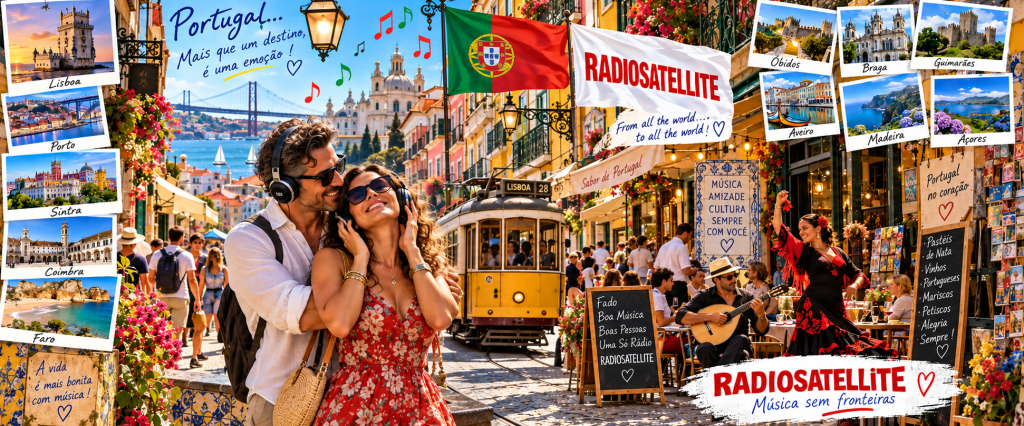
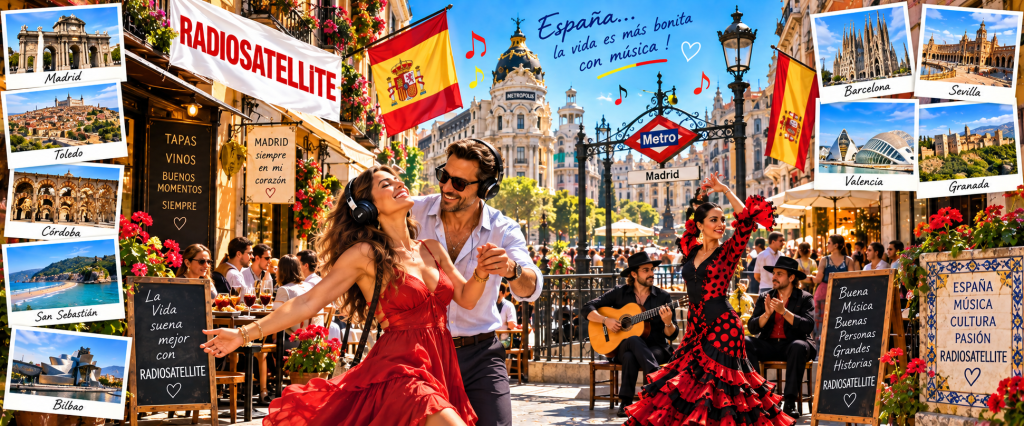
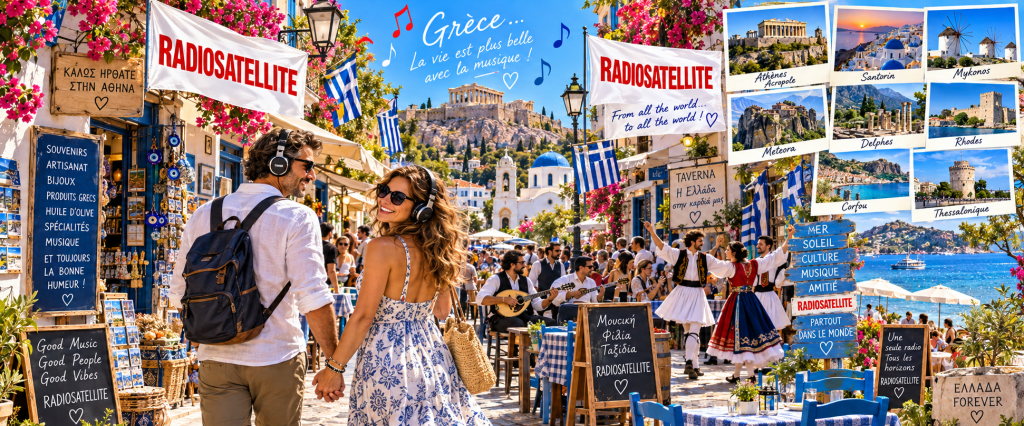
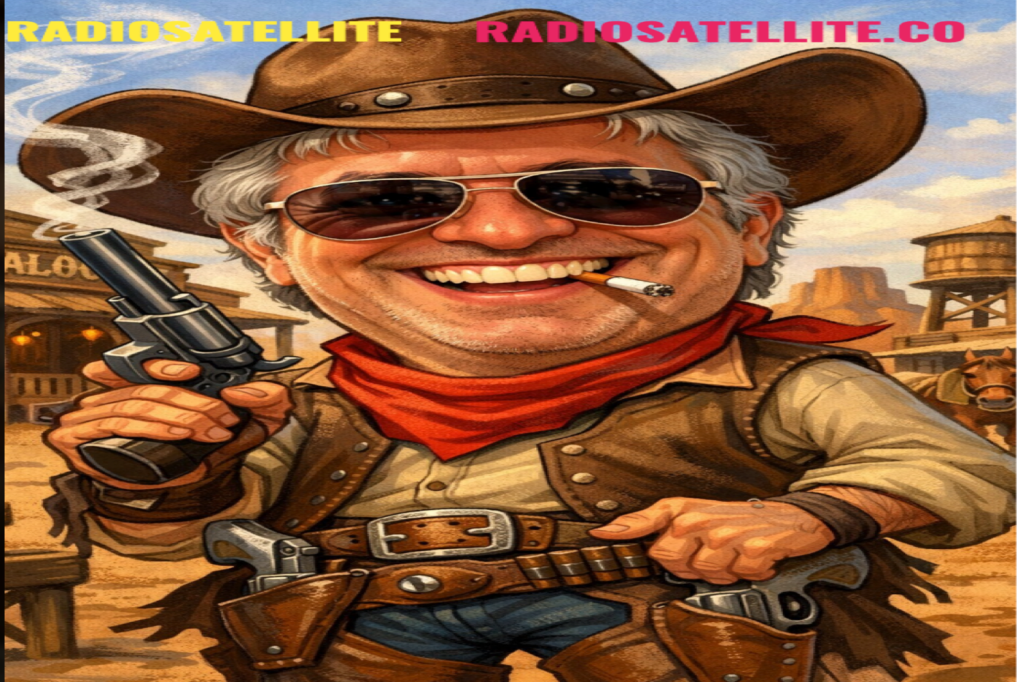
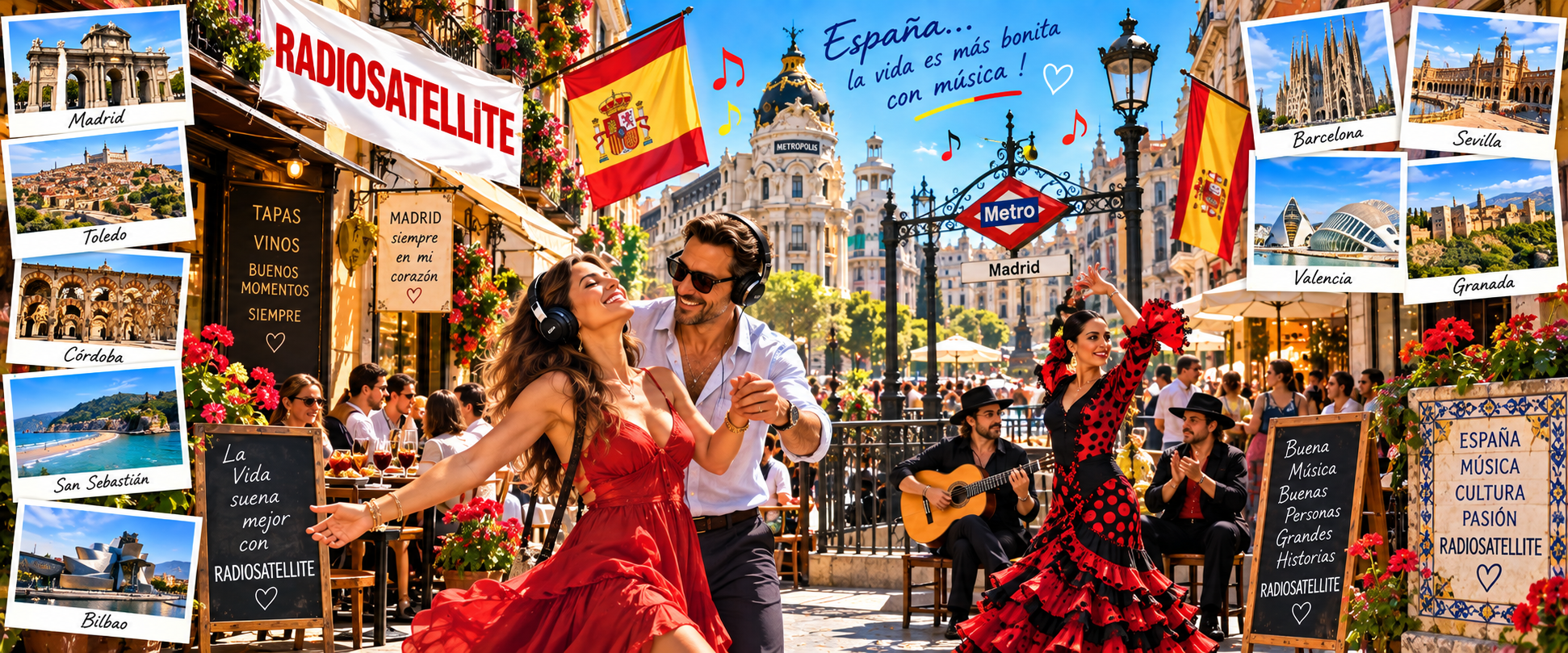
Independent music radio dedicated to instrumental and country sounds from around the world. Here, style matters more than language, and music travels across cultures
RadioSatellite et plus précisemment Pierre , vous proposent le dernier titre composé et interpreté par Pierre.
Il s’agit d’un voyage musical à travers certains pays. Des pays où nos auditeurs sont bien nombreux.
Par cette vidéo, nous leur faisons un “hello amical”
Ceci dit, il existe de très très nombreux autres pays où nos auditeurs / auditrices sont nombreux aussi.
très nombreux ; Que ce soit en Amérique du Nord ( USA / CANADA) ou en amérique du sud (Argentine, chili, vénézuela…)
Aussi dans les pays de l’EST notamment en RUSSIE, POLOGNE, ROUMANIE, HONGRIE ….
Sans oublier l’EUROPE , l’AFRIQUE et le MIDDLE EAST, La CHINE et le JAPON
Un “hello spécial” pour l’AUSTRALIE et la NOUVELLE ZEALANDE : Les pays de 2 animateurs de RADIOSATELLITE
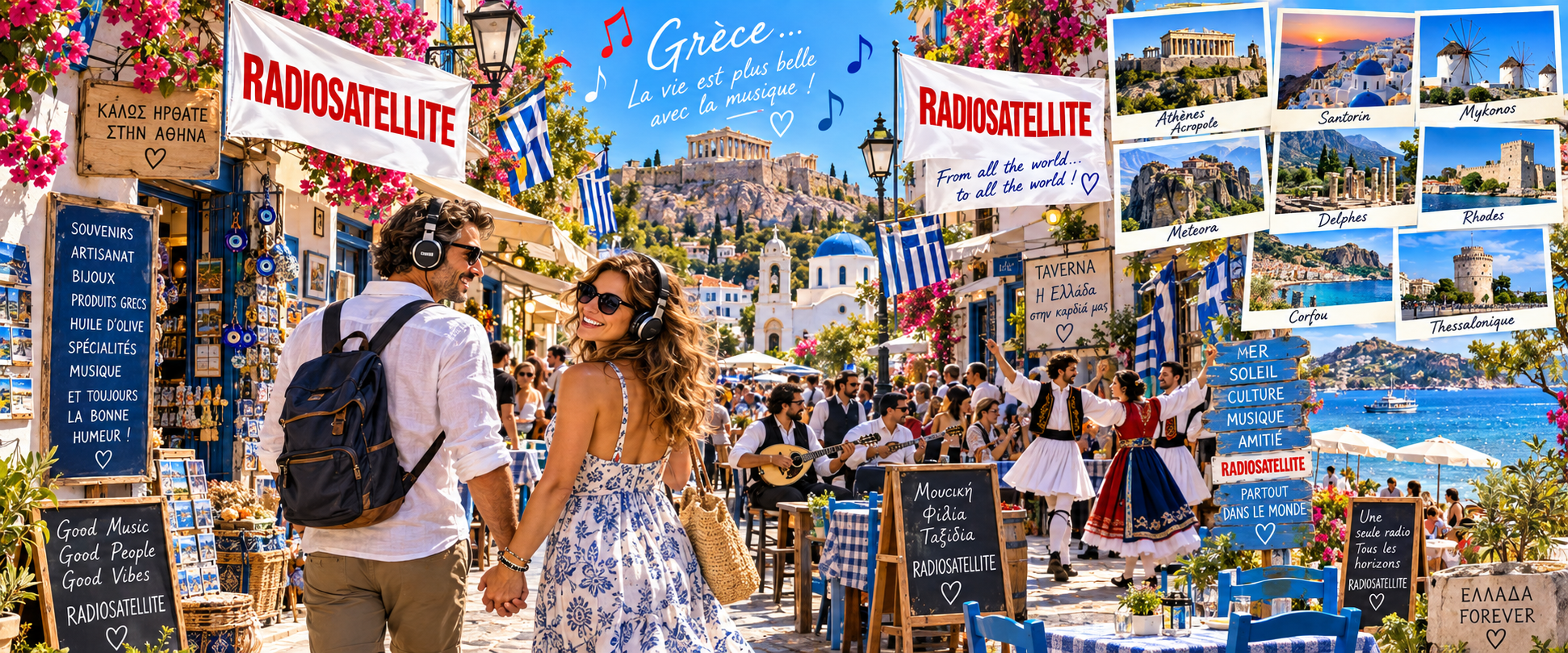
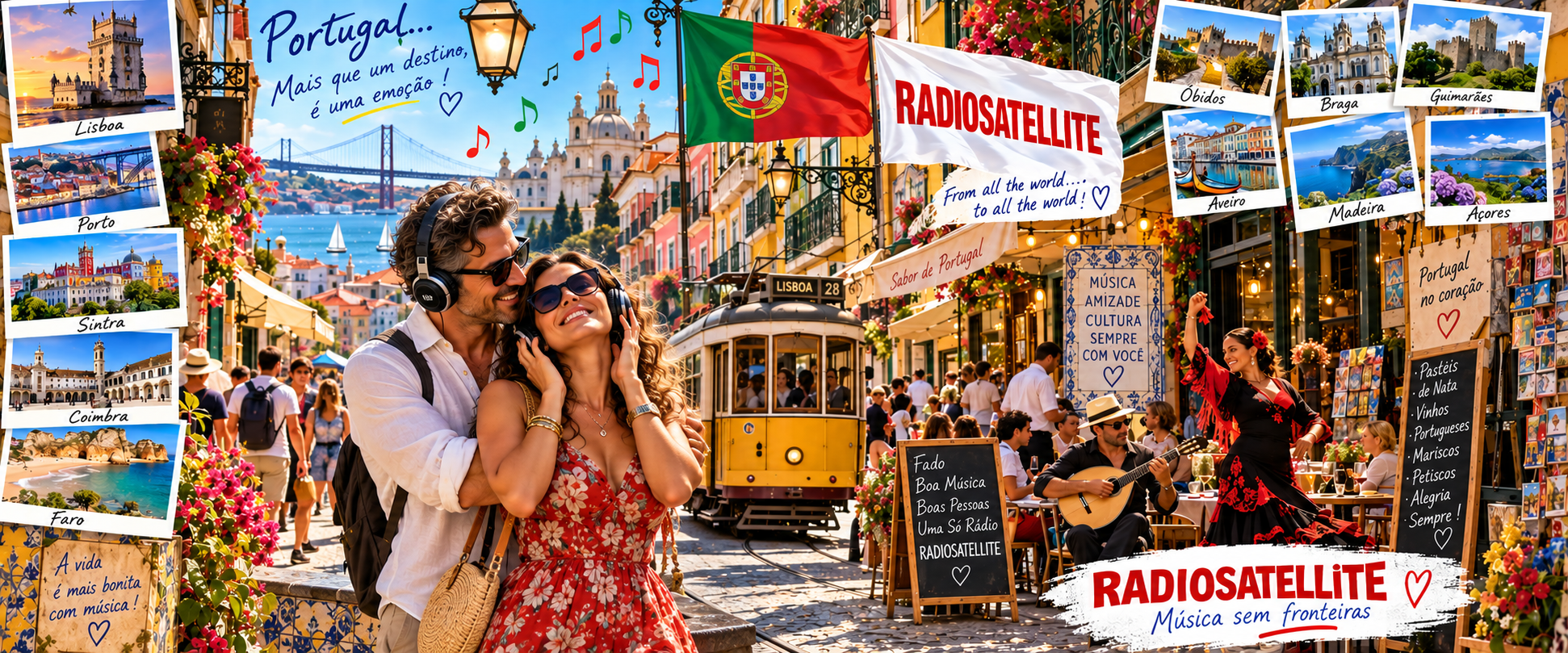
Dans cette vidéo et cette chanson nous avons cité : L’ITALIE, la GRECE , le PORTUGAL, l’ESPAGNE et le BRESIL faute de place aussi bien dans la chanson que sur la vidéo
En espérant que vous apprécierez
Amitiés de Pierre / et de l’équipe de RADIOSATELLITE
VIDEO
IN ENGLISH
RadioSatellite—and Pierre in particular—present the latest track composed and performed by Pierre
It is a musical journey through various countries—countries where we have a large number of listeners.
With this video, we are sending them a friendly “hello.”
In fact : there are many, many other countries where we also have a large listenership.
Whether in North America (USA/Canada) or South America (Argentina, Chile, Venezuela…);
Or in Eastern Europe—notably Russia, Poland, Romania, and Hungary…
Not forgetting Europe, Africa, the Middle East, China, and Japan.
A special “hello” to Australia and New Zealand—home to two of RadioSatellite’s hosts.
In this video and song, we mention Italy, Greece, Portugal, Spain, and Brazil—though space limitations in both the song and the video meant we couldn’t include them all.
We hope you will enjoy it.
Best regards from Pierre and the RadioSatellite team.
IN PORTUGUESE / BRAZILIAN
A RadioSatellite — e Pierre, em particular — apresenta a mais recente faixa composta e interpretada por Pierre.
É uma jornada musical por vários países — países onde temos um grande número de ouvintes.
Com este vídeo, enviamos a eles um “olá” cordial.
Dito isso, há muitos e muitos outros países onde também temos uma grande audiência.
Seja na América do Norte (EUA/Canadá) ou na América do Sul (Argentina, Chile, Venezuela…);
Ou no Leste Europeu — notadamente Rússia, Polônia, Romênia e Hungria…
Sem esquecer o restante da Europa, a África, o Oriente Médio, a China e o Japão.
Um “olá” especial para a Austrália e a Nova Zelândia — onde vivem dois dos apresentadores da RadioSatellite.
Neste vídeo e nesta música, mencionamos Itália, Grécia, Portugal, Espanha e Brasil — embora as limitações de espaço, tanto na música quanto no vídeo, tenham impedido que incluíssemos todos.
Esperamos que gostem.
Um abraço de Pierre e de toda a equipe da RadioSatellite.
IN SPANISH
RadioSatellite —y Pierre en particular— presenta el último tema compuesto e interpretado por Pierre.
Es un viaje musical a través de diversos países: países donde contamos con una gran audiencia.
Con este vídeo, les enviamos un cordial saludo.
Dicho esto, hay muchísimos otros países donde también tenemos una gran cantidad de oyentes.
Ya sea en América del Norte (EE. UU./Canadá) o en América del Sur (Argentina, Chile, Venezuela…);
O en Europa del Este, destacando Rusia, Polonia, Rumanía y Hungría…
Sin olvidar el resto de Europa, África, Oriente Medio, China y Japón.
Un saludo especial para Australia y Nueva Zelanda, lugares de residencia de dos de los locutores de RadioSatellite.
En este vídeo y en la canción mencionamos Italia, Grecia, Portugal, España y Brasil, aunque las limitaciones de espacio —tanto en la canción como en el vídeo— nos impidieron incluirlos a todos.
Esperamos que lo disfruten.
Un cordial saludo de parte de Pierre y del equipo de RadioSatellite.
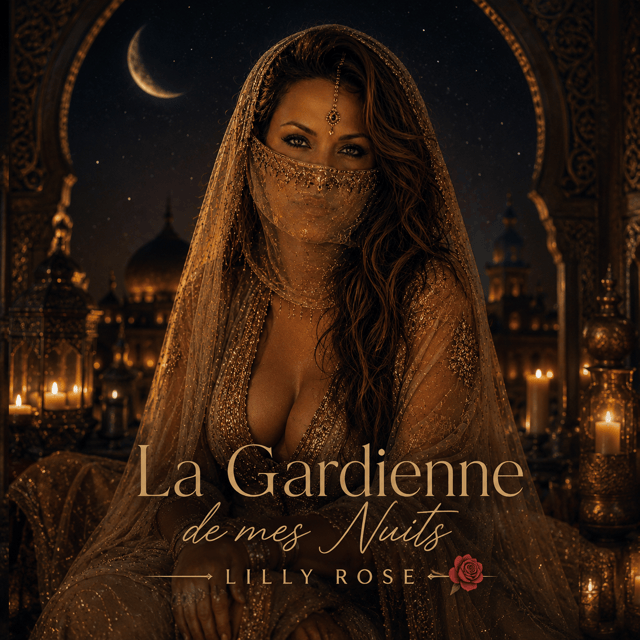
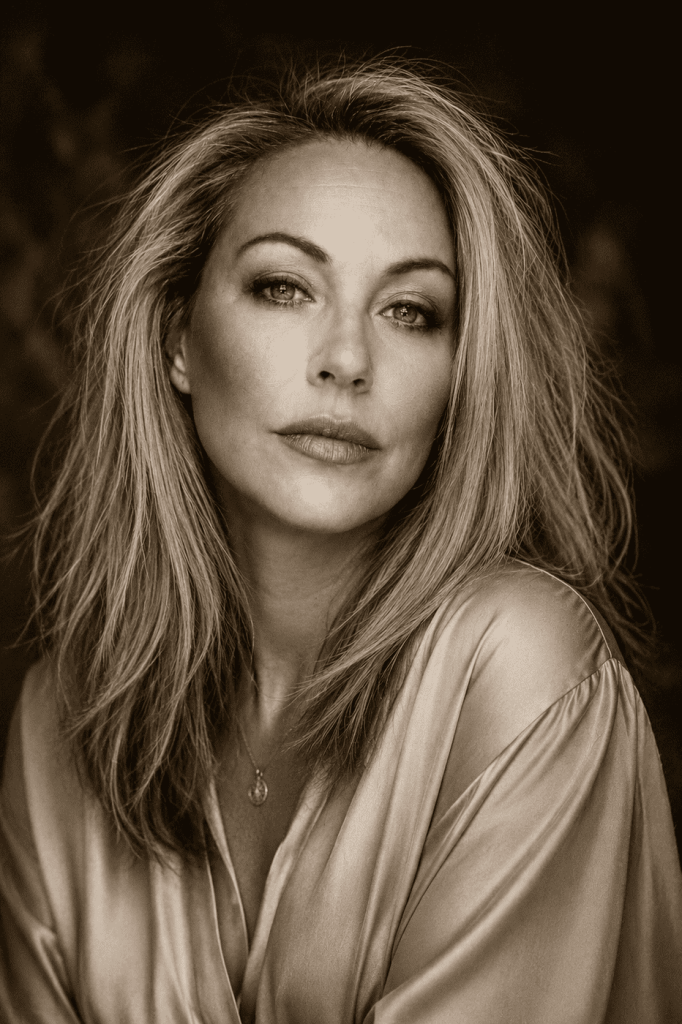
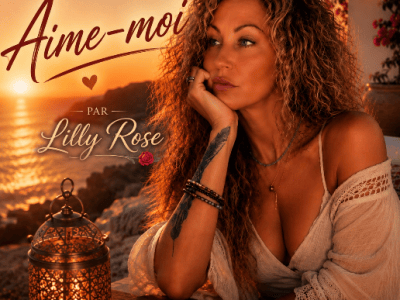
Lilly Desroses est une autrice et créatrice musicale française d’origine italienne, dont l’univers s’inscrit dans la variété française, enrichie d’influences venues du monde.
A travers ses chansons, elle explore l’amour, les blessures, les séparations, le désir, la liberté, la nostalgie et la reconstruction. Son écriture est profondément émotionnelle, portée par des histoires de vie, des rencontres et ces sentiments que l’on garde parfois trop longtemps en silence.
Son univers musical mêle la chanson française à des sonorités soul, latino, méditerranéennes, orientales, groove ou encore pop, selon les émotions et les histoires qu’elle souhaite raconter.
Romantique, sensible mais aussi profondément libre et rebelle, Lilly Desroses aime écrire là où les mots manquent. Elle prête parfois sa plume à des émotions que d’autres n’arrivent pas à exprimer, donnant naissance à des chansons intimes, sincères et universelles.
Pour elle, chaque chanson est une histoire, une cicatrice, un souvenir ou une rencontre transformée en musique.
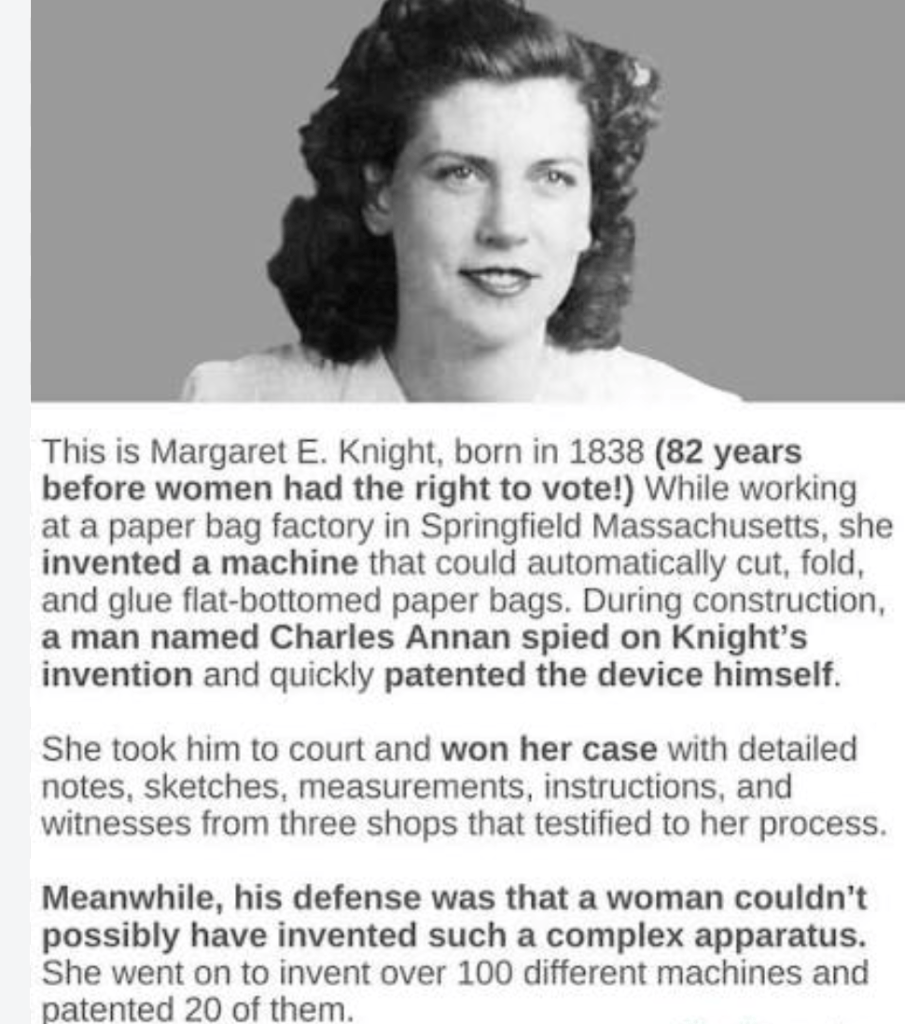
Une ouvrière apprend qu’un visiteur de l’atelier vient de déposer à son nom la machine qu’elle a mis deux ans à concevoir.
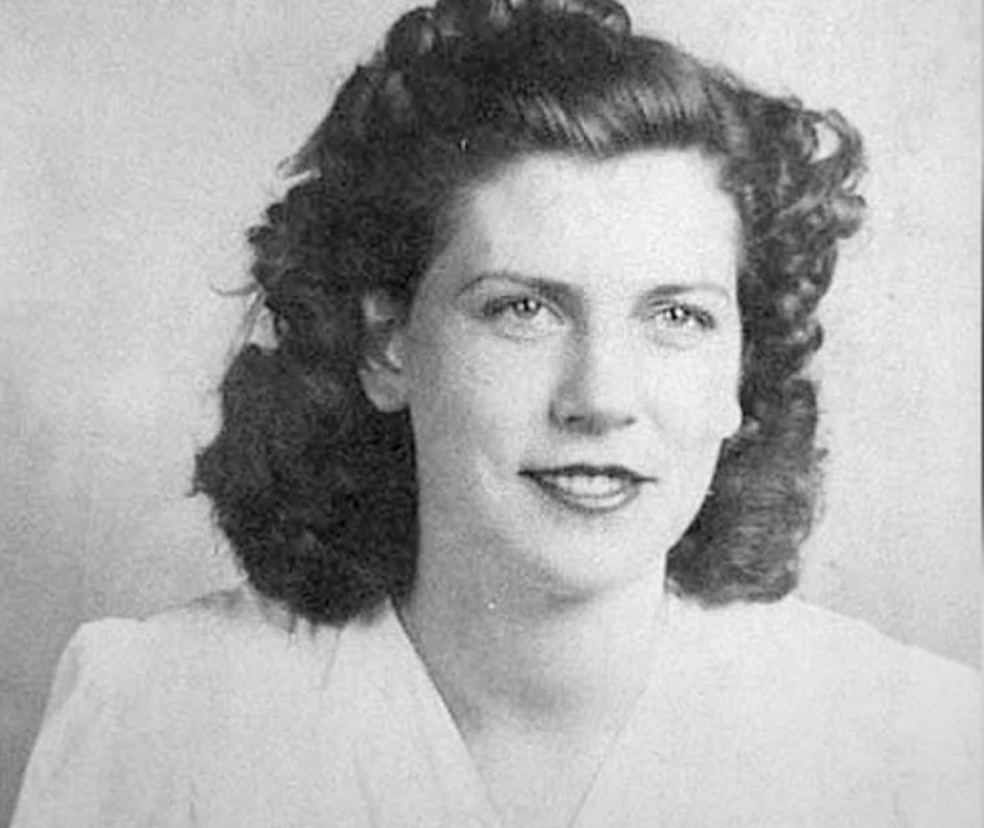
Elle s’appelle Margaret Knight.
Son père est mort quand elle était enfant. À douze ans, elle travaille dans une filature de coton, où un accident lui donne l’idée d’un dispositif de sécurité pour les métiers à tisser.
Vers 1867, elle est employée dans une fabrique de sacs en papier à Springfield, dans le Massachusetts.
Les sacs de l’époque sont plats, en forme d’enveloppe. Ils ne tiennent pas debout, et il faut deux mains pour les remplir.
Elle conçoit une machine qui coupe, plie et colle le papier pour produire un sac à fond plat. C’est le sac de courses qu’on connaît encore aujourd’hui.
Elle en construit un prototype en bois, puis fait fabriquer à Boston le modèle en fer exigé pour déposer un brevet.
Un machiniste nommé Charles Annan visite l’atelier. Il regarde le modèle.
Quelques semaines plus tard, il dépose le brevet.
Elle a le choix. Renoncer, ou engager une procédure qu’elle n’a pas les moyens de payer.
Elle engage la procédure. Elle paie de sa poche l’avocat et les dépositions.
Devant le tribunal des brevets, la défense d’Annan tient en une phrase : une femme ne pouvait pas comprendre la mécanique d’une machine pareille.
Elle apporte ses carnets, ses dessins, son journal et ses modèles, et fait témoigner sa logeuse, son employeur et le machiniste.
Le brevet lui est délivré en 1871.
Elle fonde sa propre société et dépose une vingtaine de brevets jusqu’à sa mort, en 1914.
Le principe de sa machine est encore celui des sacs en papier d’aujourd’hui
Sources YOUTUBE / FACEBOOK (Ceux qu’on a oubliés )…
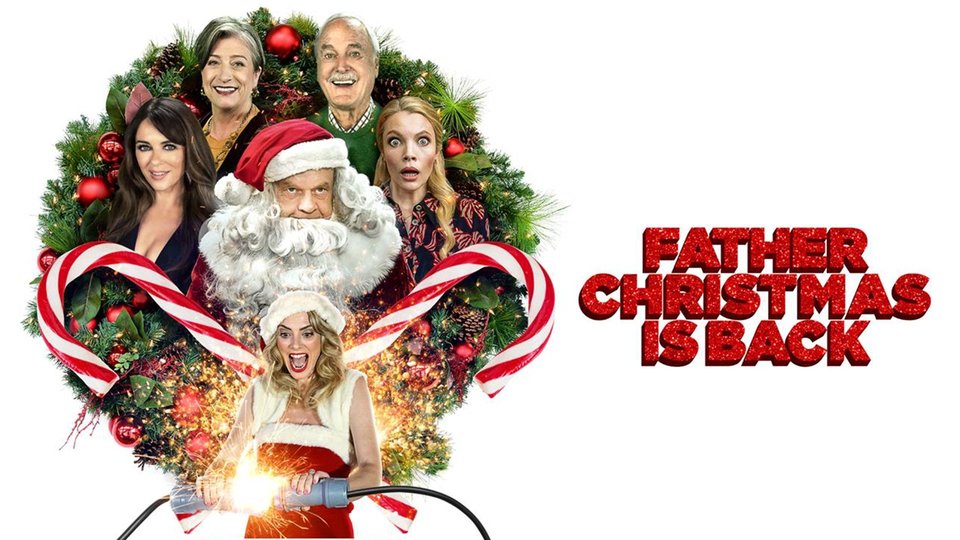
Quatre sœurs – Caroline, Joanna, Paulina et Vicky – se réunissent pour les vacances de Noël dans un manoir du Yorkshire.
Cependant, leur père, James, se joint à eux pour la première fois depuis qu’il a fui et qu’il a laissé sa famille 27 ans plus tôt.
Le groupe tente de passer noël malgré des malentendus comiques, malgré des quiproquos et surtout 4 filles aux caractères totalement différents ( pour ne pas dire aux antipodes) .
Les 4 filles ne se doutant pas qu’il existe un secret bien caché par leurs parents.
La fuite incompréhensible du père, 27 ans plus tôt en pleine période de Noël, aura laissé un impact et une désunion totale de ces 4 filles qui se sont détestées depuis que le père est parti.
Four sisters : Caroline, Joanna, Paulina, and Vicky – wants to celebrate Christmas Holiday in a Yorkshire mansion.
However, their father, James, joins them in for for the 01st time since he left his family 27 years before.
Lors d’une fête de fin d’année pour une classe primaire, Il a été organisé un show et danse. Les parents et amis de ces enfants étaient là pour voir leurs progénitures danser et jouer à la star. En fait, une seule personne, une petite fille a attiré l’attention de tous les parents.
Nous vous laissons visionner cette vidéo et la petite : Une prestation géniale et super marrante
Pinal Park est le plus grand “cimetiaire” des avions de lignes.
De nombreux avions à la retraite et n’ayant plus le droit de voler , ayant atteint le maximum d’heures de vol, sont garés dans ce grand parking en plein air.
Cependant, même si ces avions ne volent plus, ils restent encore “utiles” et “utilisés”.
Les pièces de rechanges étant démontées et réutilisées sur d’autres avions encore valides et en cours d’utilisation, partout dans le monde. Les hublots, les portes, les filtres etc… Tout est réutilisé.
Evidemment, réutilisation de ces pièces, si elles sont en bon état et validées par les organismes agrées.
Outre les pièces détachées, certains tournages de films ( genre action ) utilisent l’intérieur de ces avions L’intérieur étant déjà démantelé. Ce qui est utile lors d’un tournage de films d’attentat à la bombe ou de catastrophes naturelles. Les sièges et autres mobiliers de ces avions étant déjà détruits ou arrachés.
PINAL PARL est aussi un grand garage pour la réparation et l’entretien des avions en état de voler.
Ce n’est donc pas , uniquement, un parking de carcasses d’avions.
Nous vous laissons avec ces vidéos interessantes et assez parlantes.
Aircraft at Pinal Airpark (Photo: AirlineGeeks | Ryan Ewing)
Vidéos : Youtube Photo : Aircraft at Pinal Airpark (Photo: AirlineGeeks | Ryan Ewing)
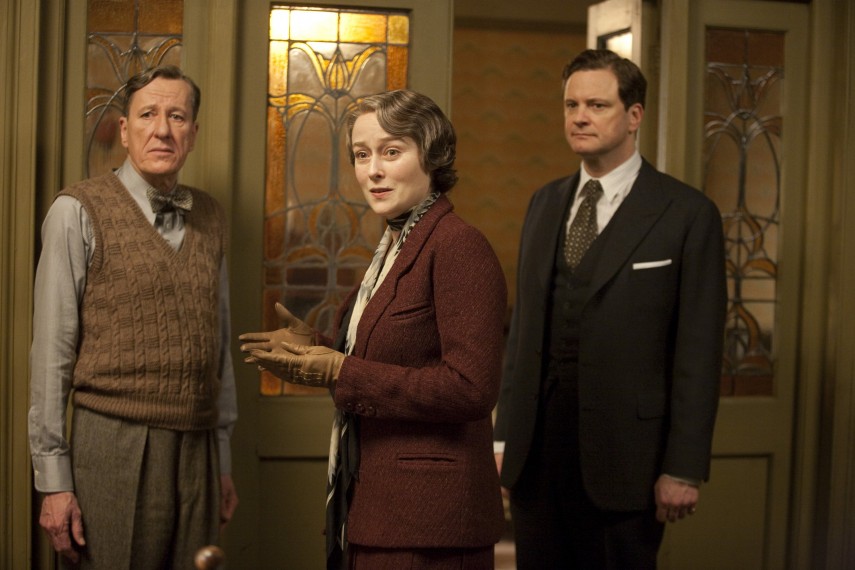
The King’s Speech is a 2010 British historical drama film directed by Tom Hooper and written by David Seidler. Colin Firth plays the future King George VI who, to cope with a stammer, sees Lionel Logue, an Australian speech and language therapist played by Geoffrey Rush. The men become friends as they work together, and after his brother abdicates the throne, the new king relies on Logue to help him make his first wartime radio broadcast upon Britain’s declaration of war on Germany in 1939.
Seidler read about George VI’s life after learning to manage a stuttering condition he developed during his own youth. He started writing about the relationship between the therapist and his royal patient as early as the 1980s, but at the request of the King’s widow, Queen Elizabeth The Queen Mother, postponed work until her death in 2002. He later rewrote his screenplay for the stage to focus on the essential relationship between the two protagonists. Nine weeks before filming began, Logue’s notebooks were discovered and quotations from them were incorporated into the script.
Principal photography took place in London and around Britain from November 2009 to January 2010. Hard light was used to give the story a greater resonance and wider-than-normal lenses were employed to recreate the Duke of York’s feelings of constriction. A third technique Hooper employed was the off-centre framing of characters.
The King’s Speech was a major box office and critical success. It was widely praised by film critics for its visual style, art direction, screenplay, directing, score, and acting. Other commentators discussed the film’s representation of historical detail, especially the reversal of Winston Churchill‘s opposition to abdication. The film received many awards and nominations, particularly for Colin Firth’s performance, which resulted in his first Oscar win for Best Actor. At the 83rd Academy Awards, The King’s Speech received 12 Oscar nominations, more than any other film in that year, and subsequently won four, including Best Picture. Censors initially gave it adult ratings due to profanity, though these were later revised downwards after criticism by the makers and distributors in the UK and some instances of swearing were muted in the US. On a budget of £8 million, it earned over £250 million internationally.
At the official closing of the British Empire Exhibition at Wembley Stadium, Prince Albert, Duke of York, the second son of King George V, addresses the crowd with a strong stammer. His search for treatment has been discouraging, but his wife, Elizabeth, persuades him to see the Australian-born Lionel Logue, a non-medically trained Harley Street speech defects therapist. “Bertie”, as he is called by his family, believes the first session is not going well, but Lionel, who insists that all his patients address him as such, has his potential client recite Hamlet‘s “To be, or not to be” soliloquy while hearing classical music played on a pair of headphones. Bertie is frustrated at the experiment but Lionel gives him the acetate recording that he has made of the reading as a souvenir.
After Bertie’s father, King George V, broadcasts his 1934 Royal Christmas Message, he explains to Bertie that the wireless will play a significant part in the role of the royal family, allowing them to enter the homes of the people, and that Bertie’s brother’s neglect of his responsibilities make training in it necessary. The attempt at reading the message himself is a failure, but that night Bertie plays the recording Lionel gave him and is astonished at the lack of stutter there. He therefore returns for daily treatments to overcome the physical and psychological roots of his speaking difficulty.
George V dies in 1936, and his eldest son David ascends the throne as King Edward VIII. A constitutional crisis arises with the new king over a prospective marriage with the twice-divorced American socialite Wallis Simpson. Edward, as the supreme governor of the Church of England, cannot marry her, even if she receives her second divorce, since both her previous husbands are alive.
At an unscheduled session, Bertie expresses his frustration that, while his speech has improved when speaking to most people, he still stammers when talking to David, at the same time revealing the extent of Edward VIII’s folly with Simpson. When Lionel insists that Bertie himself could make a good king, Bertie accuses Lionel of speaking treason and quits Lionel in anger. Bertie must now face the Accession Council without any assistance.
Bertie and Lionel only come together again after King Edward decides to abdicate in order to marry. Bertie, urged ahead by Prime Minister Stanley Baldwin, ascends the throne as King George VI and visits Lionel’s home with his wife before their coronation, much to the surprise of Mrs. Logue when she comes upon Queen Elizabeth having tea at her dining room table. This is the first time that she learns who her husband’s patient has been.
Bertie and Lionel’s relationship is questioned by the King’s advisors during the preparations for his coronation in Westminster Abbey. The archbishop of Canterbury, Cosmo Gordon Lang, brings to light that George never asked for advice from his advisors about his treatment and that Lionel has never had formal training. Lionel explains to an outraged Bertie that at the time he started with speech defects there were no formal qualifications and that the only known help that was available for returning Great War shell-shocked Australian soldiers was from personal experience. Bertie remains unconvinced until provoked to protest at Lionel’s disrespect for King Edward’s Chair and the Stone of Scone. Only at this pivotal moment, after realising he has just expressed himself without impairment, is Bertie able to rehearse with Lionel and complete the ceremony.
The King’s Speech
As the new king, Bertie is in a crisis when he must broadcast to Britain and the Empire following the declaration of war on Nazi Germany in 1939. Lionel is summoned to Buckingham Palace to prepare the king for his speech. Knowing the challenge that lies before him, Lang, Winston Churchill, and Prime Minister Neville Chamberlain are present to offer support. The King and Logue are then left in the broadcasting room. He delivers his speech with Logue conducting him, but by the end he is speaking freely. Preparing to leave the room for the congratulations of those present, Logue mentions to the King that he still has difficulty enunciating w and the King jokes back, “I had to throw in a few so they’d know it was me.”
As the Royal Family step onto the palace balcony and are applauded by the crowd, a title card explains that Logue, who received the Royal Victorian Order for service to the Crown, was always present at King George VI’s speeches during the war and that they remained friends until the King’s death from lung cancer in 1952.