Independent music radio dedicated to instrumental and country sounds from around the world. Here, style matters more than language, and music travels across cultures
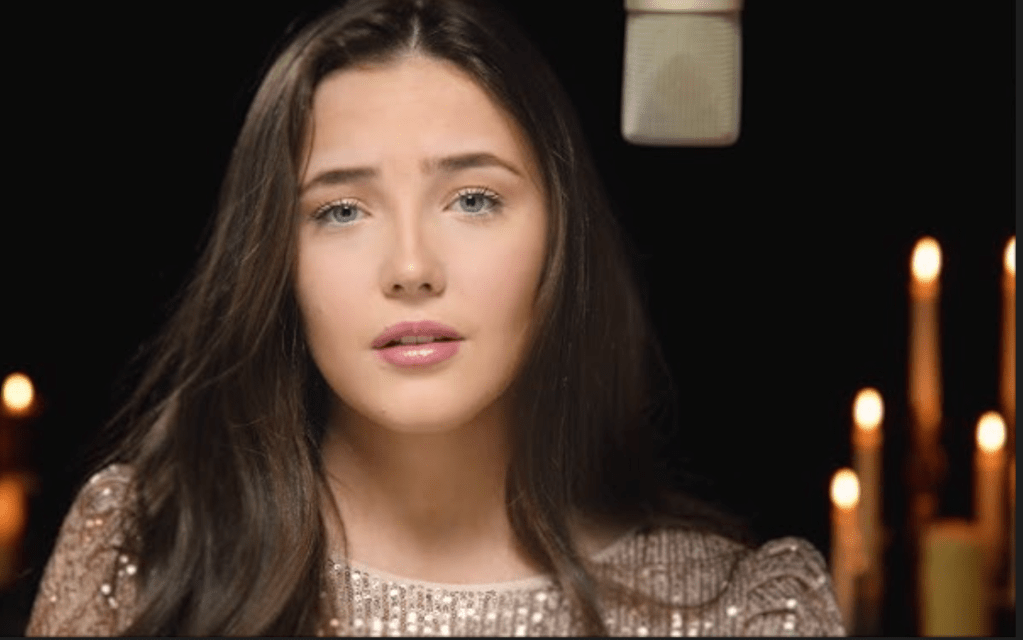
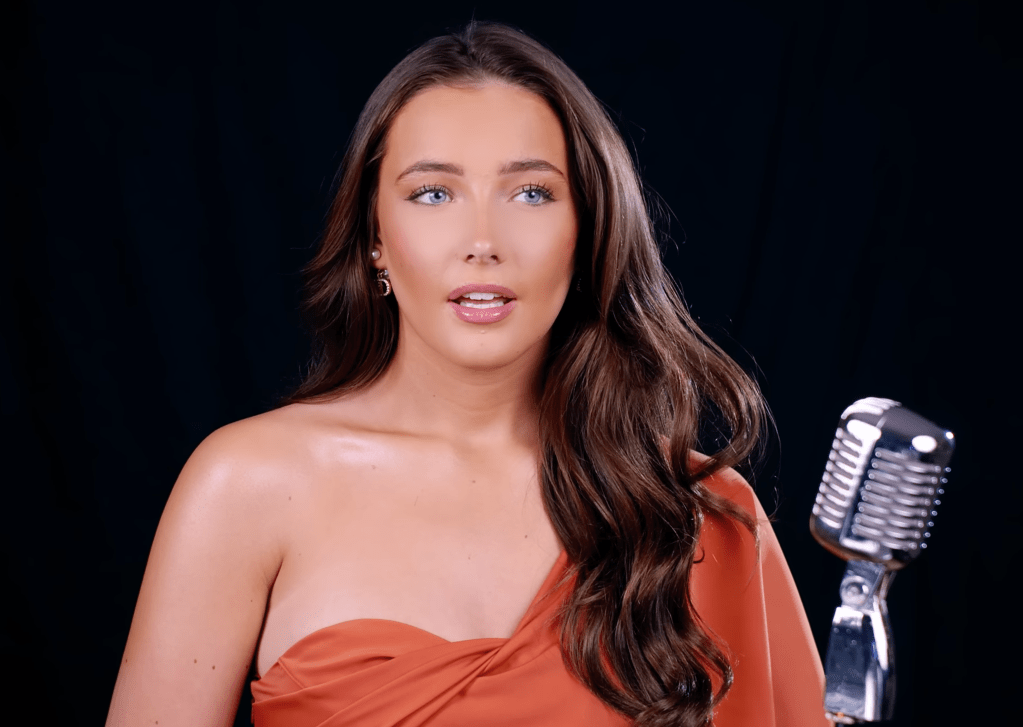
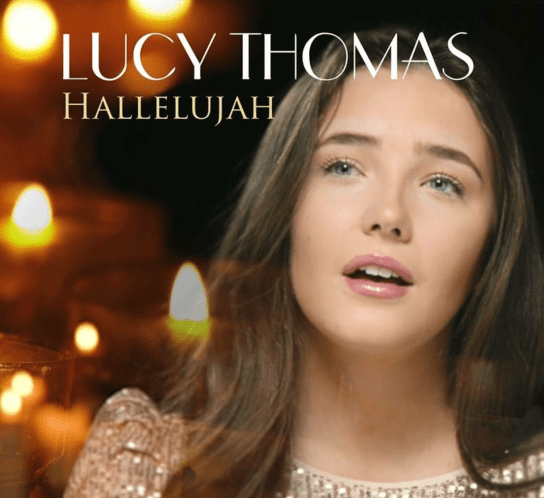
Lucy Thomas (born 21 February 2004) is a British singer from Wigan, Lancashire, England. She gained public recognition for her appearances on talent shows and has since released several albums, primarily in the classical pop, and musical theatre genres.
Lucy Thomas began singing at a young age, beginning formal lessons at seven years old. She was classically trained and developed a clear and powerful vocal style.
Her first major public appearance came in 2018 when, at the age of 13, she auditioned on the ITV talent show The Voice Kids UK. Later, at age 14, she reached the semi-finals of the show’s competition phase. She captivated the judges and audiences with her performances.[
Following her appearance on The Voice Kids, Lucy Thomas was offered a recording contract with Cavendish Records.
This led to the release of her debut album, Premiere, on 1 February 2019. Since then, Thomas’s discography has expanded rapidly, with a new album typically released each year.
Her music often features covers of popular songs, film themes, and Broadway hits, performed in a classical crossover style that showcases her vocal purity and emotional delivery. She has also released original material. Thomas’s vocal style is often described as pure, powerful, and captivating.
Her music blends elements of pop, classical crossover and musical theatre. She is known for her ability to convey emotion through her interpretations of well-known songs.
Premiere (2019
Encore (2020)
Timeless (2021)
Destiny (2022)
Beyond (2023)
Rosie The Musical – Original Studio Cast Recording (2024)
Portrait (2025)
LUCY THOMAS ON RADIOSATELLITELUCY THOMAS ON RADIOSATELLITE
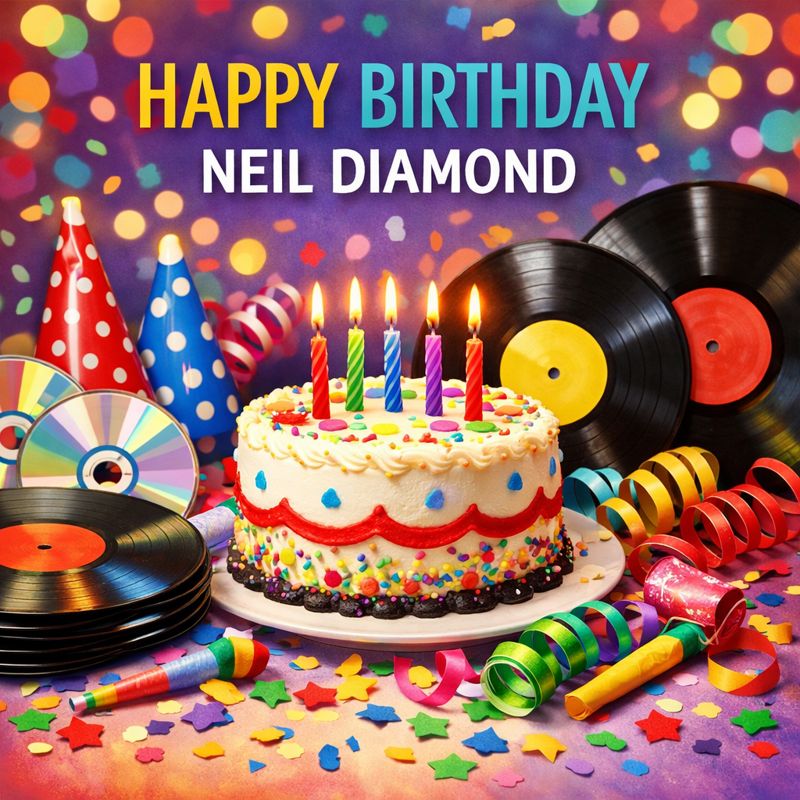
Ce 24 Janvier est la date d’anniversaire , date de naissance de NEIL DIAMOND
NEIL DIAMOND né le 24 JANVIER 1941 . La star mondiale célèbrera ses 85 ans. Star que nous apprécions .Nous aimons la musique de DIAMOND, ici, à RADIOSATELLITE.
Nous lui souhaitons un très joyeux anniversaire et une longue vie en bonne santé, de bonheur et de succès
Vous pouvez consulter cet article publié par RadioSatellite en 2023. Article consacré à NEIL DIAMOD ( voir le lien plus bas )
January 24th is the birthday of NEIL DIAMOND.
NEIL DIAMOND : born on January 24th, 1941. The star will celebrate his 85th birthday. We appreciate and love DIAMOND’S MUSIC , here, at RADIOSATELLITE.
We wish him a very happy birthday and a long life filled with good health, happiness, and success.
You can check this old and long article prepared and published ,in 2023, for NEIL DIAMOND
Vous pouvez écouter des chansons dans toutes les langues, du moment que la musique est top : Nous diffusons avec plaisir.
Nos souhaits pour l’année 2026 sont à notre image.
Une vidéo de souhaits pour la bonne année en plusieurs langues
Ne pouvant pas tout inclure dans cette vidéo, certaines langues ont été choisies, ce qui ne signifie pas que nos souhaits concernent uniquement les personnes qui parlent ces langues entendues sur la vidéo
Nos souhaits concernent tous nos auditeurs / toutes nos auditrices de TOUS LES PAYS SANS EXCEPTION
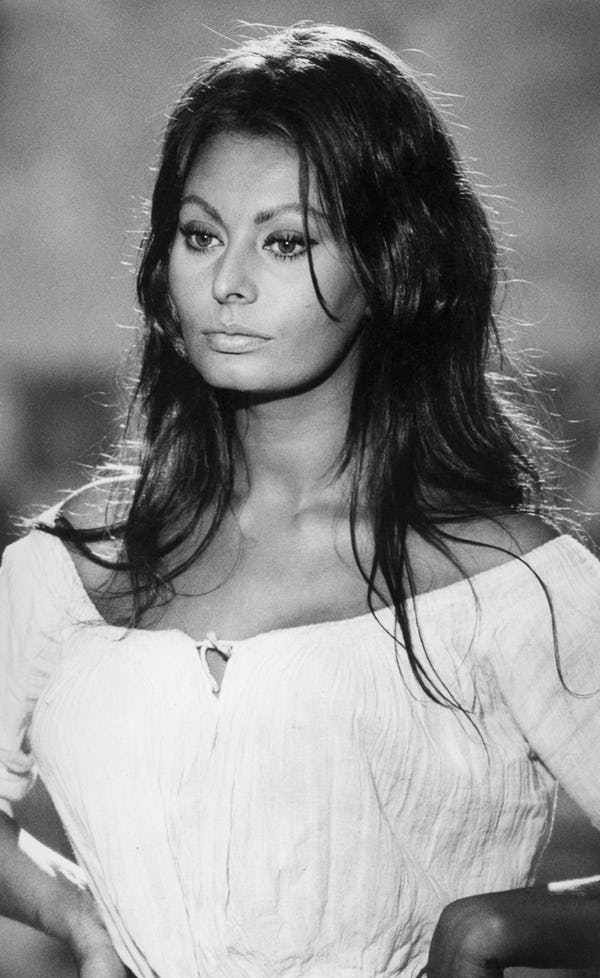
Sofia Villani Scicolone , Sophia Loren , est une actrice italienne née le 20 septembre 1934 à Rome.
Actrice parmi les plus importantes du cinéma italien, mondialement reconnue, elle a tourné dans de nombreux films depuis le début des années 1950.
Elle obtient ses plus grands rôles dans les années 1960 avec notamment le personnage dramatique de La ciociara ; son jeu est couronné par le prix d’interprétation féminine au Festival de Cannes, un Ours d’or d’honneur à la Berlinale, un BAFTA, un Oscar de la meilleure actrice, onze David di Donatello et quatre Rubans d’argent.
Dans Hier, aujourd’hui et demain, son striptease devant Marcello Mastroianni est une des plus célèbres scènes du genre dans l’histoire du cinéma.
Sophia Loren
Sophia Loren
Sofia Scicolone est la fille illégitime de l’ingénieur en bâtiment et homme d’affaires, Riccardo Scicolone et de Romilda Villani, professeur de piano et sosie de l’actrice Greta Garbo. Elle passe une enfance et une jeunesse difficiles à Pouzzoles, à une quinzaine de kilomètres de Naples, avec sa mère, sa grand-mère Luisa et sa sœur Anna Maria, née quatre ans après elle.
Scicolone refuse en effet d’épouser la mère de Sofia et d’Anna Maria et n’apporte aucun soutien financier à sa famille illégitime. Sofia n’a ensuite rencontré son père que trois fois dans sa vie : à l’âge de 5 ans, de 17 ans et de 42 ans alors qu’il était mourant.
Elle déclare qu’elle lui a pardonné mais n’a jamais oublié l’abandon de sa mère, restée seule avec ses deux filles. Sofia a par son père deux demi-frères, Giuliano et Giuseppe, plus jeunes qu’elle également.
Pendant la Seconde Guerre mondiale, le port de Pouzzoles et son usine de munitions sont souvent bombardés par les Alliés. Pendant un raid, alors qu’elle court vers un abri, la petite Sofia est blessée au menton par un éclat de bombe.
Après cela, la famille décide de déménager à Naples et est hébergée par des parents. La guerre finie, elle retourne à Pouzzoles. Luisa, la grand-mère, ouvre alors un bar dans leur salle de séjour où elle sert de la liqueur faite maison : Romilda, la mère, joue du piano, la sœur Anna Maria chante et Sofia s’occupe des tables et fait la vaisselle. L’endroit devient fréquenté par les G.I. dont le casernement est proche
Enfant, Sofia n’est pas attirée par le monde du spectacle, et se destine au métier de professeur d’anglais. Néanmoins fortement encouragée par sa mère, à l’âge de 16 ans, elle est l’une des quatre représentantes de la région du Latium au concours de beauté Miss Italie, à l’époque appelé Mille lire per un sorriso (Mille lires pour un sourire) ; elle s’y classe deuxième, mais le jury, impressionné par la beauté, la grâce et la sensualité que dégage l’adolescente, crée pour elle le prix de Miss Élégance, prix que, depuis, toutes les aspirantes au titre de Miss Italie convoitent également.
Elle gagne une certaine réputation en figurant dans des romans-photos (genre populaire à l’époque) sous le pseudonyme de Sofia Lazzaro et obtient de petits rôles dans des films, où elle apparaît parfois seins nus comme dans Quelles drôles de nuits en 1951 ou dans Deux nuits avec Cléopâtre en 1953, alors qu’elle n’a que 16 ans pour le premier et 18 pour le second.
Ces apparitions sont remarquées en France mais pas en Italie où la censure, toujours vigilante, les a supprimées.
Ces films sont depuis extrêmement recherchés par les fans de la star, en raison de leur rareté. Une photo de Sophia Loren seins nus, tirée de Quelles drôles de nuits, est reproduite en 1957 dans le magazine américain Playboy alors que l’actrice est déjà connue. Elle ne s’est jamais remontrée partiellement nue ensuite, arguant du fait qu’elle ne se sentait pas à l’aise dans ces conditions et que « Sophia Loren nue, ça représente beaucoup de nudité
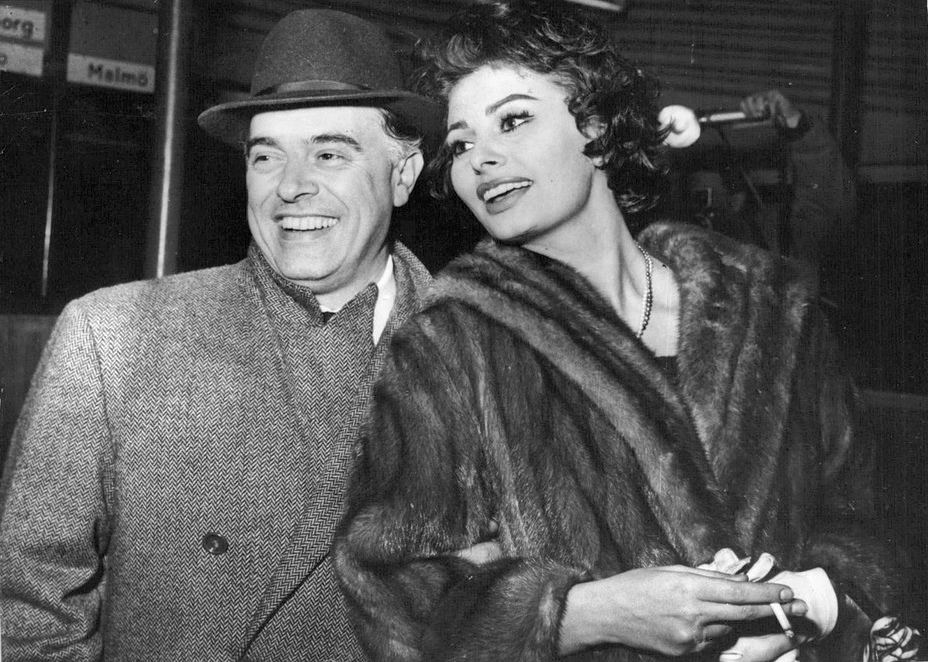
En 1952, sur le tournage de Sous les mers d’Afrique de Giovanni Roccardi, Sofia Scicolone, alias Sofia Lazzaro, est rebaptisée « Sophia Loren » par le producteur Goffredo Lombardo. Le producteur Carlo Ponti, qu’elle va épouser plus tard bien qu’il soit son aîné de vingt-deux ans, lui fait alors signer un contrat d’une durée de sept ans.
Rapidement, sa provocante et explosive beauté, sa grâce et ses qualités de comédienne donnent à Sophia Loren une renommée internationale. En 1955, elle fait la couverture de Life alors que Carlo Ponti envisage pour elle une carrière internationale.
Le succès de La ciociara la ramène devant les caméras italiennes et plus précisément celles de Vittorio De Sica. Elle tourne sous sa direction Boccace 70 (Boccaccio ’70) et Les Séquestrés d’Altona (I Sequestrati di Altona) en 1962, Hier, aujourd’hui et demain (Ieri, oggi, domani) en 1963 où son porte-jarretelles noir fait tourner les têtes, Mariage à l’italienne (Matrimonio all’italiana) en 1964. Un peu plus tard, ce sont Les Fleurs du soleil (I Girasoli) en 1970 et Le Voyage (Il Viaggio) en 1974. Il la dirige dans huit films en tout, dont six où il apparaît en tant qu’acteur à ses côtés.
Marcello Mastroianni est aussi le partenaire fidèle de l’actrice dans une douzaine de films.
En 1977, Une journée particulière (Una Giornata particolare) d’Ettore Scola, est le dernier grand rôle de sa carrière. Elle revient en 1984 dans Aurora (Qualcosa di biondo) de Maurizio Ponzi, avec son jeune fils Edoardo Ponti.
À partir de 1984, les récompenses qu’elle reçoit sont des prix en hommage à sa carrière : oscar d’honneur, David di Donatello spécial, et autres Golden Globes de remerciement. En 1991, la République française la fait chevalier de la Légion d’honneur.
En 2007, un documentaire sur sa vie intitulé Sophia : hier, aujourd’hui et demain (Sofía : Ieri, oggi, domani) est réalisé par Massimo Ferrari. Le documentaire contient des interviews exclusives de l’actrice ainsi que celles de figures célèbres du cinéma international comme Woody Allen, Ettore Scola, Claude Chabrol, Lina Wertmüller et Maria Grazia Cucinotta.
En juillet 2006, elle pose pour la 33e édition du calendrier Pirelli et devient, à 71 ans, le modèle le plus âgé qui figure dans ce célèbre calendrier.
En 2010, elle interprète le rôle de sa propre mère, Romilda Villani, dans La mia casa è piena di specchi, une mini-série de la chaîne italienne Rai Uno, inspirée du livre écrit par sa sœur Anna Maria Scicolone.
L’histoire retrace la propre vie de Sophia Loren, de ses débuts difficiles dans le cinéma jusqu’à la gloire. La série enregistre des records d’audience.
En 2020, à 86 ans, elle tient le rôle de Mme Rosa dans La Vie devant soi, film inspiré du roman de Romain Gary, réalisé par son fils Edoardo Ponti durant la pandémie de Covid-19, dans la région des Pouilles au sud de l’Italie.
Sophia Loren est l’égérie de la compagnie MSC Croisières et baptise tous leurs nouveaux paquebots, dont le dernier en date le MSC Meraviglia en juin 2017 au Havre, alors qu’elle est âgée de près de 83 ans.
Sophia Loren est catholique. Elle habite principalement à Genève en Suisse depuis fin 2006. Elle possède aussi une maison à Naples et à Rome.
Sophia Loren et Cary Grant partagent la vedette du film La Péniche du bonheur. L’épouse d’alors de Grant, Betsy Drake, en a écrit le scénario original et Grant souhaitait initialement que son épouse partage l’affiche avec lui. Mais, au cours du tournage du film précédent en 1957, Orgueil et Passion, une liaison était née entre Loren et Grant, et ce dernier s’était alors arrangé pour que Loren prenne la place de Drake dans le film suivant (La Péniche du bonheur), avec un scénario réécrit ne faisant plus référence à celui de Betsy Drake, son épouse. Néanmoins, la liaison entre Grant et Loren s’est terminée avant la fin du tournage d’Orgueil et Passion, créant des problèmes sur le plateau du film suivant. Grant espèrait pouvoir reprendre sa liaison avec Loren mais celle-ci a préfèré accepter la demande en mariage de Carlo Ponti.
Sofia Villani Scicolone rencontre pour la première fois le producteur de cinéma italien Carlo Ponti (1912-2007) en 1950, alors qu’elle n’a que 16 ans et lui 37 : il est occasionnellement dans des jurys de concours de beauté ; il n’a ensuite cessé de guider le début de carrière de l’adolescente, puis de jeune femme, qui devient actrice.
Elle apparaît dans près d’une vingtaine de films au début des années 1950. L’ami de Ponti, Goffredo Lombardo, qui dirige la société de production Titanus, engage en 1952 la jeune Sofia dans Sous les mers d’Afrique et lui trouve le pseudonyme de « Sophia Loren ».
Carlo Ponti, qui est marié à Giuliana, et Sophia Loren finissent par se fréquenter dans le plus grand secret.
Elle devient une vedette internationale. Sept ans après sa première rencontre avec Loren, Ponti obtient un divorce au Mexique , séparé ainsi de sa première épouse, il se marie avec Loren par procuration, toujours au Mexique le 17 septembre 1957 : deux avocats les représentent.
Mais ce mariage est annulé en Italie en raison du non-enregistrement du divorce de Carlo Ponti d’avec Giuliana. Ponti et Loren continuent à vivre ensemble, mais ils sont dans l’illégalité dans leur propre pays, l’Italie, où les lois sont encore largement dictées par la tradition catholique : ils demandent la nationalité française, ce qui leur est accordé par le Premier ministre français de l’époque, Georges Pompidou. En 1965, Ponti régularise son divorce en France et peut cette fois épouser Loren dans les formes, le 9 avril 1966, soit près de neuf ans après le premier mariage annulé.
Le couple aura deux fils : Carlo Jr. né en 1968, et Edoardo né en 1973.
Sophia Loren restera mariée à Carlo Ponti jusqu’à sa mort, 10 janvier 2007, d’une infection pulmonaire
Sophia Loren
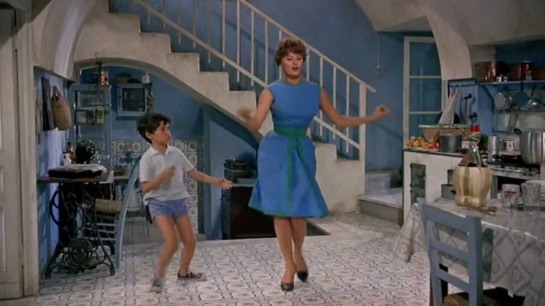
Marietto and Sophia Loren
ClarK Gable Sophia Loren in “It started in Naples”
Sources : Wikipedia / Pinterest / YouTube / Divers
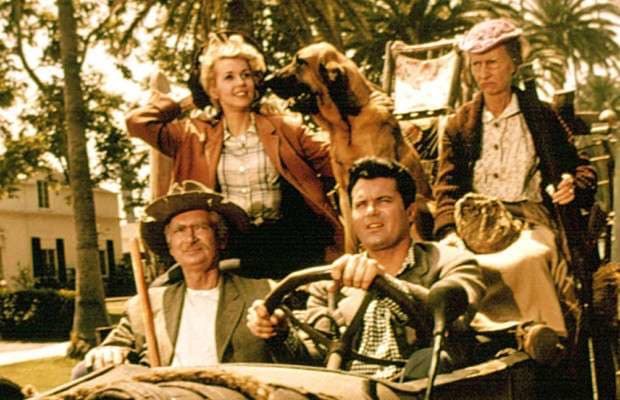
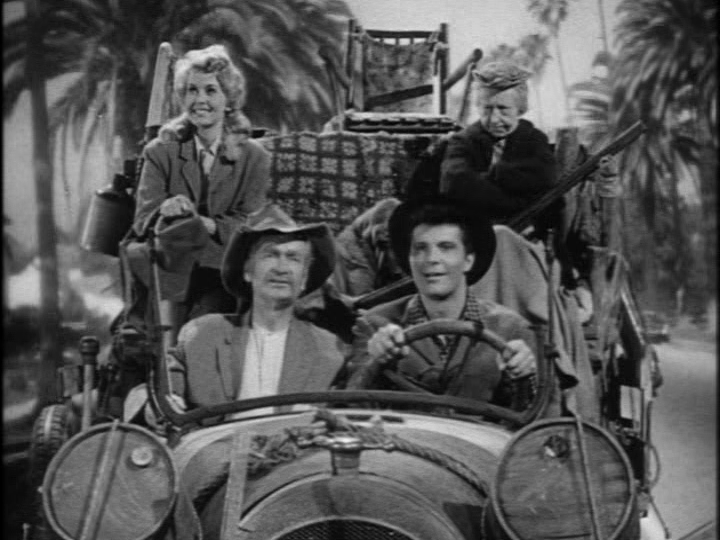
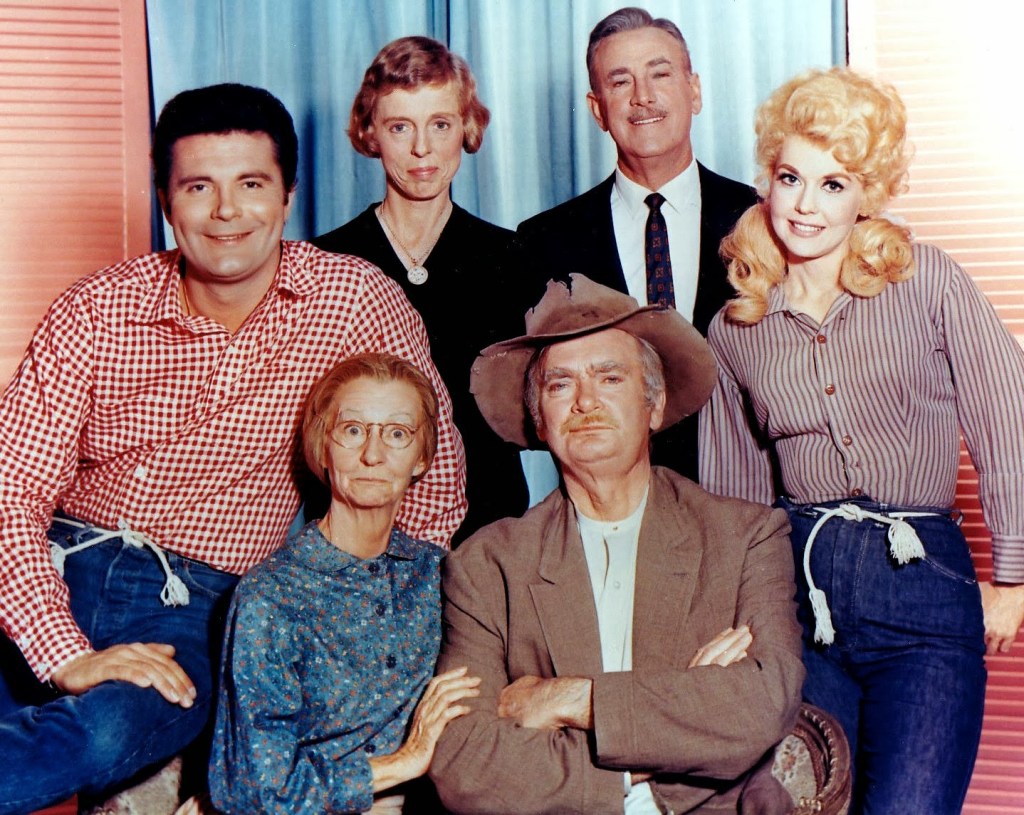
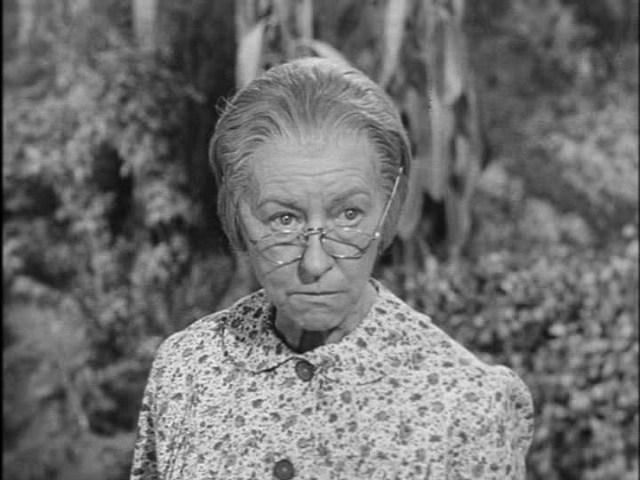
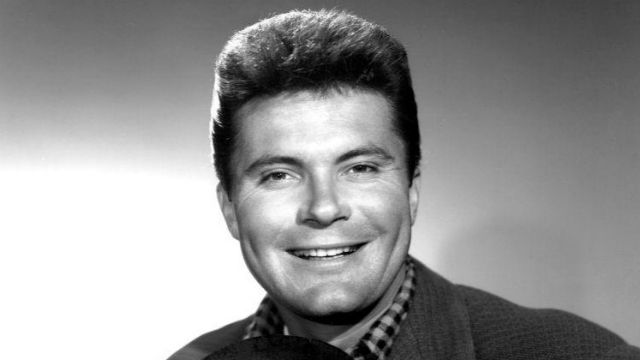
The Beverly Hillbillies is an American television sitcom that was broadcast on CBS from 1962 to 1971. It had an ensemble cast featuring Buddy Ebsen, Irene Ryan, Donna Douglas, and Max Baer Jr. as the Clampetts, a poor, backwoods family from the hills of the Ozarks, who move to posh Beverly Hills, California, after striking oil on their land.
The show was produced by Filmways and was created by Paul Henning. It was followed by two other Henning-inspired “country cousin” series on CBS: Petticoat Junction and its spin-off Green Acres, which reversed the rags-to-riches, country-to-city model of The Beverly Hillbillies.
The Beverly Hillbillies ranked among the top 20 most-watched programs on television for eight of its nine seasons, ranking as the No. 1 series of the year during its first two seasons, with 16 episodes that still remain among the 100 most-watched television episodes in American history. It accumulated seven Emmy nominations during its run. It remains in syndicated reruns, and its ongoing popularity spawned a 1993 film adaptation by 20th Century Fox.
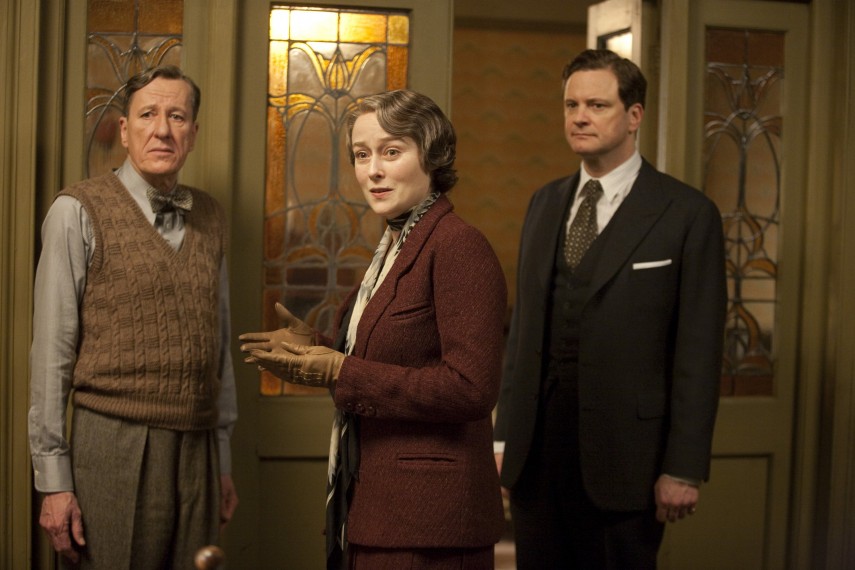
The King’s Speech is a 2010 British historical drama film directed by Tom Hooper and written by David Seidler. Colin Firth plays the future King George VI who, to cope with a stammer, sees Lionel Logue, an Australian speech and language therapist played by Geoffrey Rush. The men become friends as they work together, and after his brother abdicates the throne, the new king relies on Logue to help him make his first wartime radio broadcast upon Britain’s declaration of war on Germany in 1939.
Seidler read about George VI’s life after learning to manage a stuttering condition he developed during his own youth. He started writing about the relationship between the therapist and his royal patient as early as the 1980s, but at the request of the King’s widow, Queen Elizabeth The Queen Mother, postponed work until her death in 2002. He later rewrote his screenplay for the stage to focus on the essential relationship between the two protagonists. Nine weeks before filming began, Logue’s notebooks were discovered and quotations from them were incorporated into the script.
Principal photography took place in London and around Britain from November 2009 to January 2010. Hard light was used to give the story a greater resonance and wider-than-normal lenses were employed to recreate the Duke of York’s feelings of constriction. A third technique Hooper employed was the off-centre framing of characters.
The King’s Speech was a major box office and critical success. It was widely praised by film critics for its visual style, art direction, screenplay, directing, score, and acting. Other commentators discussed the film’s representation of historical detail, especially the reversal of Winston Churchill‘s opposition to abdication. The film received many awards and nominations, particularly for Colin Firth’s performance, which resulted in his first Oscar win for Best Actor. At the 83rd Academy Awards, The King’s Speech received 12 Oscar nominations, more than any other film in that year, and subsequently won four, including Best Picture. Censors initially gave it adult ratings due to profanity, though these were later revised downwards after criticism by the makers and distributors in the UK and some instances of swearing were muted in the US. On a budget of £8 million, it earned over £250 million internationally.
At the official closing of the British Empire Exhibition at Wembley Stadium, Prince Albert, Duke of York, the second son of King George V, addresses the crowd with a strong stammer. His search for treatment has been discouraging, but his wife, Elizabeth, persuades him to see the Australian-born Lionel Logue, a non-medically trained Harley Street speech defects therapist. “Bertie”, as he is called by his family, believes the first session is not going well, but Lionel, who insists that all his patients address him as such, has his potential client recite Hamlet‘s “To be, or not to be” soliloquy while hearing classical music played on a pair of headphones. Bertie is frustrated at the experiment but Lionel gives him the acetate recording that he has made of the reading as a souvenir.
After Bertie’s father, King George V, broadcasts his 1934 Royal Christmas Message, he explains to Bertie that the wireless will play a significant part in the role of the royal family, allowing them to enter the homes of the people, and that Bertie’s brother’s neglect of his responsibilities make training in it necessary. The attempt at reading the message himself is a failure, but that night Bertie plays the recording Lionel gave him and is astonished at the lack of stutter there. He therefore returns for daily treatments to overcome the physical and psychological roots of his speaking difficulty.
George V dies in 1936, and his eldest son David ascends the throne as King Edward VIII. A constitutional crisis arises with the new king over a prospective marriage with the twice-divorced American socialite Wallis Simpson. Edward, as the supreme governor of the Church of England, cannot marry her, even if she receives her second divorce, since both her previous husbands are alive.
At an unscheduled session, Bertie expresses his frustration that, while his speech has improved when speaking to most people, he still stammers when talking to David, at the same time revealing the extent of Edward VIII’s folly with Simpson. When Lionel insists that Bertie himself could make a good king, Bertie accuses Lionel of speaking treason and quits Lionel in anger. Bertie must now face the Accession Council without any assistance.
Bertie and Lionel only come together again after King Edward decides to abdicate in order to marry. Bertie, urged ahead by Prime Minister Stanley Baldwin, ascends the throne as King George VI and visits Lionel’s home with his wife before their coronation, much to the surprise of Mrs. Logue when she comes upon Queen Elizabeth having tea at her dining room table. This is the first time that she learns who her husband’s patient has been.
Bertie and Lionel’s relationship is questioned by the King’s advisors during the preparations for his coronation in Westminster Abbey. The archbishop of Canterbury, Cosmo Gordon Lang, brings to light that George never asked for advice from his advisors about his treatment and that Lionel has never had formal training. Lionel explains to an outraged Bertie that at the time he started with speech defects there were no formal qualifications and that the only known help that was available for returning Great War shell-shocked Australian soldiers was from personal experience. Bertie remains unconvinced until provoked to protest at Lionel’s disrespect for King Edward’s Chair and the Stone of Scone. Only at this pivotal moment, after realising he has just expressed himself without impairment, is Bertie able to rehearse with Lionel and complete the ceremony.
The King’s Speech
As the new king, Bertie is in a crisis when he must broadcast to Britain and the Empire following the declaration of war on Nazi Germany in 1939. Lionel is summoned to Buckingham Palace to prepare the king for his speech. Knowing the challenge that lies before him, Lang, Winston Churchill, and Prime Minister Neville Chamberlain are present to offer support. The King and Logue are then left in the broadcasting room. He delivers his speech with Logue conducting him, but by the end he is speaking freely. Preparing to leave the room for the congratulations of those present, Logue mentions to the King that he still has difficulty enunciating w and the King jokes back, “I had to throw in a few so they’d know it was me.”
As the Royal Family step onto the palace balcony and are applauded by the crowd, a title card explains that Logue, who received the Royal Victorian Order for service to the Crown, was always present at King George VI’s speeches during the war and that they remained friends until the King’s death from lung cancer in 1952.










































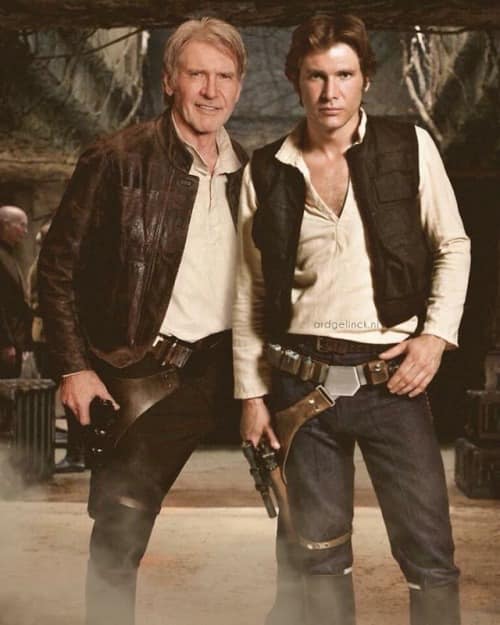
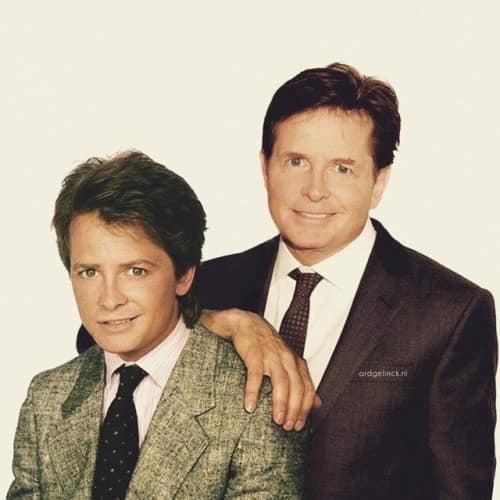
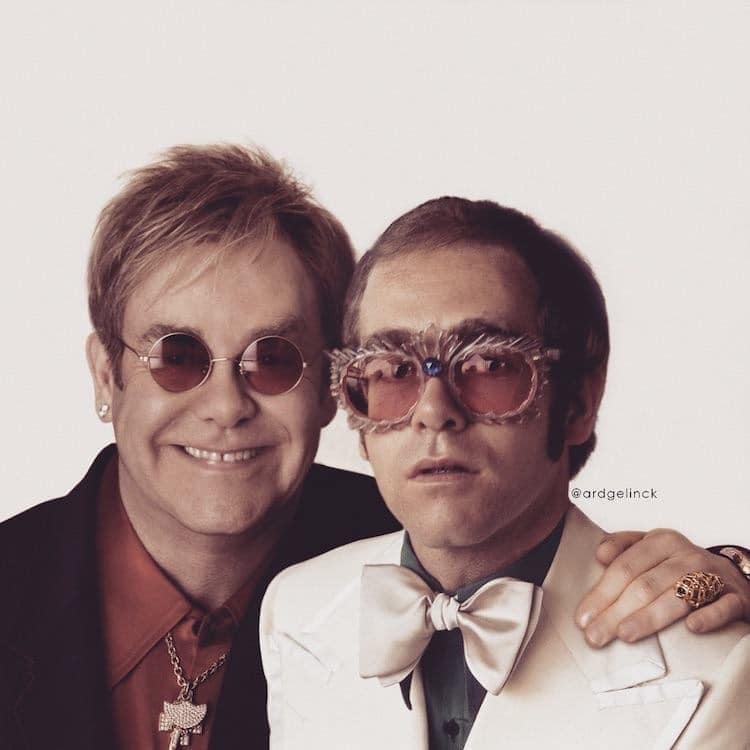


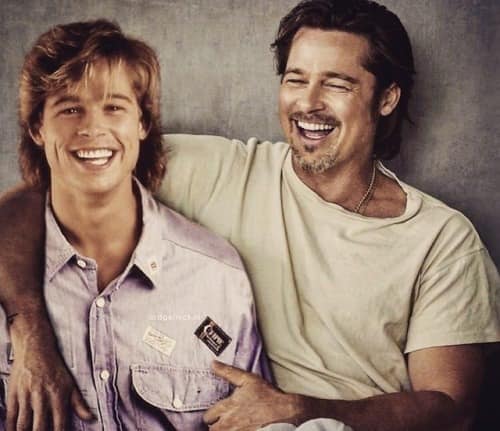








[…] FILMS / SERIES / THEATRES 50s 60s 70s […]