Independent music radio dedicated to instrumental and country sounds from around the world. Here, style matters more than language, and music travels across cultures
K and D complex Best Places To Travel In 2021 Beautiful cities KLAIPEDA ( Lithuanian Port ) Inner harbor ( Image source: da.wikipedia / Žiedas ) Street show ( Image source: flickr / andrius.v ) Klaipéda in winter ( Image source: ie.wikipedia / EcoLDK ) Sea festival ( Image source: it.wikivoyage / Zivvviliuks ) Statue of […]
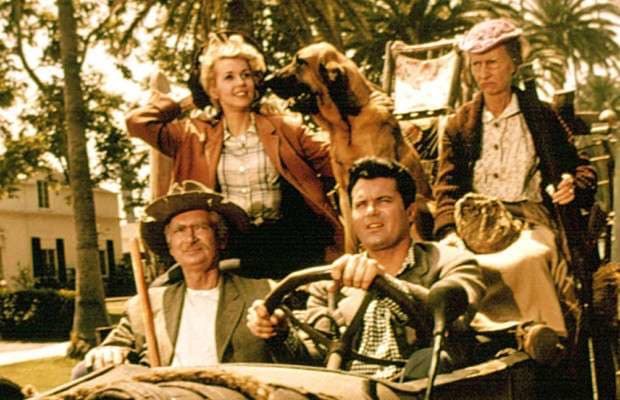
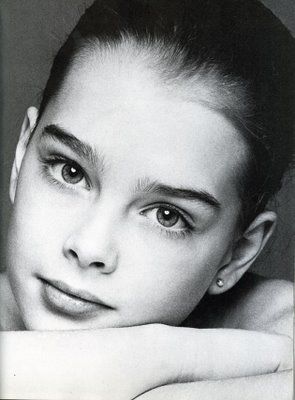
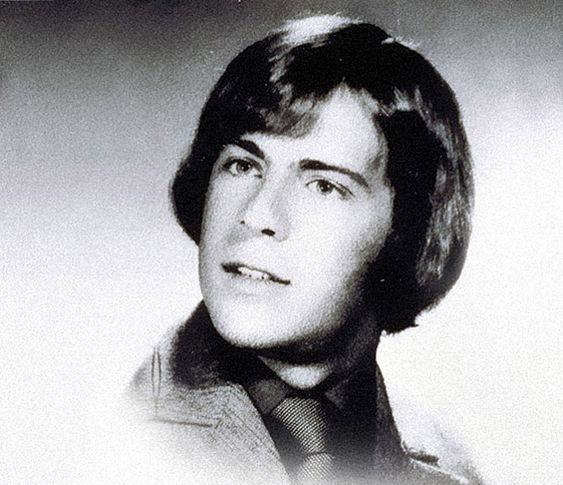
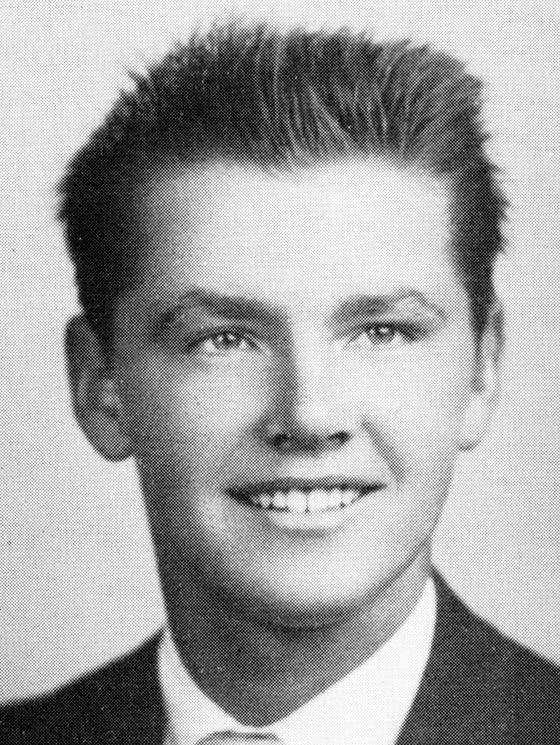
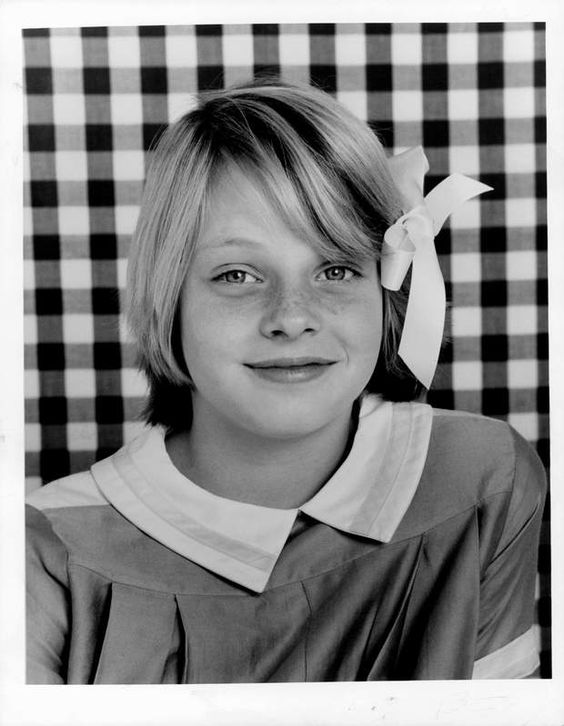
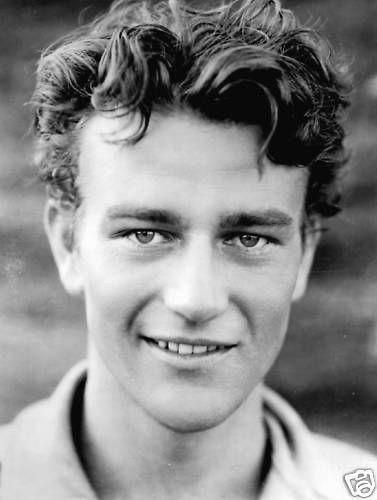
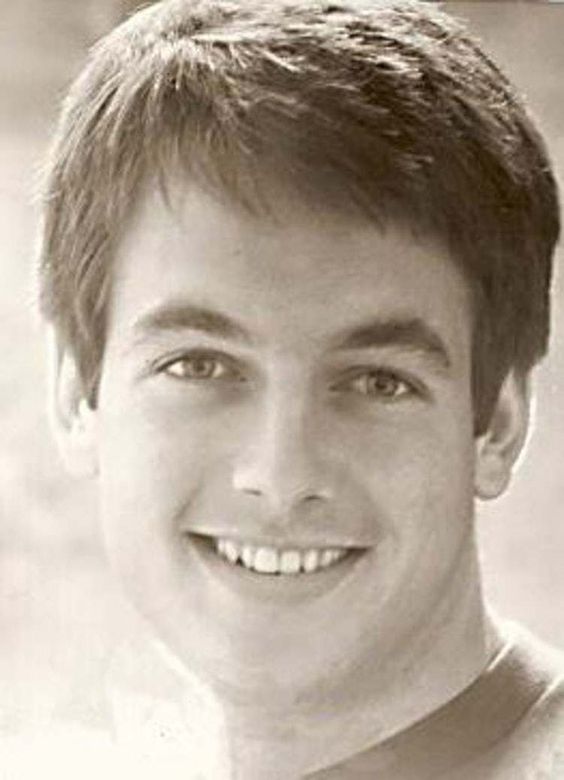
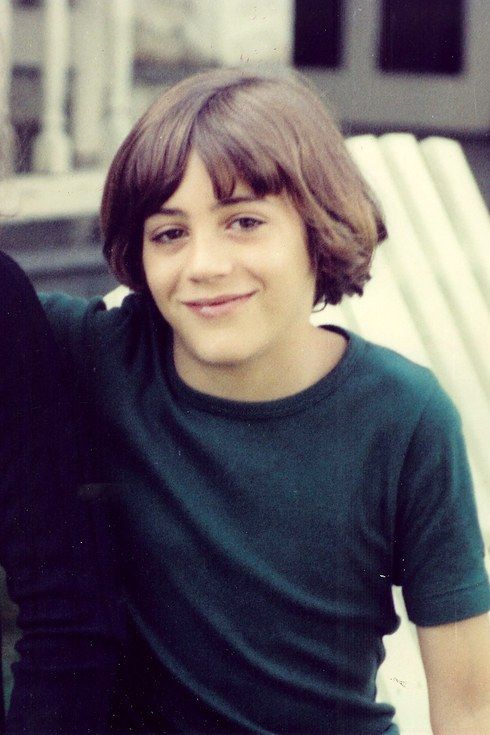
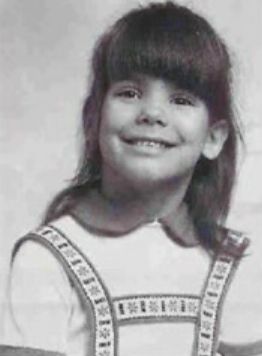
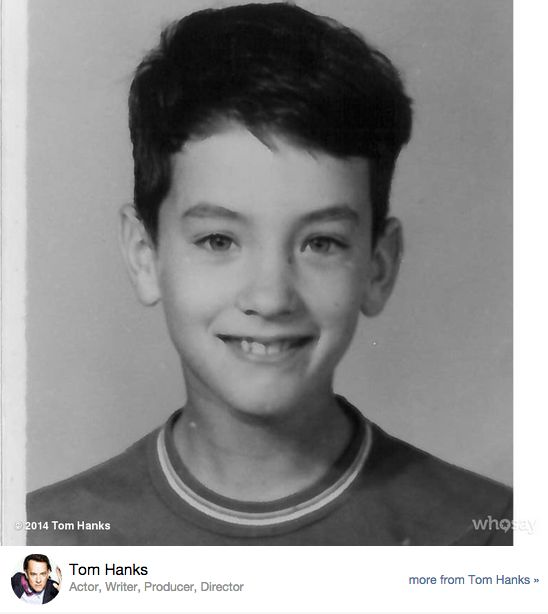
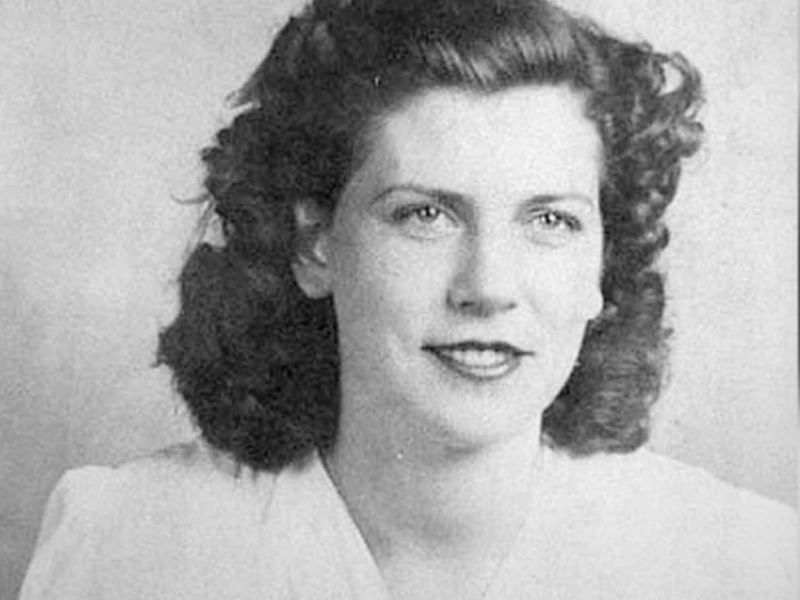
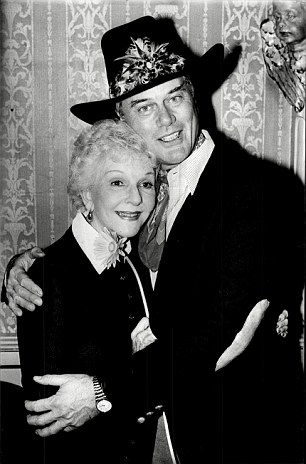
Rare photos. ( 23 photos for this part 1 ) (One of them is not a hollywood star…But was a star in a way)
Alfred HitchcokBarbra StreisandLeonardo Di CaprioBrook shieldsBruce WillisBruce WillisMatthew PerryElvis PresleyGeorge ClooneyPope John Paul 2 ( Jean Paul 2 )Jack NickolsonJodie FosterJohn WayneJohn WayneJulia robertsKirk DouglasLauren BacallMark HarmonMichael KeatonRobert Downey JrRobin WilliamsSandra Bullock Tom Hanks
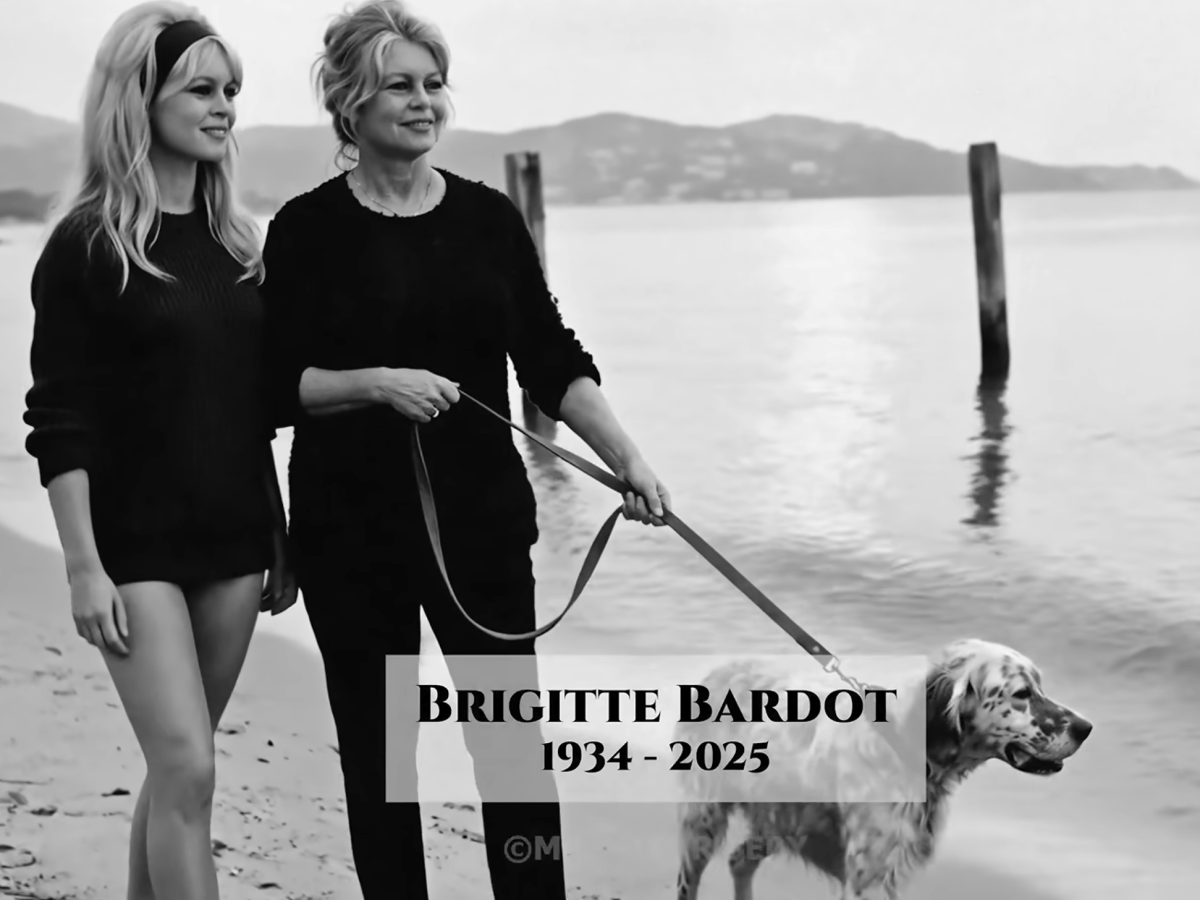
Une vidéo émouvante. âmes sensibles s’abstenir. Un hommage fait aux personnes disparus : Dans ce cas, dans cette vidéo, il s’agit de certaines légendes du cinéma Français VIDEO Sources “Monsieur Seby” (YOUTUBE )
Pour les amateurs de chansons francophones: Outre les chansons disséminées tout au long de la journée. Disséminées entre les variétés internationales de toutes les langues, Nous proposons aussi 2 créneaux horaires 100% Chansons francophones. Francophones…et non seulement Françaises: Parce que nous proposons aussi de très belles mélodies du Canada francophone ( Quebec…) de Belgique, de…
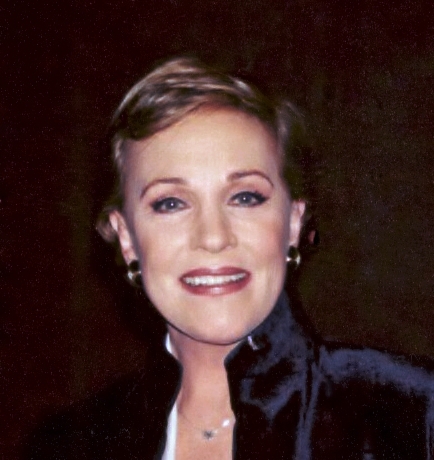
Dame Julie AndrewsDBE (born Julia Elizabeth Wells; 1 October 1935) is an English actress, singer, and author. Throughout her career of over 75 years, she has received numerous accolades, including an Academy Award, a British Academy Film Award, two Primetime Emmy Awards, three Grammy Awards, and six Golden Globe Awards.
Andrews was made a Disney Legend in 1991, and has been honoured with a Honorary Golden Lion as well as the AFI Life Achievement Award. In 2000, Andrews was made a dame by Queen Elizabeth II for services to the performing arts.
Andrews, a child actress and singer, appeared in the West End in 1948 and made her Broadway debut in The Boy Friend (1954). Billed as “Britain’s youngest prima donna“, she rose to prominence starring in Broadway musicals such as My Fair Lady (1956) playing Eliza Doolittle and Camelot (1960) playing Queen Guinevere. On 31 March 1957, Andrews starred in the premiere of Rodgers and Hammerstein‘s written-for-television musical Cinderella, a live, colour CBS network broadcast seen by over 100 million viewers. Andrews made her feature film debut in Walt Disney‘s Mary Poppins (1964) and won the Academy Award for Best Actress for her performance in the title role. The following year she starred in the musical film The Sound of Music (1965), playing Maria von Trapp and won the Golden Globe Award for Best Actress – Motion Picture Comedy or Musical.
In 2002, Andrews was ranked No. 59 in the BBC’s poll of the 100 Greatest Britons. In 2003, she revisited her first Broadway success, this time as a stage director, with a revival of The Boy Friend. Apart from her musical career, she is also an author of children’s books and has published two autobiographies, Home: A Memoir of My Early Years (2008) and Home Work: A Memoir of My Hollywood Years (2019).
Julia Elizabeth Wells was born on 1 October 1935 in Walton-on-Thames, Surrey, England.Her mother, Barbara Ward Wells (née Morris; 1910–1984) was born in Chertsey and married Edward Charles “Ted” Wells (1908–1990), a teacher of metalwork and woodwork, in 1932.
Andrews was conceived as a result of an affair her mother had with a family friend. Andrews discovered her true parentage from her mother in 1950, although it was not publicly disclosed until her 2008 autobiography.
With the outbreak of World War II, her parents went their separate ways and were soon divorced. Each remarried: Barbara to Ted Andrews, in 1943, and Ted Wells in 1944 to Winifred Maud (Hyde) Birkhead, a war widow and former hairstylist at a war work factory that employed them both in Hinchley Wood, Surrey. Wells assisted with evacuating children to Surrey during the Blitz, while Andrews’s mother joined her husband in entertaining the troops through the Entertainments National Service Association. Andrews lived briefly with Wells and her brother, John in Surrey. In 1940, Wells sent her to live with her mother and stepfather, who Wells thought would be better able to provide for his talented daughter’s artistic training. According to Andrews’s 2008 autobiography Home, while Andrews had been used to calling her stepfather “Uncle Ted”, her mother suggested it would be more appropriate to refer to her stepfather as “Pop”, while her father remained “Dad” or “Daddy” to her, a change which she disliked. The Andrews family was “very poor” and “lived in a bad slum area of London,” at the time, stating that the war “was a very black period in my life.” According to Andrews, her stepfather was violent and an alcoholic. He twice, while drunk, tried to get into bed with his stepdaughter, resulting in Andrews fitting a lock on her door.
As the stage career of her mother and stepfather improved, they were able to afford better surroundings, first to Beckenham and then, as the war ended, back to the Andrews’s hometown of Hersham. The family took up residence at the Old Meuse, in West Grove, Hersham, a house (now demolished) where Andrews’s maternal grandmother had served as a maid. Andrews’s stepfather sponsored lessons for her, first at the independent arts educational school Cone-Ripman School (ArtsEd) in London, and thereafter with concert soprano and voice instructor Madame Lilian Stiles-Allen. Andrews said of Stiles-Allen, “She had an enormous influence on me,” adding, “She was my third mother – I’ve got more mothers and fathers than anyone in the world.” In her memoir Julie Andrews – My Star Pupil, Stiles-Allen records, “The range, accuracy and tone of Julie’s voice amazed me … she had possessed the rare gift of absolute pitch”,though Andrews herself refutes this in her 2008 autobiography Home. According to Andrews, “Madame was sure that I could do Mozart and Rossini, but, to be honest, I never was”. Of her own voice, she says, “I had a very pure, white, thin voice, a four-octave range – dogs would come from miles around.” After Cone-Ripman School, Andrews continued her academic education at the nearby Woodbrook School, a local state school in Beckenham.
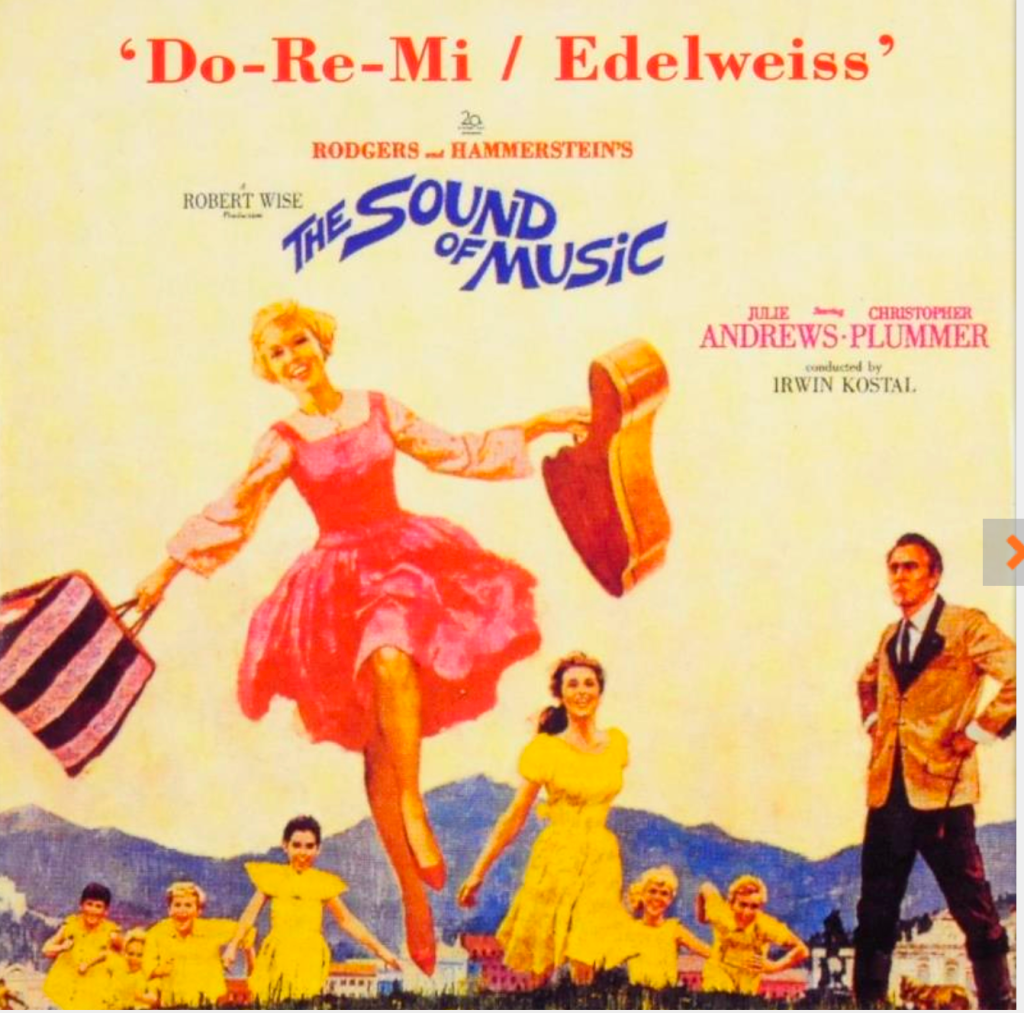
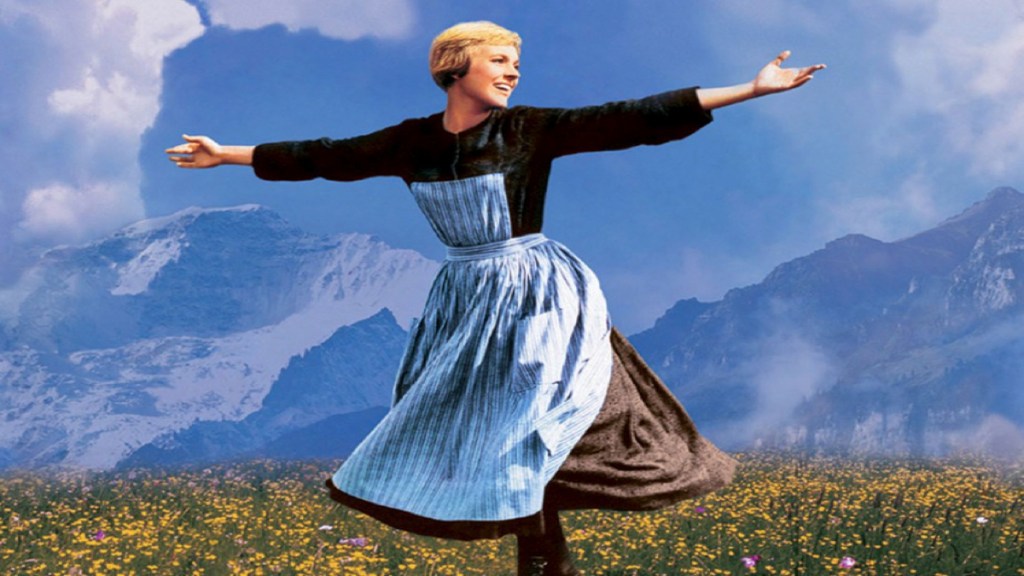
The sound of music
The sound of Music
The sound of Music
The sound of music Julie Andrews /Christopher Plummer
Cast of Sound of Music
Termed “Britain’s youngest prima donna”, Andrews’s classically trained soprano voice, lauded for its “pure and clear” sound, has been described as light, bright and operatic in tone. When a young Andrews was taken by her parents to be examined by a throat specialist, the doctor concluded that she had “an almost adult larynx.” Despite the continual encouragement to pursue opera by her voice teacher, English soprano Lilian Stiles-Allen, Andrews herself felt that her voice was unsuited for the genre and “too big a stretch”. At the time, Andrews described her own voice as “extremely high and thin”, feeling that it lacked “the necessary guts and weight for opera”, preferring musical theatre instead.
Victor Victoria
As Andrews aged, so did her voice, which began to naturally deepen. Losing her vast upper register, her “top notes” became increasingly difficult to sing while “her middle register matured into the warm golden tone” for which she has become known, according to Tim Wong of The Daily Telegraph.
Musically, she had always preferred singing music that was “bright and sunny”, choosing to avoid songs that were sad or otherwise written in a minor key, for fear of losing her voice “in a mess of emotion”. She cited this as another reason for avoiding opera.
Supercalifragilisticexpialidocious.
SUPERCALIFRAGILISTICEXPIALIDOCIOUS
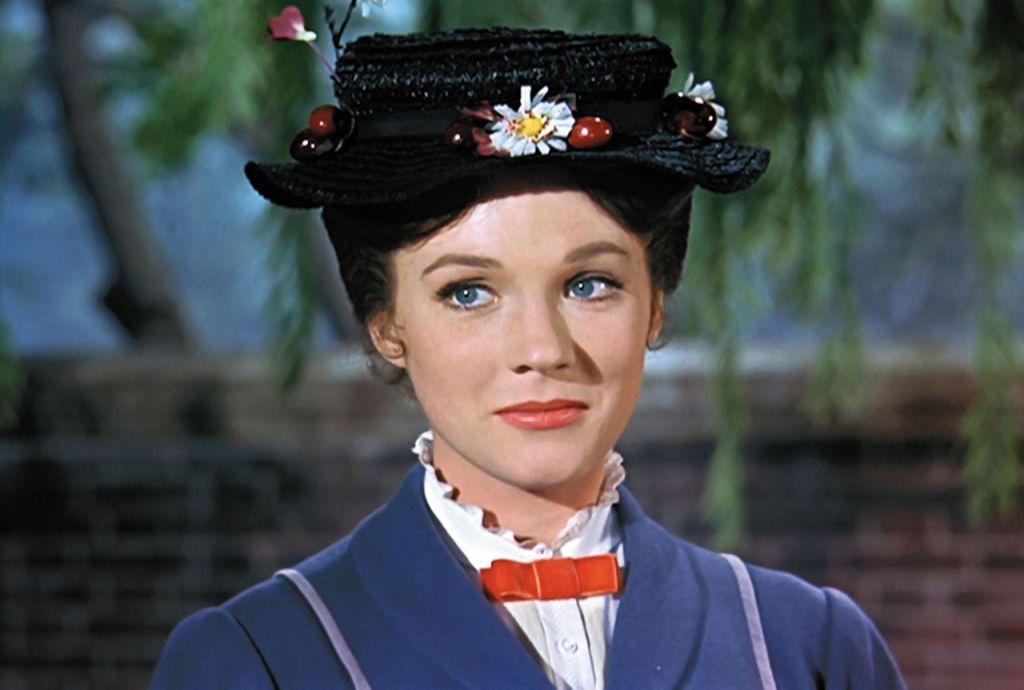
Mary Poppins
Andre Rieu / Mary Poppins / Supercalifragilisticexpialidocious
A Spoonful Of Sugar / Julie Andrews / Mary Poppins
Mary Poppins – Chim Chim Cher-eeJulie Andrews
Additional informations about “the sound of music” : The original Broadway cast. The original Broadway cast was started by Mary Martin. Her singing style was very different than Julie Andrews’s style.
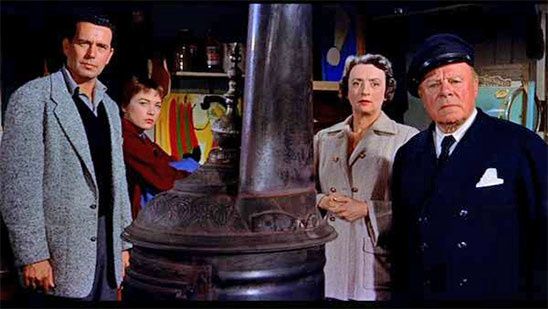
Par hasard, hier, entre 2 enregistrements radio, nous avons découvert ce film d’ALFRED HITCHCOK.
Un film de 1955 : Un des rares films de HITCHCOK qui pourrait être classé dans la catégorie des comédies( mais relativement morbides en revanche). Certaines scènes font même rigoler tellement loufoques paraissaient elles. Chose rare dans les films de ce réalisateur. Du moins, selon nos modestes connaissances cinématographiques (d’amateurs)
Voici donc le résumé de ce film et quelques séquences que nous avons souhaité partager avec vous, pour le plaisir
Dans le petit hameau de Highwater, dans le Vermont, un petit garçon découvre un cadavre fraîchement mort apparu à flanc de colline au-dessus de la ville, il part vite chercher sa mère. Au même moment, un vieux chasseur tombe sur le même cadavre et pense l’avoir tué. Les habitants du lieu sont les uns après les autres confrontés au cadavre Le problème de savoir qui est la personne, qui était responsable de sa mort subite et ce qui devrait être fait avec le corps est «le problème avec Harry».
TRAILER IN FRENCH / BANDE ANNONCE EN FRANÇAIS
Le capitaine Wiles est persuadé qu’il a tué l’homme avec un tir égaré de son fusil en chassant, jusqu’à ce qu’il soit démontré qu’il a effectivement tiré sur un lapin. Jennifer Rogers, l’épouse de Harry, croit qu’elle a tué Harry parce qu’elle l’a frappé violemment avec une bouteille de lait. Mlle Gravely est certaine que l’homme est décédé après un coup du talon de sa botte de randonnée lorsqu’il s’est jeté sur elle hors des buissons, encore étourdi par le coups qu’il a reçu de Jennifer. Sam Marlowe, un artiste peintre original, mais ouvert d’esprit sur l’ensemble de l’événement et est prêt à aider ses voisins et ses nouveaux amis de toutes les manières possibles. En tout cas, personne n’est bouleversé du tout par la mort de Harry.
TRAILER IN ENGLISH
Cependant, ils espèrent tous que le corps ne sera pas porté à l’attention des autorités, incarnées par le zèle du shérif adjoint, Calvin Wiggs, froid et sans humour, et qui gagne des primes à chaque verbalisation ou arrestation. Le capitaine, Jennifer, Mlle Gravely et Sam enterrent le corps puis le déterrent à nouveau plusieurs fois au cours de la journée. Ils cachent ensuite le corps dans une baignoire. Le médecin local alerté diagnostique une mort naturelle, aucun acte criminel n’a donc été commis. Les protagonistes décident alors de replacer le cadavre sur la colline où il a été découvert la première fois, afin de le faire apparaître comme s’il venait d’être découvert.
Entre-temps, Sam et Jennifer sont tombés amoureux et souhaitent se marier, et le capitaine et Miss Gravely sont également devenus un couple. Sam a pu vendre toutes ses peintures à un millionnaire de passage, bien que Sam refuse d’accepter de l’argent et demande à la place quelques cadeaux simples pour ses amis et lui-même dont un lit à deux places pour lui et Jennifer
Edmund Gwenn : le capitaine Albert Wiles, un marin à la retraite
John Forsythe : Sam Marlowe, un artiste peintre moderne
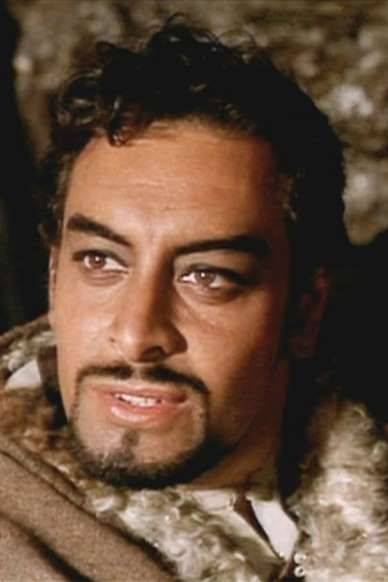
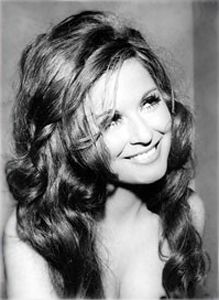
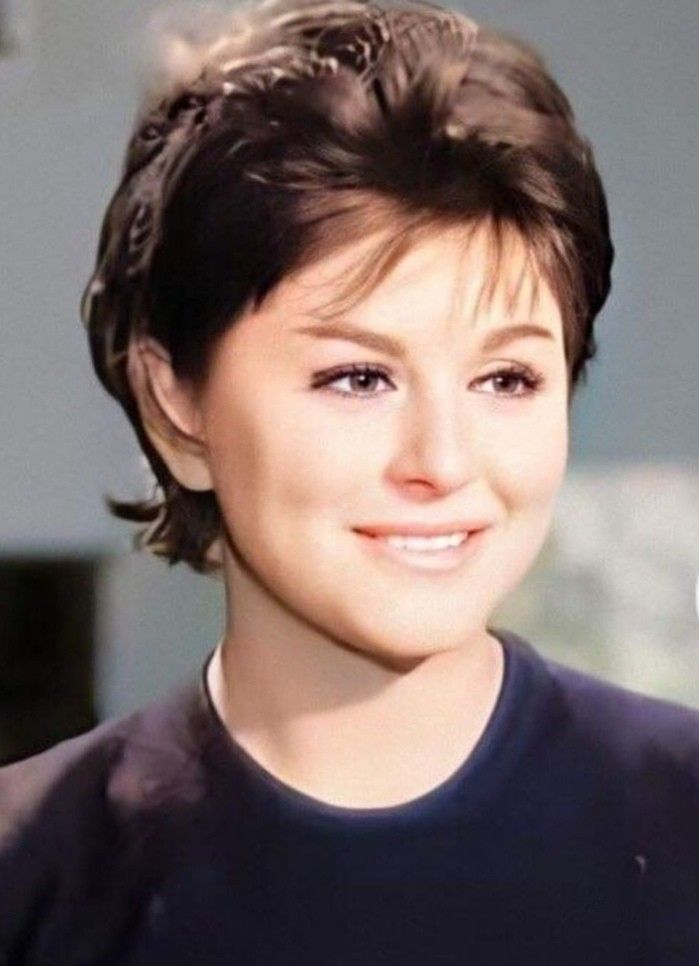
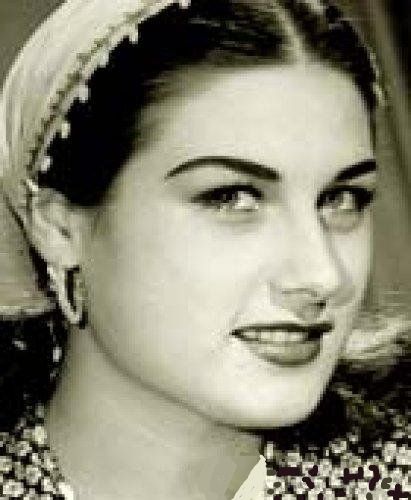
Une fois n’est pas coutume, cependant, il serait bon de faire découvrir des stars, des artistes , des géants voir icones du cinéma Egyptien des années 50 / 60 / 70 et même certains sont encore des monuments du cinéma actifs ( comme M Adel Imam : Considéré comme LE monument du cinéma Egyptien en activité)
Des photos d’une époque. Cependant, à noter que le cinéma Egyptien regorge d’artistes jeunes, modernes et très talentueux. Dans cet article, nous avons préféré aborder certains ( une infime partie, pour être honnête) acteurs, comédiens qui ont marqué le cinéma Egyptien : Cinéma Egyptien voire Panarabe , étant donné que les films Egyptiens représentaient à cette époque ( et à jour même ) plus de 80% du cinéma de tous les pays de la région. Ces films, ces stars :Leur notoriété recouvrait tous les pays du Machrek ( Cad d’orient : à l’Est de l’Egypte: Cad : Liban, Jordanie, Irak, Arabie, Emirats etc…) aussi bien que du Maghreb ( la partie occidentale : A l’ouest de L’Egypte : Le maghreb (Maroc….)
Nous pouvons reconnaitre : Adel Imam, Omar Shariff, ( qui n’est plus à présenter en occident évidemment puisqu’il a joué dans des dizaines de film de cinéma dont Docteur Jivago ou d’autres films français ) , Faten Hamama, Madiha Kamel, Hussein Fahmi, Najlaa Fathi, Shams el Baroudy, Souad Husni, Hassan Youssef, Jamil Rateb le Franco Egyptien ( ayant joué dans plusieurs séries et films en France / Belgique)
L’Estonie, en forme longue la république d’Estonie (en estonien : Eesti et Eesti Vabariik), est un pays d’Europe du Nord situé sur les bords de la mer baltique.
Néanmoins, l’Estonie possède une culture ainsi que des racines linguistiques, génétiques et un statut (pays de souche finno-ougriennegermaniséprotestant) qui l’apparentent à la Finlande, souvent considérée comme “la grande soeur” de l’Estonie.
On y retrouve notamment le sauna, une mythologie riche ainsi qu’une culture du silence et un attachement particulier des Estoniens pour la nature, ce qui conduit l’Estonie à se revendiquer et à être également perçue comme un pays nordique.
Initialement peuplée de populations indigènesfennique pendant plusieurs milliers d’années, l’Estonie a été conquise puis convertie au christianisme par des chevaliers allemands au xiie siècle.
Pendant près de 700 ans, l’Estonie vit sous le contrôle et l’influence de populations germaniques (issus du Nord de l’Allemagne et des pays Scandinaves), qui affectent durablement la culture et le mode de vie de ses habitants.
La lutte permanente des puissances voisines (Pologne-Lituanie, Suède, Danemark, Empire russe…) pour le contrôle de cet emplacement stratégique tout au long de l’histoire déclenche en réponse une volonté d’affirmation de la part des autochtones à partir du xixe siècle.
Ces derniers, dominés et réduit au servage (voire à l’esclavage) pendant des siècles, tirent profit des luttes d’influence entre anciens maitres allemands et la Russie impériale qui contrôle le territoire à partir de 1710 pour s’affirmer culturellement (le “réveil national”), puis politiquement tout au long du xixe siècle. Les Estoniens se servent des troubles engendrés par la révolution russe de 1917 pour devenir un pays indépendant à partir de 1918.
Pendant la Seconde Guerre mondiale (1939-1945), l’Estonie a été contestée et occupée à plusieurs reprises par l’Union soviétique et l’Allemagne. L’Estonie indépendante est finalement occupée par l’Union soviétique en juin 1940, conformément au pacte germano-soviétique d’août 1939. Après la perte de son indépendance de facto, les représentants diplomatiques et le gouvernement en exil ont préservé la continuité de jure(en) de l’Estonie. En 1987, la révolution chantante pacifique contre l’occupation soviétique a abouti à la restauration de l’indépendance de facto le 20 août 1991.
L’Estonie est un pays développé doté d’une économie qui a connu l’une des croissances les plus rapides de l’UE. Le pays se classe à la trentième place en 2018 dans l’indice de développement humain et obtient des résultats favorables en termes de liberté économique, libertés civiles, éducation et liberté de la presse selon RSF (quatorzième dans le monde en 2020). Les citoyens estoniens bénéficient de soins de santé universels, d’une éducation gratuite
L’Estonie fut violemment touchée par la crise économique mondiale de 2008 avec une hausse du taux de chômage à près de 14 %. Avec une politique de maîtrise de l’inflation et des finances publiques, le gouvernement permet au pays d’avoir le plus faible taux d’endettement public de l’Union européenne. Particulièrement à la pointe dans l’usage des technologies de l’information-communication, notamment par les services de l’état, le cadre offert par l’Estonie lui permet d’être attractive pour de nombreux entrepreneurs de l’économie numérique. Son nombre record de start-ups par habitant permet à l’Estonie de faire partie des leaders européens du domaine.
Darlene Koldenhoven was born in a mixed neighborhood on the South side of Chicago to a family with an extensive musical lineage, but hearing only the singing of her mother and grandfather.
Darlene could hold her own harmony part by age 3, making her Easter Sunday debut in church singing a solo, “Low in the Grave He Lay.” Her initial emphasis of formal training was classical piano, which she began studying in earnest at age 9.
Two years prior, she learned sewing from grandmother and continues to carry on the tradition to this day, sewing and occasionally designing her clothes and concert gowns. Her father, awarded the Distinguished Service Cross, died from malaria complications contracted during his “tours of duty.”
The family suffering from the financial hardship, a single mother, and her sister being born deaf, didn’t allow her hard working mother to afford formal singing lessons for Darlene until age 16.
The product of a strict Dutch Christian Reformed/Calvinist family, Darlene was only allowed to listen to or play religious or classical music, not allowed to improvise, and never really listened to pop music until college where she absorbed everything from the Beatles and Middle Eastern music to jazz.
But the fierce work ethic and discipline she learned from home and her schooling made her an outstanding scholarly achiever, thus preparing her for the ubiquitous and enviable career she now relishes in the entertainment capital of the world, Los Angeles. Arriving in Los Angeles in January with only a leap-of-faith, $400, her car, 6 wool turtleneck sweaters (she’s from Chicago) and no contacts – therein lay the story of how hard work and perseverance pays off . . .
Ms. Koldenhoven revealed an early sensitivity to teaching and nurturing when she assisted in the early speech therapy of her only sibling, a sister 9 years younger who was born deaf with bilateral aural atresia. Experimental surgery created some hearing capabilities for her at age 4.
Revelations from that experience impacted Koldenhoven three-fold, sparking her intense interest in how vocal sound is created by the smallest gestures of the structures of the mouth, sound vibration as a source of healing and restoration, and the expressive possibilities of vocal sound without words – a signature element of her singular style.
Darlene Koldenhoven’s first two albums are her debut Keys to the World (an adult contemporary pop work with an emphasis on positive lyrics, both humanitarian and for the environment), Free to Serve (an eclectic gospel soundtrack, commissioned by the Christian Reformed Church of North America and lifted from a World Missions multi-media concert that she co-directed, wrote all the music for and performed in, featuring musicians and singers she brought back from the impoverished Sierra Leone, West Africa).
When asked about the future, in addition to her regular activities, Darlene is looking forward to touring with her concerts and workshops and is in the process of developing a unique music education program for those with special needs.
RadioSatellite est une radio Multilingue. Vous pouvez écouter des chansons dans toutes les langues, du moment que la musique est top : Nous diffusons avec plaisir. Nos souhaits pour l’année 2026 sont à notre image. Une vidéo de souhaits pour la bonne année en plusieurs langues Ne pouvant pas tout inclure dans cette vidéo, certaines…










































































 30,468 milliards US$
 7,8 % de la pop.active
 0,892
0,892