Un article sur CLINT EASTWOOD, que nous reprenons de notre autre site https://radiosatellite.eu

Cliquez pour lire et visionner les vidéos ( en anglais et en Français)
Click to read and to watch videos ( in English and in French )

Cliquez pour lire et visionner les vidéos ( en anglais et en Français)
Click to read and to watch videos ( in English and in French )
You can listen to RADIOSATELLITE : on this website of course (https://radiosatellite.co )
Also on https://radiosatellite.eu

Son parcours, jalonné de succès musicaux et de défis personnels, offre un fascinant récit de détermination, d’authenticité et d’équilibre entre deux mondes souvent en conflit : celui de la célébrité et celui de l’intimité.
Née le 17 janvier 1944 à Paris, Françoise Hardy a rapidement émergé comme une figure emblématique de la scène musicale française des années 1960. Dès ses débuts, sa voix unique et son charisme ont conquis le cœur d’un public international. Mais derrière les projecteurs, se déroulait une vie personnelle marquée par des hauts et des bas, des triomphes et des épreuves.
Dans sa vie professionnelle, Hardy a connu un succès retentissant avec des tubes tels que “Tous les garçons et les filles”, qui ont non seulement propulsé sa carrière mais ont également défini une époque. Sa musique, empreinte de mélancolie et de poésie, a touché des générations entières, lui valant une place de choix parmi les grands noms de la chanson française. Son talent d’auteur-compositeur lui a permis d’explorer des thèmes profonds et universels, faisant d’elle une artiste intemporelle.
Pourtant, derrière cette façade de succès se cachait une femme confrontée à des défis personnels. Françoise Hardy a souvent été confrontée à des problèmes de santé, notamment une maladie auto-immune qui a mis à l’épreuve sa résilience et son courage. Malgré ces obstacles, elle a continué à enregistrer et à se produire, inspirant des millions de fans à travers le monde.

Mais la vie professionnelle n’était qu’une facette de la vie de Françoise Hardy. En dehors des studios d’enregistrement et des salles de concert, elle a cherché à préserver son intimité avec une détermination ferme. Sa relation avec le chanteur Jacques Dutronc a captivé l’attention du public, mais elle a toujours veillé à protéger sa vie de famille des regards indiscrets.
En mère aimante et épouse dévouée, Hardy a trouvé un équilibre entre sa carrière florissante et sa vie domestique. Malgré les tumultes de la célébrité, elle a su préserver des liens solides avec ses proches, trouvant refuge et réconfort dans l’intimité de son foyer.
Au fil des décennies, Françoise Hardy est restée fidèle à elle-même, défiant les conventions et suivant son propre chemin. Sa sincérité et son intégrité ont été saluées tant par ses pairs que par ses admirateurs. Même à l’apogée de sa gloire, elle est restée humble et terre à terre, rappelant à tous que la véritable richesse réside dans les relations humaines et les moments simples de la vie.
Aujourd’hui, bien que le temps ait passé, Françoise Hardy continue d’inspirer et d’émerveiller, son héritage musical perdurant à travers les générations. Sa vie, marquée par des succès et des défis, reste un témoignage poignant de la force de la passion, de la résilience et de l’amour dans toutes ses formes.
En conclusion, la vie professionnelle et privée de Françoise Hardy se sont entrelacées pour former un récit captivant d’accomplissement et d’authenticité. Son parcours illustre la possibilité de concilier succès professionnel et épanouissement personnel, offrant ainsi une leçon précieuse à tous ceux qui aspirent à trouver leur propre équilibre dans un monde souvent tumultueux. Françoise Hardy demeure une source d’inspiration intemporelle, rappelant à chacun la beauté de vivre pleinement et authentiquement
Source : IA / AI

Source : IA / AI
Youtube
Divers
Un article sur CLINT EASTWOOD, que nous reprenons de notre autre site https://radiosatellite.eu Cliquez pour lire et visionner les vidéos ( en anglais et en Français) Click to read and to watch videos ( in English and in French ) https://radiosatellite.eu/news/stars/clint-eastwood-214

De nombreuses personnes souhaiteraient revoir les pièces de théatre de l’époque ( Dont “au théatre ce soir) , des séries françaises anciennes des années 60 et 70, des films avec les géants du cinéma français ( Presle Bourvil, Fernandel, Gabin, Belmondo, Jouvet, Demongeot, Bardot, Constantine, Blanche, De funès etc..)
Des reportages sur ces artistes, interviews etc…
Pour notre part, à RadioSatellite, nous avons (re)découvert MADELEN , cette plateforme pour visionner nos séries de l’époque. Actuellement, c’est la série LES SAINTES CHERIES ( Avec Mme Micheline Presle et Feu M Daniel Gelin) que l’équipe visionne au quotidien (Il existe beaucoup plus qu’une saison à visionner)

MADELEN offre aux utilisateurs un accès complet et détaillé à une vaste collection de films, théâtres et séries produits par l’INA au fil des décennies. Cette plateforme représente une fenêtre vers l’histoire culturelle et médiatique de la France, offrant un espace où les trésors du passé sont mis en valeur grâce aux avantages de la technologie moderne.
Historique de l’INA
L’INA a été créé en 1974 en tant qu’organisme public indépendant dans le but de collecter, restaurer, conserver et diffuser le patrimoine audiovisuel français. Avec les années, l’INA a accumulé une collection impressionnante de contenus, allant des émissions de télévision aux documentaires, en passant par les films et enregistrements audio. Pour rendre ce patrimoine plus accessible au public, l’INA a lancé la plateforme MADELEN en 2018.
Caractéristiques de MADELEN
Impact Culturel et Éducatif
MADELEN joue un rôle crucial dans la préservation de l’héritage culturel de la France. En rendant accessibles des œuvres qui sinon pourraient être oubliées, la plateforme contribue à la mémoire collective du pays. De plus, MADELEN est une ressource éducative précieuse, offrant aux étudiants, aux chercheurs et aux passionnés d’histoire culturelle la possibilité d’explorer des événements passés à travers des documents audiovisuels authentiques.
MADELEN représente un pont entre le passé et le présent, un espace numérique où les trésors de l’audiovisuel français sont préservés et partagés avec le monde. Grâce à cette plateforme, l’INA continue de jouer un rôle essentiel dans la préservation du patrimoine culturel et médiatique de la France, tout en offrant une expérience immersive aux utilisateurs qui souhaitent explorer l’histoire à travers le prisme de l’audiovisuel.

Ordinateurs et Navigateurs Web
L’accès à MADELEN via un ordinateur de bureau ( PC ou IMAC ) ou un ordinateur portable (LAPTOP) est l’une des méthodes les plus courantes. Il suffit de nous rendre sur le site web de MADELEN à l’aide de votre navigateur préféré. Cette option est idéale pour ceux qui aiment explorer le contenu à partir d’un grand écran et d’une interface conviviale.
Smartphones et Tablettes
La mobilité est devenue essentielle de nos jours, et MADELEN a été conçu pour être compatible avec les smartphones et les tablettes. En téléchargeant l’application MADELEN sur nos appareils Android ou iOS, nous pouvons profiter de nos émissions préférées, des films classiques et bien plus encore, où que nous soyons. Cela permet une expérience de visionnage pratique en déplacement.
Smart TVs et Appareils de Diffusion en Continu
Il nous est possible de profiter du contenu de MADELEN sur un écran plus grand. Nous pouvon le faire en utilisant des smart TVs compatibles (TV Connectées à Internet ) ou des appareils de diffusion en continu tels que Roku, Amazon Fire Stick ou Google Chromecast. Ces options permettent de connecter notre téléviseur à internet et d’accéder directement au contenu MADELEN depuis le canapé.
Connexions Sociales et Partage
MADELEN facilite également le partage et les interactions sociales. Nous pouvons découvrir des contenus intéressants et les partager avec nos amis et notre famille via les médias sociaux ou les messageries instantanées. Cette fonctionnalité nous permet de discuter de nos (re)découvertes et de créer des discussions autour des émissions, des films et des séries proposés par la plateforme.

Images : Du site MADELEN
https://madelen.ina.fr/
Lors d’une fête de fin d’année pour une classe primaire, Il a été organisé un show et danse. Les parents et amis de ces enfants étaient là pour voir leurs progénitures danser et jouer à la star. En fait, une seule personne, une petite fille a attiré l’attention de tous les parents.
Nous vous laissons visionner cette vidéo et la petite : Une prestation géniale et super marrante

The group competed in and won the fourth season of The Sing-Off on NBC in 2013. They sang an arrangement of Hunter Hayes’s “I Want Crazy” as their final competitive song, earning the group $100,000 and a recording contract with Sony.
Home Free released their first album under a major label, Crazy Life, on February 18, 2014. Their most recent album, Land of the Free, was released in June 2021.
The group Home Free was originally formed in January 2001 by Chris Rupp in Mankato, Minnesota, when some of its members were still in their teens. The five founding members were brothers Chris and Adam Rupp, Matt Atwood, Darren Scruggs, and Dan Lemke; taking their name from a boat owned by Atwood’s grandfather who helped support the group financially in the early years. The group began as a hobby for the singers, but they gradually gained in experience and popularity. By 2007 they had enough of a following to pursue music full-time. During this period, the Rupp brothers and Atwood formed the core of the group, with Atwood singing lead tenor. Other members of the group came and went. Current member Rob Lundquist, another Minnesotan, joined in 2008.
For much of the group’s history they worked with many talented bass singers, but did not have a full-time committed bass voice. In 2007 Chris Foss sang with them. Elliott Robinson was added as bass in September 2008, and was replaced in June 2009 by Troy Horne. Later that year, Horne left to rejoin The House Jacks. To replace Horne they turned to Tim Foust, who first sang with them as a guest on their 2010 tour. A Texas native, Foust was then pursuing a career as a singer/songwriter of country music and had recently released a solo album, but was not ready to sign on full-time. Matthew Tuey sang with the group in the interim of 2011, until Foust joined them full-time in January 2012.
In 2012, Austin Brown was working on a Royal Caribbean cruise ship as a featured singer in their production shows. When Home Free joined the cruise as a guest performing group, they met and became close. Brown, who was born in Tifton, Georgia, let Home Free know that he would be interested in joining the group if they ever had an opening. At the end of 2012 lead singer Matt Atwood and his wife, who had married the previous year, were expecting their first child. Finding the group’s touring schedule incompatible with family life, and having an opportunity to take over his family’s real estate business in Mankato, Atwood made the decision to retire from the group. Home Free then invited Brown to join as lead tenor. He sang his first show with the group in October 2012, and became full-time in January 2013. In 2015 they made a guest appearance on Kenny Rogers’s holiday album Once Again It’s Christmas on the track “Children Go Where I Send Thee”; a music video was released in November 2015.
On March 18, 2016 it was announced that, after sixteen years performing with the group, co-founder Chris Rupp would be leaving to pursue a solo career. He would be replaced after May 8 by Adam Chance, formerly of Street Corner Symphony.
All five of Home Free’s singers have formal musical training. Lundquist and the Rupp brothers all have bachelor’s degrees in music. Adam Rupp’s primary instrument is trumpet, but he also plays drums, keyboard, and bass guitar. Since joining, Foust and Brown have also become very active in writing and arranging.
In terms of musical roles, Home Free personnel includes a lead tenor, a high tenor, a baritone, a bass, and a beatboxer. The High tenor, who often fronts the group, is Austin Brown who sings in the register of a high tenor. Traditional tenor harmony is sung by Rob Lundquist, baritone harmony is sung by Adam Chance, and Tim Foust sings bass with the range of a basso profundo. Occasionally, the latter two switch roles in their singing voice. In addition to the four voices, percussion sounds are provided by beatboxer Adam Rupp. All of the singers occasionally sing solos supported by the harmonies of the other singers.
Home Free’s styling as a country group is relatively recent. Before Foust joined the group, Home Free was an all-purpose a cappella group, singing in a wide variety of styles, of which country was only a minor one. With the additions of Foust and Brown, the group moved more in the direction of country and found that audiences responded well to it. Home Free had auditioned three times for The Sing-Off (without Foust and Brown) and not been accepted. When auditioning for the fourth season, they made a conscious decision to style themselves as a country group. In an interview Brown said this identity is what grabbed the attention of The Sing-Off’s casting director, who said, “You guys really fit something we don’t have.”


Source : Wikipedia / Youtube /Home free /Google

Jackson Maine (Bradley Cooper) se produit dans des concerts qui se vendent bien tout en ayant des acouphènes assez fréquents et des addictions à l’alcool et à la drogue qu’il cache au public. Son principal soutien et manager n’est autre que son demi-frère aîné Bobby (Sam Elliott) qui s’occupe de lui. Ally Campana (Lady Gaga) est une jeune autrice-compositrice qui travaille comme serveuse avec son ami Ramon (Anthony Ramos), tout en chantant dans un bar de drag queens. Après un concert au Coachella Festival, Jackson arrive dans ce même bar pour boire un verre et découvre Ally qui chante La Vie en rose. Impressionné par son talent, il partage un verre avec elle. Ally lui révèle qu’elle n’a jamais poursuivi de carrière professionnelle car les gens de l’industrie lui ont trop souvent dit qu’elle avait un nez trop grand et qu’elle n’arriverait jamais à rien. Jackson lui avoue trouver cela séduisant et lui propose d’écrire des chansons ensemble. Elle le ramène chez elle, où elle vit avec son père veuf, Lorenzo (Andrew Dice Clay), qui dirige un service de chauffeurs avec ses amis. Jackson demande à Ally de venir à son concert le soir même, mais elle refuse malgré l’insistance de Lorenzo. Elle change finalement d’avis et emmène Ramon avec elle. Jackson demande à Ally de chanter avec lui sur scène. Après hésitation, elle cède et finit par être adulée sur les réseaux sociaux grâce à son interprétation de Shallow.
Jackson et Ally partent sur les routes, chantent ensemble à plusieurs concerts et commencent à se lier. Après l’évanouissement de Jackson à cause de son alcoolisme, Bobby dit à Ally qu’elle doit être très prudente avec lui. Jackson emmène Ally en Arizona voir une ferme qu’il a achetée pour Bobby et où son père est enterré, mais découvre que Bobby a vendu le terrain et que le corps de leur père a été emporté dans une tornade. Furieux de sa trahison, Jackson frappe Bobby, qui décide de démissionner de son poste de manager.
À la fin d’un concert, Ally rencontre Rez (Rafi Gavron), un producteur qui lui propose un contrat après l’avoir entendu chanter Always Remember Us This Way. Malgré le fait qu’il soit visiblement contrarié, Jackson soutient sa décision et aide Ally à traverser les premières épreuves de sa notoriété. Pendant un de ces concerts, Rez réprimande Ally sur sa décision d’annuler le numéro de danse initialement prévu et lui suggère de se teindre les cheveux en blond platine, ce qu’elle refuse. Supposé venir au concert, Jackson, ivre, s’évanouit en centre ville et est aidé par Noodles (Dave Chappelle), un de ses amis d’enfance qui l’autorise à rester temporairement chez lui. Ally le rejoint et lui avoue avoir de plus en plus de mal à supporter ses addictions. Jackson lui fait alors sa demande en mariage en créant une bague avec un bout de corde de guitare, et ils se marient le jour même.
Pendant qu’Ally se produit dans l’émission Saturday Night Live, Bobby arrive et se réconcilie avec Jackson. Plus tard, Jackson exprime sa réprobation face à une des chansons d’Ally, qui perd en authenticité et se transforme petit à petit en produit commercial. La traitant de « laide », ils se disputent puis essaient rapidement de laisser le problème derrière eux. Sous l’emprise de l’alcool et des opiacés, Jackson se produit aux Grammy Awards avec un hommage à Roy Orbison. Ally gagne le Grammy de la meilleure nouvelle artiste. Pendant qu’elle prononce son discours, Jackson arrive sur scène au même moment mais s’humilie en s’urinant dessus et en perdant connaissance. Lorenzo emmène Jackson dans les coulisses, le réprimande et le met sous une douche pour le faire dessoûler. À la suite de cet incident, Jackson part en cure de désintoxication.
Ally lui rend visite et Jackson s’excuse pour son comportement. Avant le retour de Jackson chez lui à la fin de sa cure, Ally propose à Rez de faire une tournée commune avec son mari, désormais sobre et remis sur pied. Mais le manager refuse catégoriquement. Hors d’elle, Ally lui dit qu’elle préfère annuler la tournée. Rez se rend à leur domicile et dit en privé à Jackson qu’il finira par replonger tôt ou tard et qu’il pourrait ruiner la carrière d’Ally à cause de ses addictions, mais qu’elle n’osera jamais lui dire. Celle-ci ment à Jackson et lui explique qu’elle a annulé sa tournée européenne pour enregistrer son deuxième album. Lorsqu’elle part pour son dernier show, elle lui demande de la rejoindre sur scène pour chanter ensemble. Il accepte. Mais après le départ d’Ally, Jackson prend des pilules et se suicide en se pendant, comme il avait tenté de le faire durant sa jeunesse.
Ally demeure inconsolable malgré les efforts de Lorenzo et de Ramon pour l’aider. Bobby lui explique que la mort de Jackson n’est pas sa faute mais celle de Jackson lui-même. Elle s’approprie une chanson que Jackson avait écrite mais jamais présentée en public, I’ll Never Love Again, et décide de la chanter à une cérémonie de commémoration, au Shrine Auditorium, où elle se présente elle-même comme Ally Maine. Elle se remémore le moment où Jackson la lui avait présentée chez eux et regarde vers le haut, une larme à l’œil.
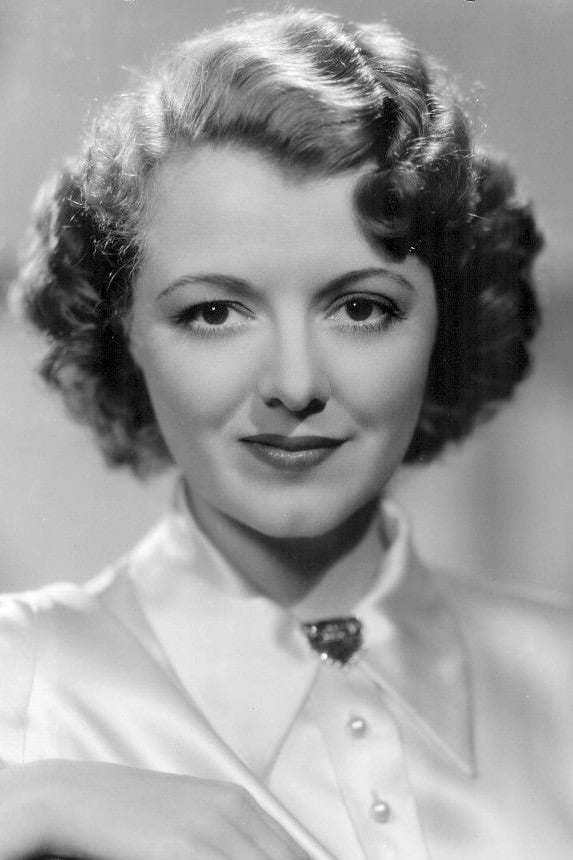
A star is born (William Wellman, 1937)
Avec : Janet Gaynor et Fredric March.


A star is born (George Cukor, 1954)
Avec : Judy Garland ( Rappel : Judy Garland étant la mère de liza Minelli ) et James Mason.


A star is born (Frank Pierson, 1976)
Avec : Barbra Streisand et Kris Kristofferson


BRADLEY COOPER SPEAKING FRENCH / BRADLEY COOPER PARLANT EN FRANCAIS
Sources Wikipedia / Youtube / Divers


Contrairement à ce dernier, qui n’a pas de chef permanent, mais exclusivement des chefs invités, l’Orchestre philharmonique de Berlin auditionne de nombreux candidats parmi lesquels il élit son chef titulaire, à l’exception notable de Herbert von Karajan, nommé à vie en 1955.
L’orchestre est fondé en 1882 par Joachim Andersen, Ludwig von Brenner et cinquante-deux autres musiciens transfuges de l’orchestre dirigé par Benjamin Bilse. Les premières années sont difficiles et l’orchestre manque plusieurs fois de disparaître. En 1887, Hermann Wolff en devient l’agent et engage le chef d’orchestre Hans von Bülow, qui est considéré par la plupart des musicologues comme le premier chef d’orchestre de métier. Hans von Bülow fut un ami de Liszt, Brahms et Wagner et dirigea la première mondiale de nombreuses œuvres majeures de la seconde moitié du xixe siècle souvent en présence des compositeurs. Brahms lui dit que ses interprétations correspondaient exactement à ce qu’il avait composé. Dès lors, l’orchestre devient rapidement célèbre. Il est dirigé au cours des années suivantes par nombre de chefs invités prestigieux, parmi lesquels Hans Richter, Felix Weingartner, Richard Strauss, Gustav Mahler, Johannes Brahms et Edvard Grieg.

En 1895, sur le conseil de Liszt, Arthur Nikisch en devient le chef permanent et domine la vie musicale en Allemagne pendant une longue période faisant de l’orchestre le plus prestigieux au monde. Wilhelm Furtwängler lui succède en 1922. La conjonction entre l’Orchestre philharmonique de Berlin et Wilhelm Furtwängler est très souvent considérée comme le sommet de l’histoire de l’orchestre et même de toute l’histoire de la direction orchestrale.
Pendant cette période, l’orchestre réalisa de nombreux enregistrements parmi les plus importants du xxe siècle souvent considérés comme inégalés par une partie de la critique, comme le Concerto pour violon no 2 avec Yehudi Menuhin (en 1953) de Bartók, les 5e Symphonie (1943), 7e Symphonie (1943), 9e Symphonie (1942) de Beethoven, la 4e Symphonie et le Concerto pour piano no 2 de Brahms avec Edwin Fischer de Brahms (les deux en 1942), la 9e Symphonie de Bruckner (en 1944), la 9e Symphonie de Schubert (en 1942), la 4e Symphonie de Robert Schumann (en 1953), les Métamorphoses de Strauss (en 1947), la 6e Symphonie (“Pathétique”) de Tchaïkovski (en 1938), etc. La portée symbolique de ces enregistrements était telle que les Soviétiques s’en emparèrent en 1945 comme “réparation de guerre” avec des originaux de la Grèce antique, des œuvres de la Renaissance italienne, des tableaux impressionnistes français. Ces enregistrements ne seront rendus officiellement par l’Union Soviétique qu’à la fin des années 1980. L’orchestre continue de se produire durant la Seconde Guerre mondiale, et, après la fin des hostilités, est dirigé durant trois mois par Leo Borchard. À la suite de sa disparition brutale en août 1945, Sergiu Celibidache le remplace. De retour d’exil, Furtwängler revient diriger l’ensemble en 1947, en codirection avec Celibidache jusqu’en 1952, puis comme premier chef, jusqu’à son décès en 1954.

Son successeur est le charismatique Herbert von Karajan, nommé chef à vie en 1955, et qui restera à la tête de l’orchestre durant trente-quatre ans. Durant cette période, l’orchestre effectue de nombreux enregistrements et tournées et acquiert une renommée médiatique considérable. En 1963, il s’installe à la Philharmonie de Berlin, conçue pour lui par l’architecte Hans Scharoun. Le grand auditorium est considéré comme un modèle de perfection acoustique. Karajan quitte son poste quelques mois seulement avant sa mort en 1989. Claudio Abbado prend ensuite la direction de l’orchestre, et ouvre plus largement les programmes, qui privilégiaient jusqu’alors les œuvres classiques et romantiques, à la création contemporaine.
Au XXIe siècle, le poste de directeur musical de l’Orchestre philharmonique de Berlin continue de bénéficier d’un grand prestige dans le domaine de la musique classique. De 2002 à 2018, Sir Simon Rattle, un chef d’orchestre britannique, est à la tête de l’ensemble. Sous sa direction, l’orchestre n’est plus dépendant d’une quelconque tutelle gouvernementale mais d’une fondation. En 2015, les musiciens de l’orchestre officialisent la nomination du chef russo-autrichien Kirill Petrenko qui entre en fonction en 2019.

A savoir que le chef d’orchestre HERBERT VON KARAJAN est le seul conducteur de l’orchestre philarmonique de BERLIN, à conduire l’orchestre sans se reférer aux notes / partitions musicales.
Sources Wikipedia /Google
Mise en page : RadioSatellite team.
Nous avons gardé les “liens” des personnalités, mots et expressions , considérés importants pour que nos lectrices / lecteurs puissent consulter aussi les informations contenues dans ces liens. Enrichissement culturel que nous privilégions dans nos articles.


I DREAM OF JEANNIE. and BEWITCHED
BENNY HILL SHOW
THE A TEAM
MISSION IMPOSSIBLE
HOGAN’S HEROES
ALIAS SMITH & JONES
THE HIGH CHAPARRAL
DALLAS
HAWAI FIVE O. 1968 – 1980
HAWAI FIVE O NEW VERSION

Click on this link to watch video. For all details about artists ( paints and music ) : click on same link.
https://radiosatellite.online/voirvideo?id=22


Cette image tirée des Simpson ne montre pas une scène d’émeute liée à des violences policière

En haut: une capture d’écran d’un épisode du dessin animé américain “Les Simpson”. On y voit un bâtiment en feu. Un panneau indique qu’il s’agit du commissariat de Springfield.
En bas: une photo virale d’un immeuble qui brûle, présentée depuis le 28 mai sur les réseaux sociaux comme montrant l’incendie du commissariat de police de Minneapolis où travaillaient les policiers accusés du meurtre de George Floyd.
Ce montage a été largement été partagé sur Facebook et Twitter depuis le 30 mai

George Floyd, 46 ans, est mort le 25 mai à Minneapolis au cours de son interpellation après qu’un policier blanc a plaqué son genou sur son cou pendant pendant 8 minutes et 46 secondes, selon les éléments de la plainte criminelle contre l’agent impliqué.
D’abord inculpé d’homicide involontaire, le policier Derek Chauvin a vu le chef d’accusation requalifié en meurtre le 4 juin. Il devait comparaître devant la justice pour la première fois le 8 juin.
Le décès de George Floyd a déclenché une vague de manifestations contre le racisme et les violences policières à travers les Etats-Unis, qui s’est ensuite étendue à la planète.
Le week-end dernier, des milliers de personnes ont manifesté à travers le monde.
George Floyd, 46 ans, est mort le 25 mai à Minneapolis au cours de son interpellation après qu’un policier blanc a plaqué son genou sur son cou pendant pendant 8 minutes et 46 secondes, selon les éléments de la plainte criminelle contre l’agent impliqué.
D’abord inculpé d’homicide involontaire, le policier Derek Chauvin a vu le chef d’accusation requalifié en meurtre le 4 juin. Il devait comparaître devant la justice pour la première fois le 8 juin.
Le décès de George Floyd a déclenché une vague de manifestations contre le racisme et les violences policières à travers les Etats-Unis, qui s’est ensuite étendue à la planète.
La photo reprise dans les publications montrant un bâtiment dévoré par les flammes a abondamment circulé à partir du 28 mai sur les réseaux sociaux en français, espagnol et anglais. Elle était présentée comme un cliché du commissariat de police incendié.
L’AFP a vérifié cette image le 2 juin et retrouvé son origine
Il s’agit en réalité de l’incendie, le 28 mai au matin, d’un bâtiment en construction, un projet d’immeuble à loyers modérés de six étages et de 189 appartements, relaté notamment par le Star Tribune, un média local.
La scène de l’incendie dans l’épisode des Simpson n’a par ailleurs aucun rapport avec une manifestation ou une émeute.
Elle intervient dans l’épisode 6 de la saison 11 de la série. Intitulé “Homer perd la boule”, cet épisode montre notamment l’emblématique père de la famille Simpson pris dans une notoriété aussi brève qu’inattendue, avant de replonger dans l’anonymat.
Dans l’épisode, Homer croise en voiture le chemin du chef de la police, le chef Wiggum, réputé pour son incompétence.
La séquence où le commissariat brûle sert à le ridiculiser car il ne s’aperçoit pas que son propre commissariat est en train de brûler dans son dos, avant que Homer ne le lui fasse remarquer.
Il n’y a donc aucune prédiction liée aux manifestations qui secouent les Etats-Unis depuis le 26 mai.
Ce n’est pas la première fois que les internautes prêtent aux créateurs de ce dessin animé culte, qui s’inspirent souvent d’événements ou de personnages réels, le pouvoir de prédire l’avenir.
Peu après la mort de George Floyd, un dessin a également circulé sur les réseaux sociaux. On y voit le chef Wiggum plaquer son genou sur le cou d’un homme noir au sol, dans l’exacte même posture que Derek Chauvin avec George Floyd.
Comme vérifiée par l’AFP le 3 juin, l’image n’est pas tirée d’un épisode datant des années 1990 mais était un dessin réalisé par un artiste italien pour sensibiliser à la mort de George Floyd.
En mars, une autre rumeur avait attribué au Simpson l’annonce du nouveau coronavirus dans un épisode datant de 1990.
Cette affirmation a été vérifiée par l’AFP: il s’agissant en réalité d’images extraites d’un épisode qui avaient été retouchées.
Sources AFP
Sadia Mandjo Journaliste AFP au bureau d’Abidjan
factuel.afp.com/cette-image-tiree-des-simpson-ne-montre-pas-une-scene-demeute-liee-des-violences-policieres


John was an American singer, songwriter, actor, activist, and humanitarian. He was one of the most popular acoustic artists of the 1970s and one of the greatest songwriters of the 20th century. After traveling and living in numerous locations while growing up in his military family, Denver began his music career in folk music groups in the late 1960s. His greatest commercial success was as a solo singer, starting in the 1970s. Throughout his life, Denver recorded and released approximately 300 songs, about 200 of which he composed.
He performed primarily with an acoustic guitar and sang about his joy in nature, his enthusiasm for music, and his relationship trials. Denver’s music appeared on a variety of charts, including country and western, the Billboard Hot 100, and adult contemporary, in all earning him twelve gold and four platinum albums with his signature songs “Take Me Home, Country Roads”, “Annie’s Song”, “Rocky Mountain High”, and “Sunshine on My Shoulders”.
Denver further starred in films and several notable television specials in the 1970s and 1980s. In the following decade, he continued to record, but also focused on calling attention to environmental issues, lent his vocal support to space exploration, and testified in front of Congress to protest against censorship in music. He was known for his love of the state of Colorado, which he sang about numerous times. He lived in Aspen, Colorado, for much of his life. He was named Poet Laureate of the state in 1974. The Colorado state legislature also adopted “Rocky Mountain High” as one of its state songs in 2007. Denver was an avid pilot, and died in a single fatality crash of his personal aircraft at the age of 53.
Biography
Early years
Henry John Deutschendorf, Jr., was born in Roswell, New Mexico, to Erma Louise Swope and Lt. Col. Henry John Deutschendorf, Sr. an Air Force officer (who set three speed records in the B-58 Hustler bomber and earned a place in the Air Force Hall of Fame).
Henry Sr. was of German ancestry, and met and married his “Oklahoma Sweetheart”. Denver’s Irish Catholic and German maternal grandmother was the one who imbued Denver with his love of music. In his autobiography, Take Me Home, Denver described his life as the eldest son of a family shaped by a stern father who could not show his love for his children. He is also the nephew of singer Dave Deutschendorf of The New Christy Minstrels.
Because Denver’s father was in the military, the family moved often, making it difficult for Denver to make friends and fit in with people of his own age. Constantly being the new kid was agony for the introverted child, and he grew up always feeling as if he should be somewhere else, but never knowing where that “right” place was. While living in Tucson, Arizona, Denver was a member of the Tucson Arizona Boys Chorus for two years.
Denver was happy living in Tucson, but his father was transferred to Montgomery, Alabama, then in the midst of the Montgomery boycotts. The family later moved to Fort Worth, Texas, where Denver graduated from Arlington Heights High School. Attending high school in Fort Worth was a distressing experience for the disenfranchised Denver. In his third year of high school, he borrowed his father’s car and ran away to California to visit family friends and begin his music career. His father flew to California to bring him back, and Denver unhappily returned to finish high school.
At the age of 11, Denver received an acoustic guitar from his grandmother. He learned to play well enough to perform at local clubs by the time he was in college. He adopted the surname “Denver” after the capital of his favorite state, Colorado. He decided to change his name when Randy Sparks, founder of The New Christy Minstrels, suggested that “Deutschendorf” wouldn’t fit comfortably on a marquee.
Denver studied Architecture at Texas Tech University in Lubbock and sang in a folk-music group called “The Alpine Trio” while pursuing architecture studies. He was also a member of Delta Tau Delta Fraternity. Denver dropped out of the Texas Tech School of Engineering in 1963, and moved to Los Angeles, where he sang in folk clubs. In 1965, Denver joined the Chad Mitchell Trio, a folk group that had been renamed “The Mitchell Trio” prior to Chad Mitchell’s departure and before Denver’s arrival, and then “Denver, Boise, and Johnson” (John Denver, David Boise, and Michael Johnson).
In 1969, John Denver abandoned the band life to pursue a solo career and released his first album for RCA Records: Rhymes & Reasons. Two years prior, Denver had made a self-produced demo recording of some of the songs he played at his concerts. He included in the demo a song called “Babe I Hate to Go”, later renamed “Leaving on A Jet Plane”. Denver made several copies and gave them out as presents for Christmas. Producer Milt Okun, who produced records for the Mitchell Trio and the high-profile folk group Peter, Paul and Mary, had become Denver’s producer as well. Okun brought the unreleased “Jet Plane” song to Peter, Paul and Mary. Their version of the song hit number one on the Billboard Hot 100.

Although RCA did not actively promote Rhymes & Reasons with a tour, Denver himself embarked on an impromptu supporting tour throughout the Midwest, stopping at towns and cities as the fashion took him, offering to play free concerts at local venues. When he was successful in persuading a school, college, American Legion Hall, or local coffee-house to let him play, he would spend a day or so distributing posters in the town and could usually be counted upon to show up at the local radio station, guitar in hand, offering himself for an interview.[citation needed] With his foot-in-the-door for authoring “Leaving on a Jet Plane”, he was often successful in gaining some valuable promotional airtime, usually featuring one or two songs performed live. Some venues would let him play for the “door”; others restricted him to selling copies of the album at intermission and after the show. After several months of this constant low-key touring schedule, however, he had sold enough albums to persuade RCA to take a chance on extending his recording contract. He had also built a sizable and solid fan base, many of whom remained loyal throughout his career.
Denver recorded two more albums in 1970, Take Me to Tomorrow and Whose Garden Was This, including a mix of songs he had written and cover versions of other artists’ compositions.
Career peak
His next album, Poems, Prayers, and Promises (released in 1971), was a breakthrough for him in the U.S., thanks in part to the single “Take Me Home, Country Roads”, which went to number 2 on the Billboard charts despite the first pressings of the track being distorted. Its success was due in part to the efforts of his new manager, future Hollywood producer Jerry Weintraub, who signed Denver in 1970. Weintraub insisted on a re-issue of the track and began a radio-airplay campaign that started in Denver, Colorado. Denver’s career flourished from then on, and he had a series of hits over the next four years. In 1972, Denver scored his first Top Ten album with Rocky Mountain High, with its title track reaching the Top Ten in 1973.
Between 1974 and 1975, Denver experienced an impressive chart dominance, with a string of four No.1 songs (“Sunshine on My Shoulders”, “Annie’s Song”, “Thank God I’m a Country Boy”, and “I’m Sorry”) and three No.1 albums (John Denver’s Greatest Hits, Back Home Again, and Windsong).
In the 1970s, Denver’s onstage appearance included long blond hair, embroidered shirts emblazoned with images commonly associated with the American West (created by designer & appliqué artist Anna Zapp), and “granny” glasses. His manager, Jerry Weintraub, insisted on a significant number of television appearances, including a series of half-hour shows in England, despite Denver’s protests at the time, “I’ve had no success in Britain… I mean none.”
Weintraub explained to Maureen Orth of Newsweek in December 1976, “I knew the critics would never go for John. I had to get him to the people.”
After appearing as a guest on many shows, Denver went on to host his own variety/music specials, including several concerts from Red Rocks Amphitheatre near Denver. His seasonal special, Rocky Mountain Christmas, was watched by more than 60 million people and was the highest-rated show for the ABC network at that time.[citation needed]
His live concert special, An Evening with John Denver, won the 1974–1975 Emmy for Outstanding Special, Comedy-Variety or Music. When Denver ended his business relationship because of Weintraub’s focus on other projects, Weintraub threw Denver out of his office and called him a Nazi.
Denver would later tell Arthur Tobier, when the latter transcribed his autobiography,[citation needed] “…I’d bend my principles to support something he wanted of me. And of course every time you bend your principles – whether because you don’t want to worry about it, or because you’re afraid to stand up for fear of what you might lose – you sell your soul to the devil.”

Denver was also a guest star on The Muppet Show, the beginning of the lifelong friendship between Denver and Jim Henson that spawned two television specials with The Muppets.
He also tried his hand at acting, appearing in the The Colorado Cattle Caper episode of the McCloud television movie on February 24, 1974, and starring in the 1977 film Oh, God! opposite George Burns.
Denver hosted the Grammy Awards five times in the 1970s and 1980s and guest-hosted The Tonight Show on multiple occasions. In 1975, Denver was awarded the Country Music Association’s Entertainer of the Year award.
At the ceremony, the outgoing Entertainer of the Year Charlie Rich presented the award to his successor, but in protest of what he considered the inappropriateness of Denver’s selection, Rich set fire to the envelope containing the official notification of the award. However, Denver’s music was defended by country singer Kathy Mattea, who told Alanna Nash of Entertainment Weekly, “A lot of people write him off as lightweight, but he articulated a kind of optimism, and he brought acoustic music to the forefront, bridging folk, pop, and country in a fresh way… People forget how huge he was worldwide.”
In 1977, Denver cofounded The Hunger Project with Werner Erhard and Robert W. Fuller. He served for many years and supported the organization until his death.
Denver was also appointed by President Jimmy Carter to serve on the President’s Commission on World Hunger, writing the song “I Want to Live” as its theme song. In 1979, Denver performed “Rhymes & Reasons” at the Music for UNICEF Concert. Royalties from the concert performances were donated to UNICEF.
His father taught him to fly in the mid-1970s, which led to a reconciliation between father and son.
T In 1980, Denver and his father, Lt. Col. “Dutch” Deutschendorf, co-hosted an award winning television special, “The Higher We Fly: the History of Flight”. It won the Osborn Award from the Aviation/Space Writers’ Association, and was honored by the Houston Film Festival.
Denver became outspoken in politics in the mid-1970s. He expressed his ecologic interests in the epic 1975 song “Calypso,” which is an ode to the exploration ship and team of environmental activist Jacques Cousteau. In 1976, he campaigned for Jimmy Carter, who became a close friend and ally. Denver was a supporter of the Democratic Party and of a number of charitable causes for the environmental movement, the homeless, the poor, the hungry, and the African AIDS crisis. He founded the charitable Windstar Foundation in 1976, to promote sustainable living. His dismay at the Chernobyl disaster led to precedent-setting concerts in parts of communist Asia and Europe.
During the 1980s, Denver was critical of the Ronald Reagan Presidential Administration, but he remained active in his campaign against hunger, for which Reagan awarded Denver the Presidential World Without Hunger Award in 1985.
Later years and humanitarian work
He had a few more U.S. Top 30 hits as the 1970s ended, but nothing to match his earlier success. He began to focus more on humanitarian and sustainability causes, focusing extensively on conservation projects. He made public expression of his acquaintances and friendships with ecological-design researchers such as Richard Buckminster Fuller (about whom he wrote and composed “What One Man Can Do”) and Amory Lovins, from whom he said he learned much. He also founded two environmental groups; the Windstar Foundation and Plant-It 2020 (originally Plant-It 2000).
Denver had a keen interest in solutions to world hunger. He visited Africa during the 1980s to witness first-hand the suffering caused by starvation and to work with African leaders toward solutions.
In 1983 and 1984, Denver hosted the annual Grammy Awards. In the 1983 finale, Denver was joined on stage by folk-music legend Joan Baez with whom he led an all-star version of “Blowin’ in the Wind” and “Let The Sunshine In,” joined by such diverse musical icons as Jennifer Warnes, Donna Summer, and Rick James.
In 1984, Roone Arledge, president of ABC Sports, asked Denver to compose and sing the theme song for the 1984 Winter Olympics in Sarajevo. Denver worked as both a performer and a skiing commentator. (Skiing was another avocation of Denver’s.) He had written and composed “The Gold and Beyond,” and he sang it for the Olympic Games athletes, as well as local venues including many schools.
In 1985, Denver asked to participate in the singing of “We Are the World,” but he was turned down. According to Ken Kragen (who helped to produce the song), the reason Denver was turned down was that many people felt his image would hurt the credibility of the song as a pop-rock anthem. “I didn’t agree” with this assessment, Kragen said, but reluctantly turned Denver down anyway.
For Earth Day 1990, Denver was the on-camera narrator of a well-received environmental TV program, In Partnership With Earth, with then–EPA Administrator William K. Reilly.
With Denver’s innate love of flying, he was naturally attracted to NASA and became dedicated to America’s work in outer space. He conscientiously worked to help bring into being the “Citizens in Space” program. Denver received the NASA Public Service Medal, in 1985 for “helping to increase awareness of space exploration by the peoples of the world,” an award usually restricted to spaceflight engineers and designers. Also in 1985, Denver passed NASA’s rigorous physical exam and was in line for a space flight, a finalist for the first citizen’s trip on the Space Shuttle in 1986. But he was not chosen. After the Challenger disaster with teacher Christa McAuliffe aboard, Denver dedicated his song “Flying for Me” to all astronauts, and he continued to support NASA.
Denver testified before the Senate Labor and Commerce Committee on the topic of censorship during a Parents Music Resource Center hearing in 1985. Denver also toured Russia in 1985. His 11 Soviet Union concerts were the first by any American artist in more than 10 years, and they marked a very important cultural exchange that culminated in an agreement to allow other western artists to perform there.
He returned two years later to perform at a benefit concert for the victims of the Chernobyl disaster. In October 1992, Denver undertook a multiple-city tour of the People’s Republic of China. He also released a greatest-hits CD, “Homegrown,” to raise money for homeless charities.
In 1994, he published his autobiography, Take Me Home, in which he candidly spoke of his marijuana, LSD, and cocaine use, his marital infidelities, and his history of domestic violence. In 1996, he was inducted into the Songwriters Hall of Fame.

In early 1997, Denver filmed an episode for the Nature series, centering on the natural wonders that inspired many of his best-loved songs. The episode contains his last song, “Yellowstone, Coming Home,” which he composed while rafting along the Colorado River with his son and young daughter.
In the summer of 1997, Denver recorded a children’s train album for Sony Wonder, titled All Aboard! This was produced by long-time friend Roger Nichols. The album consisted of old-fashioned swing, big band, folk, bluegrass, and gospel styles of music woven into a theme of railroad songs. This album won a posthumous Best Musical Album For Children Grammy for Denver, which was his only Grammy.
Personal life
Denver’s first marriage was to Annie Martell of St. Peter, Minnesota. Their wedding was held at the Christ Chapel at Gustavus Adolphus College. Annie was the subject of his hit Annie’s Song, which he composed in only ten minutes while on a ski lift in 1974.
The couple lived in Edina, Minnesota, from 1968 to 1971. Following the success of “Rocky Mountain High”, Denver purchased a residence in Aspen, Colorado and owned one home in Aspen continuously until his death. He and Annie adopted a son, Zachary, and daughter, Anna Kate, who John would say were “meant to be” theirs.[4] John once said, “I’ll tell you the best thing about me. I’m some guy’s dad; I’m some little gal’s dad. When I die, Zachary John and Anna Kate’s father, boy, that’s enough for me to be remembered by. That’s more than enough.” Zachary was the subject of “A Baby Just Like You”, a song that included the line “Merry Christmas, little Zachary” and which he wrote for Frank Sinatra. Denver and Annie Martell divorced in 1982 and the ensuing property settlement caused Denver to become so enraged he nearly choked his ex-wife, then used a chainsaw to cut the marital bed in half. Martell continues to live in Aspen.
Denver married actress Cassandra Delaney in 1988, after a two-year courtship. Settling at Denver’s home in Aspen, the couple had a daughter, Jesse Belle. Denver and Delaney separated in 1991 and divorced in 1993. Of his second marriage, Denver would later recall that “before our short-lived marriage ended in divorce, she managed to make a fool of me from one end of the valley to the other”. In 1993, Denver pleaded guilty to a drunken driving charge, and was placed on probation.
In August 1994, while still on probation, he was again charged with misdemeanor driving under the influence after crashing his Porsche into a tree in Aspen. Though a jury trial in July 1997 resulted in a hung jury on the second DUI charge, prosecutors later decided to reopen the case, which was closed only after Denver’s accidental death in October 1997. In 1996, the FAA decided that Denver could no longer fly a plane due to medical disqualification for failure to abstain from alcohol, a condition that the FAA had imposed in October 1995 after his prior drunk-driving conviction.
Denver’s talent extended beyond music. He was a painter as well, but because of his limiting schedule, he pursued photography. He once said that “photography is a way to communicate a feeling”. Denver was an avid skier and golfer. His love of flying was secondary only to his love for music. He collected vintage biplanes, and in 1974, he bought a Learjet, which he used to fly himself to concerts. He also bought a Christen Eagle aerobatic plane, two Cessna 210 and in 1997, an experimental, amateur-built Rutan Long-EZ.
On October 12, 1997, Denver was killed at the age of 53, when his experimental Rutan Long-EZ plane, aircraft registration number N555JD, crashed into the Pacific Ocean near Pacific Grove, California, while making a series of touch-and-go landings at the nearby Monterey Peninsula Airport. The National Transportation Safety Board’s (NTSB) accident ID is LAX98FA008. Denver was the only occupant of the aircraft.
In 2000, CBS presented the television movie Take Me Home: The John Denver Story loosely based on his memoirs, starring Chad Lowe. The New York Post observed, “An overachiever like John Denver couldn’t have been this boring.”
Denver’s music remains popular around the world. Previously unreleased and unnoticed recordings are now sought-after collectibles in pop, folk and country genres.[citation needed] Also in demand are copies of Denver’s many television appearances, especially his one-hour specials from the 1970s and his six-part series for Britain’s BBC, The John Denver Show. Despite strong interest in these programs, no sign of “official” release is evident for the vast majority of this material.[citation needed] An anthology musical featuring John Denver’s music, Back Home Again: A John Denver Holiday, premiered at the Rubicon Theatre Company in November 2006.
On March 12, 2007, the Colorado Senate passed a resolution to make Denver’s trademark 1972 hit “Rocky Mountain High” one of the state’s two official state songs, sharing duties with its predecessor, “Where the Columbines Grow”. The resolution passed 50–11 in the House, defeating an objection by Rep. Debbie Stafford (R-Aurora) that the song reflected drug use, most specifically the line, “friends around the campfire and everybody’s high”. Sen. Bob Hagedorn, the Aurora Democrat who sponsored the proposal, defended the song as nothing to do with drugs, but everything to do with sharing with friends the euphoria of experiencing the beauty of Colorado’s mountain vistas. Nancy Todd (D-Aurora) said that “John Denver to me is an icon of what Colorado is
On September 24, 2007, the California Friends of John Denver and The Windstar Foundation unveiled a bronze plaque near the spot where his plane went down near Pacific Grove. The site had been marked by a driftwood log carved (by Jeffrey Pine of Colorado) with the singer’s name, but fears that the memorial could be washed out to sea sparked the campaign for a more permanent memorial. Initially the Pacific Grove Council denied permission for the memorial, fearing the place would attract ghoulish curiosity from extreme fans. Permission was finally granted in 1999, but the project was put on hold at the request of the singer’s family. Eventually, over 100 friends and family attended the dedication of the plaque, which features a bas-relief of the singer’s face and lines from his song “Windsong”: “So welcome the wind and the wisdom she offers. Follow her summons when she calls again.”
To mark the 10th anniversary of Denver’s death, his family released a set of previously unreleased recordings of Denver’s 1985 concert performances in the Soviet Union. This two-CD set, John Denver – Live in the USSR, was produced by Denver’s friend Roger Nichols, and released by AAO Music. These digital recordings were made during 11 concerts, and then rediscovered in 2002. Included in this set is a previously unpublished rendition of “Annie’s Song” in Russian. The collection was released November 6, 2007.
On October 13, 2009, a DVD box set of previously unreleased concerts recorded throughout Denver’s career was released by Eagle Rock Entertainment. Around the World Live is a 5-disc DVD set featuring three complete live performances with full band from Australia in 1977, Japan in 1981, and England in 1986. These are complemented by a solo acoustic performance from Japan in 1984, and performances at Farm Aid from 1985, 1987 and 1990. The final disc has two-hour-long documentaries made by Denver.
On April 21, 2011, John Denver became the first inductee into the Colorado Music Hall of Fame. A benefit concert was held at Broomfield’s 1stBank Center and hosted by Olivia Newton-John. Other performers participating in the event included Nitty Gritty Dirt Band, Lee Ann Womack and John Oates. Both of his ex-wives were in attendance, and the award was presented to his three children.
The John Denver “Spirit” statue is a 2002 bronze sculpture statue that was financed by Denver’s fans.
John Denver (31 décembre 1943 – 12 octobre 1997), né Henry John Deutschendorf, Jr. , est un chanteur américain, également compositeur, musicien et acteur. Il est mort à l’âge de 53 ans près de la côte de Monterey en Californie en pilotant un avion Rutan modèle Long-EZ, un avion expérimental en fibre de verre.
Il est né à Roswell, au Nouveau-Mexique. Son père, Henry Deutschendorf, Sr, était instructeur dans l’Armée de l’air des États-Unis. Denver est né alors que son père était en poste au Roswell Army Air Field. Il a passé son enfance dans diverses bases militaires du Sud-ouest américain. Il fréquente le lycée de Fort Worth dans le Texas, et plus tard inscrit à Texas Tech où il était un membre de la fraternité « Delta Tau Delta ». Son goût pour jouer de la musique est venu à l’âge de douze ans lorsque sa grand-mère lui a donné une guitare acoustique Gibson de 1910. Denver a commencé à se produire dans des clubs locaux ainsi qu’à l’université. Il a laissé tomber l’université en 1964 et s’est déplacé à Los Angeles pour rejoindre le trio Chad Mitchell Trio, un groupe de musique folklorique. En 1966, il écrit la chanson Leaving on a Jet Plane, dont l’enregistrement le plus célèbre provient de Peter, Paul and Mary. Il quitte le groupe connu sous le nom de Denver, Boise et Johnson, en 1969 pour poursuivre une carrière solo. La même année il sort son premier album Rhymes and Reasons, (des rimes et des raisons). Durant les quatre années qui suivent, il sort des albums comme Whose Garden Was This, Take Me to Tomorrow, et Poems, Prayers and Promises et devient une célébrité de la chanson populaire en Amérique.
Une de ses chansons les plus connues Take me home, Country roads enregistrée en 1971 sera reprise en France d’abord par Marie Laforêt sous le titre « Mon pays est ici » puis par Claude François sous le titre « J’ai encore ma maison », et encore quelques années plus tard par Dick Rivers sous le titre « Faire un pont ». Cette même chanson connaîtra également une adaptation en japonais dans le film Si tu tends l’oreille (1995). Elle a pour nom Mimi o sumaseba (耳をすませば) au pays du soleil levant.

Célèbre dans le chant et dans l’écriture de chanson, il connaît une carrière mineure en tant qu’acteur.
Ses films les plus connus étant en 1977 Oh, God! avec George Burns.
En 1994, Denver a écrit son autobiographie intitulée Take Me Home. Il se rend à Aspen dans le Colorado en 1970 suivant son premier succès solo avec la chanson Leaving on a Jet Plane (en partant sur un avion à réaction). Denver est connu non seulement pour ses capacités musicales mais également pour son travail humanitaire.
Il a travaillé intensivement sur des projets humanitaires et a aidé à créer un refuge national en Alaska. Il a également fondé son propre groupe environnemental appelé Windstar Foundation. Denver a montré un vif intérêt pour la lutte contre la famine, et s’est rendu en Afrique au cours des années 1980, œuvrant également avec des chefs africains à la recherche d’une solution.
Défiant toutes les étiquettes conventionnelles, John Denver a tenu un rôle singulier dans la musique américaine : un compositeur dont le travail immensément populaire s’est répandu avec une parenté profonde et en lien avec les gens. Ses chansons sont restées populaires dans le monde. Elles sont caractérisées par leurs mélodies douces, une guitare élégante et son interprétation soul du lyrique. Il est devenu un des quelques chanteurs occidentaux largement connus dans le monde non-européen comprenant l’Afrique, l’Inde et l’Asie du Sud-Est.
John Denver était passionné par deux choses : la musique et l’aviation. Pilote expérimenté, il pilotait ses propres Lear Jet et pratiquait le vol acrobatique. Cependant, c’est cette passion qui a causé sa mort : John Denver s’est abîmé en mer le 12 octobre 1997 aux commandes de son Rutan Long-EZ.
1969 : Rhymes and Reasons
1970 : Take Me To Tomorrow
1970 : Whose Garden Was This?
1971 : Poems, Prayers and Promises
1972 : Aerie
1972 : Rocky Mountain High
1974 : Farewell Andromeda
1974 : John Denver’s Greatest Hits
1974 : Back Home Again
1975 : An Evening With John Denver
1975 : Windsong
1975 : Calypso, un hommage musical à Jacques-Yves Cousteau et à sa cause
1975 : Rocky Mountain Christmas
1976 : Spirit
1977 : John Denver’s Greatest Hits, Volume 2
1977 : I Want To Live
1977 : John Denver
1979 : A Christmas Together
1980 : Autograph
1981 : Some Days Are Diamonds
1982 : Seasons Of The Heart
1982 : Rocky Mountain Holiday
1983 : It’s About Time
1984 : John Denver’s Greatest Hits, Volume 3
1985 : Dreamland Express
1986 : One World
1989 : Higher Ground
1990 : Earth Songs
1990 : The Flower That Shattered The Stone
1990 : A Christmas Together
1990 : Christmas, Like A Lullaby
1991 : Different Directions
1994 : John Denver – Country Roads
1996 : John Denver – Love Again
SOURCE : WIKIPEDIA

Hiba tawaji

Brazil

zade from JORDAN

Chantal Goya & Jean-Jacques DEBOUT

Brazil
https://radiosatellite.online/lire?id=42


Une femme riche et excentrique mourante désire transférer son esprit dans le corps d’une jeune femme dont le père est employé d’écurie chez elle.
Cependant, l’opération foire. La dame malade , Edwina CUTWATER ( rôle tenu par Lily Tomlin) se retrouve dans le corps de son avocat. Corps qu’ils partagent à 2.
Elle occupe et maitrise les organes du corps se trouvant au côté droit ( pied et main droite) alors que l’avocat ROGER COBB ( rôle joué par Steve Martin) contrôle le bras et pied gauche.
Evidemment ca se complique au quotidien du fait qu’il faille coordonnées leurs gestes pour faire « bouger » aussi bien le pied gauche que droite pour marcher. Idem pour écrire et …pour aller aux toilettes. COBB étant droitier, donc il a besoin de la « participation » d’Edwina pour ses besoins sanitaires (pour ouvrir la braguette et toute la suite, en tant que droitier).
Tout se complique par la suite. Sans rentrer dans les détails du film que nous vous laisserons voir si l’occasion se présente.
Un film Paramount qui date de 1984 mais qui vaut le détour.

Même si le sujet du film semble relativement frivole. Il est même surréaliste ( parce que dans le film, changer de corps via un gourou venant d’on ne sait où mais vivant au Tibet apparemment : Ce changement de corps se fait en moins de 15 secondes et aussi facilement qu’on changerait de chemise. D’où l’absurdité du sujet mais le message étant plus profond : Il essaie de transmettre l’idée de vivre « sa vie », en profiter, « vivre avec soi et avec les autres » ( Dans ce cas, c’est exagéré puisque l’autre vit dans le même corps) mais au final, la richesse n’aura servi à rien à Edwin qui n’a jamais accompli de bien autour d’elle. Tout comme elle n’avait aucun ami.
Même chose pour COBB, musicien de jazz à ses heures perdues. Il se morfondait dans un cabinet d’avocat où le patron ne lui confiait que des missions de « messagers » ou de paperasses sans intérêt et sans pour aider « son prochain » : Cobb ayant voulu faire carrière en tant qu’avocat pour aider les pauvres. Au final, il aidait les riches à la demande de son patron
(Le cas d’Edwina, multimilliardaire)


Steve Martin : Roger Cobb ( avocat )
Lily Tomlin : Edwina Cutwater (Multimillardaire malade)
Victoria Tennant : Terry Hoskins (Jeune fille à la vie compliquée devant reçevoir l’esprit d’Edwina)
Richard Libertini : Prahka Lasa ( Le gourou qui passe son temps à les suivre avec le bol qui sert pour le transfert des personnes).

Vidéos : Source Youtube. Photo: Google