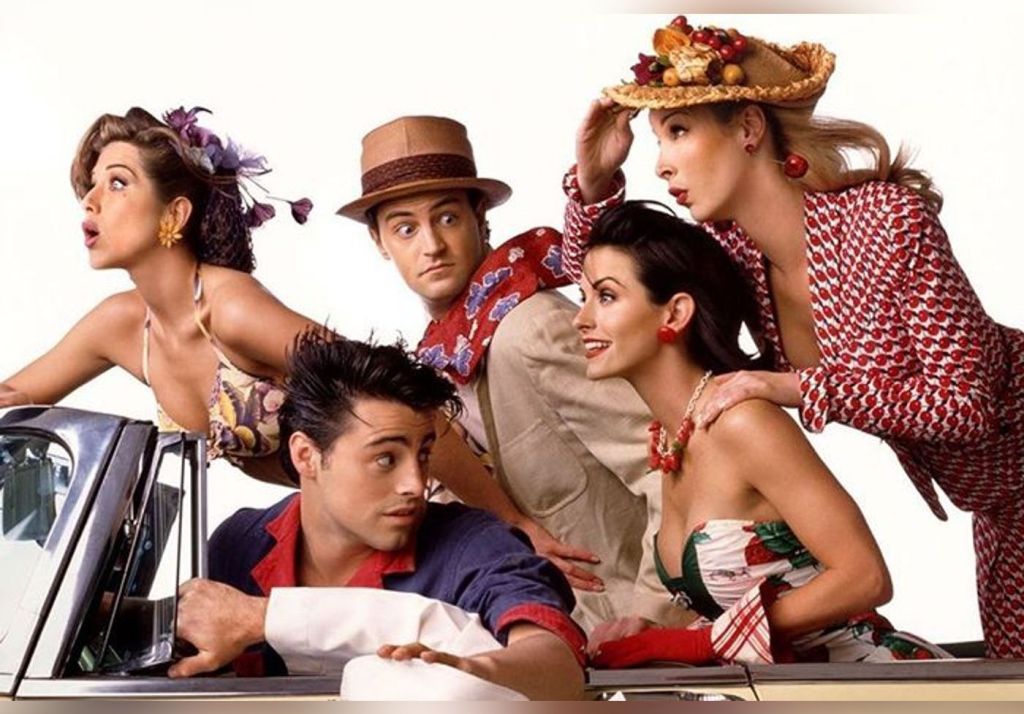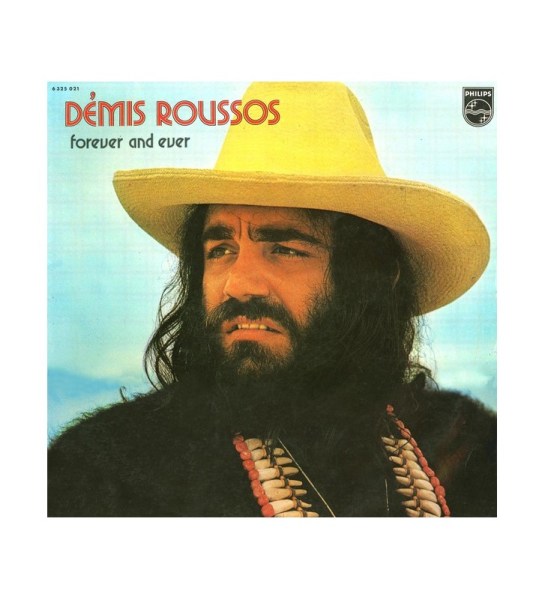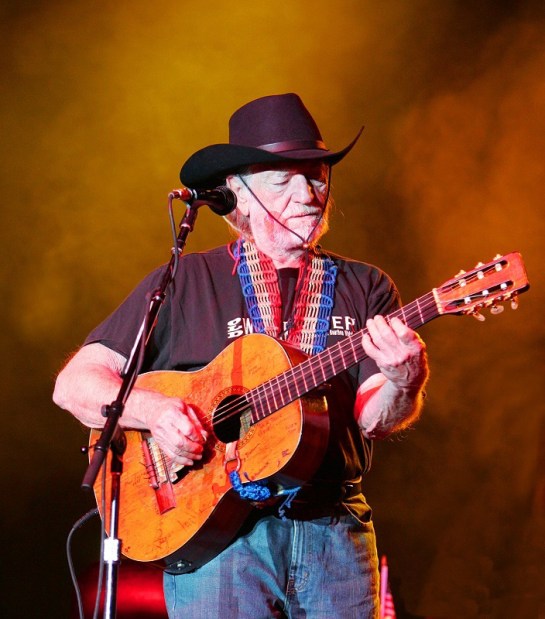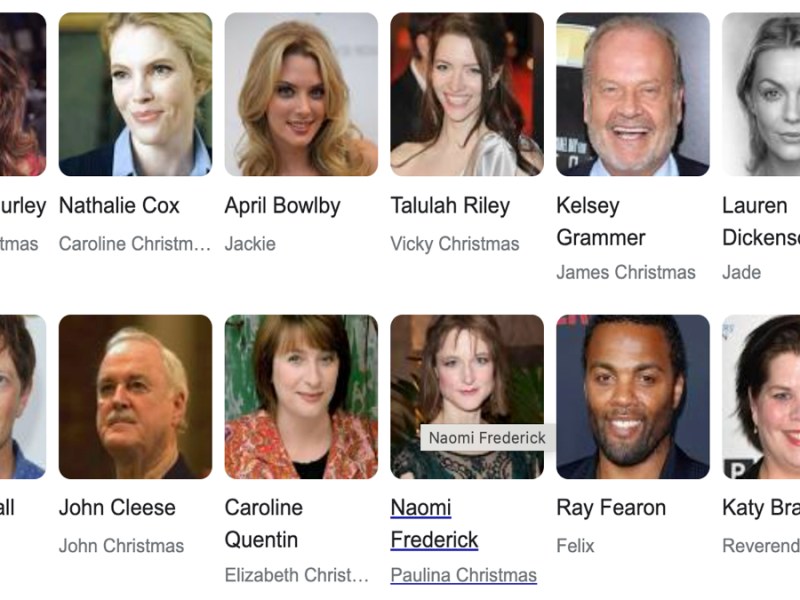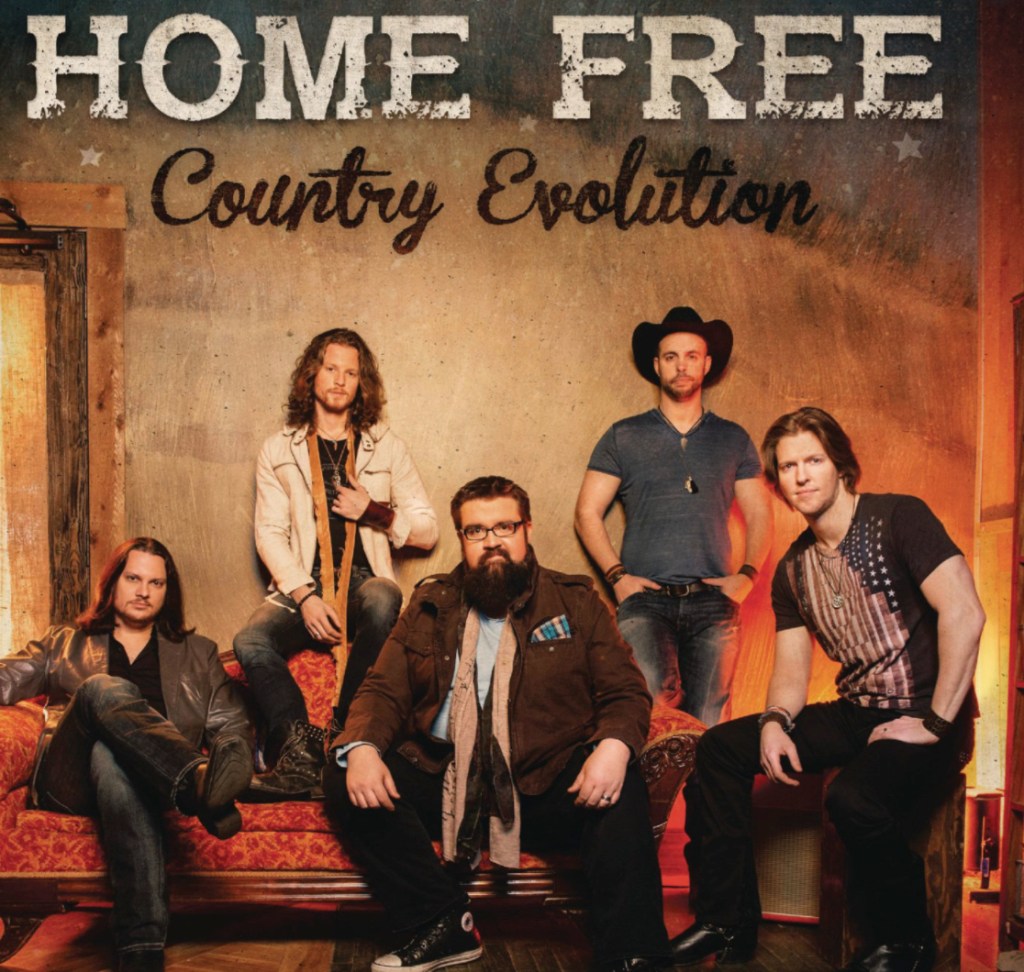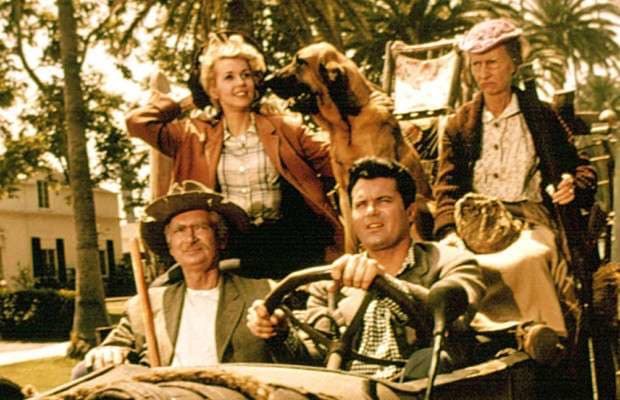
who’s the boss rawhide ( with clint Eastwood) the higj chaparal ( manolito ) Different Strokes I dream of Jeannie bewitched


On the beach, Tony notices a strange bottle that rolls by itself. When he rubs it after removing the stopper, smoke starts shooting out and a Persian-speaking female genie materializes and kisses Tony on the lips, shocking him.
They cannot understand each other until Tony expresses his wish that Jeannie (a homophone of genie) could speak English, which she then does. Then, per his instructions, she “blinks” and causes a recovery helicopter to show up to rescue Tony, who is so grateful, he tells her she is free, but Jeannie, who has fallen in love with Tony at first sight after being trapped for 2,000 years, re-enters her bottle and rolls it into Tony’s duffel bag so she can accompany him back home.
One of the first things Jeannie does, in a subsequent episode, is break up Tony’s engagement to his commanding general’s daughter, Melissa, who, along with that particular general, is never seen or mentioned again. This event reflects producer Sidney Sheldon’s decision that the engagement depicted in the pilot episode would not be part of the series continuity; he realized the romantic triangle he created between Jeannie, Tony, and Melissa would not pan out in the long run.
Tony at first keeps Jeannie in her bottle most of the time, but he finally relents and allows her to enjoy a life of her own. However, her life is devoted mostly to his, and most of their problems stem from her love and affection towards Tony, and her desire to please him and fulfill her ancient heritage as a genie, especially when he does not want her to do so.

His efforts to cover up Jeannie’s antics, because of his fear that he would be dismissed from the space program if her existence were known, brings him to the attention of NASA’s resident psychiatrist, U.S. Air Force Colonel Dr. Alfred Bellows. In a running gag, Dr. Bellows tries over and over to prove to his superiors that Tony is either crazy or hiding something, but he is always foiled (“He’s done it to me again!”) and Tony’s job remains secure.
A frequently used plot device is that Jeannie loses her powers when she is confined in a closed space. She is unable to leave her bottle when it is corked, and under certain circumstances, the person who removed the cork would become her new master. A multiple-episode story arc involves Jeannie (in miniature) becoming trapped in a safe when it is accidentally locked.Eden with husband Michael Ansara as The Blue Djinn (1966)
Tony’s best friend and fellow astronaut, United States Army Corps of Engineers Captain Roger Healey, does not know about Jeannie for several episodes; when he finds out (in the episode “The Richest Astronaut in the Whole Wide World” [January 15, 1966]), he steals her so he can live in luxury, but not for long before Tony reclaims his status as Jeannie’s master.
Roger is often shown as girl-crazy or scheming to make a quick buck. He occasionally has hopes to claim Jeannie so he can use her to live a princely life or gain beautiful girlfriends, but overall he is respectful that Tony is Jeannie’s master, and later her husband. Both Tony and Roger are promoted to the rank of major late in the first season. In later seasons, Roger’s role is retconned to portray him knowing about Jeannie from the beginning (i.e., to him having been with Tony on the space flight that touched down, and thus having seen Jeannie introduce herself to Tony).
Jeannie’s evil fraternal twin sister, mentioned in a second-season episode (also named Jeannie – since, as Barbara Eden’s character explains it, all female genies are named Jeannie — and also portrayed by Barbara Eden, in a brunette wig), proves to have a mean streak starting in the third season (demonstrated in her initial appearance in “Jeannie or the Tiger?” [September 19, 1967]), repeatedly trying to steal Tony for herself, with her as the real “master”.
Her final attempt in the series comes shortly after Tony and Jeannie are married, with a ploy involving a man played by Barbara Eden’s real-life husband at the time, Michael Ansara (in a kind of in-joke, while Jeannie’s sister pretends to be attracted to him, she privately scoffs at him). The evil sister wears a green costume, with a skirt rather than pantaloons.
Early in the fifth season (September 30, 1969), Jeannie is called upon by her uncle Sully (Jackie Coogan) to become queen of their family’s native country, Basenji.
Tony inadvertently gives grave offense to Basenji national pride in their feud with neighboring Kasja. To regain favor, Tony is required by Sully to marry Jeannie and to avenge Basenji’s honor by killing the ambassador from Kasja when he visits NASA.
After Sully puts Tony through an ordeal of nearly killing the ambassador, Tony responds in a fit of anger that he is fed up with Sully and his cohorts and he would not marry Jeannie if she were “the last genie on earth”. Hearing this, Jeannie bitterly leaves Tony and returns to Basenji. With Jeannie gone, Tony realizes how deeply he loves her. That outweighs all concerns he has had about Jeannie’s threat to his career.
He flies to Basenji to win Jeannie back. Upon their return to NASA, Tony introduces Jeannie as his fiancée. She attires herself as a modern American woman in public, and it is easily accepted that Tony has a girlfriend. This changed the show’s premise: instead of to avoid Jeannie’s exposure, it was to hide her magical abilities.
This is contrary to the mythology created by Sidney Sheldon’s own season-two script for “The Birds and Bees Bit”, in which it was claimed that upon marriage a genie loses all of her magical powers.
The role of Jeannie’s mother was played by several actresses:
Sources Wikipedia / Youtube
Savon d’Alep Authentique Et Haut de Gamme de chez Palmyre un produit aux multiples bienfaits. Une recette ancestrale, reconnue depuis la nuit des temps. Vieux de 3500 ans, le Savon d’Alep est considéré comme le plus vieux savon au monde. Palmyre s’engage à vous fournir les meilleurs savons produits en Syrie issue d’une savonnerie historique et considérés comme l’un…
Le Miniatur-Wunderland ou MIWULA est un réseau de train électrique miniature gigantesque. Cette attraction située à Hambourg (Allemagne) est la plus grande de son genre dans le monde ; elle a été construite par les frères jumeaux Gerrit et Frederik Braun. The Miniatur Wunderland is, according to Guinness World Records, the largest model railway system in the world. It is located at the historic Speicherstadt in Hamburg, Germany. Sources Youtube / Wikipedia Autres…
Clint Eastwood , né le 31 mai 1930 à San Francisco: Acteur, réalisateur, compositeur et producteur de cinéma américain. Autodidacte, il entre grâce à des amis au studio Universal où il interprète d’abord de petits rôles dans des séries B, puis l’un des rôles phares d’une longue série, Rawhide. Il est alors remarqué par Sergio Leone qui l’embauche pour la Trilogie du dollar (Pour une poignée de dollars, Et pour quelques dollars de…
Pour revoir les films anciens, les sërieus anciennes, les pièces de théatre des années 60 et 70. Souvenirs et (RE) découverte archives pour les jeunes qui n’ont pas connu et les moins jeunes qui ont connu ( ou non )

https://radiosatellite.online/voirvideo?id=53


https://radiosatellite.online/voirvideo?id=53
Watch this video. A compilation of love . Don’t hesitate to share this love and this page.
watch this video
https://radiosatellite.online/voirvideo?id=41

https://radiosatellite.online/radio?idpages=7


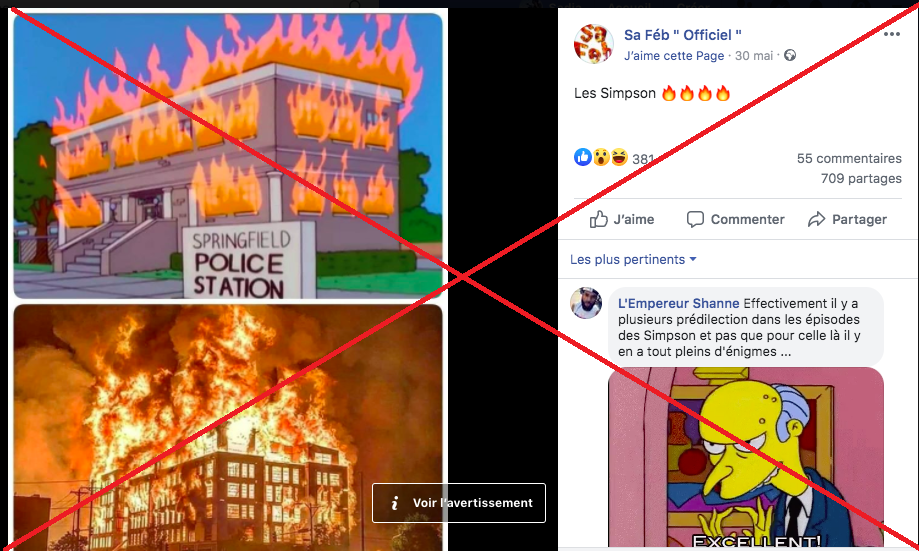
Cette image tirée des Simpson ne montre pas une scène d’émeute liée à des violences policière

En haut: une capture d’écran d’un épisode du dessin animé américain “Les Simpson”. On y voit un bâtiment en feu. Un panneau indique qu’il s’agit du commissariat de Springfield.
En bas: une photo virale d’un immeuble qui brûle, présentée depuis le 28 mai sur les réseaux sociaux comme montrant l’incendie du commissariat de police de Minneapolis où travaillaient les policiers accusés du meurtre de George Floyd.
Ce montage a été largement été partagé sur Facebook et Twitter depuis le 30 mai

George Floyd, 46 ans, est mort le 25 mai à Minneapolis au cours de son interpellation après qu’un policier blanc a plaqué son genou sur son cou pendant pendant 8 minutes et 46 secondes, selon les éléments de la plainte criminelle contre l’agent impliqué.
D’abord inculpé d’homicide involontaire, le policier Derek Chauvin a vu le chef d’accusation requalifié en meurtre le 4 juin. Il devait comparaître devant la justice pour la première fois le 8 juin.
Le décès de George Floyd a déclenché une vague de manifestations contre le racisme et les violences policières à travers les Etats-Unis, qui s’est ensuite étendue à la planète.
Le week-end dernier, des milliers de personnes ont manifesté à travers le monde.
George Floyd, 46 ans, est mort le 25 mai à Minneapolis au cours de son interpellation après qu’un policier blanc a plaqué son genou sur son cou pendant pendant 8 minutes et 46 secondes, selon les éléments de la plainte criminelle contre l’agent impliqué.
D’abord inculpé d’homicide involontaire, le policier Derek Chauvin a vu le chef d’accusation requalifié en meurtre le 4 juin. Il devait comparaître devant la justice pour la première fois le 8 juin.
Le décès de George Floyd a déclenché une vague de manifestations contre le racisme et les violences policières à travers les Etats-Unis, qui s’est ensuite étendue à la planète.
La photo reprise dans les publications montrant un bâtiment dévoré par les flammes a abondamment circulé à partir du 28 mai sur les réseaux sociaux en français, espagnol et anglais. Elle était présentée comme un cliché du commissariat de police incendié.
L’AFP a vérifié cette image le 2 juin et retrouvé son origine
Il s’agit en réalité de l’incendie, le 28 mai au matin, d’un bâtiment en construction, un projet d’immeuble à loyers modérés de six étages et de 189 appartements, relaté notamment par le Star Tribune, un média local.
La scène de l’incendie dans l’épisode des Simpson n’a par ailleurs aucun rapport avec une manifestation ou une émeute.
Elle intervient dans l’épisode 6 de la saison 11 de la série. Intitulé “Homer perd la boule”, cet épisode montre notamment l’emblématique père de la famille Simpson pris dans une notoriété aussi brève qu’inattendue, avant de replonger dans l’anonymat.
Dans l’épisode, Homer croise en voiture le chemin du chef de la police, le chef Wiggum, réputé pour son incompétence.
La séquence où le commissariat brûle sert à le ridiculiser car il ne s’aperçoit pas que son propre commissariat est en train de brûler dans son dos, avant que Homer ne le lui fasse remarquer.
Il n’y a donc aucune prédiction liée aux manifestations qui secouent les Etats-Unis depuis le 26 mai.
Ce n’est pas la première fois que les internautes prêtent aux créateurs de ce dessin animé culte, qui s’inspirent souvent d’événements ou de personnages réels, le pouvoir de prédire l’avenir.
Peu après la mort de George Floyd, un dessin a également circulé sur les réseaux sociaux. On y voit le chef Wiggum plaquer son genou sur le cou d’un homme noir au sol, dans l’exacte même posture que Derek Chauvin avec George Floyd.
Comme vérifiée par l’AFP le 3 juin, l’image n’est pas tirée d’un épisode datant des années 1990 mais était un dessin réalisé par un artiste italien pour sensibiliser à la mort de George Floyd.
En mars, une autre rumeur avait attribué au Simpson l’annonce du nouveau coronavirus dans un épisode datant de 1990.
Cette affirmation a été vérifiée par l’AFP: il s’agissant en réalité d’images extraites d’un épisode qui avaient été retouchées.
Sources AFP
Sadia Mandjo Journaliste AFP au bureau d’Abidjan
factuel.afp.com/cette-image-tiree-des-simpson-ne-montre-pas-une-scene-demeute-liee-des-violences-policieres


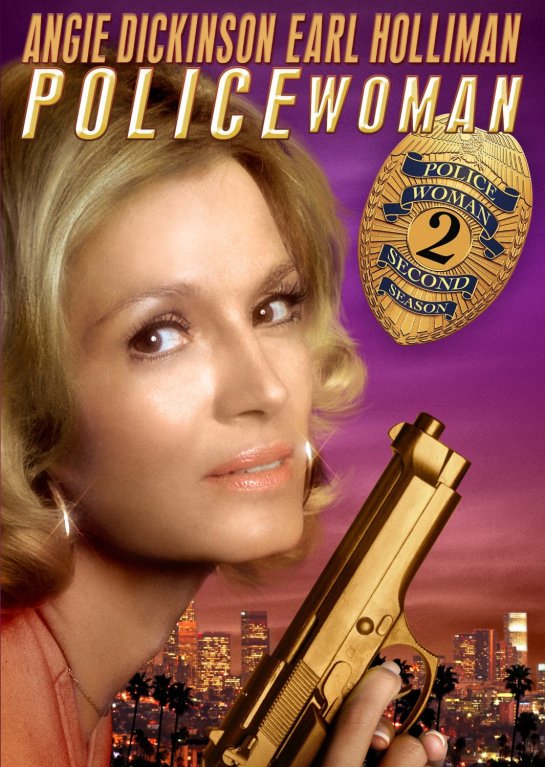
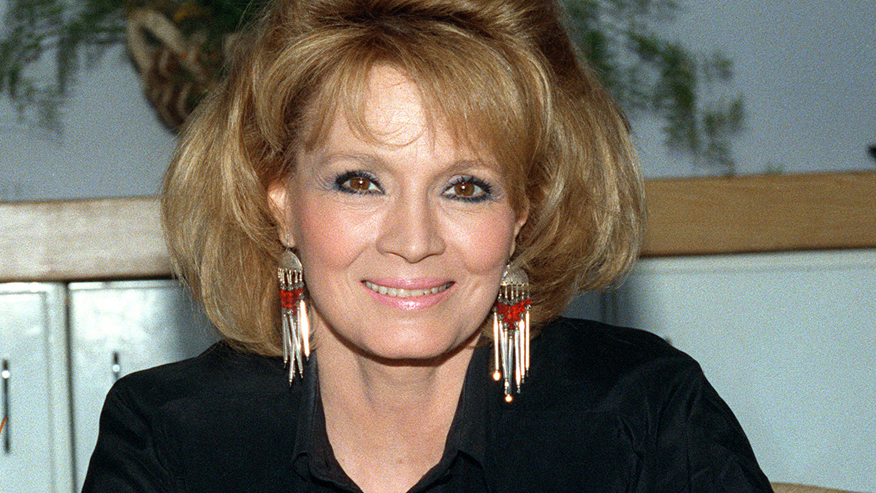
Dickinson has appeared in more than 50 films, including Ocean’s 11 (1960), The Sins of Rachel Cade (1961), Jessica (1962), Captain Newman, M.D. (1963), The Killers (1964), The Art of Love (1965), The Chase (1966) and the neo-noir classic Point Blank (1967). From 1974 to 1978, Dickinson starred as Sergeant Leann “Pepper” Anderson in the NBC crime series Police Woman, for which she received Golden Globe Award for Best Actress – Television Series Drama and three Primetime Emmy Award for Outstanding Lead Actress in a Drama Series nominations.
During her later career, Dickinson starred in a number of television movies and miniseries, also playing supporting roles in films such as Sabrina (1995), Pay It Forward (2000) and Big Bad Love (2001). As lead actress, she starred in the 1980 erotic crime thriller Dressed to Kill, for which she received a Saturn Award for Best Actress.
Dickinson, the second of four daughters, was born Angeline Brown (called “Angie” by family and friends) in Kulm, North Dakota, the daughter of Fredericka (née Hehr) and Leo Henry Brown.
Her family is of German descent and she was raised Roman Catholic.
Her father was a small-town newspaper publisher and editor, working on the Kulm Messenger and the Edgeley Mail.
In 1942, her family moved to Burbank, California, where she attended Bellarmine-Jefferson High School, graduating in 1947 at 15 years of age. The previous year, she had won the Sixth Annual Bill of Rights essay contest.
She studied at Glendale Community College and in 1954 graduated from Immaculate Heart College with a degree in business. Taking a cue from her publisher father, she had intended to be a writer. While a student from 1950–52, she worked as a secretary at Lockheed Air Terminal in Burbank (now Bob Hope Airport) and in a parts factory. She became Angie Dickinson in 1952, when she married football player Gene Dickinson.
Dickinson entered a beauty pageant in 1953 and placed second. The exposure brought her to the attention of a television industry producer, who asked her to consider a career in acting. She studied the craft and a few years later was approached by NBC to guest-star on a number of variety shows, including The Colgate Comedy Hour. She soon met Frank Sinatra, who became a lifelong friend. She later was cast as Sinatra’s wife in the film Ocean’s 11.
On New Year’s Eve 1954, Dickinson made her television acting debut in an episode of Death Valley Days. This led to other roles in such productions as Matinee Theatre (eight episodes), Buffalo Bill Jr., City Detective, It’s a Great Life (two episodes), Gray Ghost, General Electric Theater, Broken Arrow, The People’s Choice (twice), Meet McGraw (twice), Northwest Passage, Gunsmoke, The Virginian, Tombstone Territory, Cheyenne, and The Restless Gun.
In 1956, Dickinson was cast as Ann Drew, who slips a gun to her jailed husband, Harry (John Craven), a former associate of the Jesse James gang, in the ABC/Desilu western series, The Life and Legend of Wyatt Earp, starring Hugh O’Brian. In the story line, Harry vowed never to go to prison and was shot to death while escaping.
In 1957, she was cast as Amy Bender in Richard Boone’s series “Have Gun-Will Travel” in the episode “A Matter of Ethics.” She played the sister of a man who was killed and who wanted the murderer lynched.
In 1958, she was cast as Laura Meadows in the episode “The Deserters” of an ABC/Warner Brothers western series, Colt .45, with Wayde Preston.
That year she also played the role of defendant Mrs. Fargo in the Perry Mason episode “The Case of the One-Eyed Witness.”
Dickinson went on to create memorable characters in Mike Hammer, Wagon Train, and Men into Space. In 1965, she had a recurring role as Carol Tredman on NBC’s Dr. Kildare. She had a memorable turn as the duplicitous murder conspirator in a 1964 episode of The Fugitive series with David Janssen and fellow guest star Robert Duvall. She was at her evil best as an unfaithful wife and bank robber in the 1958 “Wild Blue Yonder” episode of Rod Cameron’s syndicated television series State Trooper.
She starred in two Alfred Hitchcock Hour episodes, “Captive Audience” with James Mason on Oct. 18, 1962, and “Thanatos Palace Hotel” on Feb. 1, 1965.
Dickinson’s motion picture career began with a small, uncredited role in Lucky Me (1954) starring Doris Day, followed by The Return of Jack Slade (1955), Man with the Gun (1955), and Hidden Guns (1956). She had her first starring role in Gun the Man Down (1956) with James Arness, followed by the Sam Fuller cult film China Gate (1957), which depicted an early view of the Vietnam War.
Rejecting the Marilyn Monroe/Jayne Mansfield style of platinum blonde sex-symbolism because she felt it would narrow her acting options, Dickinson initially allowed studios to lighten her naturally brunette hair to only honey-blonde.
She appeared early in her career mainly in B-movies or westerns, including Shoot-Out at Medicine Bend (1957), in which she co-starred with James Garner. In the 1958 crime drama Cry Terror!, Dickinson had a supporting role opposite James Mason and Rod Steiger as a femme fatale.
In 1959, Dickinson’s big-screen breakthrough role came in Howard Hawks’ Rio Bravo, in which she played a flirtatious gambler called “Feathers” who becomes attracted to the town sheriff played by Dickinson’s childhood idol John Wayne. The film co-starred Dean Martin, Ricky Nelson, and Walter Brennan. When Hawks sold his personal contract with her to a major studio without her knowledge, she was unhappy. Dickinson nonetheless became one of the more prominent leading ladies of the next decade, beginning with The Bramble Bush with Richard Burton. She also took a supporting role in Ocean’s 11 with friends Sinatra and Martin, released in 1960.
These were followed by a political potboiler, A Fever in the Blood (1961); a Belgian Congo-based melodrama, The Sins of Rachel Cade (1961), in which she played a missionary nurse tempted by lust; a scheming woman in Rome Adventure (1962), filmed in Italy, and the title role in Jean Negulesco’s Jessica (1962) with Maurice Chevalier, in which she played a young midwife resented by the married women of the town, set in Sicily.
Angie would also share the screen with friend Gregory Peck as a military nurse in the dark comedy Captain Newman, M.D. (1963).
For The Killers (1964), originally intended to be the very first made-for-television movie but released to theatres due to its violent content, Dickinson played a femme fatale opposite future U.S. President Ronald Reagan in his last movie role.
Directed by Don Siegel, it was a remake of the 1946 version based on a story by Ernest Hemingway and the only film Reagan made in which he was cast as a villain. He viciously slaps Dickinson in one of the film’s scenes.[8]
Dickinson co-starred in the comedy The Art of Love (1965), playing the love interest of both James Garner and Dick Van Dyke. She joined a star-studded Arthur Penn/Sam Spiegel production, The Chase (1966), along with Marlon Brando, Jane Fonda, Robert Redford, and Robert Duvall. That same year she was featured in Cast a Giant Shadow, a war story with Kirk Douglas.
Dickinson’s best movie of this era was arguably John Boorman’s cult classic Point Blank (1967), a lurid crime drama with Lee Marvin as a criminal betrayed by his wife and best friend and out for revenge. The film epitomized the stark urban mood of the period, and its reputation has grown through the years.
Westerns would continue to be a part of her work in the late ’60s, when she starred in The Last Challenge opposite Glenn Ford, in Young Billy Young with Robert Mitchum, and in Sam Whiskey, where she gave rising star Burt Reynolds his first on-screen kiss.
In 1971, she played a lascivious substitute high school teacher in the dark comedy Pretty Maids All in a Row for director Roger Vadim and writer-producer Gene Roddenberry, in which her character seduces a sexually inexperienced student, portrayed by John David Carson, against the backdrop of a series of murders of female students at the same high school; it was a box-office failure. In 1972’s The Outside Man, a French movie shot in L.A., with Jean-Louis Trintignant, directed by Jacques Deray, she plays the wife of a mobster. In 1973, she co-starred with Roy Thinnes in the supernatural thriller The Norliss Tapes, a TV movie produced and directed by Dan Curtis.
One of Dickinson’s best known and most sexually provocative movie roles followed, that of the tawdry widow Wilma McClatchie from the Great Depression romp Big Bad Mama (1974) with William Shatner and Tom Skerritt. Although well into her forties at the time, she appeared nude in several scenes, which created interest in the movie and a new generation of male fans for Dickinson.
A 1966 Esquire magazine cover gained Dickinson additional fame and notoriety, her having posed in nothing but a sweater and a pair of panty hose. The photo became so iconic that, while celebrating the magazine’s 70th anniversary in 2003, the Dickinson pose was recreated for the cover by Britney Spears.
Dickinson as Pepper Anderson, 1975 in Police Woman
Dickinson returned to the small screen in March 1974 for an episode of the critically acclaimed hit anthology series Police Story. That one guest appearance proved to be so popular that NBC offered Dickinson her own television show, which became a ground-breaking weekly series called Police Woman; it was the first successful dramatic TV series to feature a woman in the title role. At first, Dickinson was reluctant, but when producers told her she could become a household name, she accepted the role. They were right.
In the series, she played Sgt. Leann “Pepper” Anderson, an officer of the Los Angeles Police Department’s Criminal Conspiracy Unit who often works undercover.
The show became a hit, reaching number one in many countries in which it aired during its first year. It ran for four seasons and Dickinson would win a Golden Globe award, and receive Emmy nominations for three consecutive years.
Co-starring on the show was Earl Holliman as Sergeant Bill Crowley, Anderson’s commanding officer, along with Charles Dierkop as investigator Pete Royster and Ed Bernard as investigator Joe Styles.
The series ran from 1974 to 1978. The same year the show ended, Dickinson reprised her Pepper Anderson character on the television special Ringo, co-starring with Ringo Starr and John Ritter. She also parodied the part in the 1975 and 1979 Bob Hope Christmas specials for NBC. She would do the same years later on the 1987 Christmas episode of NBC’s Saturday Night Live.
Police Woman caused a surge of applications for employment from women to police departments around the United States; journalists who have in recent years examined the inspiration for long-term female law enforcement officials to adopt this vocation as their own have been surprised by how often Dickinson’s Police Woman has been referenced.
Dickinson and Police Woman proved that a female lead could carry an hour-long television series, paving the way for several female-starring, hour-long TV series during the 1970s and 1980s, such as Charlie’s Angels, Wonder Woman, The Bionic Woman and Cagney and Lacey. In 1987, the Los Angeles Police Department awarded Dickinson an honorary doctorate, which led her to quip, “Now you can call me Doctor Pepper.”
On occasion during the 1970s, Dickinson took part in the popular Dean Martin Celebrity Roast on television, and herself was the guest of honor on August 2, 1977, roasted by a dais of celebrities that included James Stewart, Orson Welles and her Police Woman series co-star Earl Holliman.
Having done a television series plus the mini-series Pearl (1978) about the Pearl Harbor bombing of 1941, Dickinson’s career in feature films appeared to be in decline. But she returned to the big screen in Brian De Palma’s erotic thriller Dressed to Kill (1980), for which she gained considerable notice, particularly for a long, silent scene in a museum before the character meets her fate. The role of Kate Miller, a sexually frustrated New York housewife, earned her a 1981 Saturn Award for Best Actress. “The performers are excellent,” wrote Vincent Canby in his July 25, 1980 New York Times review, “especially Miss Dickinson.”
She took a less substantial role in 1981’s Death Hunt, reuniting her with Lee Marvin, and also appeared in Charlie Chan and the Curse of the Dragon Queen. Earlier that year, she had been the first choice to play the character Krystle Carrington on the television series Dynasty but, deciding she wanted to spend more time with her daughter, she turned it down; the role instead went to Linda Evans. In the mid-1980s Dickinson declined the role of Sable Colby on the Dynasty spin-off, The Colbys.
After nixing her own Johnny Carson-produced prospective sitcom, The Angie Dickinson Show, in 1980 after only two episodes had been shot because she did not feel she was funny enough, the private-eye series Cassie & Co. became her unsuccessful attempt at a television comeback. She then starred in several TV movies, such as One Shoe Makes It Murder (1982), Jealousy (1984), A Touch of Scandal (1984), and Stillwatch (1987). She had a pivotal role in the highly rated mini-series Hollywood Wives (1985), based on a novel by Jackie Collins.
In 1982, and again in 1986, Dickinson appeared in two of Perry Como’s Christmas specials for the ABC television network, in both of which she did something she was not known to have done before: singing. The specials in which she appeared, and in which she sang songs, were Perry Como’s Christmas In Paris, produced on location in Paris, France, which was transmitted on Saturday, December 18, 1982, and The Perry Como Christmas Special, produced on location in San Antonio, Texas, and transmitted on Saturday, December 6, 1986. As of early January of 2013, these two specials were not known to be available on home video.[citation needed] Dickinson later denied having sung on camera since then in an interview with Larry King conducted at the approximate time of her appearance in Duets.
In motion pictures, Dickinson reprised her role as Wilma McClatchie for Big Bad Mama II (1987) and completed the television movie Kojak: Fatal Flaw, in which she was reunited with Telly Savalas. She co-starred with Willie Nelson and numerous buddies in the 1988 television western Once Upon a Texas Train.
She was presented one of the Golden Boot Awards in 1989 for her contributions to western cinema.
In the 1993 ABC miniseries Wild Palms, produced by Oliver Stone, she was the sadistic, militant sister of Senator Tony Kruetzer, played by Robert Loggia. That same year, she starred as a ruthless Montana spa owner in Gus Van Sant’s Even Cowgirls Get the Blues with Uma Thurman.
In 1995, Sydney Pollack cast her as the prospective mother-in-law of Greg Kinnear in the romantic comedy Sabrina starring Harrison Ford, a remake of the Billy Wilder classic. She played Burt Reynolds’ wife in the thriller The Maddening and the mother of Rick Aiello and Robert Cicchini in the National Lampoon comedy The Don’s Analyst. In 1997, she seduced old flame Artie (Rip Torn) in an episode of HBO’s The Larry Sanders Show called “Artie and Angie and Hank and Hercules.”
Dickinson acted out the alcoholic, homeless mother of Helen Hunt’s character in Pay It Forward (2000); the grandmother of Gwyneth Paltrow’s character in the drama Duets (2000), and the mother of Arliss Howard’s character in Big Bad Love (2001), co-starring Debra Winger.
Having appeared in the original Ocean’s 11 (1960) with good friends Frank Sinatra and Dean Martin, four decades later she made a brief cameo in the 2001 remake with George Clooney and Brad Pitt.
An avid poker player, during the summer of 2004 she participated in the second season of Bravo’s Celebrity Poker Showdown. After announcing her name, host Dave Foley said, “Sometimes, when we say ‘celebrity,’ we actually mean it.”
Dickinson is a recipient of the state of North Dakota’s Rough Rider Award.
In 1999, Playboy ranked Dickinson No. 42 on their list of the “100 Sexiest Stars of the Century.” In 2002, TV Guide ranked her No. 3 on a list of the “50 Sexiest Television Stars of All Time,” behind Diana Rigg and George Clooney (who tied for No. 1).
In 2009, Dickinson starred in a Hallmark Channel film, Mending Fences. It is her last screen role to date.
With husband-composer Burt Bacharach and new child, 1966
She was married to Gene Dickinson, a former football player, from 1952 to 1960. Close friends with John Kenneth Galbraith and Catherine Galbraith, her extensive visits to them and touring when John was American Ambassador to India is amply recounted in Galbraith memoirs including Ambassador’s Journal and A Life in Our Times. Dickinson kept her married name after her first divorce.
She married Burt Bacharach in 1965. They remained a married couple for 15 years, though late in their marriage, they had a period of separation where each dated other people.
Their daughter, Lea Nikki, known as Nikki, arrived a year after they were married. Born three months prematurely, Nikki suffered from chronic health problems, including visual impairment; she was later diagnosed with Asperger syndrome. Burt composed the music of the song Nikki for their fragile young daughter, and Angie rejected many roles to focus on caring for their daughter. Nikki’s parents eventually placed her at the Wilson Center, a psychiatric residential treatment facility for adolescents in Faribault, Minnesota, where she remained for nine years. Later, Nikki studied geology at California Lutheran University, but her poor eyesight prevented her from pursuing a career in that field. On January 4, 2007, Nikki killed herself by suffocation in her apartment in the Ventura County suburb of Thousand Oaks. She was 40.
In a joint statement, Dickinson and Bacharach said, “She quietly and peacefully committed suicide to escape the ravages to her brain brought on by Asperger’s… She loved kitties, earthquakes, glacial calving, meteor showers, science, blue skies and sunsets, and Tahiti. She was one of the most beautiful creatures created on this earth, and she is now in the white light, at peace.”
In a 2006 interview with NPR, Dickinson stated that she was a Democrat. She supported John F. Kennedy’s presidential campaign in 1960.
| Year | Title | Role | Notes |
|---|---|---|---|
| 1954 | Lucky Me | Party Guest | Uncredited |
| 1955 | Tennessee’s Partner | Abby Dean | |
| 1955 | The Return of Jack Slade | Polly Logan | |
| 1955 | Man with the Gun | Kitty | Uncredited |
| 1956 | Down Liberty Road | Mary | Short film |
| 1956 | Hidden Guns | Becky Carter | |
| 1956 | Tension at Table Rock | Cathy | |
| 1956 | Gun the Man Down | Janice | |
| 1956 | The Black Whip | Sally Morrow | |
| 1957 | Shoot-Out at Medicine Bend | Priscilla King | |
| 1957 | China Gate | Lucky Legs | |
| 1957 | Calypso Joe | Julie | |
| 1957 | Run of the Arrow | Yellow Moccasin | Voice |
| 1958 | I Married a Woman | Screen Wife | |
| 1958 | Cry Terror! | Eileen Kelly | |
| 1959 | Rio Bravo | Feathers | |
| 1960 | I’ll Give My Life | Alice Greenway Bradford | |
| 1960 | The Bramble Bush | Fran | |
| 1960 | Ocean’s Eleven | Beatrice Ocean | |
| 1961 | A Fever in the Blood | Cathy Simon | |
| 1961 | The Sins of Rachel Cade | Rachel Cade | |
| 1962 | Jessica | Jessica Brown Visconti | |
| 1962 | Rome Adventure | Lyda Kent | |
| 1963 | Captain Newman, M.D. | Lt. Francie Corum | |
| 1964 | The Killers | Sheila Farr | |
| 1965 | The Art of Love | Laurie Gibson | |
| 1966 | The Chase | Ruby Calder | |
| 1966 | Cast a Giant Shadow | Emma Marcus | |
| 1966 | The Poppy Is Also a Flower | Linda Benson | |
| 1967 | Point Blank | Chris | |
| 1967 | The Last Challenge | Lisa Denton | |
| 1969 | Sam Whiskey | Laura Breckenridge | |
| 1969 | Some Kind of a Nut | Rachel Amidon | |
| 1969 | Young Billy Young | Lily Beloit | |
| 1971 | Pretty Maids All in a Row | Miss Betty Smith | |
| 1971 | The Resurrection of Zachary Wheeler | Dr. Layle Johnson | |
| 1972 | The Outside Man | Jackie Kovacs | |
| 1974 | Big Bad Mama | Wilma McClatchie | |
| 1979 | L’homme en colère | Karen | |
| 1980 | Klondike Fever | Belinda McNair | |
| 1980 | Dressed to Kill | Kate Miller | |
| 1981 | Charlie Chan and the Curse of the Dragon Queen | Dragon Queen | |
| 1981 | Death Hunt | Vanessa McBride | |
| 1987 | Big Bad Mama II | Wilma McClatchie | |
| 1993 | Even Cowgirls Get the Blues | Miss Adrian | |
| 1995 | Sabrina | Ingrid Tyson | |
| 1996 | The Maddening | Georgina Scudder | |
| 1996 | The Sun, the Moon and the Stars | Abbie McGee | |
| 2000 | The Last Producer | Poker Player | Cameo |
| 2000 | Duets | Blair | |
| 2001 | Pay It Forward | Grace | |
| 2001 | Big Bad Love | Mrs. Barlow | |
| 2001 | Ocean’s Eleven | Boxing Spectator | Cameo |
| 2004 | Elvis Has Left the Building | Bobette |
| Year | Title | Role | Notes |
|---|---|---|---|
| 1954 | I Led 3 Lives | Comrade Margaret | Episode: “Asylum” |
| 1954 | The Mickey Rooney Show | Receptionist | Episode: “The Executive” |
| 1954 | Death Valley Days | Salina Harris | 3 episodes |
| 1955 | City Detective | Cigarette Girl | Episode: “The Perfect Disguise” |
| 1955 | Buffalo Bill, Jr. | Anna Louise Beaumont | Episode: “The Death of Johnny Ringo” |
| 1955 | Matinee Theatre | 7 episodes | |
| 1955 | It’s a Great Life | Myra | Episode: “The Raffle Ticket” |
| 1956 | General Electric Theater | Shaw | Episode: “Try to Remember” |
| 1956 | It’s a Great Life | Rita Moore | Episode: “The Voice” |
| 1956 | The Life and Legend of Wyatt Earp | Ann Drew | Episode: “One of Jesse’s Gang” |
| 1956 | Chevron Hall of Stars | Bertha | Episode: “Mr. Thompson” |
| 1956 | Four Star Playhouse | Episode: “The Rites of Spring” | |
| 1956 | The Millionaire | Jane Carr / Janice Corwin | Episode: “Millionaire Jane Carr” |
| 1956 | Schlitz Playhouse of Stars | Ann | Episode: “Always the Best Man” |
| 1956 | Broken Arrow | Terry Weaver | Episode: “The Conspirators” |
| 1957 | The Gray Ghost | Edie Page | Episode: “Point of Honor” |
| 1957 | Gunsmoke | Rose Daggit | Episode: “War Party” |
| 1957 | Alcoa Theatre | Mrs. Garron | Episode: “Circumstantial” |
| 1957 | Have Gun – Will Travel | Amy Bender | Episode: “A Matter of Ethics” |
| 1956-1957 | The Lineup | Doris Collins | 3 episodes |
| 1957 | M Squad | Hazel McLean | Episode: “Diamond Hard” |
| 1957 | Meet McGraw | Mary Gaan | Episode: “Tycoon” |
| 1957 | Meet McGraw | Lisa Parish | Episode: “McGraw in Reno” |
| 1958 | The Restless Gun | Evelyn Niemack | Episode: “Imposter for a Day” |
| 1958 | Perry Mason | Marian Gallagher | Episode: “The Case of the One-Eyed Witness” |
| 1958 | The Bob Cummings Show | Milly | Episode: “Bob and Automation” |
| 1958 | Tombstone Territory | Dolores | Episode: “Geronimo” |
| 1958 | State Trooper | Betty Locke | Episode: “Wild Green Yonder” |
| 1958 | Colt .45 | Laura Meadows | Episode: “The Deserters” |
| 1958 | Studio 57 | Episode: “Gambler’s Luck” | |
| 1958 | The People’s Choice | Geraldine Gibson Hexley | Episodes: “Rollo Makes Good” and “Rollo’s Wedding” |
| 1958 | Mike Hammer | Lucille Hart | Episode: “Letter Edged in Blackmail” |
| 1958 | Mike Hammer | Rita Patten | Episode: “Look at the Old Man Go” |
| 1958 | Target | Betty Nelson | Episode: “Unreasonable Doubt” |
| 1958 | Northwest Passage | Rose Carver | Episode: “The Bound Women” |
| 1958 | Man with a Camera | Norma Delgado | Episode: “Closeup on Violence” |
| 1959 | Wagon Train | Clara Duncan | Episode: “The Clara Duncan Story” |
| 1959 | Men Into Space | Mary McCauley | Episode: “Moon Probe” |
| 1960 | Lock Up | Betty Nelson | Episode: “Sentenced to Die” |
| 1962 | Checkmate | Karen Vale | Episode: “Remembrance of Crimes Past” |
| 1962 | The Alfred Hitchcock Hour | Janet West | Episode: “Captive Audience” |
| 1962 | The Dick Powell Show | Judy Maxwell | Episode: “No Strings Attached” |
| 1964 | The Fisher Family | Helen | Episode: “Bright Shadows” |
| 1965 | The Fugitive | Norma Sessions | Episode: “Brass Ring” |
| 1965 | The Man Who Bought Paradise | Ruth Paris | Pilot |
| 1965 | The Alfred Hitchcock Hour | Ariane Shaw | Episode: “Thanatos Palace Hotel” |
| 1965 | Dr. Kildare | Carol Tredman | 3 episodes |
| 1966 | The Virginian | Annie Carlson | Episode: “Ride to Delphi” |
| 1966 | Bob Hope Presents the Chrysler Theatre | Christina | Episode: “And Baby Makes Five” |
| 1968 | A Case of Libel | Anita Corcoran | Television film |
| 1970 | The Love War | Sandy | Television film |
| 1971 | Thief | Jean Melville | Television film |
| 1971 | The Man and the City | Charlene | Episode: “Running Scared” |
| 1971 | See the Man Run | Joanne Taylor | Television film |
| 1972 | Ghost Story | Carol Finney | Episode: “Creatures of the Canyon” |
| 1973 | The Norliss Tapes | Ellen Sterns Cort | Television film |
| 1973 | Hec Ramsey | Sarah Detweiler | Episode: “The Detroit Connection” |
| 1974 | Pray for the Wildcats | Nancy McIlvain | Television film |
| 1974 | Police Story | Lisa | Episode: “The Gamble” |
| 1977 | A Sensitive, Passionate Man | Marjorie ‘Margie’ Delaney | Television film |
| 1974-1978 | Police Woman | Sgt. Suzanne ‘Pepper’ Anderson | Series regular, 91 episodes |
| 1978 | Ringo | Sgt. Suzanne ‘Pepper’ Anderson | Television film |
| 1978 | Overboard | Lindy Garrison | Television film |
| 1978 | Pearl | Midge Forrest | Miniseries |
| 1979 | The Suicide’s Wife | Diana Harrington | Television film |
| 1981 | Dial M for Murder | Margot Wendice | Television film |
| 1982 | Cassie & Co. | Cassie Holland | Series regular, 13 episodes |
| 1982 | One Shoe Makes It Murder | Fay Reid | Television film |
| 1984 | Jealousy | Georgia / Laura / Ginny | Television film |
| 1984 | A Touch of Scandal | Katherine Gilvey | Television film |
| 1984 | Hollywood Wives | Sadie LaSalle | Miniseries |
| 1987 | Stillwatch | Abigail Winslow | Television film |
| 1987 | Police Story: The Freeway Killings | Officer Anne Cavanaugh | Television film |
| 1988 | Once Upon a Texas Train | Maggie Hayes | Television film |
| 1989 | Fire and Rain | Beth Mancini | Television film |
| 1989 | Prime Target | Sgt. Kelly Mulcahaney | Television film |
| 1991 | Empty Nest | Jackie Sheridan | Episode: “Almost Like Being in Love” |
| 1991 | Kojak: Fatal Flaw | Carolyn Payton | Television film |
| 1992 | Treacherous Crossing | Beverly Thomas | Television film |
| 1993 | Wild Palms | Josie Ito | Miniseries |
| 1993 | Daddy Dearest | Mrs. Winters | Episode: “Mother Love” |
| 1996 | Remembrance | Margaret Fullerton | Television film |
| 1997 | Deep Family Secrets | Rénee Chadway | Television film |
| 1997 | The Don’s Analyst | Victoria Leoni | Television film |
| 1997 | Diagnosis Murder | Capt. Cynthia Pike | Episode: “Murder Blues” |
| 1997 | Ellen | Betsy | Episode: “G.I. Ellen” |
| 1997 | George & Leo | Sheila Smith | Episode: “The Witness” |
| 1999 | Sealed with a Kiss | Lucille Ethridge | Television film |
| 2004 | Judging Amy | Evelyn Worth | Episode: “Catching It Early” |
| 2009 | Mending Fences | Ruth Hanson | Television film |
You can read also : Vous pouvez lire aussi : JOHN WAYNE
Sources Wikipedia