Simon & Garfunkel


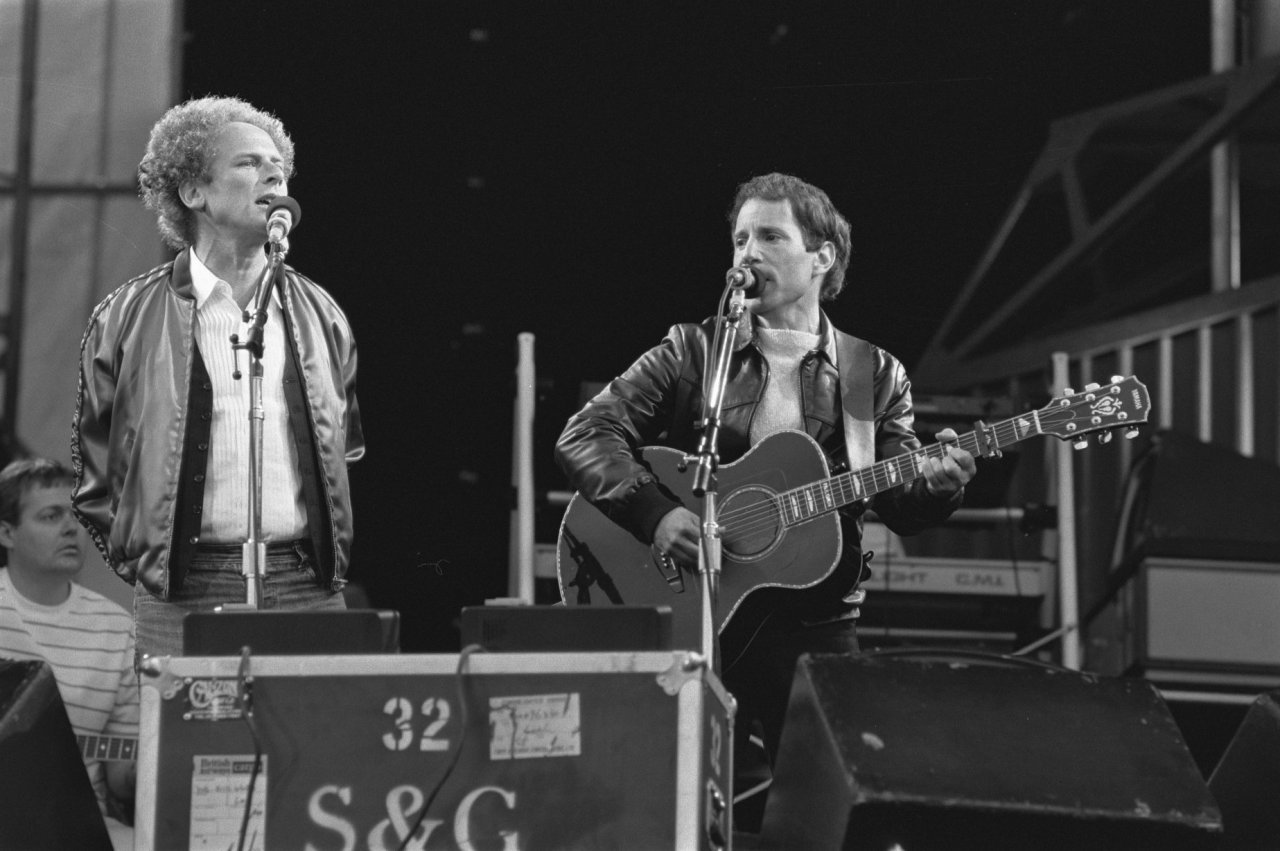
Simon & Garfunkel was an American folk rock duo consisting of singer-songwriter Paul Simon and singer Art Garfunkel. They were one of the most popular recording artists of the 1960s and became counterculture icons of the decade’s social revolution, alongside artists such as the Beatles, the Beach Boys, and Bob Dylan.

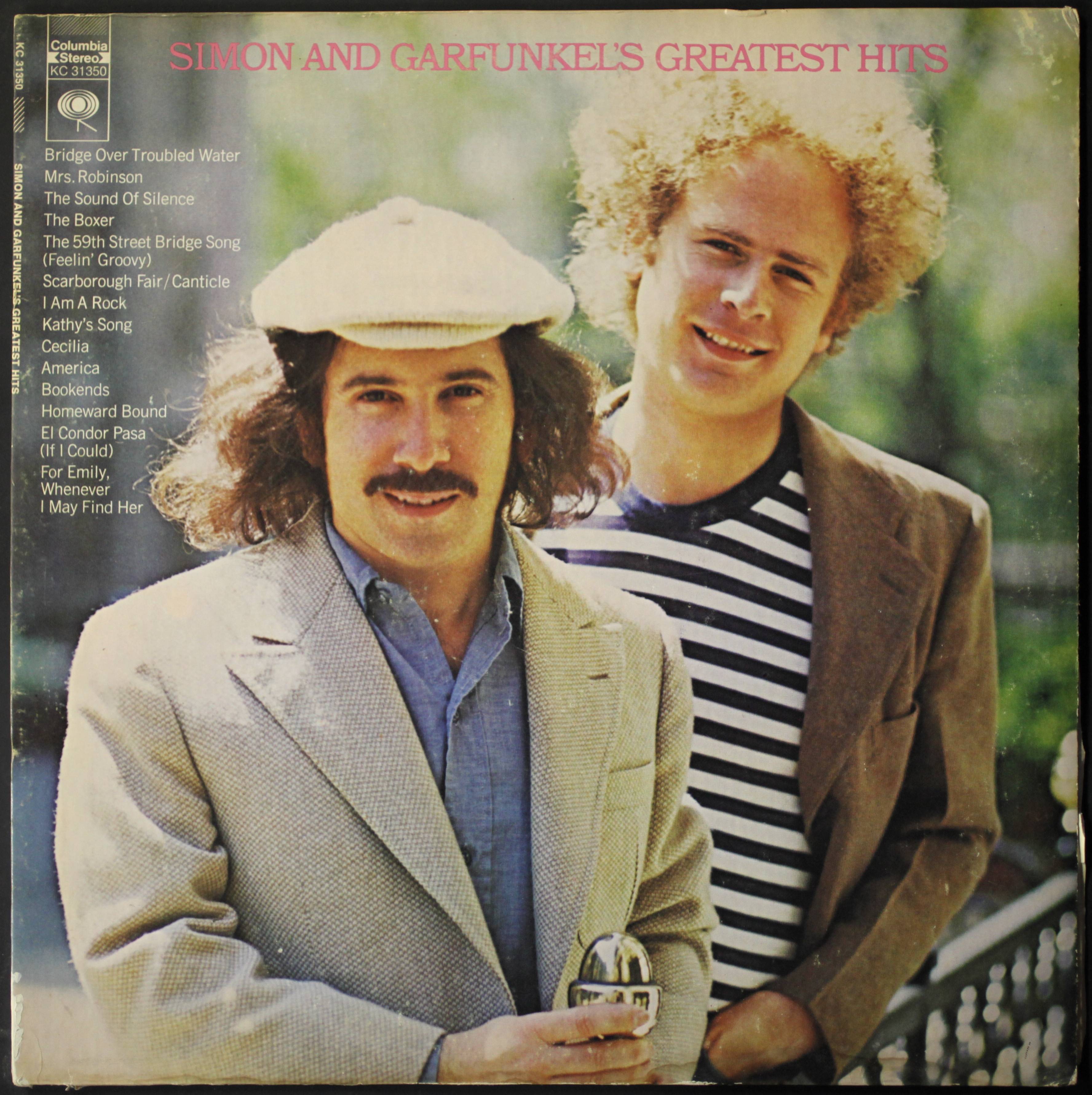
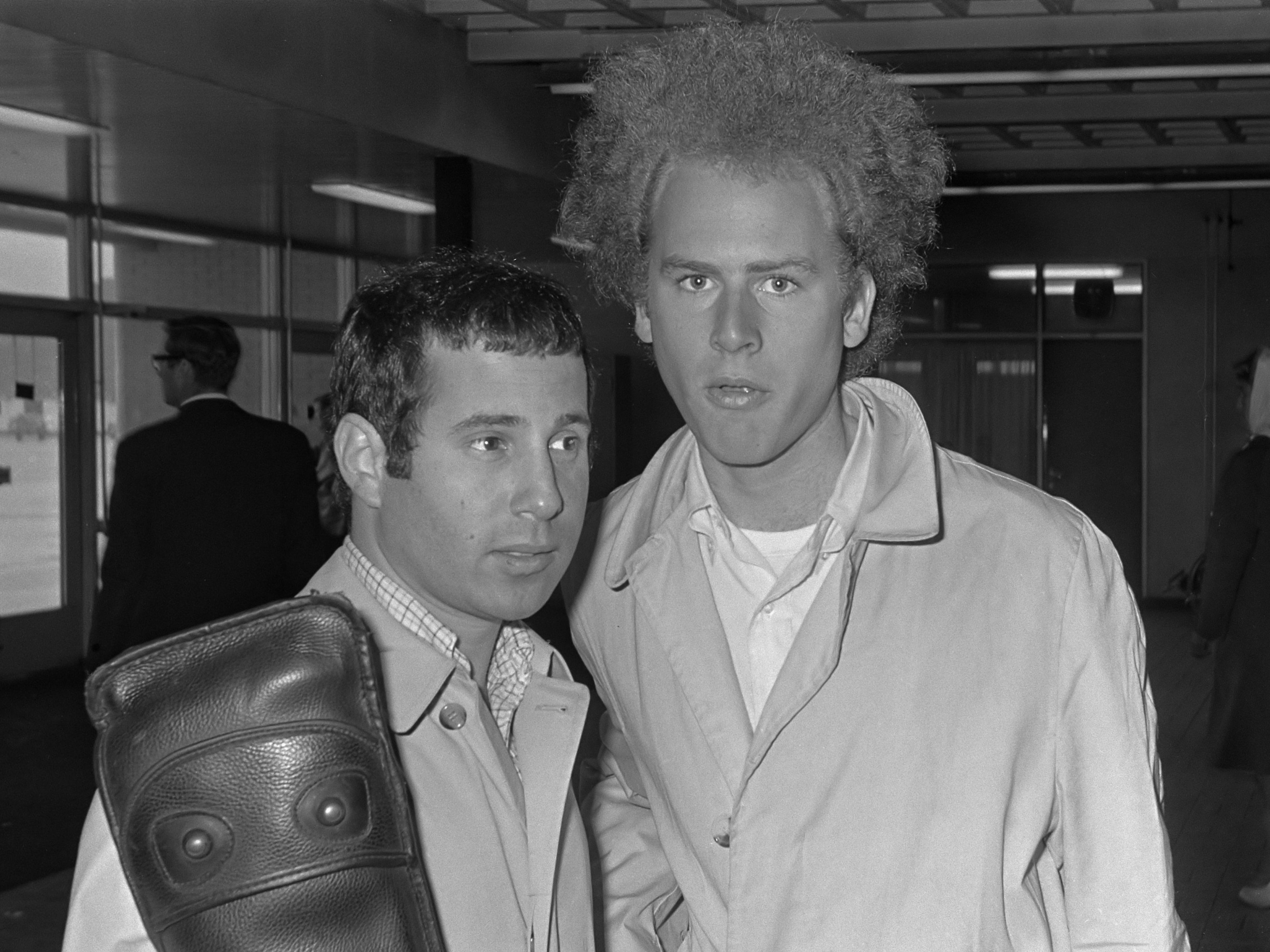
Simon and Garfunkel3

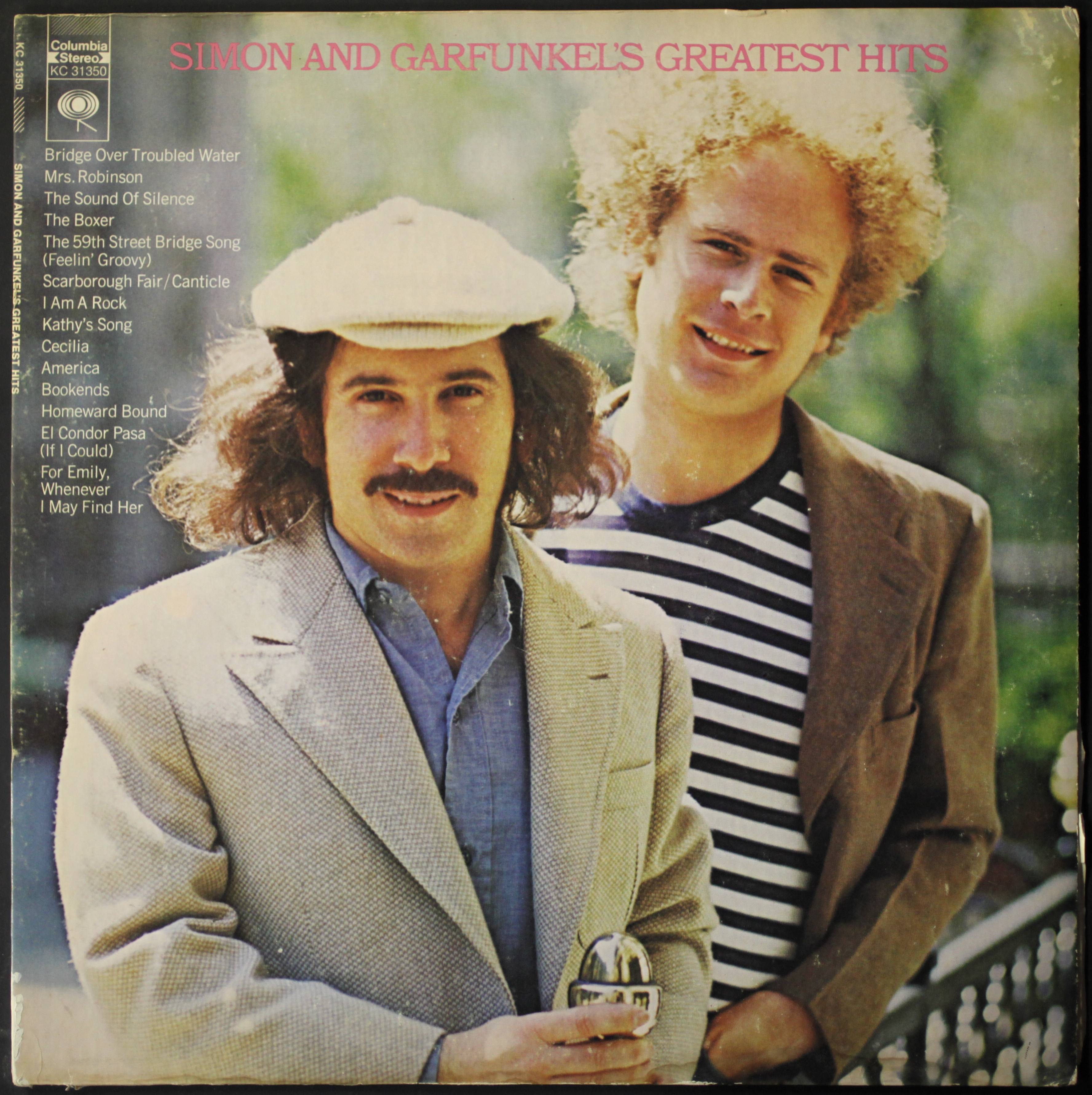
Simon and Garfunkel album cover 1

English article / En Français plus bas svp / French below

Their biggest hits—including “The Sound of Silence” (1964/1965), “Mrs. Robinson” (1968), “Bridge over Troubled Water” (1969), and “The Boxer” (1969)—reached number one on singles charts worldwide.

Their often rocky relationship led to artistic disagreements, which resulted in their breakup in 1970.

Their final studio record, Bridge over Troubled Water, was their most successful, becoming one of the world’s best-selling albums. Since their split in 1970 they have reunited several times, most famously in 1981 for the “The Concert in Central Park”, which attracted more than 500,000 people, the seventh-largest concert attendance in history.

The duo met as children in Queens, New York in 1953, where they learned to harmonize together and began writing original material. By 1957, under the name Tom & Jerry, the teenagers had their first minor success with “Hey Schoolgirl”, a song imitating their idols the Everly Brothers.

Afterwards, the duo went their separate ways, with Simon making unsuccessful solo records. In 1963, aware of a growing public interest in folk music, they regrouped and were signed to Columbia Records as Simon & Garfunkel. Their début, Wednesday Morning, 3 A.M., sold poorly, and they once again disbanded;

Simon returned to a solo career, this time in England. A remix of their song “The Sound of Silence” was played widely on U.S. AM radio in 1965, reaching number one on the Billboard Hot 100. Simon & Garfunkel reunited, releasing their second studio album Sounds of Silence and touring colleges nationwide.

On their third release, Parsley, Sage, Rosemary and Thyme (1966), the duo assumed more creative control. Their music was featured in the 1967 film The Graduate, giving them further exposure. Bookends (1968), their next album, topped the Billboard 200 chart and included the #1 single “Mrs. Robinson” from the film.

After their 1970 breakup following the release of Bridge over Troubled Water, they both continued recording, Simon releasing a number of highly acclaimed albums, including 1986’s Graceland.

Garfunkel also briefly pursued an acting career, with leading roles in two Mike Nichols films, Catch-22 and Carnal Knowledge, and in Nicolas Roeg’s 1980 Bad Timing.

Simon & Garfunkel were described by critic Richie Unterberger as “the most successful folk-rock duo of the 1960s” and one of the most popular artists from the decade in general. They won 10 Grammy Awards and were inducted into the Rock and Roll Hall of Fame in 1990.

Their Bridge over Troubled Water album was nominated at the 1977 Brit Awards for Best International Album and is ranked at #51 on Rolling Stone’s 500 Greatest Albums of All Time.

Early years (1953–1956)

Paul Simon and Art Garfunkel grew up in the 1940s and 1950s in the predominantly Jewish neighborhood of Forest Hills in Queens, New York, just three blocks away from one another, and attended the same schools, Public School 164 in Flushing, Parsons Junior High School, and Forest Hills High School.

Individually, when still young, they developed a fascination with music; both listened to the radio and were taken with rock and roll as it emerged, particularly the Everly Brothers.

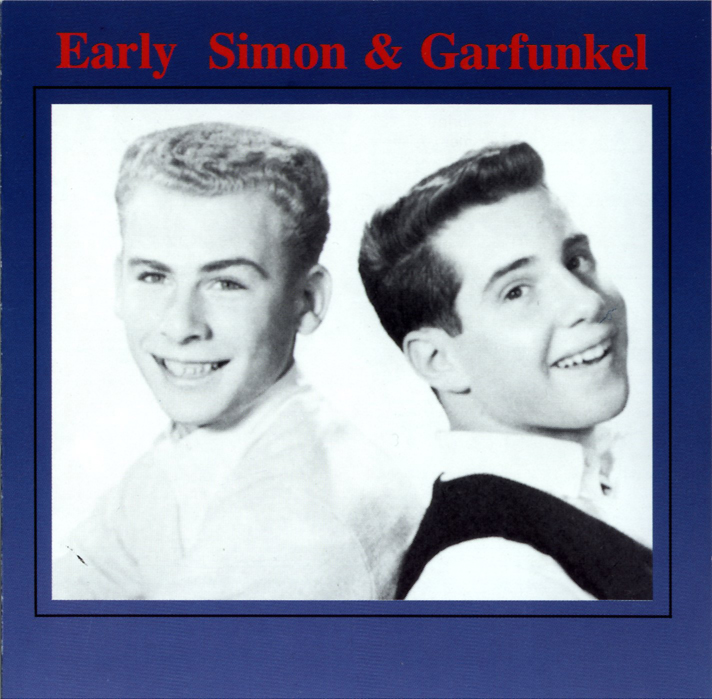
Early Simon & Garfunkel F

When Simon first noticed Garfunkel, he was singing in a fourth grade talent show, and Simon thought that was a good way to attract girls;

he hoped for a friendship which eventually started in 1953 when they were in the sixth grade and appeared on stage together in a school play adaptation of Alice in Wonderland. That first stage appearance was followed by the duo forming a street-corner doo-wop group, the Peptones, with three other friends, and learning to harmonize together. They began performing for the first time as a duo at school dances.

They moved to Forest Hills High School in 1955, where, in 1956, they wrote their first song, “The Girl for Me”; Simon’s father sending a handwritten copy to the Library of Congress to register a copyright.

While trying to remember the lyrics to the Everly’s song “Hey Doll Baby“, they created their own song, “Hey Schoolgirl”, which they recorded themselves for $25 at Sanders Recording Studio in Manhattan.

While recording they were overheard by a promoter, Sid Prosen, who – after speaking to their parents – signed them to his independent label Big Records.

From Tom & Jerry to Simon & Garfunkel (1957–1964)

While still aged 15, Simon & Garfunkel now had a recording contract with Sid Prosen’s independent label Big Records.

Using the name Tom & Jerry; Garfunkel naming himself Tom Graph, a reference to his interest in mathematics;

Simon naming himself Jerry Landis, after the surname of Sue Landis, a girl he had dated, the single “Hey Schoolgirl” was released, with the B-side “Dancin’ Wild”, in 1957.

Prosen, using the payola system, bribed Alan Freed $200 to get the single played on his radio show, where it became a nightly staple.

“Hey Schoolgirl” attracted regular rotation on nationwide AM pop stations, leading it to sell over 100,000 copies and to land on Billboard’s charts at number 49.

Prosen promoted the group heavily, getting them a spot on Dick Clark’s American Bandstand (headlining alongside Jerry Lee Lewis).

The duo shared approximately $4,000 from the song – earning two percent each from royalties, the rest staying with Prosen.

They released three more singles on Big Records: “Our Song”, “That’s My Story”, and “Don’t Say Goodbye”, none of them successful.

After graduating from Forest Hills High School in 1959, they were still exploring the possibilities of a music career, though continued their education as a back up; Simon studying English at Queens College, City University of New York, Garfunkel studying first architecture, then switching to art history at Columbia College, Columbia University.

While still with Big Records as a duo, Simon released a solo single, “True or False”, under the name “True Taylor”.

This recording upset Garfunkel, who regarded it as a betrayal; the emotional tension from that incident occasionally surfacing throughout their relationship.

Their last recording with Big Records was a cover of a Jan and Dean single, “Baby Talk”, but the company became bankrupt soon after release; the track was reissued on Bell Records, but failed to sell, so Tom & Jerry was dissolved.

Both, however, continued recording, albeit as solo artists: Garfunkel composing and recording “Private World” for Octavia Records, and – under the name Artie Garr – “Beat Love” for Warwick; Simon recorded with The Mystics, and Tico & The Triumphs, and wrote and recorded under the names Jerry Landis and Paul Kane.

Simon also wrote and performed demos for other artists, working for a while with Carole King and Gerry Goffin.

After graduating in 1963, Simon joined Garfunkel, who was still at Columbia, to perform together again as a duo, this time with a shared interest in folk music.

Simon enrolled part-time in Brooklyn Law School,By late 1963, billing themselves as “Kane & Garr”, they performed at Gerde’s Folk City, a Greenwich club that hosted Monday night open mic performances.

The duo performed three new songs — “Sparrow”, “He Was My Brother”, and “The Sound of Silence” — and got the attention of Columbia producer Tom Wilson, who worked with Bob Dylan.

As a “star producer” for the label, he wanted to record “He Was My Brother” with a new British act named the Pilgrims.

Simon convinced Wilson to let him and his partner have a studio audition, and they performed “The Sound of Silence”. House engineer Roy Halee recorded the audition, and at Wilson’s urging, Columbia signed the duo.

Their debut studio album, Wednesday Morning, 3 A.M., was recorded over three daytime sessions in March 1964 and released in October. The album contains four original Simon compositions, with the remainder consisting of three traditional folk songs and five folk-influenced singer-songwriter numbers.

Simon was adamant that they would no longer use stage names, and they adopted the name Simon & Garfunkel.

Columbia set up a promotional showcase at Folk City on March 31, 1964, the duo’s first public concert as Simon & Garfunkel. The showcase, as well as other scheduled performances, did not go well.

Simon in England (1964–1965)

Wednesday Morning, 3 A.M. sold only 3,000 copies upon its October release, and its poor sales led Simon to move to England where he had previously visited and played some gigs.

He toured the small folk clubs, appearing on the same bill and befriending British folk artists such as Bert Jansch, Martin Carthy, Al Stewart, and Sandy Denny.

He met Kathy Chitty, who became the object of his affection and is the Kathy in “Kathy’s Song” and “America”.

A small music publishing company, Lorna Music, licensed “Carlos Dominguez”, a single Simon had cut two years prior as “Paul Kane”, for a cover by Val Doonican that sold very well.

Simon visited Lorna to thank them, and the meeting resulted in a publishing and recording contract. He signed to the Oriole label and released “He Was My Brother” as a single.

Simon invited Garfunkel to stay for the summer of 1964.

Near the end of the season, Garfunkel returned to Columbia for class, and Simon surprised his friends by saying that he would be returning to the States as well.

He would resume his studies at Brooklyn Law School for one semester, partially at his parents’ insistence. He returned to England in January 1965, now certain that music was his calling.

In the meantime, his landlord, Judith Piepe, had compiled a tape from his work at Lorna and sent it to the BBC in hopes they would play it.

Simon and Garfunkel (1966)

ART AND GARFUNKEK 60s

The demos aired on the Five to Ten morning show, and were instantly successful. Oriole had folded into CBS by that point, and hoped to record a new Paul Simon album.

The Paul Simon Songbook was recorded in June 1965 and featured multiple future Simon & Garfunkel staples, among them “I Am a Rock” and “April Come She Will”. CBS flew Wilson over to produce the record, and he stayed at Simon’s flat.

The album saw release in August, and although sales were poor, Simon felt content with his future in England.

Meanwhile, in the United States, a late-night disc jockey at WBZ-FM in Boston played “The Sound of Silence”, where it found a college demographic.

It was picked up the next day along the East Coast of the United States, down to Cocoa Beach, Florida. Wilson, inspired by the folk rock sound of the Byrds’ cover of “Turn! Turn! Turn!” and Dylan’s “Like a Rolling Stone”, created a rock remix of the song with the same musicians who overdubbed the Dylan song. The remix of “The Sound of Silence” was issued in September 1965, where it reached the Billboard Hot 100.

Wilson had not informed the duo of his intention to remix the track; as such, Simon was “horrified” when he first heard it.

Garfunkel graduated in 1965, returning to Columbia University to do a master’s degree in mathematics.

Mainstream breakthrough and success (1965–66)

By January 1966, “The Sound of Silence” topped the Hot 100, selling over one million copies.

Simon reunited with Garfunkel that winter in New York, leaving Chitty and his friends in England behind. CBS demanded a new album from the duo, to be called Sounds of Silence to ride the wave of the hit.

Recorded in three weeks, and mainly consisting of re-recorded songs from The Paul Simon Songbook, plus four new tracks, Sounds of Silence was rush-released onto the market in mid-January 1966, peaking at number 21 Billboard Top LPs chart.

A week later, “Homeward Bound” was released as a single, entering the USA top ten, followed by “I Am a Rock” peaking at number three.

The duo supported the recordings with a nationwide tour of America, while CBS continued their promotion by re-releasing Wednesday Morning, 3 A.M., which promptly charted at number 30.

Despite the commercial and popular success, the duo received critical derision, as many considered them a manufactured imitation of folk.

As they considered their previous effort a “rush job” to capitalize on their sudden success, the duo spent more time crafting the follow-up. It was the first time Simon insisted on total control in aspects of recording.

Work began in 1966 and took nine months. Garfunkel considered the recording of “Scarborough Fair” the moment they stepped into the role as producer, because they were constantly beside engineer Roy Halee mixing the track.

Parsley, Sage, Rosemary and Thyme was issued in October 1966, following the release of several singles and receiving sold-out college campus shows.

The duo resumed their trek on the college circuit eleven days following the release, crafting an image that was described as “alienated”, “weird”, and “poetic”.

Manager Mort Lewis also was responsible for this public perception, as he withheld them from television appearances (unless they were allowed to play an uninterrupted set or choose the setlist).

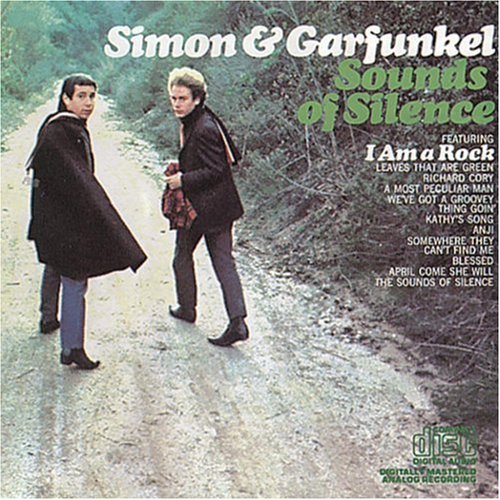
Simon and Garfunkel album1

Simon, then 26 , felt he had finally “made it” into an upper echelon of rock and roll, while most importantly retaining artistic integrity (“making him spiritually closer to Bob Dylan than to, say, Bobby Darin”, wrote biographer Marc Eliot).

The duo chose William Morris as their booking agency after a recommendation from Wally Amos, a mutual friend through their producer, Tom Wilson.

During the sessions for Parsley, the duo cut “A Hazy Shade of Winter”; it was released as a single, peaking at number 13 on the national charts.

Similarly, they recorded “At the Zoo” for single release in early 1967 (it charted lower, at number 16).

Simon began work for their next album around this time, noting to a writer at High Fidelity that “I’m not interested in singles anymore”.

He had hit a dry spell in his writing, which led to no Simon & Garfunkel album on the horizon for 1967.

Artists at the time were expected to release two, perhaps three albums each year and the lack of productivity from the duo worried executives at Columbia Records.

Amid concerns for Simon’s idleness, Columbia Records chairman Clive Davis arranged for up-and-coming record producer John Simon to kick-start the recording.

Simon was distrustful of “suits” at the label; on one occasion, he and Garfunkel brought a tape recorder into a meeting with Davis, who was giving a “fatherly talk” on speeding up production, in order to laugh at it later.

The rare television appearances at this time saw the duo performing on such diverse network broadcasts as the Ed Sullivan, Mike Douglas and Andy Williams shows in 1966 and twice on The Smothers Brothers Comedy Hour in 1967.

Meanwhile, director Mike Nichols, then filming The Graduate, had become fascinated with the duo’s past two efforts, listening to them nonstop before and after filming.

The graduate

THE GRADUATE  /  LE LAUREAT  with DUSTIN HOFFMAN

After two weeks of this obsession, he met with Clive Davis to ask for permission to license Simon & Garfunkel music for his film. Davis viewed it as a perfect fit and envisioned a best-selling soundtrack album.

Simon was not as immediately receptive, viewing movies akin to “selling out”, creating a damper on his artistic integrity. However, after meeting Nichols and becoming impressed by his wit and the script, he agreed to write at least one or two new songs for the film.

Leonard Hirshan, a powerful agent at William Morris, negotiated a deal that paid Simon $25,000 to submit three songs to Nichols and producer Lawrence Turman.

Several weeks later, Simon re-emerged with two new tracks, “Punky’s Dilemma” and “Overs”, neither of which Nichols was particularly taken with. The duo offered another new song, which later became “Mrs. Robinson”, that was not as developed. Nichols loved it.

Studio time and low profile (1967–68)

The duo’s fourth studio album, Bookends, was recorded in fits and starts over various periods from late 1966 to early 1968. The duo were signed under an older contract that specified the label pay for sessions, and Simon & Garfunkel took advantage of this indulgence, hiring viola and brass players, as well as percussionists. The record’s brevity reflects its concise and perfectionist production. The team spent over 50 studio hours recording “Punky’s Dilemma”, for example, and re-recorded vocal parts, sometimes note by note, until they were satisfied.

While Garfunkel’s songs and voice took a lead role on some songs, the harmonies the band were known for gradually disappeared. For Simon, Bookends represented the end of the duo and became an early indicator of his intentions to go solo.

Although the album had been planned long in advance, work did not begin in earnest until the late months of 1967.

Prior to release, the band helped put together and performed at the Monterey Pop Festival, which signaled the beginning of the Summer of Love on the West Coast.

“Fakin’ It” was issued as a single that summer and found only modest success on AM radio; the duo were much more focused on the rising FM format, which played album cuts and treated their music with respect.

In January 1968, the duo appeared on a Kraft Music Hall special, Three for Tonight, performing ten songs largely culled from their third album.

Bookends was released by Columbia Records in April 1968. In a historical context, this was just 24 hours before the assassination of civil rights activist Martin Luther King, Jr., which spurred nationwide outrage and riots.

The album debuted on the Billboard Top LPs in the issue dated April 27, 1968, climbing to number one and staying at that position for seven non-consecutive weeks; it remained on the chart as a whole for 66 weeks.

Bookends received such heavy orders weeks in advance of its release that Columbia was able to apply for award certification before copies left the warehouse, a fact it touted in magazine ads.The record became the duo’s best-selling album to date: it fed off the buzz created by the release of The Graduate soundtrack album ten weeks earlier, creating an initial combined sales figure of over five million units.

Davis had predicted this fact, and suggested raising the list price of Bookends by one dollar to $5.79, above the then standard retail price, to compensate for including a large poster included in vinyl copies.

Simon instead scoffed and viewed it as charging a premium on “what was sure to be that year’s best-selling Columbia album”. According to biographer Marc Eliot, Davis was “offended by what he perceived as their lack of gratitude for what he believed was his role in turning them into superstars”.

Rather than implement Davis’ price increase plan, Simon & Garfunkel signed a contract extension with Columbia that guaranteed them a higher royalty rate.

Lead single “Mrs. Robinson” became, at the 1969 Grammy Awards the first rock and roll song to receive Record of the Year; it was also awarded Best Contemporary Pop Performance by a Duo or Group.

Growing apart and final years (1969–70)

Bookends, alongside The Graduate soundtrack, propelled Simon & Garfunkel to become the biggest rock duo in the world.

Simon was approached by producers to write music for films or license songs; he turned down Franco Zeffirelli, who was preparing to film Brother Sun, Sister Moon, and John Schlesinger, who likewise was readying to shoot Midnight Cowboy.

In addition to Hollywood proposals, producers from the Broadway show Jimmy Shine (starring Simon’s friend Dustin Hoffman, also the lead in Midnight Cowboy) asked for two original songs and Simon declined.

He collaborated briefly with Leonard Bernstein on a sacred mass before withdrawing from the project due to “finding it perhaps too far afield from his comfort zone”.

Garfunkel took the role of Captain Nately in the Nichols film, Catch-22, based on the Catch-22 novel. Initially Simon was to play the character of Dunbar, but screenwriter Buck Henry felt the film was already crowded with characters and subsequently wrote Simon’s part out.

The filming of Catch-22 began in January 1969 and lasted about eight months.

The unexpectedly long film production endangered the relationship between the duo;

Simon had not completed any new songs at this point, and the duo planned to collaborate when the filming would be finished.

Following the end of filming of Catch-22 in October, the first performance of what was, for a time, their last tour, took place in Ames, Iowa.

The US leg of the tour ended in the sold-out Carnegie Hall on November 27.

After breaking for Christmas, the duo continued working on the album in early 1970 and finished it in late January.

Meanwhile, the duo, working with director Charles Grodin, produced an hourlong CBS special, Songs of America, which is a mixture of scenes featuring notable political events and leaders concerning the USA, such as the Vietnam War, Martin Luther King, John F. Kennedy’s funeral procession, Cesar Chavez and the Poor People’s March. It was broadcast only once, due to internal tension at the network regarding its content.

Bridge over Troubled Water, their final studio album, was released in January 1970 and charted in over 11 countries, topping the charts in 10, including the Billboard Top LP’s chart in the US and the UK Albums Chart.

It was the best-selling album in 1970, 1971 and 1972 and was at that time the best-selling album of all time.

It was also CBS Records’ best-selling album before the release of Michael Jackson’s Thriller in 1982.

The album topped the Billboard charts for 10 weeks and stayed in the charts for 85 weeks.

In the United Kingdom, the album topped the charts for 35 weeks, and spent 285 weeks in the top 100, from 1970 to 1975.[88] It has since sold over 25 million copies worldwide.

“Bridge over Troubled Water”, the album’s lead single, hit number one in five countries and became their biggest seller.

The song has been covered by over 50 artists since then, including Elvis Presley and Johnny Cash. “Cecilia”, the follow-up, hit number four in the US, and “El Condor Pasa” hit number 18

The recording process was tough for both musicians, and their breakup was almost certain considering the deterioration of their relationship. “At that point, I just wanted out,” Simon later said.

Their breakup was not intended to be semi-permanent: Garfunkel hoped for a two-year break from Simon & Garfunkel and did not intend to pursue a film-career. Likewise, Simon did not intend to begin a solo career.

A brief British tour followed the album release, and the duo’s last concert as Simon & Garfunkel occurred at Forest Hills Stadium.

In 1971, the album took home six awards at the 13th Annual Grammy Awards, including Album of the Year. Simon’s wife, Peggy Harper, pushed for him to make the split official, and he placed a call to Davis to confirm the duo’s breakup: “I want you to know I’ve decided to split with Artie. I don’t think we’ll be recording together again.”

For the next several years, the duo would only speak “two or three” times a year.

Breakup, rifts, and reunions (1971–2003)

In the 1970s, the duo reunited several times. Their first reunion was a benefit concert for presidential candidate George McGovern at New York’s Madison Square Garden in June 1972.

In 1975, they reconciled once more when they visited a recording session with John Lennon and Harry Nilsson.

For the rest of the year, they attempted to make the reunion work, but their collaboration only yielded one song, “My Little Town,” that was featured on Simon’s Still Crazy After All These Years and Garfunkel’s Breakaway.

It peaked at number nine on the Hot 100. In 1975, Garfunkel joined Simon for a medley of three songs on the television series Saturday Night Live which Simon was guest hosting.

In 1977, Garfunkel joined Simon for a brief performance of their old songs on Simon’s television special The Paul Simon Special, and later that year they recorded a cover of Sam Cooke’s “(What a) Wonderful World” along with James Taylor.

Old tensions finally appeared to dissipate upon Garfunkel’s return to New York in 1978, when the duo began interacting more often.

On May 1, 1978, Simon joined Garfunkel for a concert held at Carnegie Hall to benefit the hearing disabled.

By 1980, the duo’s respective solo efforts were not doing well. To help alleviate New York’s economic decline, concert promoter Ron Delsener came up with the idea to throw a free concert in Central Park.

Delsener contacted Simon with the idea of a Simon & Garfunkel reunion, and once Garfunkel agreed, plans were made.

The Concert in Central Park, performed September 19, 1981, attracted more than 500,000 people, at that time the largest-ever concert attendance.

Warner Bros. Records released a live album of the show that went double platinum in the US.

A 90-minute recording of the concert was sold to Home Box Office (HBO) for over $1 million.

The concert created a renewed interest in the duo’s work.

They had several “heart-to-heart talks,” attempting to put past issues behind them.

The duo planned a world tour, kicking off in May 1982, but their relationship grew contentious: for the majority of the tour, they did not speak to one another.

Warner Bros. pushed for them to extend the tour and release an all-new Simon & Garfunkel studio album.

After recording several vocal tracks for a possible new Simon & Garfunkel album, Simon decided to adopt it as his own solo album. Garfunkel had refused to learn the songs in the studio, and would not give up cannabis and cigarettes, despite Simon’s requests.

An official spokesperson remarked, “Paul simply felt the material he wrote is so close to his own life that it had to be his own record. Art was hoping to be on the album, but I’m sure there will be other projects that they will work on together. They are still friends.”

The material was later released on Simon’s 1983 effort Hearts and Bones.

Another rift opened between the duo when the lengthy recording of Simon’s 1986 album Graceland prevented Garfunkel from working with Roy Halee on a Christmas album.

In 1990, the duo were inducted into the Rock and Roll Hall of Fame. Garfunkel thanked his partner, calling him “the person who most enriched my life by putting those songs through me,” to which Simon responded, “Arthur and I agree about almost nothing. But it’s true, I have enriched his life quite a bit.” After three songs, the duo left without speaking.

We are indescribable. You’ll never capture it. It’s an ingrown, deep friendship. Yes, there is deep love in there. But there’s also shit. =>  Garfunkel describing his six-decade-long friendship with Simon


By 1993, their relationship had thawed again, and Simon invited Garfunkel on an international tour with him.

Following a 21-date, sold-out run at the Paramount Theater in New York and an appearance at that year’s Bridge School Benefit in California, the duo toured the Far East.

The duo had a falling out over the course of the rest of the decade, the details of which have never been disclosed.

Simon thanked Garfunkel at his 2001 induction into the Rock and Roll Hall of Fame as a solo artist: “I regret the ending of our friendship. I hope that some day before we die we will make peace with each other,” resuming after a pause, “No rush.”

They were awarded a Lifetime Achievement Award at the 45th Annual Grammy Awards in 2003, for which the promoters convinced them to reconcile and open the show with a performance of “The Sound of Silence.”

The performance was satisfying for both musicians, and they planned out a full-scale reunion tour over the summer.

The Old Friends tour began in October 2003 and played to sold-out audiences across the United States for 30 dates until mid-December.

The tour earned an estimated $123 million.

Following a twelve-city run in Europe in 2004, they ended their nine-month tour with a free concert at the Colosseum in Rome. It attracted 600,000 fans, more than their The Concert in Central Park.

Recent years (2009–present)

In 2009, the duo reunited again for three songs during Simon’s two-night arrangement at New York’s Beacon Theatre. This led to a reunion tour of Asia and Australia in June 2009.

Their headlining set at the 2010 New Orleans Jazz and Heritage Festival was very difficult for Garfunkel, who was experiencing serious vocal problems. “I was terrible, and crazy nervous. I leaned on Paul Simon and the affection of the crowd,” he told Rolling Stone several years later.

Garfunkel was diagnosed with vocal cord paresis, and the remaining tour dates were postponed indefinitely. His manager, John Scher, informed Simon’s camp that Garfunkel would be ready within a year, which did not happen, leading to poor relations between the two. He regained his vocal strength over the course of the next four years, performing shows in a Harlem theater and to underground audiences.

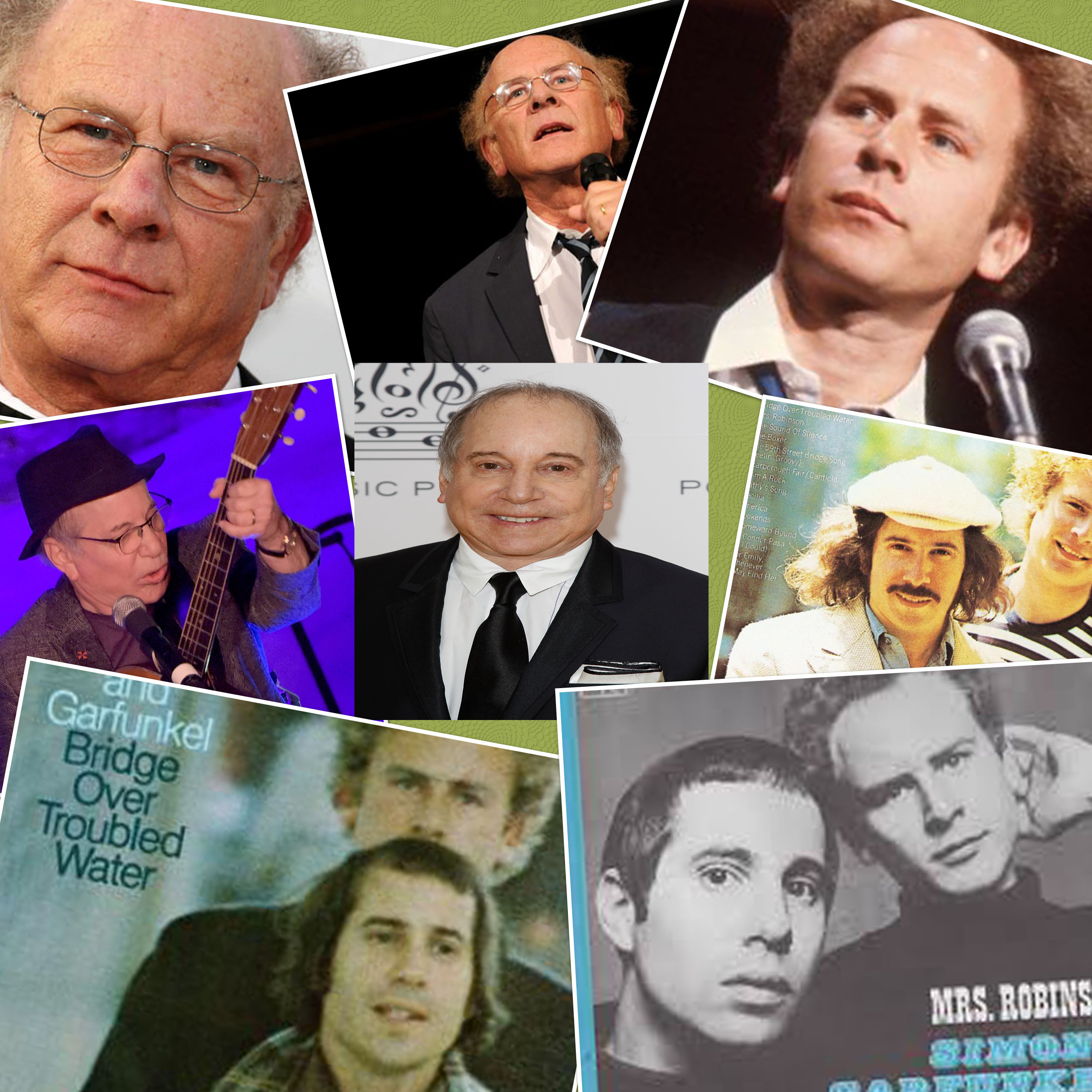
Art_Garfunkel_2013

ART GARFUNKEL

Despite this, the duo have not staged a full-scale tour or performed shows since 2010. Garfunkel confirmed to Rolling Stone in 2014 that he believes they will tour in the future, although Simon had been too “busy” in recent years. “I know that audiences all over the world like Simon and Garfunkel. I’m with them. But I don’t think Paul Simon’s with them,” he remarked.

Musical style and legacy

Over the course of their career, Simon & Garfunkel’s music gradually moved from a very basic, folk rock sound to incorporate more experimental elements for the time, including Latin and gospel music. Many adolescents of the 1960s found their music relevant, while adults regarded them as intelligent.

Their music, according to Rolling Stone, struck a chord among lonely, alienated young adults near the end of the decade.

Despite its popularity, the group was also criticized sharply, especially in its heyday. Rolling Stone critic Arthur Schmidt, for example, described the duo’s music as “questionable…it exudes a sense of process, and it is slick, and nothing too much happens.”

New York Times critic Robert Shelton said that the group had “a kind of Mickey Mouse, timid, contrived” approach to music.

Their clean sound and muted lyricism “cost them some hipness points during the psychedelic era” according to Richie Unterberger of AllMusic, who also notes that the duo “inhabited the more polished end of the folk-rock spectrum and was sometimes criticized for a certain collegiate sterility.”

Paul_Simon

PAUL SIMON

Unterberger further observes that some critics would later regard Simon’s lyricism in his work with Simon & Garfunkel to pale in comparison to his later solo material.

But Unterberger himself believed that “the best of S&G’s work could stand among Simon’s best material, and the duo did progress musically over the course of their five albums, moving from basic folk-rock productions into Latin rhythms and gospel-influenced arrangements that foreshadowed Simon’s eclecticism on his solo albums.”

Their rocky personal relationship led to their “breaking up and making up about every dozen years.”

Simon and Garfunkel est un duo américain de folk rock, constitué du guitariste et auteur-compositeur-interprète Paul Simon et du chanteur Arthur Garfunkel. Tous deux se rencontrent pour la première fois dans le Queens en 1953.

Simon and Garfunkel album2

Ils apprennent à s’accorder l’un avec l’autre et commencent à écrire leurs propres compositions. Ils connaissent leur premier succès en 1957, sous le nom de Tom & Jerry, avec la chanson Hey Schoolgirl, qui imite le style de leurs idoles The Everly Brothers.

Mais ce succès n’est pas confirmé et ils poursuivent ensuite leurs études universitaires chacun de leur côté. Ils se retrouvent en 1963, avec un intérêt accru pour la musique folk, et signent un contrat avec Columbia Records. Leur premier album, Wednesday Morning, 3 A.M. (1964), est un échec commercial à sa sortie et le duo se sépare, Simon décidant de poursuivre sa carrière en solo en Angleterre.

Cependant, une nouvelle version de leur chanson The Sound of Silence connaît le succès sur les ondes américaines en 1965 et atteint la première place du Billboard Hot 100.

Le duo se reforme alors et enregistre un deuxième album, Sounds of Silence (1966), qui est rapidement suivi par Parsley, Sage, Rosemary and Thyme (1966), album sur lequel le duo prend un plus grand contrôle créatif. La popularité du duo s’accroît avec la bande originale du film Le Lauréat (1967), composée en majeure partie par leurs chansons.

Leur album suivant, Bookends (1968), les propulse au rang de stars internationales majeures. Néanmoins, les relations entre les deux hommes se dégradent et le duo se sépare peu après la sortie de leur album suivant, Bridge over Troubled Water (1970), qui est leur plus grand succès commercial.

Simon and Garfunkel comptent parmi les artistes les plus populaires des années 1960 et sont considérés comme des icônes de la contre-culture de cette décennie, au même titre que les Beatles et Bob Dylan.

Leurs chansons les plus célèbres, The Sound of Silence, I Am a Rock, Homeward Bound, Scarborough Fair/Canticle, A Hazy Shade of Winter, Mrs. Robinson, Bridge over Troubled Water, The Boxer, Cecilia et El Cóndor Pasa (If I Could), ont  connu un très grand succès international.

Depuis leur séparation, Simon et Garfunkel ont reformé plusieurs fois le duo, notamment à l’occasion d’un concert à Central Park en 1981 qui réunit plus de 500 000 spectateurs, ce qui constitue à l’époque la plus grande affluence de tous les temps pour un concert.

Rencontre et débuts musicaux (1953-1962)

Paul Frederic Simon et Arthur Ira Garfunkel, nés tous deux en 1941, grandissent à New York dans le quartier du Queens de Kew Gardens Hills à seulement trois pâtés de maisons l’un de l’autre1. Ils se passionnent pour la musique dès leur plus jeune âge, notamment avec l’avènement du rock ‘n’ roll2. Garfunkel commence à chanter dans des radio-crochets dès le CM1 et rencontre Simon deux ans plus tard, en 1953.

Leur amitié s’épanouit quand tous deux sont choisis pour jouer dans une adaptation théâtrale d’Alice au pays des merveilles, Simon dans le rôle du Lapin blanc et Garfunkel dans celui du Chat du Cheshire. Ils commencent à chanter ensemble dans des groupes de doo-wop et apprennent ainsi à s’accorder l’un avec l’autre.

Simon et Garfunkel entrent à la Forest Hills High School en septembre 1955 et entreprennent d’enregistrer leurs arrangements sur des bandes magnétiques. Ils écrivent leur première chanson, The Girl for Me, en 1956 et commencent à se produire en tant que duo dans des écoles de musique. Très influencés par Elvis Presley et The Everly Brothers, ils décident de présenter une maquette d’une de leurs compositions, Hey Schoolgirl, à des éditeurs musicaux de Manhattan.

Ils enregistrent la chanson, avec Dancin’ Wild en face B, au Sanders Recording Studio, un minuscule studio d’enregistrement de Manhattan.

Ils rencontrent ensuite Sid Prosen, qui dirige le label indépendant Big Records, et celui-ci leur fait signer un contrat en proclamant qu’ils sont les nouveaux Everly Brothers. Le duo adopte le nom de Tom and Jerry, d’après le cartoon du même nom.

Garfunkel prend le pseudonyme de Tom Graph, en référence à ses aptitudes en mathématiques et à sa manie de consigner les classements de singles sous forme de graphiques sur du papier millimétré

Simon prend celui de Jerry Landis, d’après le nom de famille d’une fille qu’il a fréquenté.

Sid Prosen verse un pot-de-vin à Alan Freed afin que ce dernier diffuse Hey Schoolgirl dans son émission de radio, et la chanson devient rapidement l’un des morceaux les plus populaires de l’émission.

Hey Schoolgirl est alors diffusée régulièrement sur les ondes à l’échelle nationale.

Le single se vend à plus de 100 000 copies en 1957 et se hisse à la 49e place du Billboard Hot 100. Prosen assure efficacement la promotion du duo, en les faisant notamment passer dans l’émission télévisée American Bandstand aux côtés de Jerry Lee Lewis.

Le producteur s’adjuge toutefois la part du lion dans les royalties dégagées par le duo, prélevant 96% de celles-ci

. Garfunkel, qui n’apprécie pas le milieu de l’industrie musicale, informe Simon qu’il souhaite se consacrer à ses études.

Simon décide alors de continuer sa carrière en solo sous le pseudonyme de True Taylor. À sa sortie du lycée, Simon poursuit des études d’anglais au Queens College alors que Garfunkel étudie les mathématiques à l’université Columbia.

Les ventes des disques de Simon ne décollant pas, celui-ci propose à Garfunkel de reprendre leur collaboration et son ami accepte.

Simon and Garfunkel3

Simon and Garfunkel Cover album3

Cependant, les nouveaux singles sortis par le duo sont des échecs commerciaux, ce qui provoque la fin de leur collaboration avec Sid Prosen.

Simon reprend sa carrière en solo, ce qui entame son amitié avec Garfunkel, qui voit cela comme une trahison.

Cette tension jamais résolue entre les deux hommes influera sur leurs relations durant tout leur parcours commun. Simon achève son premier cycle universitaire et s’inscrit à temps partiel à la Brooklyn Law School.

Un nouveau départ (1963-1964)

Le premier concert de Simon and Garfunkel sous ce nom est à l’origine d’une longue brouille entre Paul Simon et Bob Dylan, ici en 1963.

Simon et Garfunkel s’intéressent chacun de leur côté au mouvement émergeant de la contre-culture et de la musique folk.

Simon devient un habitué de Greenwich Village alors que Garfunkel retourne à l’université Columbia afin de conserver son statut d’étudiant et d’éviter d’être incorporé alors que l’engagement américain au Viêt Nam se précise.

Tous deux se retrouvent pour discuter des nouvelles compositions de Simon et les interpréter au siège de la fraternité étudiante Alpha Epsilon Pi.

Fin 1963, ils se produisent sous le nom de Kane & Garr à la Gerde’s Folk City, une salle de concerts de West Village.

Ils y interprètent trois nouvelles chansons, Sparrow, He Was My Brother et The Sound of Silence, et captent l’attention du producteur Tom Wilson, qui a déjà travaillé avec Bob Dylan.

Wilson souhaite faire enregistrer He Was My Brother à un groupe britannique mais Simon le persuade de les laisser faire une audition. Leur interprétation de The Sound of Silence lors de celle-ci convainc Wilson, qui presse Columbia Records de leur faire signer un contrat.

Le premier album du duo, Wednesday Morning, 3 A.M., est enregistré sur trois sessions en mars 1964 et sort le 19 octobre.

L’album contient cinq compositions originales de Simon, les sept autres étant des reprises de chansons folk dont The Times They Are a-Changin’ de Bob Dylan.

Simon_&_Garfunkel_932-2092

Simon insiste auprès de Garfunkel pour qu’ils utilisent désormais leurs véritables noms.

Columbia met en place un concert promotionnel à Folk City le 31 mars 1964, qui est le premier concert où le duo se produit sous le nom de Simon and Garfunkel.

Dylan est présent à ce concert et une altercation l’oppose à Simon, ce qui sera à l’origine d’une longue rancune entre les deux hommes. L’origine de cette tension reste peu claire, certains biographes affirmant que Dylan aurait délibérément parlé très fort tout au long du concert alors que d’autres soutiennent qu’il aurait totalement dédaigné celui-ci.

Le concert, tout comme d’autres organisés plus tard, n’est pas un succès.

Simon, anticipant l’échec de l’album, part pour l’Angleterre et rencontre Kathy Chitty dans un club de folk où il se produit.

Ils tombent amoureux et Kathy lui inspirera plusieurs chansons, notamment Kathy’s Song, America et Homeward Bound.

Wednesday Morning, 3 A.M. ne se vend qu’à 3 000 exemplaires en quelques semaines et cet échec pousse Simon à rester en Angleterre tandis que Garfunkel reprend ses études d’architecture.

Le son du succès (1965-1966)

Les démos que Simon enregistre en Angleterre sont diffusées sur les ondes par la BBC et connaissent le succès.

En juin 1965, Columbia fait alors enregistrer à Simon un album solo, The Paul Simon Songbook, qui sort en Angleterre deux mois plus tard et contient plusieurs chansons qui seront reprises plus tard par le duo.

Les ventes de l’album sont médiocres mais Simon demeure confiant sur son avenir en Angleterre. Pendant ce temps, de l’autre côté de l’Atlantique, un disc-jockey de Boston commence à diffuser The Sound of Silence et la chanson devient populaire dans le milieu étudiant de la côte Est des États-Unis.

Tom Wilson l’apprend et décide de faire réenregistrer la chanson dans une version électrique sans en informer le duo.

Le single sort en septembre et entre dans le Billboard Hot 100. Garfunkel informe Simon, toujours en Europe, de ce qui est en train de se passer. Simon est horrifié lorsqu’il entend la version électrique pour la première fois mais les deux hommes apprécient le succès du single28,29.

Simon revient à New York vers la fin de l’année 1965 afin de reformer son duo avec Garfunkel.

Columbia leur fait enregistrer en décembre un nouvel album et l’intitule « Sounds of Silence » afin de profiter du succès du single.

Ce dernier s’empare de la première place du Billboard Hot 100 en janvier 1966 et dépasse désormais le million d’exemplaires vendus.

En plus d’une réédition de The Sound of Silence, l’album comprend cinq chansons de l’album solo de Simon, dont I Am a Rock, et seulement deux titres sont de nouvelles compositions originales.

L’album sort de façon précipitée le 17 janvier 1966 et est suivi quelques jours plus tard par le single Homeward Bound, qui ne figure pas sur l’album et qui intègre le top 10 des classements musicaux dans plusieurs pays.

Au mois de mars, c’est ensuite I Am a Rock qui sort en single et qui se classe 3e du Billboard Hot 100. Mais en dépit du succès commercial remporté par l’album, 21e au Billboard 200, et les singles, le duo est tourné en dérision par de nombreux critiques musicaux qui estiment qu’il ne produit qu’une imitation manufacturée de la folk.

Alors que le duo part en tournée à travers les États-Unis, Columbia réédite Wednesday Morning, 3 A.M. et l’album accède à la 30e place du Billboard 2003.

Simon and Garfunkel en 1966.

Conscients que Sounds of Silence est un travail réalisé dans la précipitation afin de capitaliser sur leur succès soudain, Simon et Garfunkel décident de peaufiner leur prochain album.

Simon insiste d’ailleurs pour avoir le contrôle total pendant la production de celui-ci. Garfunkel considère l’enregistrement de leur version de la chanson traditionnelle « Scarborough Fair » comme le moment où ils sont devenus les véritables producteurs de leurs albums.

Le duo travaille plusieurs mois sur l’album Parsley, Sage, Rosemary and Thyme et celui-ci sort le 10 octobre. Comprenant notamment Homeward Bound, Scarborough Fair/Canticle, The 59th Street Bridge Song (Feelin’ Groovy), The Dangling Conversation et For Emily, Whenever I May Find Her, il se caractérise par de vifs contrastes entre les chansons et obtient l’approbation de la critique, qui reconnaît son intégrité artistique, Simon se révélant comme « l’un des auteurs-compositeurs les plus doués de l’époque ».

L’album se hisse par ailleurs à la 4e place du Billboard 200.

Le duo entame dans la foulée une mini-tournée sur les campus universitaires où tous les concerts se jouent à guichets fermés. Mort Lewis, leur agent artistique, entretient l’image décalée et poétique du duo en refusant qu’ils fassent des apparitions à la télévision à moins que des conditions draconiennes ne soient acceptées par l’émission.

A Hazy Shade of Winter, qui n’a pas été retenu par le duo pour figurer sur Parsley, Sage, Rosemary and Thyme, sort en single deux semaines après la sortie de l’album et se classe 13e du Billboard Hot 100.

Popularité et récompenses : les lauréats (1967-1968)

Simon et Garfunkel enregistrent en janvier 1967 le single At the Zoo et ce dernier est publié le mois suivant, atteignant la 16e place du Billboard Hot 100.

Simon commence alors à travailler sur le prochain album du duo, affirmant qu’il n’est plus intéressé par les singles.

Il est cependant affecté par un blocage de l’écrivain qui a pour conséquence que ce nouvel album ne voit pas le jour en 1967.

À cette époque, il est courant que les artistes sortent deux voire trois albums par an et ce manque de productivité inquiète les dirigeants de Columbia. Clive Davis, le président de Columbia, tente d’accélérer la production de l’album en convoquant Simon et Garfunkel à plusieurs reprises pour leur adresser des discours paternalistes mais les deux amis, déjà méfiants envers l’industrie musicale, tournent cela en dérision en enregistrant un sermon de Davis pour en rire par la suite.

Le 16 juin 1967, Simon and Garfunkel se produisent sur la scène du festival international de musique pop de Monterey qui marque le coup d’envoi du Summer of Love. Fakin’ It sort en single quelques semaines plus tard mais ne remporte qu’un succès modéré.

Pendant ce temps, le réalisateur Mike Nichols tourne Le Lauréat et se prend de passion pour la musique du duo, écoutant leurs chansons en boucle. Deux semaines plus tard, il rencontre Clive Davis pour lui demander l’autorisation d’utiliser certains morceaux du duo pour la musique du film. Davis est enthousiaste, flairant une parfaite occasion de placer une musique de film en tête des ventes de disques.

Simon est beaucoup plus réticent, craignant de compromettre son intégrité artistique. Il change d’avis après avoir rencontré Nichols, qui l’impressionne par son intelligence et la qualité de son scénario, et accepte d’écrire de nouvelles chansons pour le film.

L’agent du duo négocie un contrat qui offre à Simon 25 000 $ pour la composition de trois chansons. Simon propose d’abord à Nichols Punky’s Dilemma et Overs mais aucune des deux ne satisfait le réalisateur. Simon revient alors avec une première version de Mrs. Robinson, qui ne porte pas encore ce titre, qui enthousiasme Nichols.

L’album « The Graduate », composé essentiellement de chansons du duo dont Mrs. Robinson, sort le 21 janvier 1968 et s’empare de la première place du Billboard 200 en avril.

Entretemps, l’enregistrement de Bookends, le quatrième album du duo, est enfin terminé après avoir été échelonné sur plusieurs sessions depuis un an et demi, mais plus particulièrement depuis octobre 1967.

La production de l’album est marquée par son perfectionnisme, l’enregistrement de Punky’s Dilemma étant par exemple étalé sur une cinquantaine d’heures. Mrs. Robinson est réécrite et réenregistrée en février 1968, lors des dernières sessions et constitue l’une des chansons-phares de l’album aux côtés d’autres titres célèbres tels que America, A Hazy Shade of Winter et At the Zoo. Bookends, considéré comme l’album « le plus intellectuel » du duo, est composé sur sa première face d’un cycle de chansons plutôt sombres, évoquant une méditation sur le passage du temps, qui sont suivies dans sa deuxième partie par des titres plus légers et au son plus rock. Il marque par ailleurs le déclin des harmonies du duo, qui disparaissent graduellement au profit d’un chant individuel.

Simon_and_Garfunkel_1968

Bookends sort le 3 avril 1968 et est suivi deux jours plus tard par la sortie en single de Mrs. Robinson dans un contexte très particulier puisque Martin Luther King est assassiné le 4 avril, ce qui provoque une grande émotion et une série d’émeutes à travers les États-Unis.

Bookends prend au mois de mai la première place du Billboard 200, occupée jusqu’alors par The Graduate, tandis que Mrs. Robinson s’installe au sommet du Billboard Hot 100 au mois de juin. Bookends devient à cette date le plus grand succès commercial du duo, ayant profité du phénomène de bouche-à-oreille engendré par la sortie de The Graduate, et les ventes combinées des deux albums dépassent les 5 millions de copies. Lors des Grammy Awards qui se tiennent en mars 1969 et célèbrent les accomplissements des artistes pour l’année 1968, Mrs. Robinson remporte le prix de l’enregistrement de l’année, The Graduate celui de la meilleure musique de film et Simon and Garfunkel celui de la meilleure prestation pop d’un duo ou groupe avec chant.

 BRIDGE OVER TROUBLED WATER : dernier album et séparation (1969-1970)

Bookends et The Graduate propulsent Simon and Garfunkel au rang de stars internationales majeures, les deux hommes devenant le duo musical le plus célèbre du monde. Malgré un désaccord avec Clive Davis, qui désirait augmenter d’un dollar le prix de vente de Bookends ce que le duo a refusé et que Davis perçoit comme un manque de gratitude58, Simon et Garfunkel prolongent leur contrat avec Columbia et négocient au passage une augmentation de leur pourcentage de royalties.

Simon est approché par plusieurs producteurs de cinéma qui souhaitent qu’il écrive des musiques de films et refuse notamment une offre pour Macadam Cowboy (1969).

Il décline également une offre d’écriture pour un spectacle de Broadway et collabore brièvement avec Leonard Bernstein sur une messe avant de se retirer du projet. De son côté, Garfunkel est engagé par Mike Nichols pour interpréter l’un des rôles principaux du film de guerre satirique Catch22 , dans lequel Simon devait aussi jouer avant que son rôle ne soit supprimé.

Le tournage de Catch 22 commence en janvier 1969 et dure huit mois car il est entravé par de nombreux problèmes.

Dans l’intervalle, le single The Boxer est publié en avril et se classe dans le top 10 de plusieurs pays. Cette absence prolongée de Garfunkel affecte les relations entre les deux hommes car Simon, qui prépare pendant ce temps le prochain album du duo, se sent abandonné.

Dès le retour de Garfunkel, le duo se met au travail avec ardeur et décline l’invitation qui leur est faite de participer au festival de Woodstock.

En octobre et novembre 1969, Simon and Garfunkel font une mini-tournée aux États-Unis qui se termine par un concert à guichets fermés à Carnegie Hall.

Le duo produit par ailleurs un documentaire musical, Songs of America, qui est diffusé sur CBS le 30 novembre et qui mêle des extraits de leurs chansons à des images d’événements importants des années 1960.

Ce documentaire n’est diffusé qu’une fois en raison des tensions, en rapport avec son contenu politiquement chargé, qu’il provoque sur la chaîne.

L’album « Bridge ove r Troubled » Water sort le 26 janvier 1970, tout comme le single du même nom. Dans cet album, le duo abandonne en partie le son folk rock qui a fait sa gloire pour explorer d’autres sonorités, comme le gospel, la musique sud-américaine, le latin jazz, le rockabilly ou encore le reggae, un mélange d’influences qui contribue à sa « richesse musicale ». L’album contient onze titres dont Bridge over Troubled Water, Cecilia, El Cóndor Pasa (If I Could), The Boxer et The Only Living Boy in New York. L’inclusion d’un douzième titre est longuement discuté sans que les deux hommes n’arrivent à se mettre d’accord sur son choix.

L’album arrive au sommet des classements musicaux dans dix pays dont les États-Unis, le Royaume-Uni et la France. C’est l’album le plus vendu des années 1970, 1971 et 1972 ; il devient à cette époque l’album le plus vendu de tous les temps.

Le single homonyme s’empare lui aussi de la première place des classements musicaux dans plusieurs pays, alors que les autres singles tirés de l’album, Cecilia en avril et El Cóndor Pasa (If I Could) en août, se vendent aussi très bien4.

Malgré cet énorme succès, le processus d’enregistrement s’est révélé très éprouvant pour les deux hommes et les tensions accumulées entre eux rendent leur séparation prochaine presque certaine avant même la sortie de l’album.

Cette séparation n’est cependant pas prévue au départ pour être permanente, Garfunkel souhaitant seulement faire une pause de deux ans et Simon ne prévoyant pas de reprendre sa carrière en solo.

En avril et mai, le duo se produit pour quelques dates en Europe, dont un passage à l’Olympia le 1er mai, avant de jouer son dernier concert le 18 juillet 1970 au Forest Hills Stadium.

Lors de la cérémonie des Grammy Awards 1971, l’album et la chanson Bridge over Troubled Water remportent six récompenses, dont celles de l’album de l’année et de la chanson de l’année. Quelque temps plus tard, Peggy Harper, l’épouse de Simon depuis 1969, pousse celui-ci à rendre la séparation du duo officielle.

Simon appelle alors Clive Davis pour lui annoncer qu’il ne pense pas reprendre sa collaboration avec Garfunkel. Durant les quelques années qui suivent, les deux hommes ne se parlent que deux ou trois fois par an.

Réunions occasionnelles

Le duo se reforme pour la première fois au Madison Square Garden en juin 1972 à l’occasion d’un concert de soutien pour George McGovern en vue de l’élection présidentielle américaine.

En 1975, les deux hommes se réconcilient, dans une atmosphère embarrassée, à l’occasion d’un passage à une session d’enregistrement avec John Lennon et Harry Nilsson.

Ils tentent de produire de nouvelles chansons ensemble mais n’en concrétisent qu’une seule, My Little Town, qui paraît à la fois sur l’album de Paul Simon Still Crazy After All These Years, et sur celui de Art Garfunkel, Breakaway.

En 1977, Garfunkel vient se joindre à Simon pour une brève représentation lors d’une émission télévisée consacrée à ce dernier. L’année suivante, ils enregistrent en compagnie de James Taylor une reprise de Wonderful World.

Les deux hommes passent plus de temps ensemble lorsque Garfunkel revient s’installer à New York en 1978.

En 1981, alors que les carrières respectives des deux hommes battent de l’aile, ils sont contactés par le producteur de spectacles Ron Delsener qui leur propose de se produire pour un concert gratuit à Central Park.

Le concert se déroule le 19 septembre 1981 et attire plus de 500 000 personnes, ce qui constitue pour l’époque la plus grande affluence de tous les temps pour un concert. Un enregistrement du concert est réalisé et donne lieu au premier album live du duo, The Concert in Central Park, qui sort le 16 février 1982 et connaît un grand succès commercial international.

This slideshow requires JavaScript.

L’événement renouvelle également l’intérêt du public pour le duo, et les deux hommes ont plusieurs conversations à cœur ouvert afin d’essayer de mettre leurs problèmes derrière eux80. En mai et juin 1982, Simon and Garfunkel font une tournée au Japon et en Europe mais leurs vieilles querelles refont surface85. Néanmoins, Warner Bros. insiste pour qu’ils repartent en tournée, ce qu’ils font en février 1983 en Australie et en Nouvelle-Zélande, puis en juillet et août 1983 en Amérique du Nord, et pour qu’ils préparent un nouvel album en commun.

Malgré plusieurs sessions d’enregistrement, leurs différends se révèlent être trop nombreux et Simon enregistre à la place un nouvel album solo, Hearts and Bones, la raison officielle étant qu’il trouve les textes qu’il a écrits trop personnels pour être interprétés par quelqu’un d’autre.

En 1990, le duo est intronisé au Rock and Roll Hall of Fame et les deux hommes interprètent trois chansons ensemble à cette occasion, sans toutefois s’attarder.

Trois ans plus tard, leurs relations s’étant améliorées, ils se réunissent à nouveau en octobre 1993 pour une série de 21 concerts joués à guichets fermés au Paramount Theatre de New York, qui sont suivis par quelques dates en Asie. Cependant, une nouvelle brouille les tient éloignés pour le reste de la décennie4.

En 2003, ils sont récompensés aux Grammy Awards pour l’ensemble de leur carrière et les organisateurs les persuadent de se réconcilier pour cette occasion. Les deux hommes interprètent ensemble The Sound of Silence en ouverture de la cérémonie et jugent cette expérience satisfaisante. Ils mettent alors en place une nouvelle tournée, nommée Old Friends Tour, pendant laquelle ils sillonnent les États-Unis d’octobre à décembre en jouant 40 concerts.

Ils repartent en tournée, pour 20 dates aux États-Unis et 12 en Europe, en juin et juillet 200488. Cette tournée se termine par un concert gratuit au Colisée de Rome qui réunit environ 600 000 personnes89. Un double CD-DVD intitulé Old Friends: Live on Stage immortalise cette tournée.

Simon and Garfunkel en concert au New Orleans Jazz & Heritage Festival en 2010.

En 2009, le duo se réunit une nouvelle fois pour interpréter trois chansons au Beacon Theatre de New York. Une tournée en Océanie et au Japon est organisée dans la foulée en juin et juillet90. Cette tournée se passe très bien et de nouveaux concerts en Amérique du Nord sont planifiés pour l’été 2010. Cependant, alors qu’ils se produisent le 24 avril 2010 sur la scène du New Orleans Jazz & Heritage Festival, Garfunkel est atteint de sérieux problèmes vocaux. Une paralysie des cordes vocales lui est diagnostiquée et la tournée doit être annulée. Garfunkel ne récupère totalement sa voix qu’après un combat de quatre ans et espère une nouvelle réunion du duo dans le futur91.

Postérité

Simon and Garfunkel sont considérés comme le duo le plus célèbre de l’histoire de la musique populaire. Leurs chansons ont laissé une impression forte et durable sur la génération du baby boom et ils comptent, aux côtés des Beatles et Bob Dylan, parmi les artistes les plus représentatifs du mouvement culturel des années 1960.

En 2004, le magazine Rolling Stone les classe à la 40e place de sa liste des 100 plus grands artistes musicaux de tous les temps, considérant que « l’énorme impact » qu’ils ont laissé sur la décennie est dû principalement à l’alliage entre les talents d’auteur-compositeur de Paul Simon, créateur d’hymnes dans une palette musicale très vaste, et la voix unique d’Art Garfunkel.

Dans le Dictionnaire du Rock, ils sont décrits comme ayant apporté au folk militant un « mélange inégalé de raffinement vocal et de tendresse mélancolique ».

Pour Gilles Verlant et Thomas Caussé, dans la Discothèque parfaite de l’odyssée du rock, « la seconde moitié des sixties est marquée de leur empreinte » grâce à leurs « mélodies fines, légères et reconnaissables entre mille » alors que « le mariage de leurs voix, absolument unique, est au cœur de leur magie, tout comme les textes résolument poétiques et modernes, remplis d’images singulières ».

ART GARFUNKEL : SOLO ALBUM : BRIGHT EYES

SOURCES WIKIPEDIA

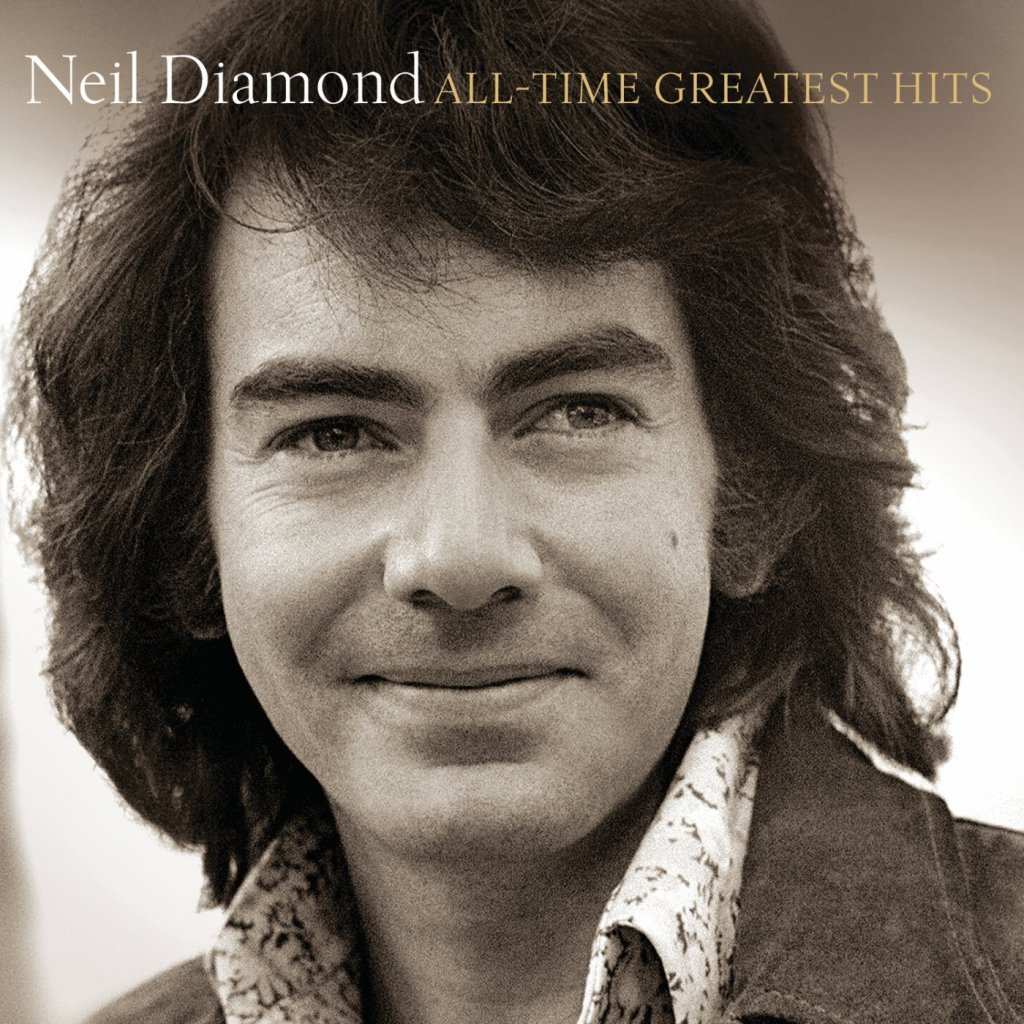
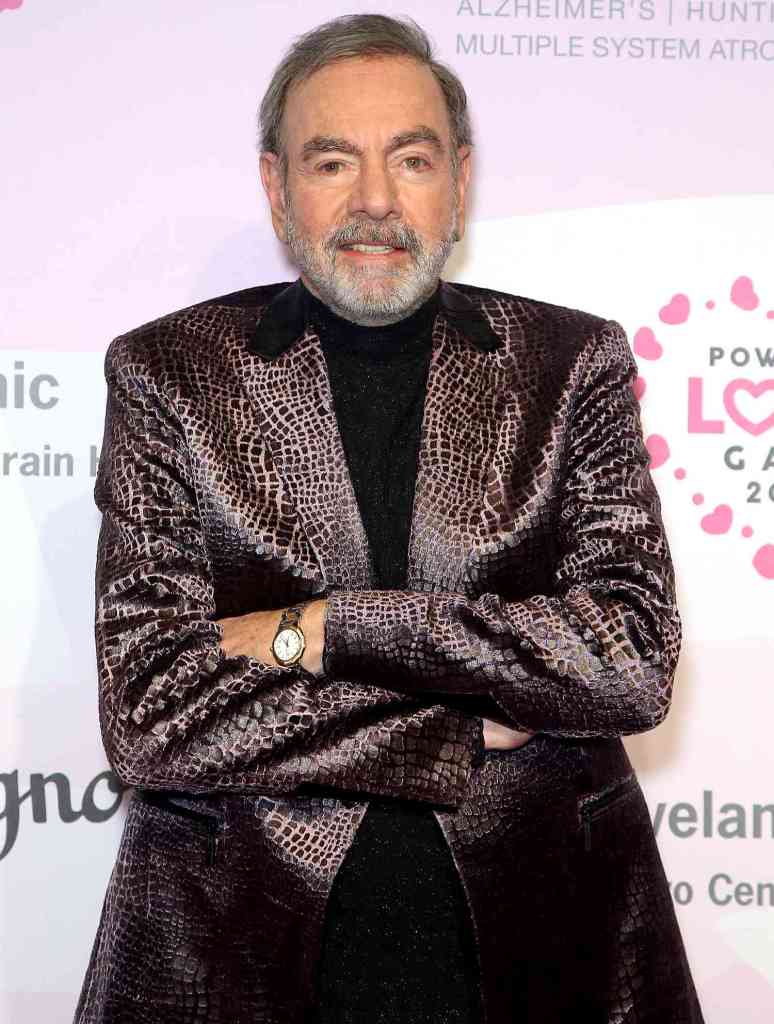
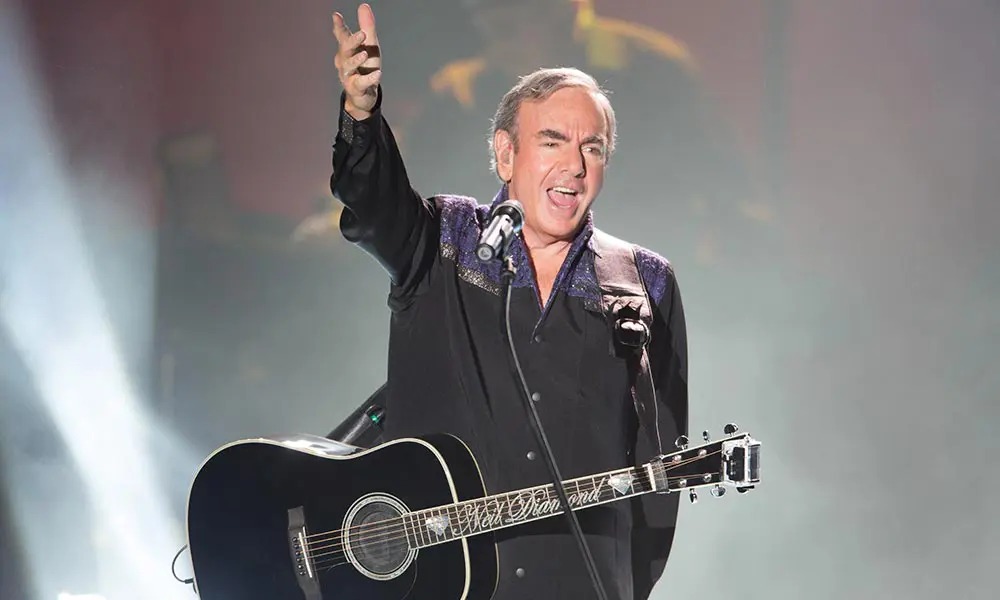
They were… They are


They are stars

We know them as we saw them in the movies.

But time has passed and everyone is changing.

Here how we knew them
Here they are now mature and greater than before


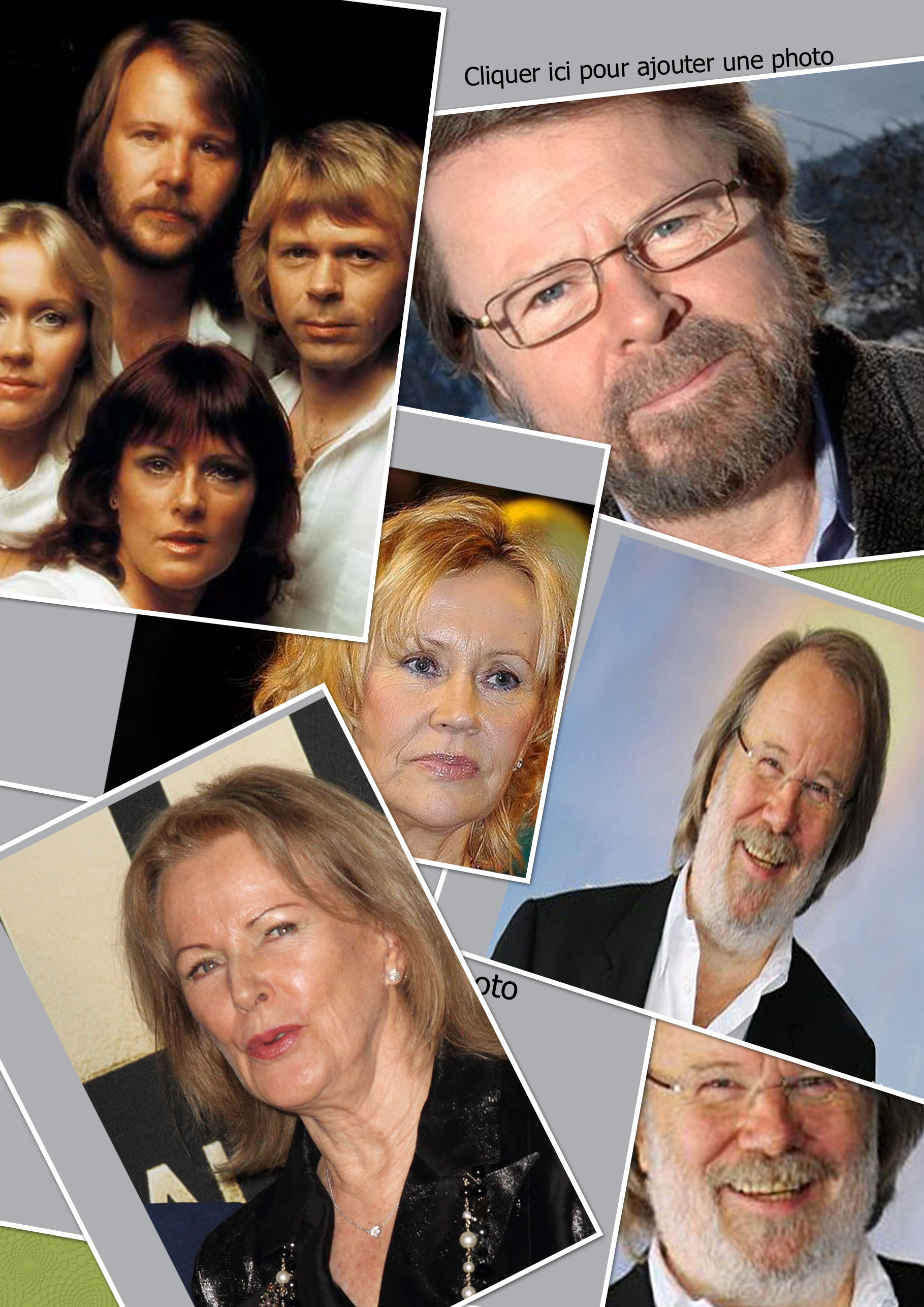
ABBA

ABBA

ABBA


ART GARFUNKEL (Simon and Garfunkel 

ART AND GARFUNKEL

ART AND GARFUNKEL


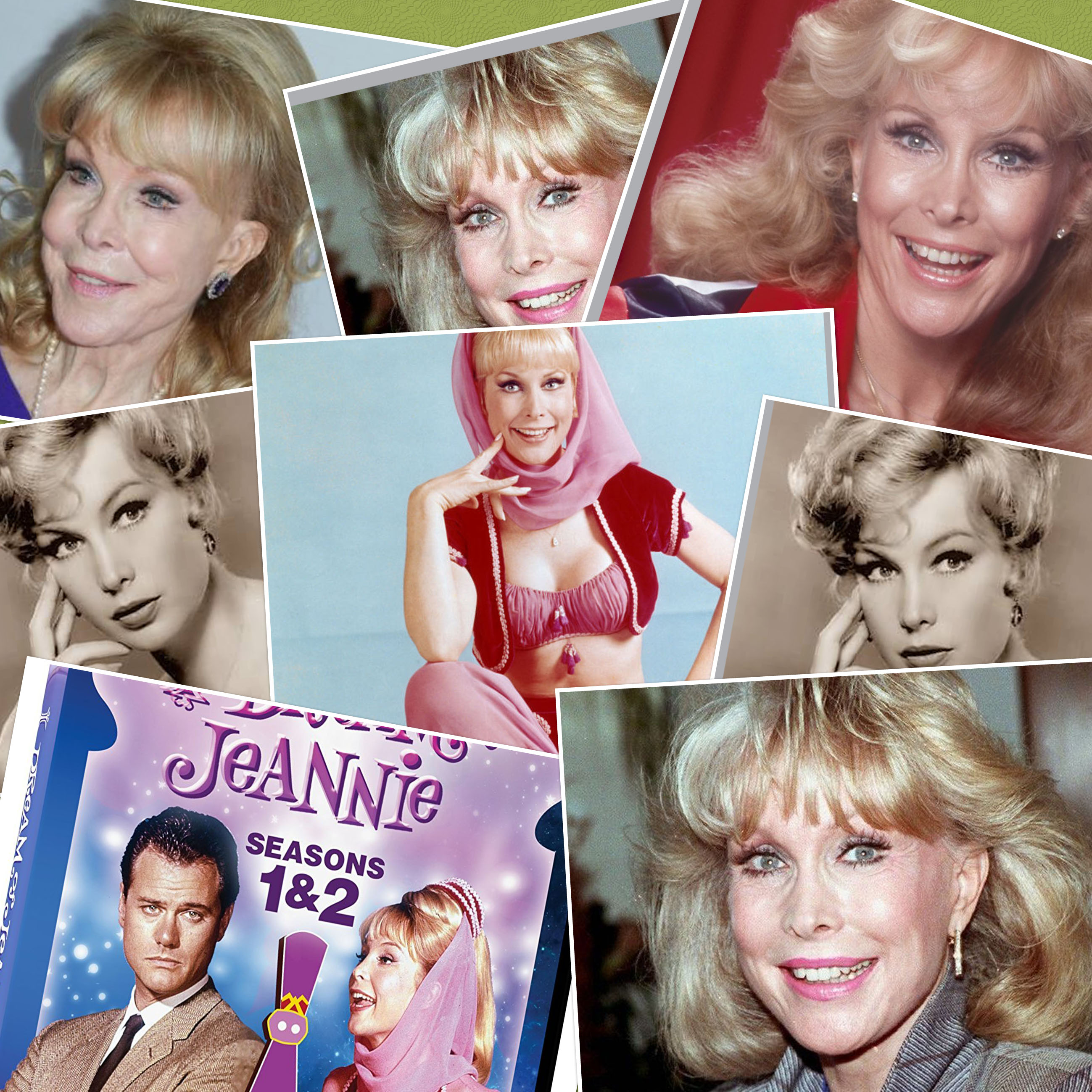
BARBARA EDEN 

Barbara Eden

Barbara Eden


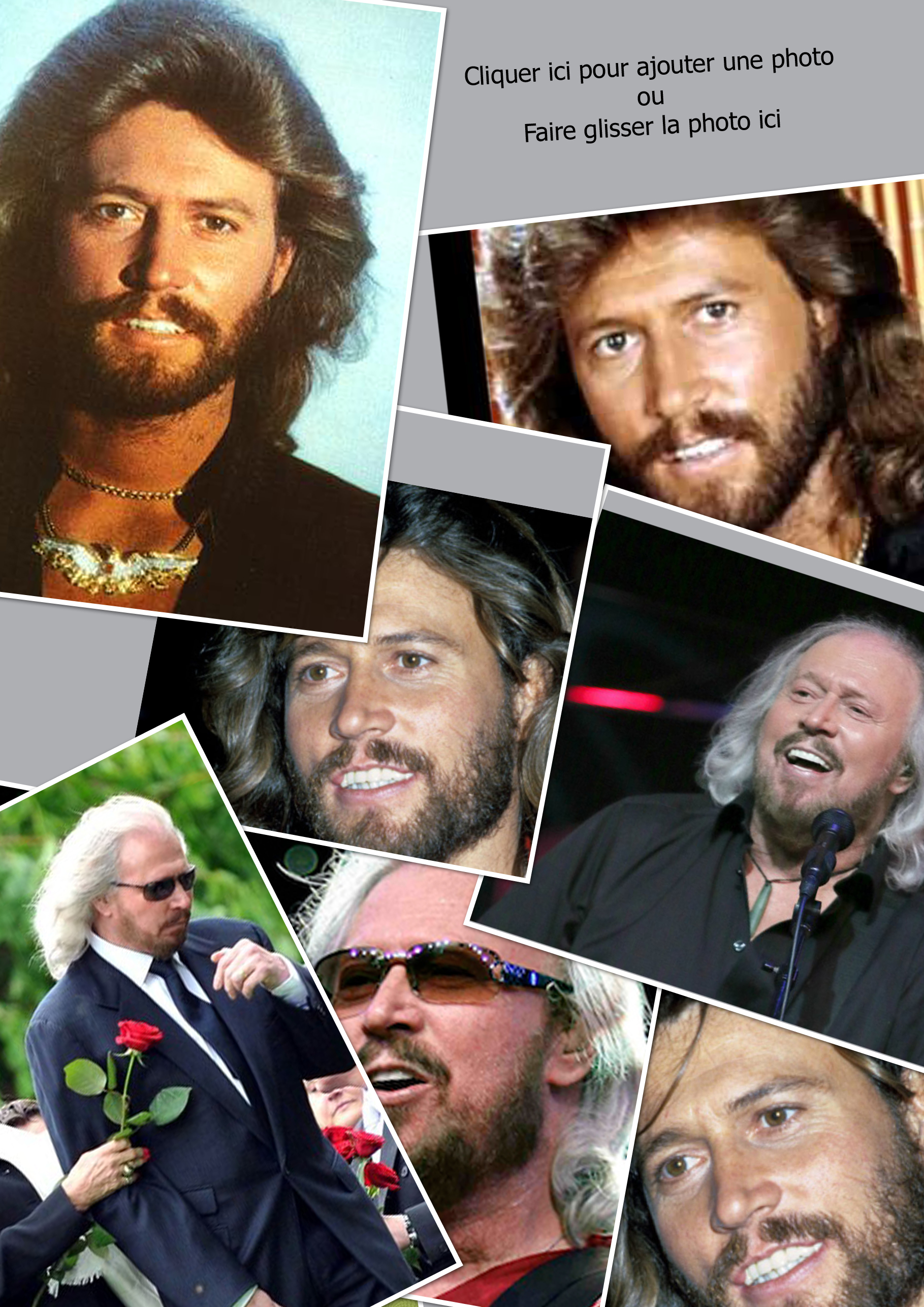
BARRY GIBB  (Bee Gees )

barry gibb bee gees

barry gibb bee gees


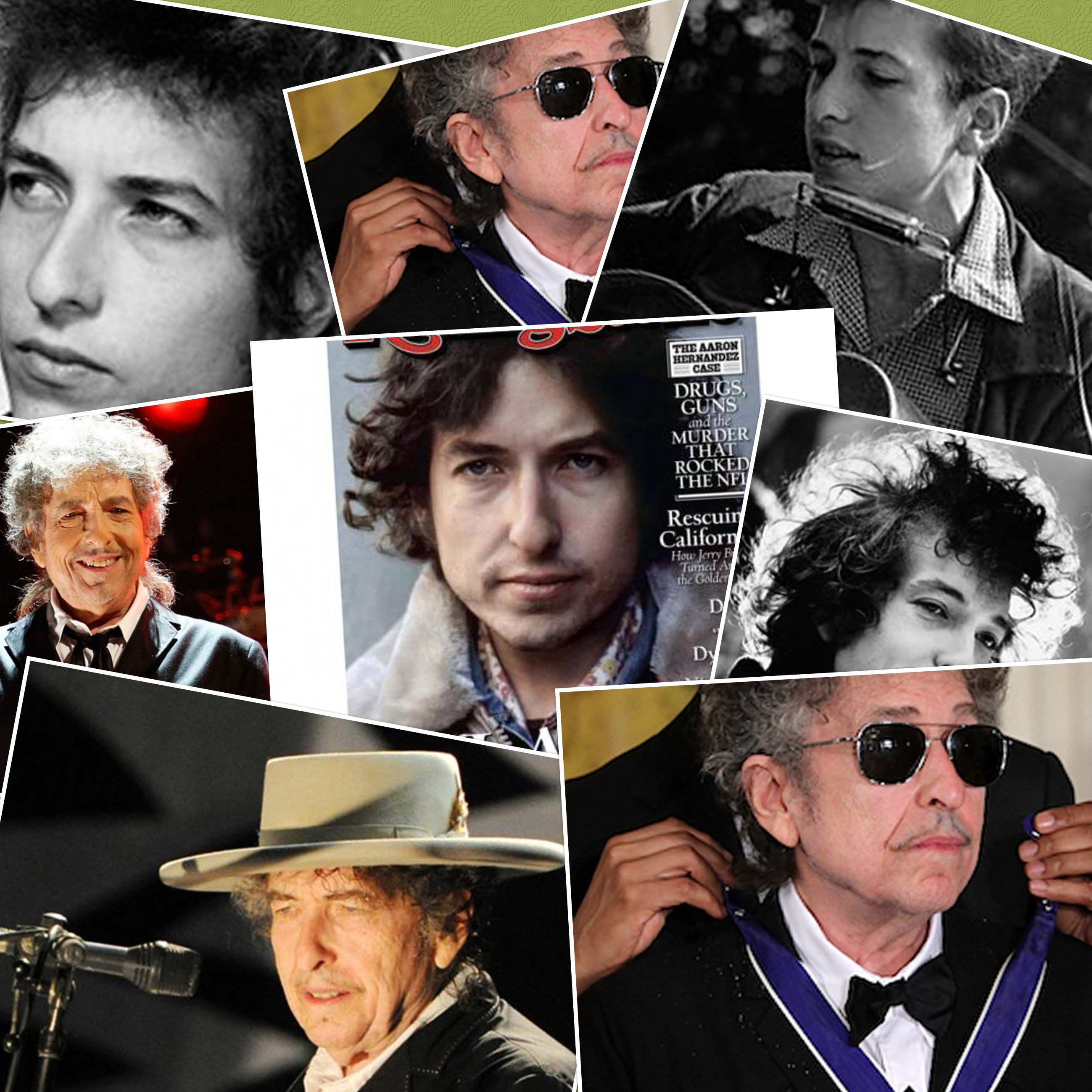
BOB DYLAN

Bob Dylan

Bob Dylan


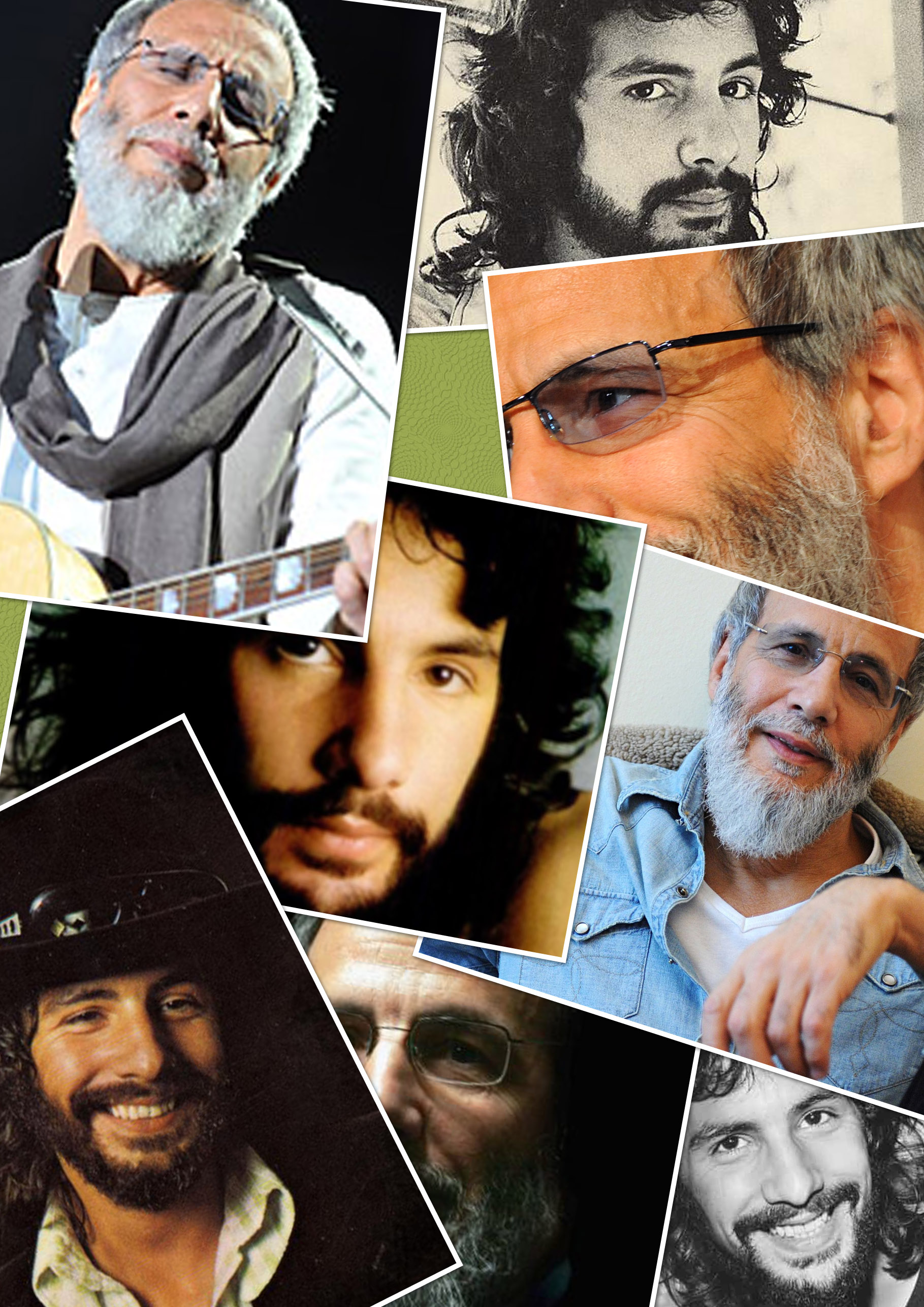
CAT STEVENS

cat stevens

cat stevens


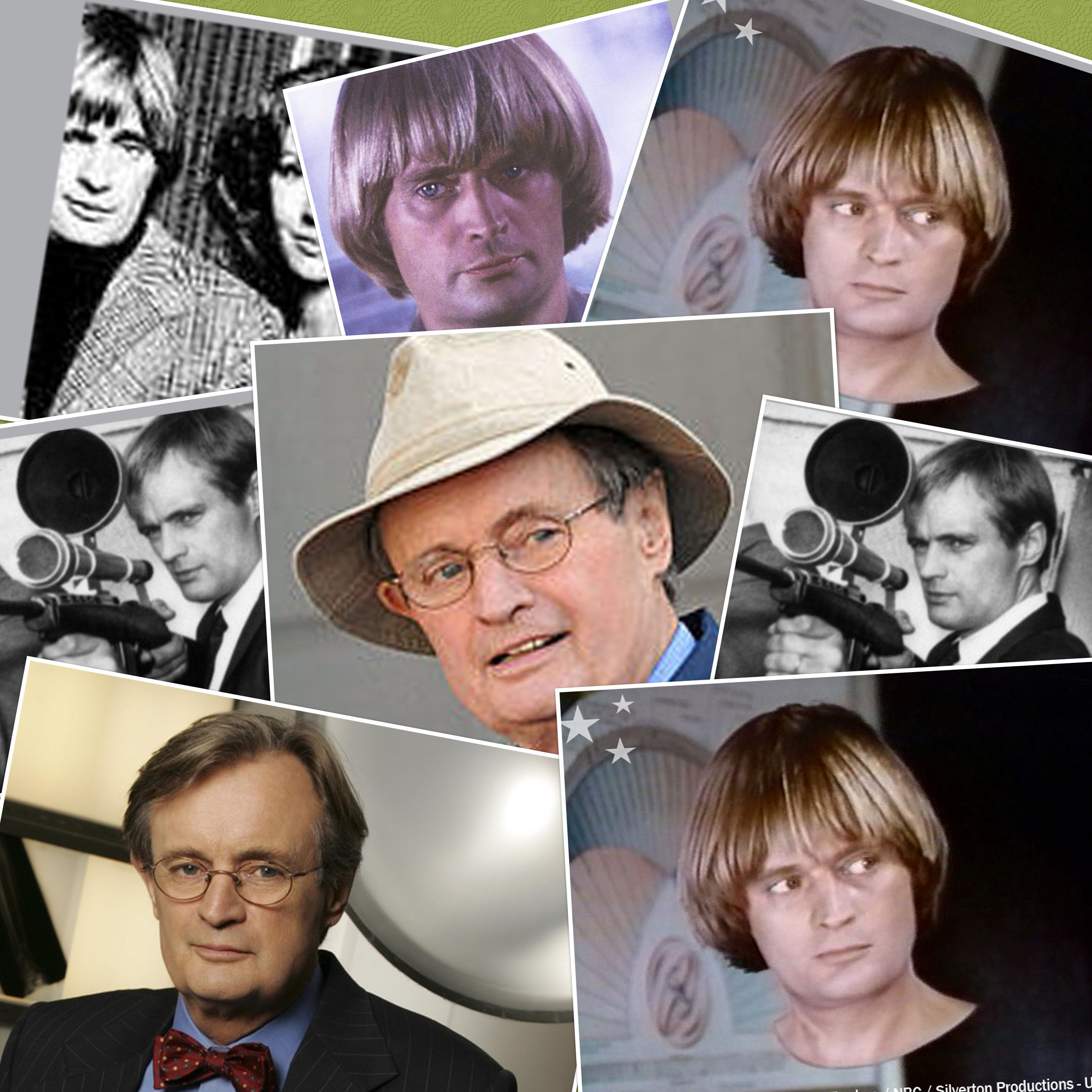
DAVID MC CALLUM

David Mc Callum

David Mc Callum


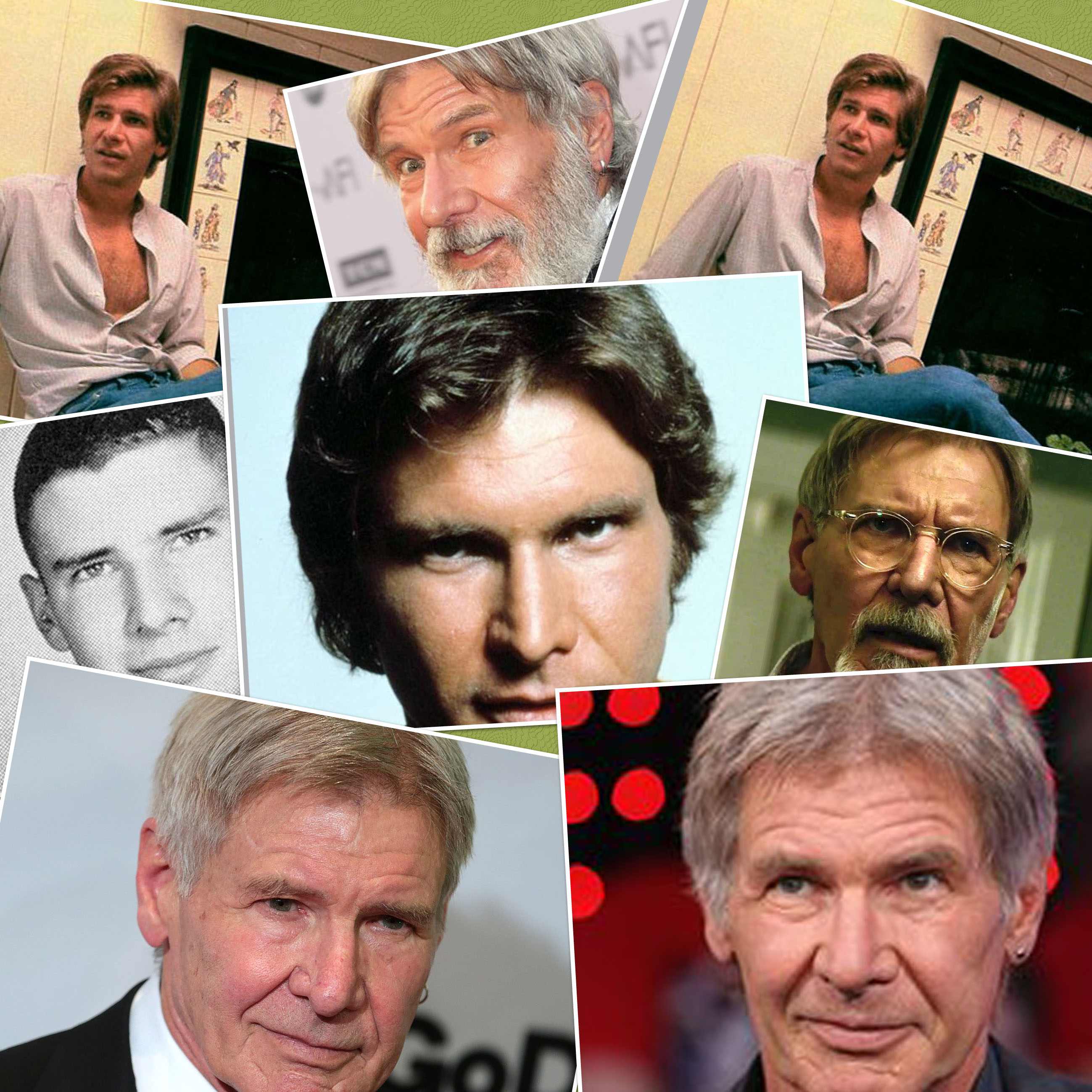
HARISON FORD

Harison Ford

Harison Ford


JOAN BAEZ

Joan baez

Joan baez


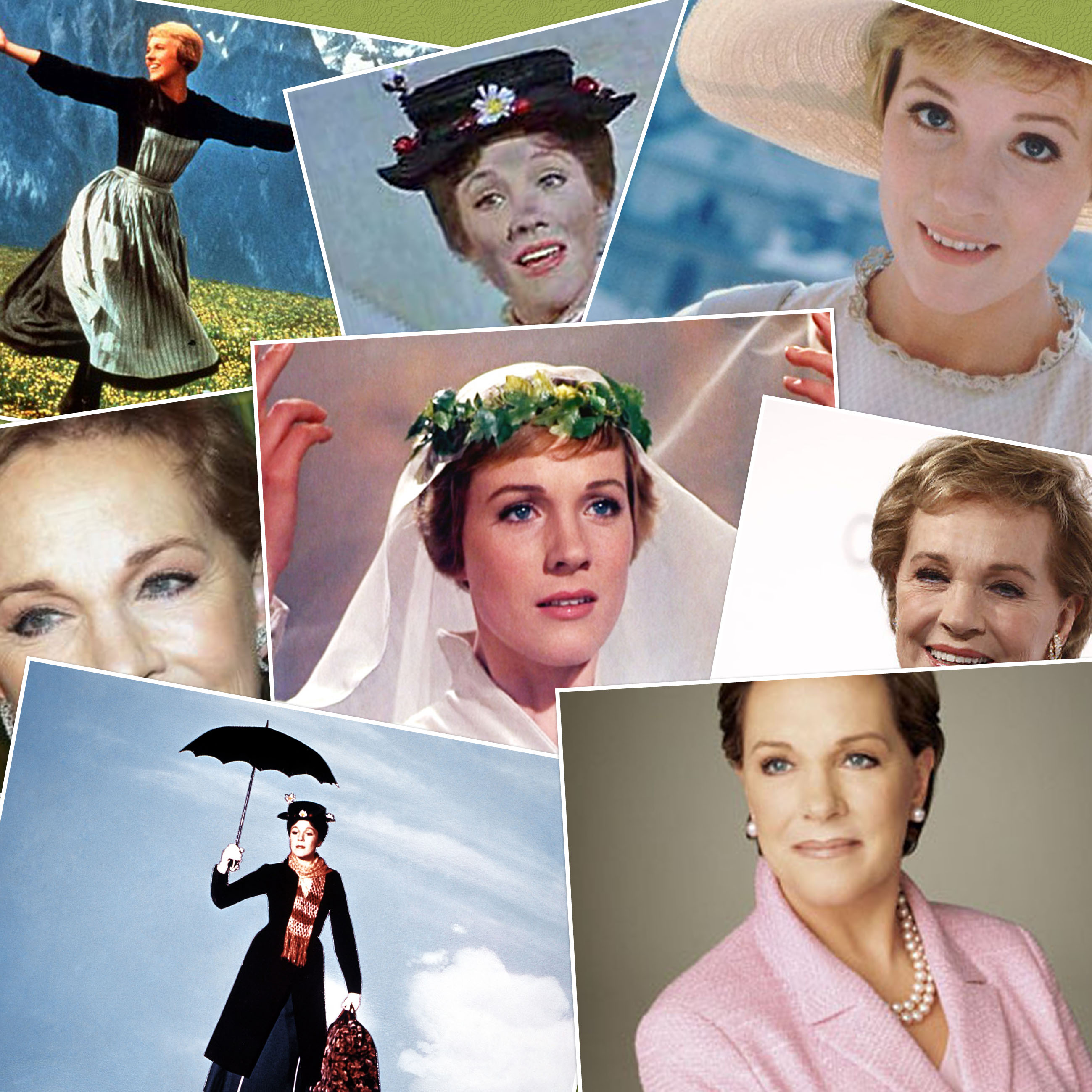
JULIE ANDREWS

JULIE ANDREWS

JULIE ANDREWS


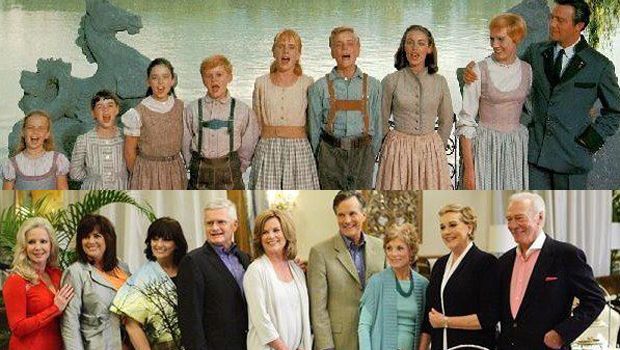
SOUND OF MUSIC TEAM  ( Von Trapp family in movie)

Sound of music team

Sound of music team


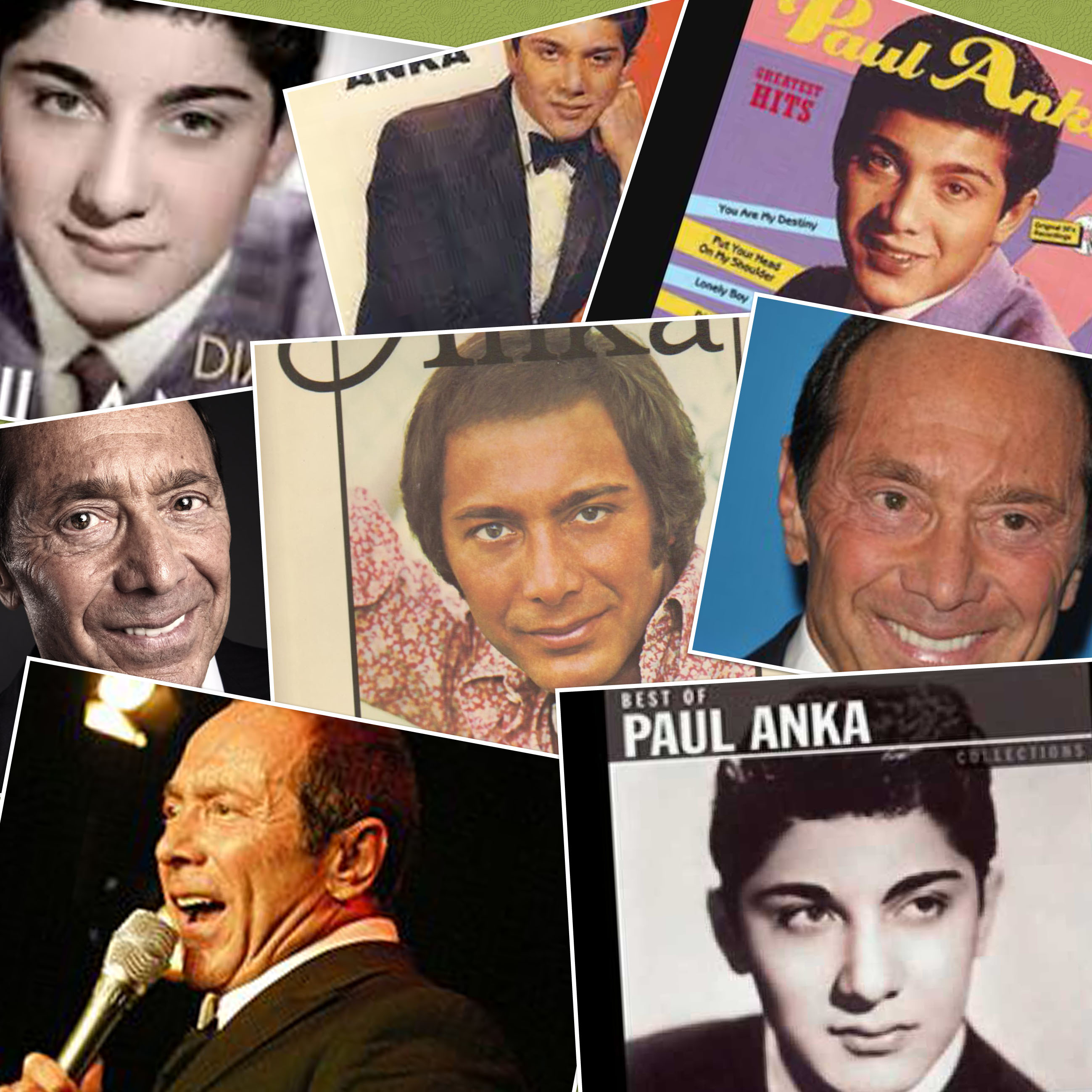
PAUL ANKA

PAUL ANKA

PAUL ANKA


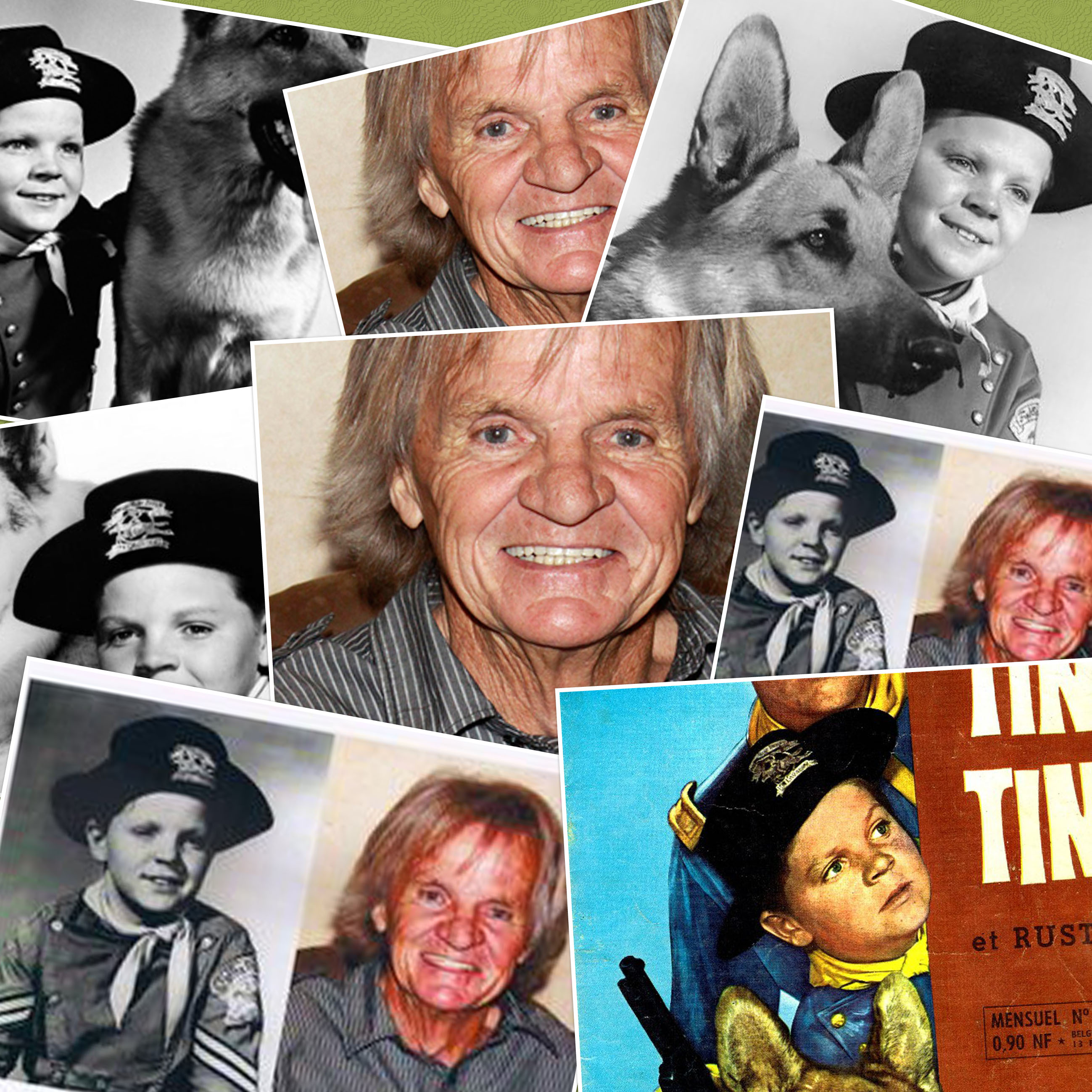
LEE  AAKER ( Aka RUSTY in RINTINTIN )

LEE AAKER AKA RUSTY in RINTINTIN

LEE AAKER AKA RUSTY in RINTINTIN


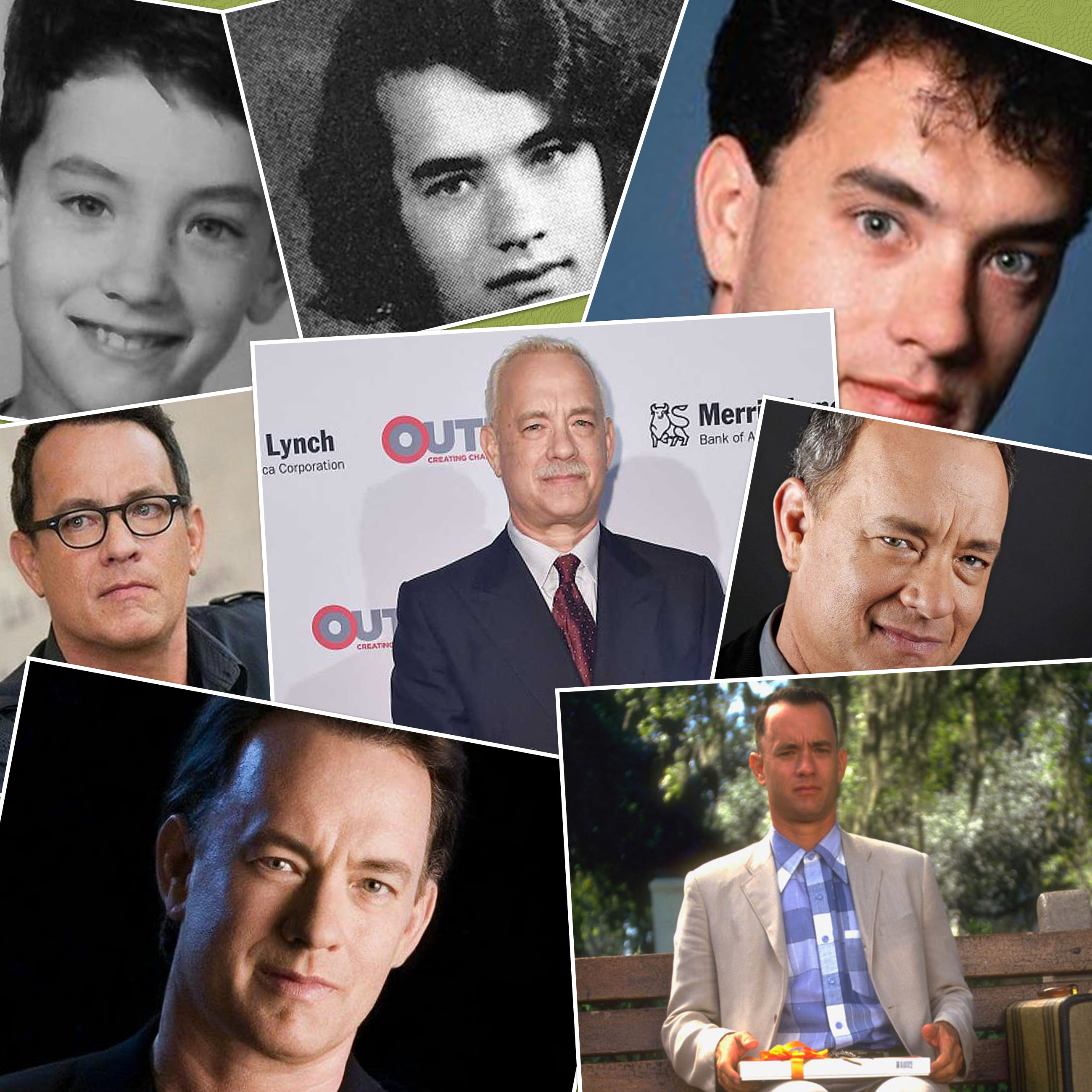
TOM HANKS

Tom Hanks

Tom Hanks


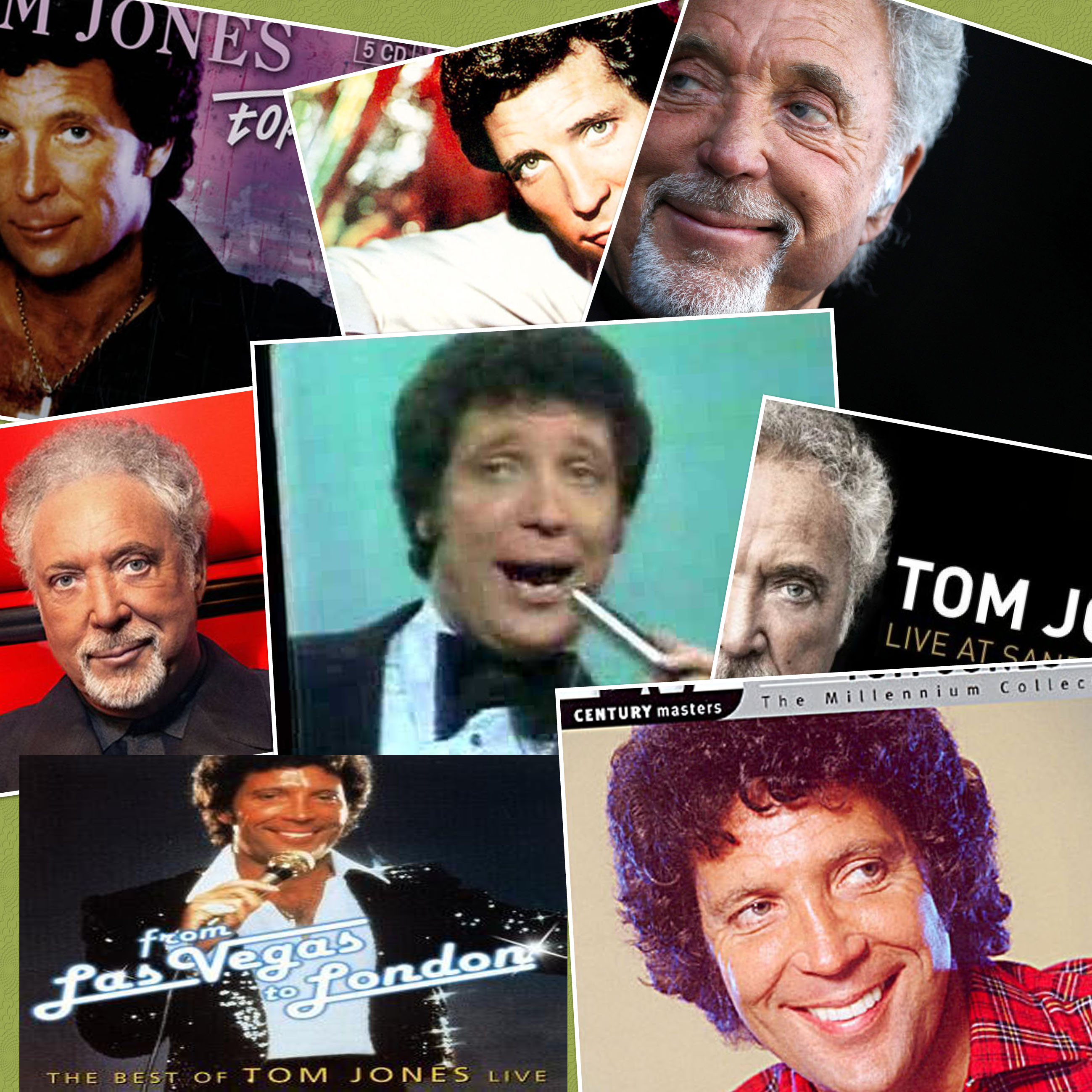
TOM JONES

TOM JONES

TOM JONES


Sources : Google


Virtual travel around the world


With this link you can travel (almost) around the world.

Sitting in a taxi, as passenger , you can visit and discover streets of the city, highways etc.

You can click OFF to not hear the sound of the car engine…You can click ON or OFF to listen to the radio / the music

https://driveandlisten.herokuapp.com/

Some screenshots

Istanbul
Dublin
Delhi
Melbourne
London

chose the city you wan, with sound or not. Up to you

https://driveandlisten.herokuapp.com/

Classical music : Do you really know all their names?


32 Famous orchestral pieces

Sources Youtube

PINTEREST PAGE


PINTEREST : RADIOSATELLITE

PINTEREST : STARS OF EGYPT

PINTEREST : COUNTRIES & CITIES

ALSO YOU CAN READ / WATCH

RADIOSATELLITE LIVE 24/7


CLICK AND LISTEN TO MUSIC CLIQUE E OUÇA MÚSICA HAGA CLIC Y ESCUCHE MÚSICA НАЖМИТЕ И ПОСЛУШАЙТЕ МУЗЫКУ KLICKEN UND MUSIK HÖREN KLIK EN LUISTER NAAR MUZIEK CLICCA E ASCOLTA LA MUSICA クリックして音楽を聴く CLIQUEZ ET ECOUTEZ انقر واستمع إلى الموسيقى לחץ והאזין למוזיקה Fă clic și ascultă muzică Κάντε κλικ και ακούστε μουσική KLIKI JA…

VIDEOS FOR FUN 🙂


VIDEOS. “JUST FOR LAUGHS” FOR YOU TO LAUGH AND ENJOY YOUR DAY / YOUR EVENING

VIDEOS “JUST FOR LAUGHS” POUR VOUS, POUR RIRE ET QUE VOUS PASSIEZ UNE BONNE JOURNÉE / BONNE SOIRÉE

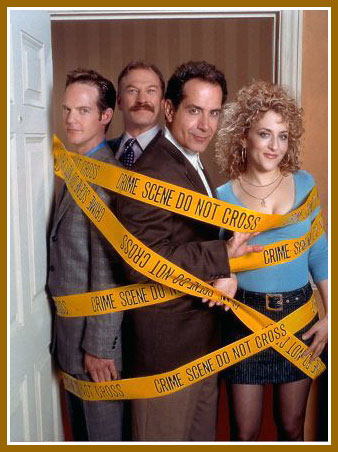
TONY SHALHOUB / TONY CHALHOUB


Anthony Marc “Tony” Shalhoub (born October 9, 1953), is an American actor. He is known for playing Adrian Monk in the USA Network television series Monk, Antonio Scarpacci in the NBC sitcom Wings and Abe Weissman on Amazon’s The Marvelous Mrs. Maisel. Shalhoub has also had a successful film career, with roles in films such as Quick Change (1990), Barton Fink (1991), Big Night (1996), Men in BlackGattaca (both 1997), Paulie (1998), The Siege (1998), Galaxy Quest (1999), Spy KidsThirteen GhostsThe Man Who Wasn’t There (all 2001) and 1408 (2007).

MONK

He is widely recognized for his work, having won a Golden Globe Award for Best Actor – Television Series Musical or Comedy, six Screen Actors Guild Awards and four Primetime Emmy Awards. For his work on Broadway, Shalhoub has received four Tony Award nominations, winning a Tony Award for Best Actor in a Musical for his performance as Tewfiq Zakaria in The Band’s Visit. He has also provided voice-work for the Cars franchise (2006–2017), Teenage Mutant Ninja Turtles (2014) and Teenage Mutant Ninja Turtles: Out of the Shadows (2016).

Shalhoub, the ninth of ten children, was born and raised in a Lebanese Maronite Christian household in Green Bay, Wisconsin. His father, Joe, was from Mount Lebanon, and immigrated to the United States, after his own parents, Melhem and Mariam, were both killed during World War I.

MONK
MONK

He was a meat peddler who drove a refrigerated truck. Joe married Shalhoub’s mother, Helen (née Srouji ), a Lebanese-American. The two met when Joe was taken in to be raised by her family, when both were little. One of Shalhoub’s maternal great-great-grandfathers, Abdel Naim, though a Christian Maronite Lebanese, was killed in the Hamidian massacres committed against Armenians in the Ottoman Empire in 1895. Shalhoub was introduced to acting by an older sister who put his name forward to be an extra in a high school production of The King and I.

After graduating from Green Bay East High School, he spent a short time at the University of Wisconsin-Green Bay before participating in the National Student Exchange to the University of Southern Maine where he later transferred and earned a bachelor’s degree. He later went on to earn a master’s degree from the Yale School of Drama in 1980. Shalhoub is also fluent in Lebanese.

Shalhoub married actress Brooke Adams in 1992. They have worked together in several films, one episode of Wings, and on BrainDead. Adams has appeared credited as a “Special Guest Star” in five episodes of Monk—”Mr. Monk and the Airplane“, “Mr. Monk’s 100th Case”, “Mr. Monk and the Kid”, “Mr. Monk Visits a Farm”, and “Mr. Monk and the Badge”.

Shalhoub and Adams appeared on Broadway together in the 2010 revival of Lend Me a Tenor. At the time of their wedding, Adams had an adopted daughter, Josie Lynn (born 1989), whom Shalhoub adopted. In 1994, they adopted another daughter, Sophie (born 1993).

Tony’s brother Michael is also an actor who made multiple guest appearances on Monk. He first appears in “Mr. Monk and the Missing Granny”, as a member of a disbanded radical group suspected of involvement in a kidnapping. In “Mr. Monk Bumps His Head”, he plays a Wyoming beekeeper who is annoyed when a suspect crashes a car into his farm. Michael also appears in “Mr. Monk Is the Best Man” as the minister presiding at Leland Stottlemeyer‘s wedding.

In May 2020, Shalhoub revealed that he and his wife Brooke had tested positive for COVID-19 the previous month, remarking that “we really are all Monk now”, and that they had recovered after “a pretty rough few weeks”.

Albert à l’Ouest


Nous avons découvert récemment, un film, pourtant paru en 2014 : ALBERT A L’OUEST

Titre original : A MILLION WAY TO DIE IN THE WEST

Film marrant, comique même.

“Western” en parodie et comédie

Surtout que l’un des acteurs de ce film : LIAM NEESON qui , pour la première fois, sans doute, a joué dans cette catégorie de films de cinéma. En général, Liam Neeson, opte pour des films d’action, de violence, plutôt sérieux ( enfin, dans le sens où ca ne rigole pas).

L’actrice principale : CHARLIZE THERON

L’acteur principal : SETH MAC FARLANE ( producteur et réalisateur du film )

Nous pouvons voir passer DOC BROWN ( Christopher LLOYD ) de passage dans le far west venant du futur ( BACK TO THE FUTURE).

Passage aussi de BILL MAHER qui reproduira , dans le far west, une réplique de ses émissions TV

Pour résumer: Ce film vaut le détour.

Pour vous donner un avant goût, quelques vidéos choisies pour vous dans cet article.

Visionnez les. Ca vaudra le détour

Et si vous avez l’occasion de voir le film ( en DVD ou en VOD ) n’hésitez pas.

Il passe aussi sur les chaines OCS de temps en temps. ( Si vous auriez un abonnement des chaines de ce groupe cinéma)

En 1882, Albert Stark (Seth MacFarlane) vit dans la ville de Vieille Souche (Old Stump en version originale et québécoise). C’est un éleveur de moutons, plutôt lâche, qui vient de perdre sa petite amie Louise (Amanda Seyfried). Il s’entraîne alors pour devenir un as de la gâchette, avec l’aide d’Anna (Charlize Theron), la femme du célèbre hors-la-loi Clinch (Liam Neeson). Mais les choses se compliquent lorsqu’Albert et Anna tombent amoureux l’un de l’autre..

A million ways to die in the West


We discovered this week a movie from 2014.

A western comedy and parody at times.

We really enjoyed this movie. Laughter assured.

Too bad it didn’t get the success it deserves.

Here are details about this movie ( from Wikipedia and from other sources all reunited her in this article

Training

A Million Ways to Die in the West is a 2014 American Western comedy film directed by Seth MacFarlane, who wrote the screenplay with Alec Sulkin and Wellesley Wild. The film features an ensemble cast including MacFarlane, Charlize TheronAmanda SeyfriedNeil Patrick HarrisGiovanni RibisiSarah Silverman, and Liam Neeson. The film follows a cowardly frontiersman who gains courage with the help of a female gunfighter and must use his newfound skills in a confrontation with her villainous outlaw husband.

Charlize Theron

Development for A Million Ways to Die in the West began while MacFarlane and co-writers Sulkin and Wild were watching western movies during the development of Ted. Casting was done between December 2012 and March 2013. Filming began on May 6, 2013, in various locations in New Mexico including Albuquerque and Santa Fe, and it concluded on August 9 that year. Joel McNeely composed the score.

The film was released on May 30, 2014, in the United States, and distributed worldwide by Universal Pictures. The film received mixed reviews from critics, with criticism for its length. It was released on DVD and Blu-ray on October 7, 2014, and earned more than $15 million in home media sales

THE FAIR

In 1882, in the town of Old Stump, Arizona, timid sheep farmer Albert Stark (Seth MacFarlane) has broken up with his girlfriend Louise (Amanda Seyfried) as a result of his refusal to participate in a gunfight. He prepares to migrate to San Francisco, believing that the frontier offers nothing for him. Meanwhile, infamous outlaw Clinch Leatherwood (Liam Neeson) robs and kills an old prospector (Matt Clark) for a gold nugget. He orders his right-hand man Lewis (Evan Jones) to escort his wife Anna (Charlize Theron) to Old Stump to lie low while he continues his banditry.

A million way to die in the west

Lewis and Anna arrive in Old Stump under the disguise of two siblings intending to build a farm, but Lewis is arrested after shooting the Pastor’s (John Aylward) son in a saloon. During the brawl, Albert saves Anna from being crushed by two of the patrons, and the two become close friends. They attend a county fair where Louise’s new boyfriend, the arrogant Foy (Neil Patrick Harris), challenges Albert to a shooting contest. Albert is defeated, but Anna steps in and defeats Foy. Foy publicly humiliates Albert, who impulsively challenges Foy to a duel in a week’s time to win back Louise. Anna then spends the week teaching Albert how to shoot.

During a barn dance the night before the duel, Anna gives Foy a Mickey. After leaving the dance, Albert and Anna kiss before heading home. Upon breaking out of jail and murdering the sheriff, Lewis observes the kiss and reports it to Clinch. On the day of the duel, Foy arrives late and gets diarrhea from the laxative he had unknowingly drunk. Albert, who has decided that Louise is not worth fighting for, once again forfeits the duel. He retires to the saloon, but Clinch arrives and demands to know who kissed his wife. He reveals that Anna is his wife and threatens to continue killing more people unless his wife’s lover duels him at noon the next day. Later, Clinch confronts Anna by demanding that she reveal Albert’s name and his whereabouts or he will kill her. Before he attempts to have sex with her, she knocks him unconscious with a rock and escapes.

No Sex before marriage she said

Anna returns to Albert’s farm to warn him about Clinch, but he chastises her for lying to him. Clinch, having regained consciousness, tracks down Anna to the farm, but Albert helps her escape, then escapes himself. While fleeing, he is captured by a tribe of Apache Indians, who threaten to burn him alive. The Apaches spare him when he reveals that he can speak their language. They give him a bowl of peyote, which sends him flashing back to his birth and through painful events of his childhood before making him realize that he loves Anna.

Meanwhile, Clinch recaptures Anna in town, but Albert returns to Old Stump and confronts him. He wounds Clinch with a bullet poisoned with rattlesnake venom before his own gun is shot out of his hand, but he manages to stall until Clinch fatally succumbs to the poison. Louise attempts to win back Albert, but he rejects her and instead happily enters a relationship with Anna, who becomes his new wife. Albert also receives a bounty for killing Clinch and uses the money to buy more sheep.

In a pre-credits scene, the proprietor of a racist shooting game called “Runaway Slave” at the fair asks who would like to take a shot. Django Freeman (Jamie Foxx) steps up and shoots the man while commenting that “people die at the fair”.

Seth Mac Farlane and Charlize Theron

Liam Neeson
Bill Maher

Casting

  • Seth MacFarlane as Albert Stark, a wimpy but kind-hearted sheepherder.
    • Mike Salazar as 6-year-old Albert
  • Charlize Theron as Anna Barnes-Leatherwood, Clinch Leatherwood’s rebellious wife, who befriends Albert.
  • Amanda Seyfried as Louise, Albert’s unappreciative ex-girlfriend.
  • Liam Neeson as Clinch Leatherwood, a notorious outlaw and Anna’s abusive husband.
  • Giovanni Ribisi as Edward, Albert’s best friend and Ruth’s boyfriend
  • Neil Patrick Harris as Foy, a wealthy, snobby Old Stump inhabitant and Louise’s current boyfriend.
  • Sarah Silverman as Ruth, Edward’s girlfriend and a prostitute.
  • Christopher Hagen as George Stark, Albert’s abusive father.
  • Wes Studi as Chief Cochise, the leader of Apache Indians
  • Rex Linn as Sheriff/Narrator
  • Alex Borstein as Millie, a madam at a local brothel which Ruth works at.
  • Ralph Garman as Dan
  • John Aylward as Pastor Wilson
  • Amick Byram as Marcus Thornton
  • Evan Jones as Lewis, a ruthlessly violent outlaw and Clinch Leatherwood’s right-hand man.
  • Dylan Kenin as Pastor’s Son, the son of the town pastor, who is killed by Lewis in the bar.
  • Matt Clark as the Old Prospector, an unfortunate victim of Clinch’s gang

Cameos

The score was composed by Joel McNeely. The soundtrack was released by Back Lot Music on May 27, 2014. The theme song “A Million Ways to Die” is performed by Alan Jackson. It was released as a single on April 29, 2014. A portion of the Back to the Future theme by Alan Silvestri is used during Christopher Lloyd’s cameo. Near the end of the movie, the refrain of “Tarzan Boy” by Baltimora is used as a fictional “Muslim Death Chant.” Track listing

All music is composed by Joel McNeely, except as noted.

No.TitleLength
1.“A Million Ways to Die” (performed by Alan Jackson)2:27
2.“Main Title”2:33
3.“Missing Louise”2:08
4.“Old Stump”0:45
5.“Saloon Brawl”1:50
6.“Rattlesnake Ridge”1:28
7.“People Die at the Fair”2:11
8.“The Shooting Lesson”2:16
9.“The Barn Dance”2:29
10.“If You’ve Only Got a Moustache” (composed by Stephen Foster, performed by Amick Byram)1:31
11.“Anna and Albert”4:19
12.“Clinch Hunts Albert”3:41
13.“Racing the Train”2:21
14.“Captured by Cochise”2:07
15.“Albert Takes a Trip”2:24
16.“The Showdown”2:20
17.“Sheep to the Horizon”2:00
18.“End Title Suite”

Box office

A Million Ways to Die in the West grossed $43.1 million in North America and $43.3 million in other territories, for a worldwide total of $86.4 million, against its $40 million budget.

The film grossed $16.8 million in its opening weekend, finishing in third place at the box office behind fellow newcomer Maleficent and the previous weekend’s opener X-Men: Days of Future Past. This was below expectations of $26 million. In its second weekend, the film dropped to number five, grossing an additional $7.3 million. In its third weekend, the film dropped to number eight, grossing $3.2 million. In its fourth weekend, the film dropped to number 11, grossing $1.6 million.

A million way to die in the West

Julie Andrews


Dame Julie Andrews DBE (born Julia Elizabeth Wells; 1 October 1935) is an English actress, singer, and author. Throughout her career of over 75 years, she has received numerous accolades, including an Academy Award, a British Academy Film Award, two Primetime Emmy Awards, three Grammy Awards, and six Golden Globe Awards.

Andrews was made a Disney Legend in 1991, and has been honoured with a Honorary Golden Lion as well as the AFI Life Achievement Award. In 2000, Andrews was made a dame by Queen Elizabeth II for services to the performing arts.

Andrews, a child actress and singer, appeared in the West End in 1948 and made her Broadway debut in The Boy Friend (1954). Billed as “Britain’s youngest prima donna“, she rose to prominence starring in Broadway musicals such as My Fair Lady (1956) playing Eliza Doolittle and Camelot (1960) playing Queen Guinevere. On 31 March 1957, Andrews starred in the premiere of Rodgers and Hammerstein‘s written-for-television musical Cinderella, a live, colour CBS network broadcast seen by over 100 million viewers. Andrews made her feature film debut in Walt Disney‘s Mary Poppins (1964) and won the Academy Award for Best Actress for her performance in the title role. The following year she starred in the musical film The Sound of Music (1965), playing Maria von Trapp and won the Golden Globe Award for Best Actress – Motion Picture Comedy or Musical.

Between 1964 and 1986, Andrews starred in various films working with directors including her husband Blake EdwardsGeorge Roy Hill, and Alfred Hitchcock in The Americanization of Emily (1964), Hawaii (1966), Torn Curtain (1966), Thoroughly Modern Millie (1967), Star! (1968), The Tamarind Seed (1974), 10 (1979), S.O.B. (1981), Victor/Victoria (1982), That’s Life! (1986), and Duet for One (1986). After 1986 her workload decreased, appearing in two films in 1991 and not again until 2000. After the turn of the new millennium, however, her career had a revival. From 2001 to 2004 Andrews starred in The Princess Diaries (2001) and The Princess Diaries 2: Royal Engagement (2004). From 2004 to 2018 she lent her voice to the Shrek and Despicable Me animated films and Aquaman (2018). In 2017 she co-created and hosted a children’s educational show titled Julie’s Greenroom, for which she received two Daytime Emmy Award nominations. Beginning in 2020, Andrews voiced the narrator Lady Whistledown in the Netflix series Bridgerton. She has also worked hosting performance shows such as Great Performances and narrating documentaries such as the 2004 Emmy-winning series Broadway: The American Musical.

In 2002, Andrews was ranked No. 59 in the BBC’s poll of the 100 Greatest Britons. In 2003, she revisited her first Broadway success, this time as a stage director, with a revival of The Boy Friend. Apart from her musical career, she is also an author of children’s books and has published two autobiographies, Home: A Memoir of My Early Years (2008) and Home Work: A Memoir of My Hollywood Years (2019).

Julia Elizabeth Wells was born on 1 October 1935 in Walton-on-Thames, Surrey, England. Her mother, Barbara Ward Wells (née Morris; 1910–1984) was born in Chertsey and married Edward Charles “Ted” Wells (1908–1990), a teacher of metalwork and woodwork, in 1932.

Andrews was conceived as a result of an affair her mother had with a family friend. Andrews discovered her true parentage from her mother in 1950, although it was not publicly disclosed until her 2008 autobiography.

With the outbreak of World War II, her parents went their separate ways and were soon divorced. Each remarried: Barbara to Ted Andrews, in 1943, and Ted Wells in 1944 to Winifred Maud (Hyde) Birkhead, a war widow and former hairstylist at a war work factory that employed them both in Hinchley Wood, Surrey. Wells assisted with evacuating children to Surrey during the Blitz, while Andrews’s mother joined her husband in entertaining the troops through the Entertainments National Service Association. Andrews lived briefly with Wells and her brother, John in Surrey. In 1940, Wells sent her to live with her mother and stepfather, who Wells thought would be better able to provide for his talented daughter’s artistic training. According to Andrews’s 2008 autobiography Home, while Andrews had been used to calling her stepfather “Uncle Ted”, her mother suggested it would be more appropriate to refer to her stepfather as “Pop”, while her father remained “Dad” or “Daddy” to her, a change which she disliked. The Andrews family was “very poor” and “lived in a bad slum area of London,” at the time, stating that the war “was a very black period in my life.” According to Andrews, her stepfather was violent and an alcoholic. He twice, while drunk, tried to get into bed with his stepdaughter, resulting in Andrews fitting a lock on her door.

As the stage career of her mother and stepfather improved, they were able to afford better surroundings, first to Beckenham and then, as the war ended, back to the Andrews’s hometown of Hersham. The family took up residence at the Old Meuse, in West Grove, Hersham, a house (now demolished) where Andrews’s maternal grandmother had served as a maid. Andrews’s stepfather sponsored lessons for her, first at the independent arts educational school Cone-Ripman School (ArtsEd) in London, and thereafter with concert soprano and voice instructor Madame Lilian Stiles-Allen. Andrews said of Stiles-Allen, “She had an enormous influence on me,” adding, “She was my third mother – I’ve got more mothers and fathers than anyone in the world.” In her memoir Julie Andrews – My Star Pupil, Stiles-Allen records, “The range, accuracy and tone of Julie’s voice amazed me … she had possessed the rare gift of absolute pitch”, though Andrews herself refutes this in her 2008 autobiography Home. According to Andrews, “Madame was sure that I could do Mozart and Rossini, but, to be honest, I never was”. Of her own voice, she says, “I had a very pure, white, thin voice, a four-octave range – dogs would come from miles around.” After Cone-Ripman School, Andrews continued her academic education at the nearby Woodbrook School, a local state school in Beckenham.

The sound of music

The sound of Music

The sound of Music

The sound of music Julie Andrews /Christopher Plummer
Cast of Sound of Music

Termed “Britain’s youngest prima donna”, Andrews’s classically trained soprano voice, lauded for its “pure and clear” sound, has been described as light, bright and operatic in tone. When a young Andrews was taken by her parents to be examined by a throat specialist, the doctor concluded that she had “an almost adult larynx.” Despite the continual encouragement to pursue opera by her voice teacher, English soprano Lilian Stiles-Allen, Andrews herself felt that her voice was unsuited for the genre and “too big a stretch”. At the time, Andrews described her own voice as “extremely high and thin”, feeling that it lacked “the necessary guts and weight for opera”, preferring musical theatre instead.

Victor Victoria

As Andrews aged, so did her voice, which began to naturally deepen. Losing her vast upper register, her “top notes” became increasingly difficult to sing while “her middle register matured into the warm golden tone” for which she has become known, according to Tim Wong of The Daily Telegraph.

Musically, she had always preferred singing music that was “bright and sunny”, choosing to avoid songs that were sad or otherwise written in a minor key, for fear of losing her voice “in a mess of emotion”. She cited this as another reason for avoiding opera.

Supercalifragilisticexpialidocious.

SUPERCALIFRAGILISTICEXPIALIDOCIOUS
Mary Poppins
Andre Rieu / Mary Poppins / Supercalifragilisticexpialidocious
A Spoonful Of Sugar / Julie Andrews / Mary Poppins 
Mary Poppins – Chim Chim Cher-ee
Julie Andrews

Additional informations about “the sound of music” : The original Broadway cast. The original Broadway cast was started by Mary Martin. Her singing style was very different than Julie Andrews’s style.

(Mary Martin was Larry hagman’s mother)

Sources Youtube / Wikipedia

The King’s Speech


The King’s Speech is a 2010 British historical drama film directed by Tom Hooper and written by David SeidlerColin Firth plays the future King George VI who, to cope with a stammer, sees Lionel Logue, an Australian speech and language therapist played by Geoffrey Rush. The men become friends as they work together, and after his brother abdicates the throne, the new king relies on Logue to help him make his first wartime radio broadcast upon Britain’s declaration of war on Germany in 1939.

Seidler read about George VI’s life after learning to manage a stuttering condition he developed during his own youth. He started writing about the relationship between the therapist and his royal patient as early as the 1980s, but at the request of the King’s widow, Queen Elizabeth The Queen Mother, postponed work until her death in 2002. He later rewrote his screenplay for the stage to focus on the essential relationship between the two protagonists. Nine weeks before filming began, Logue’s notebooks were discovered and quotations from them were incorporated into the script.

Principal photography took place in London and around Britain from November 2009 to January 2010. Hard light was used to give the story a greater resonance and wider-than-normal lenses were employed to recreate the Duke of York’s feelings of constriction. A third technique Hooper employed was the off-centre framing of characters.

The King’s Speech was a major box office and critical success. It was widely praised by film critics for its visual style, art direction, screenplay, directing, score, and acting. Other commentators discussed the film’s representation of historical detail, especially the reversal of Winston Churchill‘s opposition to abdication. The film received many awards and nominations, particularly for Colin Firth’s performance, which resulted in his first Oscar win for Best Actor. At the 83rd Academy Awards, The King’s Speech received 12 Oscar nominations, more than any other film in that year, and subsequently won four, including Best Picture. Censors initially gave it adult ratings due to profanity, though these were later revised downwards after criticism by the makers and distributors in the UK and some instances of swearing were muted in the US. On a budget of £8 million, it earned over £250 million internationally.

At the official closing of the British Empire Exhibition at Wembley StadiumPrince Albert, Duke of York, the second son of King George V, addresses the crowd with a strong stammer. His search for treatment has been discouraging, but his wife, Elizabeth, persuades him to see the Australian-born Lionel Logue, a non-medically trained Harley Street speech defects therapist. “Bertie”, as he is called by his family, believes the first session is not going well, but Lionel, who insists that all his patients address him as such, has his potential client recite Hamlet‘s “To be, or not to be” soliloquy while hearing classical music played on a pair of headphones. Bertie is frustrated at the experiment but Lionel gives him the acetate recording that he has made of the reading as a souvenir.

After Bertie’s father, King George V, broadcasts his 1934 Royal Christmas Message, he explains to Bertie that the wireless will play a significant part in the role of the royal family, allowing them to enter the homes of the people, and that Bertie’s brother’s neglect of his responsibilities make training in it necessary. The attempt at reading the message himself is a failure, but that night Bertie plays the recording Lionel gave him and is astonished at the lack of stutter there. He therefore returns for daily treatments to overcome the physical and psychological roots of his speaking difficulty.

George V dies in 1936, and his eldest son David ascends the throne as King Edward VIII. A constitutional crisis arises with the new king over a prospective marriage with the twice-divorced American socialite Wallis Simpson. Edward, as the supreme governor of the Church of England, cannot marry her, even if she receives her second divorce, since both her previous husbands are alive.

At an unscheduled session, Bertie expresses his frustration that, while his speech has improved when speaking to most people, he still stammers when talking to David, at the same time revealing the extent of Edward VIII’s folly with Simpson. When Lionel insists that Bertie himself could make a good king, Bertie accuses Lionel of speaking treason and quits Lionel in anger. Bertie must now face the Accession Council without any assistance.

Bertie and Lionel only come together again after King Edward decides to abdicate in order to marry. Bertie, urged ahead by Prime Minister Stanley Baldwin, ascends the throne as King George VI and visits Lionel’s home with his wife before their coronation, much to the surprise of Mrs. Logue when she comes upon Queen Elizabeth having tea at her dining room table. This is the first time that she learns who her husband’s patient has been.

Bertie and Lionel’s relationship is questioned by the King’s advisors during the preparations for his coronation in Westminster Abbey. The archbishop of CanterburyCosmo Gordon Lang, brings to light that George never asked for advice from his advisors about his treatment and that Lionel has never had formal training. Lionel explains to an outraged Bertie that at the time he started with speech defects there were no formal qualifications and that the only known help that was available for returning Great War shell-shocked Australian soldiers was from personal experience. Bertie remains unconvinced until provoked to protest at Lionel’s disrespect for King Edward’s Chair and the Stone of Scone. Only at this pivotal moment, after realising he has just expressed himself without impairment, is Bertie able to rehearse with Lionel and complete the ceremony.

The King’s Speech

As the new king, Bertie is in a crisis when he must broadcast to Britain and the Empire following the declaration of war on Nazi Germany in 1939. Lionel is summoned to Buckingham Palace to prepare the king for his speech. Knowing the challenge that lies before him, Lang, Winston Churchill, and Prime Minister Neville Chamberlain are present to offer support. The King and Logue are then left in the broadcasting room. He delivers his speech with Logue conducting him, but by the end he is speaking freely. Preparing to leave the room for the congratulations of those present, Logue mentions to the King that he still has difficulty enunciating w and the King jokes back, “I had to throw in a few so they’d know it was me.”

As the Royal Family step onto the palace balcony and are applauded by the crowd, a title card explains that Logue, who received the Royal Victorian Order for service to the Crown, was always present at King George VI’s speeches during the war and that they remained friends until the King’s death from lung cancer in 1952.

A star is born (version 2018)


A Star Is Born ou Une étoile est née est un film musical américain coécrit, coproduit et réalisé par Bradley Cooper, sorti en 2018. Salué à la fois par le public et les critiques, le film et sa bande originale remportent plus d’une soixantaine de prix.

Il s’agit du quatrième remake du film Une étoile est née de William A. Wellman, sorti en 1937.

Jackson Maine (Bradley Cooper) se produit dans des concerts qui se vendent bien tout en ayant des acouphènes assez fréquents et des addictions à l’alcool et à la drogue qu’il cache au public. Son principal soutien et manager n’est autre que son demi-frère aîné Bobby (Sam Elliott) qui s’occupe de lui. Ally Campana (Lady Gaga) est une jeune autrice-compositrice qui travaille comme serveuse avec son ami Ramon (Anthony Ramos), tout en chantant dans un bar de drag queens. Après un concert au Coachella Festival, Jackson arrive dans ce même bar pour boire un verre et découvre Ally qui chante La Vie en rose. Impressionné par son talent, il partage un verre avec elle. Ally lui révèle qu’elle n’a jamais poursuivi de carrière professionnelle car les gens de l’industrie lui ont trop souvent dit qu’elle avait un nez trop grand et qu’elle n’arriverait jamais à rien. Jackson lui avoue trouver cela séduisant et lui propose d’écrire des chansons ensemble. Elle le ramène chez elle, où elle vit avec son père veuf, Lorenzo (Andrew Dice Clay), qui dirige un service de chauffeurs avec ses amis. Jackson demande à Ally de venir à son concert le soir même, mais elle refuse malgré l’insistance de Lorenzo. Elle change finalement d’avis et emmène Ramon avec elle. Jackson demande à Ally de chanter avec lui sur scène. Après hésitation, elle cède et finit par être adulée sur les réseaux sociaux grâce à son interprétation de Shallow.

Jackson et Ally partent sur les routes, chantent ensemble à plusieurs concerts et commencent à se lier. Après l’évanouissement de Jackson à cause de son alcoolisme, Bobby dit à Ally qu’elle doit être très prudente avec lui. Jackson emmène Ally en Arizona voir une ferme qu’il a achetée pour Bobby et où son père est enterré, mais découvre que Bobby a vendu le terrain et que le corps de leur père a été emporté dans une tornade. Furieux de sa trahison, Jackson frappe Bobby, qui décide de démissionner de son poste de manager.

À la fin d’un concert, Ally rencontre Rez (Rafi Gavron), un producteur qui lui propose un contrat après l’avoir entendu chanter Always Remember Us This Way. Malgré le fait qu’il soit visiblement contrarié, Jackson soutient sa décision et aide Ally à traverser les premières épreuves de sa notoriété. Pendant un de ces concerts, Rez réprimande Ally sur sa décision d’annuler le numéro de danse initialement prévu et lui suggère de se teindre les cheveux en blond platine, ce qu’elle refuse. Supposé venir au concert, Jackson, ivre, s’évanouit en centre ville et est aidé par Noodles (Dave Chappelle), un de ses amis d’enfance qui l’autorise à rester temporairement chez lui. Ally le rejoint et lui avoue avoir de plus en plus de mal à supporter ses addictions. Jackson lui fait alors sa demande en mariage en créant une bague avec un bout de corde de guitare, et ils se marient le jour même.

Pendant qu’Ally se produit dans l’émission Saturday Night Live, Bobby arrive et se réconcilie avec Jackson. Plus tard, Jackson exprime sa réprobation face à une des chansons d’Ally, qui perd en authenticité et se transforme petit à petit en produit commercial. La traitant de « laide », ils se disputent puis essaient rapidement de laisser le problème derrière eux. Sous l’emprise de l’alcool et des opiacés, Jackson se produit aux Grammy Awards avec un hommage à Roy Orbison. Ally gagne le Grammy de la meilleure nouvelle artiste. Pendant qu’elle prononce son discours, Jackson arrive sur scène au même moment mais s’humilie en s’urinant dessus et en perdant connaissance. Lorenzo emmène Jackson dans les coulisses, le réprimande et le met sous une douche pour le faire dessoûler. À la suite de cet incident, Jackson part en cure de désintoxication.

Ally lui rend visite et Jackson s’excuse pour son comportement. Avant le retour de Jackson chez lui à la fin de sa cure, Ally propose à Rez de faire une tournée commune avec son mari, désormais sobre et remis sur pied. Mais le manager refuse catégoriquement. Hors d’elle, Ally lui dit qu’elle préfère annuler la tournée. Rez se rend à leur domicile et dit en privé à Jackson qu’il finira par replonger tôt ou tard et qu’il pourrait ruiner la carrière d’Ally à cause de ses addictions, mais qu’elle n’osera jamais lui dire. Celle-ci ment à Jackson et lui explique qu’elle a annulé sa tournée européenne pour enregistrer son deuxième album. Lorsqu’elle part pour son dernier show, elle lui demande de la rejoindre sur scène pour chanter ensemble. Il accepte. Mais après le départ d’Ally, Jackson prend des pilules et se suicide en se pendant, comme il avait tenté de le faire durant sa jeunesse.

Ally demeure inconsolable malgré les efforts de Lorenzo et de Ramon pour l’aider. Bobby lui explique que la mort de Jackson n’est pas sa faute mais celle de Jackson lui-même. Elle s’approprie une chanson que Jackson avait écrite mais jamais présentée en public, I’ll Never Love Again, et décide de la chanter à une cérémonie de commémoration, au Shrine Auditorium, où elle se présente elle-même comme Ally Maine. Elle se remémore le moment où Jackson la lui avait présentée chez eux et regarde vers le haut, une larme à l’œil.

LES VERSIONS DE ” A STAR IS BORN”

A star is born  (William Wellman, 1937)

Avec : Janet Gaynor et Fredric March.

A star is born (George Cukor, 1954)

Avec : Judy Garland ( Rappel : Judy Garland étant la mère de liza Minelli ) et James Mason.

A star is born (Frank Pierson, 1976)

Avec : Barbra Streisand et Kris Kristofferson

BRADLEY COOPER SPEAKING FRENCH / BRADLEY COOPER PARLANT EN FRANCAIS

Sources Wikipedia / Youtube / Divers
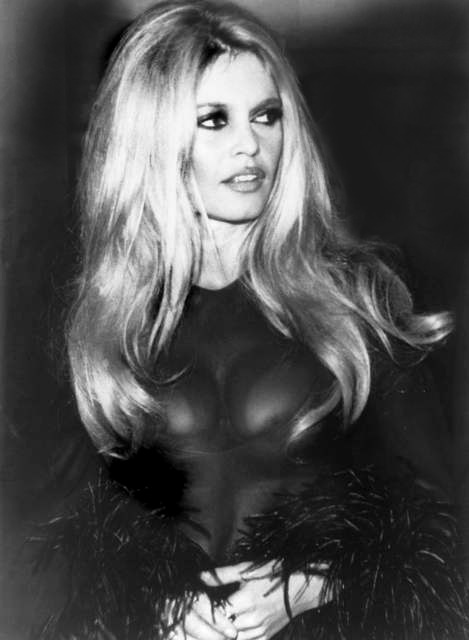
ANDRE RIEU


  • André RIEU
  • Andre Rieu & Zamfir
  • Andre Rieu
  • Reportage sur Andre Rieu ( Report in French )

AUSTRIA


  • AUSTRIA / AUTRICHE NATURE 4K
  • Vienna / Vienne
  • Hallstat Austria
  • Austria / Autriche
  • Tyrol / Tirol
Vienna

OPERATION CHRISTMAS DROP


L’Opération Christmas Drop est une opération humanitaire réalisée chaque année à Noël depuis 1952 par la United States Air Force en Micronésie et supportée par les communautés locales de Guam. Devenue une tradition, c’est la plus ancienne mission du Département de la Défense des États-Unis encore en activité, et le plus long transport aérien humanitaire au monde. L’opération est menée au départ des bases aériennes d’Andersen et de Yokota.

Ce téléfilm classé “film de Noël” se passe dans les tropiques en pleine chaleur

Ce qui nous change des films de Noël traditionnel avec de la “fausse neige” ( en carton ou en fibre ou autre produits synthétiques) installée sur des couloirs de studio aux rues “propres” avec maisons propres et des gens “souriants”. La plupart du temps dans des petits villages que nous ne trouvons que dans ces films.

Le scénario tourne souvent autour de salariés, ou personnes déprimées vivant dans les grandes villes / métropoles qui sont “obligées” de passer Noël dans ces bleds . Puis soudain, l’amour débarque et ces personnes n’ont plus envie de rentrer en métropole.

Dans ce cas, c’est la même chose. Sauf qu’ ERICA ( la fonctionnaire chargée d’établir un rapport , donc de quitter Washington DC pour GUAM ) quitte la métrople pour la plage et pour la chaleur.

Au moins, dans ce cas, la mer n’est pas fausse et nous n’avons pas de fausse neige.

Ce film est actuellement sur NETFLIX. Notre équipe a pu le visionner. Il vaut le détour.

Ce n’est pas un chef d’oeuvre, loin de là mais : Son atout, sa valeur est ailleurs : Parce que :

Ce film relate une histoire VRAIE ( du moins en ce qui concerne les opérations humanitaires dont parle le film) . Ce film reprend l’OPERATION CHRSITMAS DROP. (qui dure depuis des décennies) C’est l’intérêt de ce film de Noël

Il sera apprécié par les lecteurs, cinéphiles qui privilégient la langue du coeur à la langue de la raison voire la langue du rationnel

Operation Christmas Drop

Operation Christmas Drop

Stars from Egypt / Stars d’Egypte


Une fois n’est pas coutume, cependant, il serait bon de faire découvrir des stars, des artistes , des géants voir icones du cinéma Egyptien des années 50 / 60 / 70 et même certains sont encore des monuments du cinéma actifs ( comme M Adel Imam : Considéré comme LE monument du cinéma Egyptien en activité)

Des photos d’une époque. Cependant, à noter que le cinéma Egyptien regorge d’artistes jeunes, modernes et très talentueux. Dans cet article, nous avons préféré aborder certains ( une infime partie, pour être honnête) acteurs, comédiens qui ont marqué le cinéma Egyptien : Cinéma Egyptien voire Panarabe , étant donné que les films Egyptiens représentaient à cette époque ( et à jour même ) plus de 80% du cinéma de tous les pays de la région. Ces films, ces stars :Leur notoriété recouvrait tous les pays du Machrek ( Cad d’orient : à l’Est de l’Egypte: Cad : Liban, Jordanie, Irak, Arabie, Emirats etc…) aussi bien que du Maghreb ( la partie occidentale : A l’ouest de L’Egypte : Le maghreb (Maroc….)

Nous pouvons reconnaitre : Adel Imam, Omar Shariff, ( qui n’est plus à présenter en occident évidemment puisqu’il a joué dans des dizaines de film de cinéma dont Docteur Jivago ou d’autres films français ) , Faten Hamama, Madiha Kamel, Hussein Fahmi, Najlaa Fathi, Shams el Baroudy, Souad Husni, Hassan Youssef, Jamil Rateb le Franco Egyptien ( ayant joué dans plusieurs séries et films en France / Belgique)

ORCHESTRE PHILARMONIQUE DE BERLIN


L’Orchestre philharmonique de Berlin  est un orchestre symphonique allemand créé en 1882. Il compte parmi les orchestres les plus réputés au monde, et à ce titre il est, en quelque sorte, le “rival” de l’Orchestre philharmonique de Vienne.

Orchestre philarmonique de BERLIN
Orchestre Philarmonique de VIENNE

Contrairement à ce dernier, qui n’a pas de chef permanent, mais exclusivement des chefs invités, l’Orchestre philharmonique de Berlin auditionne de nombreux candidats parmi lesquels il élit son chef titulaire, à l’exception notable de Herbert von Karajan, nommé à vie en 1955.

L’orchestre est fondé en 1882 par Joachim Andersen, Ludwig von Brenner et cinquante-deux autres musiciens transfuges de l’orchestre dirigé par Benjamin Bilse. Les premières années sont difficiles et l’orchestre manque plusieurs fois de disparaître. En 1887, Hermann Wolff en devient l’agent et engage le chef d’orchestre Hans von Bülow, qui est considéré par la plupart des musicologues comme le premier chef d’orchestre de métier. Hans von Bülow fut un ami de LisztBrahms et Wagner et dirigea la première mondiale de nombreuses œuvres majeures de la seconde moitié du xixe siècle souvent en présence des compositeurs. Brahms lui dit que ses interprétations correspondaient exactement à ce qu’il avait composé. Dès lors, l’orchestre devient rapidement célèbre. Il est dirigé au cours des années suivantes par nombre de chefs invités prestigieux, parmi lesquels Hans RichterFelix WeingartnerRichard StraussGustav MahlerJohannes Brahms et Edvard Grieg.

M Simon RATTLE

En 1895, sur le conseil de LisztArthur Nikisch en devient le chef permanent et domine la vie musicale en Allemagne pendant une longue période faisant de l’orchestre le plus prestigieux au monde. Wilhelm Furtwängler lui succède en 1922. La conjonction entre l’Orchestre philharmonique de Berlin et Wilhelm Furtwängler est très souvent considérée comme le sommet de l’histoire de l’orchestre et même de toute l’histoire de la direction orchestrale. 

Pendant cette période, l’orchestre réalisa de nombreux enregistrements parmi les plus importants du xxe siècle souvent considérés comme inégalés par une partie de la critique, comme le Concerto pour violon no 2 avec Yehudi Menuhin (en 1953) de Bartók, les 5e Symphonie (1943), 7e Symphonie (1943), 9e Symphonie (1942) de Beethoven, la 4e Symphonie et le Concerto pour piano no 2 de Brahms avec Edwin Fischer de Brahms (les deux en 1942), la 9e Symphonie de Bruckner (en 1944), la 9e Symphonie de Schubert (en 1942), la 4e Symphonie de Robert Schumann (en 1953), les Métamorphoses de Strauss (en 1947), la 6e Symphonie (“Pathétique”) de Tchaïkovski (en 1938), etc. La portée symbolique de ces enregistrements était telle que les Soviétiques s’en emparèrent en 1945 comme “réparation de guerre” avec des originaux de la Grèce antique, des œuvres de la Renaissance italienne, des tableaux impressionnistes français. Ces enregistrements ne seront rendus officiellement par l’Union Soviétique qu’à la fin des années 1980. L’orchestre continue de se produire durant la Seconde Guerre mondiale, et, après la fin des hostilités, est dirigé durant trois mois par Leo Borchard. À la suite de sa disparition brutale en août 1945, Sergiu Celibidache le remplace. De retour d’exil, Furtwängler revient diriger l’ensemble en 1947, en codirection avec Celibidache jusqu’en 1952, puis comme premier chef, jusqu’à son décès en 1954.

Siège de l’orchestre philarmonique de BERLIN

Son successeur est le charismatique Herbert von Karajan, nommé chef à vie en 1955, et qui restera à la tête de l’orchestre durant trente-quatre ans. Durant cette période, l’orchestre effectue de nombreux enregistrements et tournées et acquiert une renommée médiatique considérable. En 1963, il s’installe à la Philharmonie de Berlin, conçue pour lui par l’architecte Hans Scharoun. Le grand auditorium est considéré comme un modèle de perfection acoustique. Karajan quitte son poste quelques mois seulement avant sa mort en 1989. Claudio Abbado prend ensuite la direction de l’orchestre, et ouvre plus largement les programmes, qui privilégiaient jusqu’alors les œuvres classiques et romantiques, à la création contemporaine.

Au XXIe siècle, le poste de directeur musical de l’Orchestre philharmonique de Berlin continue de bénéficier d’un grand prestige dans le domaine de la musique classique. De 2002 à 2018, Sir Simon Rattle, un chef d’orchestre britannique, est à la tête de l’ensemble. Sous sa direction, l’orchestre n’est plus dépendant d’une quelconque tutelle gouvernementale mais d’une fondation. En 2015, les musiciens de l’orchestre officialisent la nomination du chef russo-autrichien Kirill Petrenko qui entre en fonction en 2019.

M HERBERT VON KARAJAN

A savoir que le chef d’orchestre HERBERT VON KARAJAN est le seul conducteur de l’orchestre philarmonique de BERLIN, à conduire l’orchestre sans se reférer aux notes / partitions musicales.

Direction musicale

Sources Wikipedia /Google

Mise en page : RadioSatellite team.

Nous avons gardé les “liens” des personnalités, mots et expressions , considérés importants pour que nos lectrices / lecteurs puissent consulter aussi les informations contenues dans ces liens. Enrichissement culturel que nous privilégions dans nos articles.
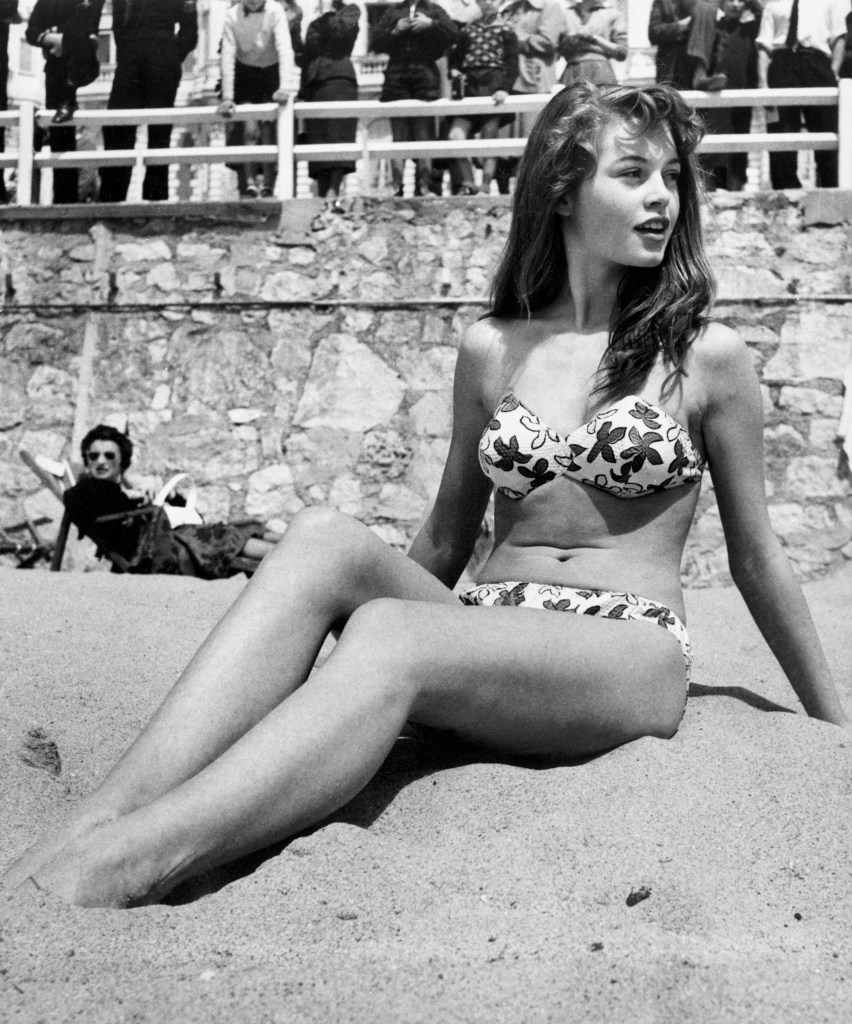
BENNY HILL


Alfred Hawthorn Hilldit Benny Hill est un acteur et chanteur comique britannique né le 21 janvier 1924 à Southampton et mort le 20 avril 1992 à Teddington.

En 2006, Benny Hill est élu 17e plus grande star de la télévision anglaise par le public britannique.

Il est notamment connu pour son émission télévisée de comédie intitulée The Benny Hill Show, diffusée en Grande-Bretagne de 1955 à 1989 et qui figurait parmi les programmes les plus regardés au Royaume-Uni, avec un pic d’audience de plus de 21 millions de personnes en 1971

Alfred Hawthorn Hill est le fils d’Alfred Hawthorne Hill (1893-1972) et d’Helen Florence Cave (1894-1976). Son grand-père Henry Hill et son père étaient clowns de cirque. Avec son frère, il fréquente le collège de Taunton à Southampton. Pendant la Seconde Guerre mondiale, Alfred, que l’on surnomme Alfie, est envoyé à l’École de Bournemouth. Pendant cette période, il fait partie de la troupe Stars in Battledress dont les membres font partie des forces armées britanniques et qui sont chargés de divertir les troupes de l’armée pour maintenir le moral des soldats durant le conflit. Après avoir terminé ses études, il trouve du travail comme laitier à Eastleigh, puis comme opérateur de pont, chauffeur et finit par mettre un pied dans l’industrie du spectacle en devenant assistant de metteur en scène.

Ayant le théâtre pour objectif, il choisit de changer son prénom en Benny, en hommage à son comédien préféré, Jack Benny. Il est auditionné pour le Windmill Theatre de Soho, connu pour Revudeville, un spectacle populaire mélangeant chanteurs, comédiens et filles nues, mais il n’est pas engagé. Il décroche son premier rôle dans Straight man de Reg Varney, à la place de Peter Sellers, alors inconnu.

Après avoir travaillé comme animateur de radio, il fait sa première apparition à la télévision en 1949 dans l’émission Hi There. Il continue à travailler par intermittence, jusqu’à ce que sa carrière décolle avec The Benny Hill Show qui est diffusée pour la première fois le 15 janvier 1955 sur la chaîne de télévision de la BBC. Il s’entoure de comédiens récurrents comme Patricia Hayes, Jeremy Hawk, Peter Vernon, Ronnie Brody ainsi que le coauteur de l’émission, du milieu des années 1950 jusqu’au début des années 1960, Dave Freeman. Benny Hill reste sur la BBC jusqu’à fin 1968, malgré quelques infidélités avec la chaîne de télévision indépendante ATV (en) de 1957 à 1960, puis à nouveau en 1967. De 1962 à 1963, il produit une sitcomBenny Hill, dans laquelle il joue un personnage différent à chaque épisode. Il anime également une émission de radio de courte durée, Benny Hill Time, diffusée sur les ondes de la BBC de 1964 à 1966. En 1964, il interprète Nick Bottom dans l’adaptation télévisuelle du Songe d’une nuit d’été de William Shakespeare.

Son émission est diffusée et produite d’abord par la BBC dès 1955, puis la diffusion s’alterne entre la BBC et ITV (où elle est produite par Thames Television ou ATV selon les saisons) pour les saisons suivantes. Elle durera trente quatre ans, s’arrêtant en 1989 après une émission spéciale6. On y retrouve à chaque épisode les courses poursuites en accéléré sur le thème de Yakety Sax, ponctuées par La Lettre à Élise de Beethoven ou la mélodie de la chanson Bruxelles de Jacques Brel, des batailles de tartes à la crème et d’autres formes d’humour potache. Les autres thèmes musicaux récurrents de la série sont le Benny Hill Waltz en accéléré de Paul Lewis ainsi que Mahna Mahna de Piero Umiliani et, moins connu, Gimme Dat Ding du groupe The Pipkins. La série fut taxée de sexisme dans les années 607.

Benny Hill est entouré de comédiens, musiciens et mannequins dont certains de manière récurrente , comme Jackie Wright (1905-1989) qui joue le rôle du petit vieux martyrisé par ses compagnons, Bob Todd (1921-1992) qui tient divers rôles secondaires dont celui du serveur ou du valet, Henry McGee (1929-2006) dans divers rôles secondaires, souvent à l’élégante moustache, comme ceux de Bobb Todd, Nicholas Parsons (1923-2020) que l’on voit dans divers rôles entre 1969 et 1974 et Sue Upton, une danseuse des Hill’s Angels et interprète de divers rôles entre 1977 et 1989.

En France, l’émission de la BBC est diffusée à partir du 8 septembre 1965 sur l’ORTF. Les émissions de Thames Television sont diffusées tous les dimanches à 20h du 14 septembre 1980 jusqu’au 10 septembre 2000 sur FR3 puis France 3. L’émission Spécial Benny Hill diffusée le 2 janvier 1992 nous montre la rencontre de Benny Hill et de l’acteur Roger Carel qui fut faite en 1991 et qui lui prête sa voix en français

La santé de Benny Hill commença à décliner à la fin des années 1980. Après une légère crise cardiaque le 24 février 1992, les médecins lui ont dit qu’il avait besoin de perdre du poids et ont recommandé un pontage coronarien. Il a refusé, et une semaine plus tard, on a découvert qu’il souffrait d’insuffisance rénale. Il décède à l’âge de 68 ans le 20 avril 1992. Le 22 avril 1992, après plusieurs jours d’appels téléphoniques sans réponse, il est retrouvé mort dans son fauteuil devant la télévision. La cause du décès est une thrombose coronarienne. Benny Hill est enterré au cimetière Hollybrook près de son lieu de naissance à Southampton, le 26 avril 1992.

Dans la nuit du 4 octobre 1992, à la suite de spéculations dans les médias selon lesquelles Benny Hill avait été enterré avec une grande quantité d’or et de bijoux, des pilleurs de tombes ont fouillé sa tombe et ont ouvert le cercueil. La tombe ouverte fut remarquée par un passant, le lendemain matin. Après un examen policier de la scène, le cercueil a été refermé et la tombe remblayée par les employés du cimetière, et par mesure de sécurité, une dalle de béton de 30 cm d’épaisseur a été placée dessus.

Benny Hill était un travailleur compulsif et comptait peu d’amis. Il ne s’est jamais marié, bien qu’il l’ait proposé à deux femmes mais il essuya un refus à chaque fois.

Il n’a jamais possédé de maison, ni même de voiture, il n’aimait pas dépenser son argent. Sa mère, Helen, vécut avec lui jusqu’à sa mort en 1976. Il déménagea ensuite à Teddington où il loua un petit appartement, dont la proximité avec les studios de Thames Television (ITV) où étaient enregistrées ses émissions lui permettait de s’y rendre à pieds. Les voyages étaient le seul luxe qu’il s’autorisait.

Il devint véritablement francophile. Il se rendait fréquemment à Marseille et, jusqu’aux années 1980, il put apprécier l’anonymat des terrasses de café français, des transports publics et sympathiser avec les habitants. En plus de maîtriser le français, Benny parlait aussi allemand, néerlandais et italien.

Benny Hill était un parent de la chanteuse et actrice australienne Holly Valance (le cousin de Benny étant le grand-père de Holly).

MERRY CHRISTMAS


CHRISTMAS 2021 PARIS LAFAYETTE


Une petite vidéo faite du côté de l’Opéra ( Lafayette Gourmet) ainsi qu’à l’intérieur des Galeries Lafayette ( Galerie Centrale)

A small video recorded near “the Opera de Paris ” (Lafayette Gourmet) as well as inside the Galeries Lafayette (Central Gallery)

FRIENDS


Rachel Green interprétée par Jennifer AnistonAmie de Monica au lycée, elle est issue d’une famille aisée, qu’elle abandonne dans le premier épisode après avoir quitté son fiancé devant l’autel. Elle a pour colocataires successifs Monica, Phoebe, Joey, Ross et Chandler. Elle entretient une relation compliquée avec Ross, qui est brièvement son époux et dont elle a une fille, Emma. Après avoir longtemps été serveuse au café Central Perk, elle se lance dans le monde de la mode et travaille chez Bloomingdale’s, puis chez Ralph Lauren. Lors de la dernière saison on lui offre un travail à Louis Vuitton mais pour cela elle doit déménager à Paris. Elle finit par refuser pour être avec Ross.

Monica Geller interprétée par Courteney Cox, sœur de Ross et anciennement obèse, toujours maniaque de l’ordre et de la propreté, elle devient chef cuisinier dans différents restaurants, dont l’Alessandro. Après avoir partagé son appartement avec Phoebe, elle devient la colocataire de Rachel. Monica a une relation avec Richard Burke, un ami de longue date de sa famille, de vingt-et-un ans son aîné. Ils ont une forte et longue relation jusqu’à ce que Richard avoue qu’il ne souhaite plus avoir d’enfants, au grand dam de Monica. Elle épouse Chandler, avec qui elle adopte des jumeaux : Jack et Erica, Jack est le prénom du père de Monica et Erica est le prénom de leur mère biologique. Elle emménage en périphérie de New York avec son mari et ses enfants dans l’ultime épisode.

Phoebe Buffay interprétée par Lisa KudrowAncienne colocataire de Monica, elle est brièvement la colocataire de Rachel avant que son appartement ne brûle. Son passé semble agité : elle a vécu dans la rue après le suicide de sa mère et son père s’est enfui. Elle a une sœur jumelle, Ursula, avec qui elle ne s’entend pas et un demi frère, Frank junior. D’un naturel cependant joyeux et anticonformiste, elle est masseuse et chanteuse amatrice au Central Perk. Elle est connue pour sa chanson Smelly Cat. Elle est la mère porteuse des triplés de son frère et d’Alice nommé Frank Jr Jr, Leslie et Chandler. Phoebe a trois relations sérieuses : David, un scientifique, avec qui elle rompt quand il déménage à Minsk pour y faire des recherches ; Gary, un policier dont elle a trouvé l’insigne ; et Mike Hannigan, un pianiste avec qui elle se marie dans la dernière saison.

Joey Tribbiani interprété par Matt LeBlancColocataire de Chandler, son meilleur ami, puis de Rachel, avec laquelle il a une brève liaison. Issu d’une famille italo-américaine nombreuse, il exerce le métier d’acteur sans faire preuve d’un grand talent. Le sommet de sa carrière est le rôle du Dr. Drake Ramoray dans le soap opera Les Jours de notre vie (Days of our lives). Bien qu’il ne soit pas très intelligent, il accumule les conquêtes féminines, auxquelles il ne s’attache d’ailleurs que très rarement. Il a tout de même, brièvement, le béguin pour Rachel.

Chandler Bing interprété par Matthew PerryColocataire de Joey dans les premières saisons, c’est un ami de longue date de Ross, dont il épouse la sœur, Monica. Même après son mariage, il est souvent l’objet de malentendus concernant ses orientations sexuelles, en raison de son attitude jugée peu virile. Il exerce un métier ennuyeux, à l’intitulé imprécis (on sait tout juste qu’il travaille dans la « reconfiguration de données » et la « facturation statistique »), avant de se réorienter dans la publicité. Son père est une femme trans meneuse de revue à Las Vegas et sa mère écrit des best-sellers érotiques. Depuis le divorce de ses parents, il utilise l’humour sarcastique comme arme de défense. Il assiste à la séparation de ses parents jeune. Il semble appartenir à une famille aisée et fréquente un lycée privé pour garçons. Il a pendant longtemps un problème avec le mariage et le fait d’avoir des enfants, mais finit par en avoir envie lors de sa relation avec Monica. Ils adoptent deux enfants : Jack Bing, nommé d’après son grand père maternel et Erica Bing, nommée d’après la mère biologique des jumeaux.

Ross Geller interprété par David SchwimmerFrère de Monica et ami de Chandler depuis l’université. Il est paléontologue, métier qui le passionne mais qui ennuie profondément ses amis. Il est marié et divorcé trois fois : avec Carol, une lesbienne avec qui il a un fils, Ben ; puis avec Emily, une anglaise avec qui il entretient une relation de quelques mois qui débouche sur un mariage lors duquel il prononce le mauvais prénom à l’autel ; enfin avec Rachel, épousée lors d’une cuite à Las Vegas. Après leur divorce, Ross et Rachel ont ensemble une fille, Emma, avant de se remettre ensemble à la fin de la série.

Autres personnages récurrents

D’autres personnages apparaissent fréquemment. Parmi ceux apparaissant le plus souvent11, citons :

GuntherTravaillant au Central Perk (comme gérant), c’est le personnage le plus fréquemment présent de la série en dehors des six acteurs principaux. Amoureux de Rachel, il se montre aigre avec ses prétendants, en particulier Ross, qu’il ne supporte pas.

Amy GreenComme sœur la plus jeune de Rachel Green, elle apparaît dans deux épisodes de Friends. Au cours de ses apparitions, Amy est représentée comme étant une personne désagréable, abrasive, amorale et totalement antipathique.Jack et Judy GellerLes parents de Monica et Ross. Ils adulent Ross et sont souvent odieux avec Monica au point d’oublier parfois son existence. Tandis que Judy rabaisse tout le temps sa fille, Jack le fait beaucoup plus involontairement et cherche maladroitement à se rattraper lorsqu’il s’en aperçoit : en lui offrant sa Porsche par exemple.

Janice Littman Guralnick Ancienne petite amie de Chandler, elle apparaît à chaque saison. Sa voix et surtout son rire sont horripilants. Sa phrase Oh my god ! (Oh mon dieu ! en français) est répétée à maintes reprises lorsqu’elle est étonnée. Joey ne la supporte pas, et elle aura une brève relation avec Ross. Au cours de la série, elle aura trois maris (dont un sourd), et aura deux enfants, un avec son premier mari et un avec le dernier. Avant que Chandler se soit marié avec Monica, ils se remettront fréquemment ensemble, souvent contre la volonté de celui-ci.Julie

Petite amie de Ross durant la fin de la saison 1 et la saison 2. Ross fait sa rencontre lors d’un voyage en Chine et Rachel supporte mal l’arrivée de cette rivale.Estelle LeonardAgent de Joey, elle entretient un look extravagant (maquillage à outrance, vêtements léopards, cigarettes à la chaîne) malgré son âge sans doute bien avancé. C’est grâce à elle que Joey a eu son rôle du célèbre docteur Drake Ramoray dans la série Days of our lives (Les Jours de notre vie en français). Dépendante à la cigarette, elle meurt d’une embolie pulmonaire dans la saison 10.

Elle a décidé de divorcer quand elle a découvert qu’elle était lesbienne et vit désormais en couple avec une femme, Susan Bunch. Dans la première saison, Carol accouche de Ben, le fils de Ross, conçu avant leur divorce, qu’elle élèvera avec Susan. Ross est en bons rapports avec Carol, mais il ne supporte pas Susan.Emma Geller GreenLa fille de Rachel et Ross, née à la fin de la huitième saison. On peut notamment retenir d’elle qu’elle a prononcé son premier mot au téléphone à Rachel et que ce mot est « gleba ». Lorsque Rachel lit la définition de ce mot, Ross devient très content à l’idée de voir en sa petite fille une future scientifique et ce, en laissant Rachel perplexe.

Ben Geller Le fils de Ross et Carole, né à la fin de la 1re saison. Ben est très gaffeur et imaginatif. Lorsque Rachel le garde, elle apprend à Ben des tas de bêtises ce qui laisse Ross perplexe. Le prénom a été trouvé grâce à Phoebe, qui a porté l’uniforme d’un certain Ben alors qu’elle était coincée avec Susan et Ross pendant que Carole accouchait.

Ursula Buffay Sœur jumelle de Phoebe. Serveuse dans un café, elle est, durant une courte période, star de films X sous le nom de sa sœur jumelle. Malgré leur lien de parenté, les deux sœurs sont très distantes l’une de l’autre et ne se ressemblent que physiquement. Ursula apparaît en effet comme un personnage peu sympathique, malhonnête et menteur. Elle sortira momentanément avec Joey.

Paul Rudd, l’acteur interprétant le rôle de Mike Hannigan.Frank Buffay, Jr.Demi-frère de Phoebe et Ursula.

Quand Phoebe le rencontre il est célibataire et a pour passion de brûler des objets, puis il épousera son professeur, Alice, qui a 30 ans de plus que lui et avec qui il élèvera trois enfants : Leslie, Frank Junior Junior et Chandler (le dernier étant une fille, contrairement à ce que son prénom pourrait laisser penser). Alice et Frank ne pouvant avoir d’enfants, c’est Phoebe qui sera la mère porteuse des triplés.

Mike Hannigan Ancien avocat devenu pianiste, Mike apparaît pour la première fois dans la saison 9, en tant que petit ami de Phoebe. C’est par l’intermédiaire de Joey qu’ils se sont rencontrés, par hasard. Échaudé par un divorce, Mike refuse dans un premier temps de se marier avec Phoebe, mais après une brève rupture, change d’avis. Ils se marient dans la saison 10 et annoncent vouloir un enfant.

Richard BurkePetit ami de Monica lors de la saison 2, c’est un vieil ami de son père Jack Geller. Dans la saison 3 elle décide de rompre avec lui car il ne veut pas avoir d’enfants. Mais il se rend compte, trop tard, qu’il est toujours amoureux d’elle. Il a une fille, Michèle, et un fils, Timothy, avec qui Monica va sortir, mais leur liaison ne dure pas, car « il embrasse comme son père ».

Emily WalthamSeconde femme de Ross. Ce dernier ayant prononcé le nom de Rachel à la place du sien lors de leur mariage, ils se séparèrent pour de bon quelques épisodes plus tard. En effet, Emily annonce à Ross qu’elle est prête à faire fonctionner leur mariage à condition qu’il ne voie plus Rachel, ce qu’il refuse.DavidEx petit-ami de Phoebe rencontré dans la saison 1, il apparaît plusieurs fois au fil des saisons. En raison d’un de ses projets scientifiques impliquant son départ pour Minsk, Phoebe et lui durent se séparer. Dans la saison 9, il retourne à New-York pour de bon et se remet avec Phoebe, alors séparée de Mike. Il demande en mariage Phoebe mais est interrompu par Mike, qui annonce à cette dernière qu’il veut se marier avec elle.

Eddie Minowick Interprété par Adam Goldberg apparaissant au cours de la saison 2, épisodes 17, 18 et 19 , il a « remplacé » Joey quand ce dernier partit pour un autre appartement, rapidement on remarque qu’Eddie est bizarre, ce qui poussa Chandler à le faire partir.

Charlie WheelerProfesseur de paléontologie, elle apparaît dans les saisons 9 et 10. Ayant d’abord eu une relation avec Joey, ils décident de rompre pendant leur séjour à la Barbade. Elle se mettra ensuite à avoir une relation avec Ross pendant quelques épisodes avant de retourner avec son ancien petit ami dans l’épisode 6 de la saison 10, « Celui qui a failli avoir la subvention ».

FRIENDS.