Independent music radio dedicated to instrumental and country sounds from around the world. Here, style matters more than language, and music travels across cultures
Il fut une époque où les gens achetaient des albums…
Avant le CD, c’était les disques Vinyls dits “Long Play / LP ” ou 33 tous
Donc arriva l’époque où Polygram (Contraction de Phonogram et Polydor )( 2 marques d’éditions musicales de la maison mère PHILIPS) lança le CD ( vers 1980 )
Polygram étant le mariage des allemands ( Polydor ) et Phonogram (Pays bas)
Les japonais n’étaient pas en reste…A partir de leur île, ils ont lancé auss des tests via SONY MUSIC ( EX CBS Music ) rachetée aux USA
Donc acheter des albums en CD étaient “encore à la mode” même si d’aucuns préféraient le LP : Le plaisir d’avoir une couverture / pochette d’album ( belle photo ); les photographes et artistes pouvaient exprimer leurs désirs via de grandes belles images.. Chose que le CD a relegué au 2e plan… La couverture étant “trop petite pour être appréciée artistiquement”
This slideshow requires JavaScript.
Par la suite, ce fut progressivement, l’explosion du dématérialisé : Le MP3
Nous passâmes de l’achat de l’album entier… Souvent pour 12 titres, seuls 4 ou 5 maxi nous interessaient…Les autres, c’était Kif kif… Juste parce qu’on aimait l’artiste qu’on achetait l’album
Donc, nous disions : Passage de l’album entier vers l’achat du/ des titres que nous voulions… Super… On disait.. c vrai… quelle économie d’argent !!
Ce qui était vrai. Oui.
Le petit bémol, que nous pouvons soulever…Nous, producteurs de radios, les professionnels de la musique, du moins, dans le domaine de la diffusion: Concernant cette méthode : Vis à vis des amateurs, des acheteurs de musique, des auditeurs lambda… Cette méthode a fait en sorte que les gens aient perdu une certaine culture musicale quant à l’artiste…. Ils connaissaient super bien le titre acheté et que “la radio ” leur a fait découvrir….Mais rien…aucune connaissance des autres titres du même chanteur… Rien.. Nada…Que dalle…
Du coup… Bien que le rôle des radios fut primordial, les années 50 60 70 80 et 90…. Ce rôle fut encore plus vital…Le citoyen auditeur ne pouvait découvrir les titres QUE si la radio passe CE titre…
A moins d’acheter tout l’album de l’artiste..Mais..Vous nous direz “Pourquoi acheter l’album entier? Si nous sommes interessés par 1 ou 2 titres”.. VRAI
Notre réponse: Comment sauriez-vous, si ces autres titres…Vous les aimerez? ou non? Si la / les radios ne vous permettent pas l’écoute et l’habitude…
Il faut préciser ici : Qu’écouter un extrait de titre est possible évidemment sur les plateformes de ventes.. Mais par expérience, lorsque l’acheteur de musique “passe à l’action” c’est après avoir écouté ce titre …4… 5 ou 10 fois …Le temps de bien assimiler ce nouveau titre découvert…Le temps aussi qu’il entende son entourage, les médias…en parler.. Donc c’est un tout…
Rares sont les achats qui se font suite à une seule écoute d’extrait ou sur coup de tête.
Du coup… L’explosion du numérique a engendré aussi l’explosion des RADIOS NUMERIQUES dont nous en faisons partie au sein de RADIO SATELLITE2
Notre différence? Nos atouts? C’est tout BENEF pour vous, chers lecteurs / auditeurs de musique
1) Nous n’avons pas de limite Géographique: Contrairement aux ancêtres de la radio FM : Nous diffusons de la musique sur toute la planète… Sans aucune limite…Là où internet existe..Nous existons. D’ailleurs, même les radios FM ont crée par la suite, leurs webradios aussi.
Donc pas d’antennes… Pas de contraintes musicales…
Résultat ? Nos musiques ( du moins au sein de RADIO SATELLITE2 ) : chansons francophones ( Belges, acadiennes,Suisses…) Américaines, Russes, turques…
Toutes les BELLES musiques sont diffusables pour nous. Peu importe la langue: Une belle orchestration, un super arrangement musical, une belle musique mélodieuse? On achète.. On diffuse.
2) Autre avantage? Notre INDEPENDANCE: Nous ne sommes PAS des radios commerciales. Donc pas d’actionnaires, pas de compte à rendre à des actionnaires, pas de publicités, pas de jeux SMS où la question est souvent simpliste…Donc réponse aussi facile…Le but étant juste de faire payer l’auditeur X euros via des SMS
Donc pas de tout ceci chez les webradios en général.
La radio étant une passion. Etant professionnels du monde de la radio certes, cependant, nos activités professionnelles ( pour vivre ) sont ailleurs.
La radio que nous vous proposons sert à offrir aux auditeurs un choix riche, haut en couleurs, sans frontières géographiques et sans langue unique ( Nos animations sont faites en Anglais et en Français )
Reste LA question que de nombreuses personnes pose : Comment vous écouter? 🙂
En cliquant sur le logo bleu , en haut , à droite…Vous êtes redirigés sur une autre site . Là, cliquez sur le lecteur et voilà la musique. RIEN A INSTALLER
Si vous êtes comme nous? Mobiles… Ne voulant pas être face à un ordi ( souvent en voiture…à pied… A la montagne.. Dans votre salle de gym/sport…Au lit, faisant une sieste ou juste allongé… En train de faire du rangement..)
Nous vous conseillons vivement d’installer sur votre téléphone (APPLE donc IPHONE ou IPAD ) ANDROID ( Samsung et bien d’autres marques) … BLACKBERRY si c’est la marque de votre smartphone/ mobile..
Installez GRATUITEMENT l’application à partir des APPLE STORE / GOOGLE STORE ou GOOGLE PLAY )
Comme vous avez déjà , sans doute, installé d’autres applications sur votre téléphone… Soit par la méthode de “recherche” ( search) donc saisir
RADIO SATELLITE2 ( le 2 collé )
Soit en cliquant sur ces liens ( via votre mobile…Par votre ordi, cela ne servira qu’à ouvrir le site mais en cliquant dessus via votre connection mobile, vous pourrez installer l’appli selon votre marque utilisée)
N’hésitez pas surtout que grâce à Radio Satellite2, vous pourrez découvrir des horizons que les radios traditionnelles ne vous permettent pas.
En espérant vous retrouver parmi nos fidèles auditeurs (déjà plus de 300 000 fidèles auditeurs de par le monde, sans compter ceux qui nous écoutent de temps en temps… )
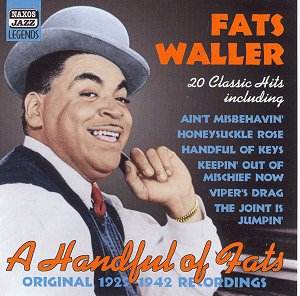
Thomas Wright “Fats” Waller (May 21, 1904 – December 15, 1943) was an American jazz pianist, organist, composer, singer, and comedic entertainer, whose innovations to the Harlem stride style laid the groundwork for modern jazz piano, and whose best-known compositions, “Ain’t Misbehavin'” and “Honeysuckle Rose”, were inducted into the Grammy Hall of Fame in 1984 and 1999.
Waller’s son Maurice wrote in his 1977 biography of his father that Waller had once complained on hearing the song, and came from upstairs to admonish him never to play it in his hearing because he had had to sell it when he needed money.
Maurice Waller’s biography similarly notes his father’s objections to hearing “On the Sunny Side of the Street” playing on the radio.
Waller recorded “I Can’t Give You…” in 1938, playing the tune but making fun of the lyrics; the recording was with Adelaide Hall who had introduced the song to the world at Les Ambassadeurs Club in New York in 1928.
The anonymous sleeve notes on the 1960 RCA Victor album Handful of Keys state that Waller copyrighted over 400 songs, many of which co-written with his closest collaborator Andy Razaf.
Razaf described his partner as “the soul of melody… a man who made the piano sing… both big in body and in mind… known for his generosity… a bubbling bundle of joy”.
Gene Sedric, a clarinetist who played with Waller on some of his 1930s recordings, is quoted in these same sleeve notes recalling Waller’s recording technique with considerable admiration: “Fats was the most relaxed man I ever saw in a studio, and so he made everybody else relaxed.
After a balance had been taken, we’d just need one take to make a side, unless it was a kind of difficult number.”
Waller played with many performers, from Nathaniel Shilkret and Gene Austin, to Erskine Tate, Fletcher Henderson, McKinney’s Cotton Pickers and Adelaide Hall, but his greatest success came with his own five- or six-piece combo, “Fats Waller and his Rhythm”.
His playing once put him at risk of injury. Waller was kidnapped in Chicago leaving a performance in 1926. Four men bundled him into a car and took him to the Hawthorne Inn, owned by Al Capone.
Waller was ordered inside the building, and found a party in full swing. Gun to his back, he was pushed towards a piano, and told to play. A terrified Waller realized he was the “surprise guest” at Capone’s birthday party, and took comfort that the gangsters did not intend to kill him.
It is rumored that Waller stayed at the Hawthorne Inn for three days and left very drunk, extremely tired, and had earned thousands of dollars in cash from Capone and other party-goers as tips.
In 1926, Waller began his recording association with the Victor Talking Machine Company/RCA Victor, his principal record company for the rest of his life, with the organ solos “St. Louis Blues” and his own composition, “Lenox Avenue Blues”.
Although he recorded with various groups, including Morris’s Hot Babes (1927), Fats Waller’s Buddies (1929) (one of the earliest multiracial groups to record), and McKinney’s Cotton Pickers (1929), his most important contribution to the Harlem stride piano tradition was a series of solo recordings of his own compositions: “Handful of Keys”, “Smashing Thirds”, “Numb Fumblin'”, and “Valentine Stomp” (1929).
After sessions with Ted Lewis (1931), Jack Teagarden (1931) and Billy Banks’ Rhythmakers (1932), he began in May 1934 the voluminous series of recordings with a small band known as Fats Waller and his Rhythm.
This six-piece group usually included Herman Autrey (sometimes replaced by Bill Coleman or John “Bugs” Hamilton), Gene Sedric or Rudy Powell, and Al Casey.
Waller wrote “Squeeze Me” (1919), “Keepin’ Out of Mischief Now”, “Ain’t Misbehavin'” (1929), “Blue Turning Grey Over You”, “I’ve Got a Feeling I’m Falling” (1929), “Honeysuckle Rose” (1929) and “Jitterbug Waltz” (1942). He composed stride piano display pieces such as “Handful of Keys”, “Valentine Stomp” and “Viper’s Drag”.
He enjoyed success touring the United Kingdom and Ireland in the 1930s. He appeared in one of the first BBC television broadcasts.
This slideshow requires JavaScript.
While in Britain, Waller also recorded a number of songs for EMI on their Compton Theatre organ located in their Abbey Road Studios in St John’s Wood. He appeared in several feature films and short subject films, most notably Stormy Weather in 1943, which was released July 21, just months before his death.
For the hit Broadway show Hot Chocolates, he and Razaf wrote “(What Did I Do to Be So) Black and Blue” (1929), which became a hit for Ethel Waters and Louis Armstrong.
Waller performed Bach organ pieces for small groups on occasion. Waller influenced many pre-bebop jazz pianists; Count Basie and Erroll Garner have both reanimated his hit songs. In addition to his playing, Waller was known for his many quips during his performances.
Between 1926 and the end of 1927, Waller recorded a series of pipe organ solo records. These represent the first time syncopated jazz compositions were performed on a full-sized church organ.
Waller contracted pneumonia and died on a cross-country train trip near Kansas City, Missouri, on December 15, 1943. His final recording session was with an interracial group in Detroit, Michigan, that included white trumpeter Don Hirleman.
Waller was returning to New York City from Los Angeles, after the smash success of Stormy Weather, and after a successful engagement at the Zanzibar Room, during which he had fallen ill.
More than 4,000 people attended his funeral in Harlem, which prompted Dr. Adam Clayton Powell, Jr., who delivered the eulogy, to say that Fats Waller “always played to a packed house.”
Afterwards he was cremated and his ashes were scattered, from an airplane piloted by an unidentified World War black aviator, over Harlem.
One of his surviving relatives is former Georgia Tech Yellow Jacket and current Baltimore Ravens wideout Darren Waller, who is Fats’ paternal great-grandson.
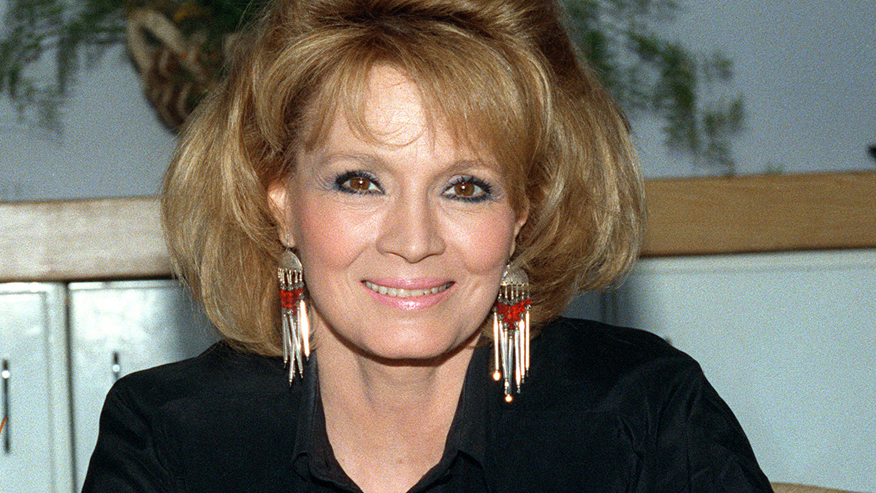
Angie Dickinson (born September 30, 1931) is an American actress. She began her career on television, appearing in many anthology series during 1950s, before landing her breakthrough role in the 1959 western film Rio Bravo, for which she received Golden Globe Award for New Star of the Year.
Dickinson has appeared in more than 50 films, including Ocean’s 11 (1960), The Sins of Rachel Cade (1961), Jessica (1962), Captain Newman, M.D. (1963), The Killers (1964), The Art of Love (1965), The Chase (1966) and the neo-noir classic Point Blank (1967). From 1974 to 1978, Dickinson starred as Sergeant Leann “Pepper” Anderson in the NBC crime series Police Woman, for which she received Golden Globe Award for Best Actress – Television Series Drama and three Primetime Emmy Award for Outstanding Lead Actress in a Drama Series nominations.
During her later career, Dickinson starred in a number of television movies and miniseries, also playing supporting roles in films such as Sabrina (1995), Pay It Forward (2000) and Big Bad Love (2001). As lead actress, she starred in the 1980 erotic crime thriller Dressed to Kill, for which she received a Saturn Award for Best Actress.
Dickinson, the second of four daughters, was born Angeline Brown (called “Angie” by family and friends) in Kulm, North Dakota, the daughter of Fredericka (née Hehr) and Leo Henry Brown.
Her family is of German descent and she was raised Roman Catholic.
Her father was a small-town newspaper publisher and editor, working on the Kulm Messenger and the Edgeley Mail.
In 1942, her family moved to Burbank, California, where she attended Bellarmine-Jefferson High School, graduating in 1947 at 15 years of age. The previous year, she had won the Sixth Annual Bill of Rights essay contest.
She studied at Glendale Community College and in 1954 graduated from Immaculate Heart College with a degree in business. Taking a cue from her publisher father, she had intended to be a writer. While a student from 1950–52, she worked as a secretary at Lockheed Air Terminal in Burbank (now Bob Hope Airport) and in a parts factory. She became Angie Dickinson in 1952, when she married football player Gene Dickinson.
Dickinson entered a beauty pageant in 1953 and placed second. The exposure brought her to the attention of a television industry producer, who asked her to consider a career in acting. She studied the craft and a few years later was approached by NBC to guest-star on a number of variety shows, including The Colgate Comedy Hour. She soon met Frank Sinatra, who became a lifelong friend. She later was cast as Sinatra’s wife in the film Ocean’s 11.
On New Year’s Eve 1954, Dickinson made her television acting debut in an episode of Death Valley Days. This led to other roles in such productions as Matinee Theatre (eight episodes), Buffalo Bill Jr., City Detective, It’s a Great Life (two episodes), Gray Ghost, General Electric Theater, Broken Arrow, The People’s Choice (twice), Meet McGraw (twice), Northwest Passage, Gunsmoke, The Virginian, Tombstone Territory, Cheyenne, and The Restless Gun.
In 1956, Dickinson was cast as Ann Drew, who slips a gun to her jailed husband, Harry (John Craven), a former associate of the Jesse James gang, in the ABC/Desilu western series, The Life and Legend of Wyatt Earp, starring Hugh O’Brian. In the story line, Harry vowed never to go to prison and was shot to death while escaping.
In 1957, she was cast as Amy Bender in Richard Boone’s series “Have Gun-Will Travel” in the episode “A Matter of Ethics.” She played the sister of a man who was killed and who wanted the murderer lynched.
In 1958, she was cast as Laura Meadows in the episode “The Deserters” of an ABC/Warner Brothers western series, Colt .45, with Wayde Preston.
That year she also played the role of defendant Mrs. Fargo in the Perry Mason episode “The Case of the One-Eyed Witness.”
Dickinson went on to create memorable characters in Mike Hammer, Wagon Train, and Men into Space. In 1965, she had a recurring role as Carol Tredman on NBC’s Dr. Kildare. She had a memorable turn as the duplicitous murder conspirator in a 1964 episode of The Fugitive series with David Janssen and fellow guest star Robert Duvall. She was at her evil best as an unfaithful wife and bank robber in the 1958 “Wild Blue Yonder” episode of Rod Cameron’s syndicated television series State Trooper.
She starred in two Alfred Hitchcock Hour episodes, “Captive Audience” with James Mason on Oct. 18, 1962, and “Thanatos Palace Hotel” on Feb. 1, 1965.
Dickinson’s motion picture career began with a small, uncredited role in Lucky Me (1954) starring Doris Day, followed by The Return of Jack Slade (1955), Man with the Gun (1955), and Hidden Guns (1956). She had her first starring role in Gun the Man Down (1956) with James Arness, followed by the Sam Fuller cult film China Gate (1957), which depicted an early view of the Vietnam War.
Rejecting the Marilyn Monroe/Jayne Mansfield style of platinum blonde sex-symbolism because she felt it would narrow her acting options, Dickinson initially allowed studios to lighten her naturally brunette hair to only honey-blonde.
She appeared early in her career mainly in B-movies or westerns, including Shoot-Out at Medicine Bend (1957), in which she co-starred with James Garner. In the 1958 crime drama Cry Terror!, Dickinson had a supporting role opposite James Mason and Rod Steiger as a femme fatale.
In 1959, Dickinson’s big-screen breakthrough role came in Howard Hawks’ Rio Bravo, in which she played a flirtatious gambler called “Feathers” who becomes attracted to the town sheriff played by Dickinson’s childhood idol John Wayne. The film co-starred Dean Martin, Ricky Nelson, and Walter Brennan. When Hawks sold his personal contract with her to a major studio without her knowledge, she was unhappy. Dickinson nonetheless became one of the more prominent leading ladies of the next decade, beginning with The Bramble Bush with Richard Burton. She also took a supporting role in Ocean’s 11 with friends Sinatra and Martin, released in 1960.
These were followed by a political potboiler, A Fever in the Blood (1961); a Belgian Congo-based melodrama, The Sins of Rachel Cade (1961), in which she played a missionary nurse tempted by lust; a scheming woman in Rome Adventure (1962), filmed in Italy, and the title role in Jean Negulesco’s Jessica (1962) with Maurice Chevalier, in which she played a young midwife resented by the married women of the town, set in Sicily.
Angie would also share the screen with friend Gregory Peck as a military nurse in the dark comedy Captain Newman, M.D. (1963).
For The Killers (1964), originally intended to be the very first made-for-television movie but released to theatres due to its violent content, Dickinson played a femme fatale opposite future U.S. President Ronald Reagan in his last movie role.
Directed by Don Siegel, it was a remake of the 1946 version based on a story by Ernest Hemingway and the only film Reagan made in which he was cast as a villain. He viciously slaps Dickinson in one of the film’s scenes.[8]
Dickinson co-starred in the comedy The Art of Love (1965), playing the love interest of both James Garner and Dick Van Dyke. She joined a star-studded Arthur Penn/Sam Spiegel production, The Chase (1966), along with Marlon Brando, Jane Fonda, Robert Redford, and Robert Duvall. That same year she was featured in Cast a Giant Shadow, a war story with Kirk Douglas.
Dickinson’s best movie of this era was arguably John Boorman’s cult classic Point Blank (1967), a lurid crime drama with Lee Marvin as a criminal betrayed by his wife and best friend and out for revenge. The film epitomized the stark urban mood of the period, and its reputation has grown through the years.
Westerns would continue to be a part of her work in the late ’60s, when she starred in The Last Challenge opposite Glenn Ford, in Young Billy Young with Robert Mitchum, and in Sam Whiskey, where she gave rising star Burt Reynolds his first on-screen kiss.
In 1971, she played a lascivious substitute high school teacher in the dark comedy Pretty Maids All in a Row for director Roger Vadim and writer-producer Gene Roddenberry, in which her character seduces a sexually inexperienced student, portrayed by John David Carson, against the backdrop of a series of murders of female students at the same high school; it was a box-office failure. In 1972’s The Outside Man, a French movie shot in L.A., with Jean-Louis Trintignant, directed by Jacques Deray, she plays the wife of a mobster. In 1973, she co-starred with Roy Thinnes in the supernatural thriller The Norliss Tapes, a TV movie produced and directed by Dan Curtis.
One of Dickinson’s best known and most sexually provocative movie roles followed, that of the tawdry widow Wilma McClatchie from the Great Depression romp Big Bad Mama (1974) with William Shatner and Tom Skerritt. Although well into her forties at the time, she appeared nude in several scenes, which created interest in the movie and a new generation of male fans for Dickinson.
A 1966 Esquire magazine cover gained Dickinson additional fame and notoriety, her having posed in nothing but a sweater and a pair of panty hose. The photo became so iconic that, while celebrating the magazine’s 70th anniversary in 2003, the Dickinson pose was recreated for the cover by Britney Spears.
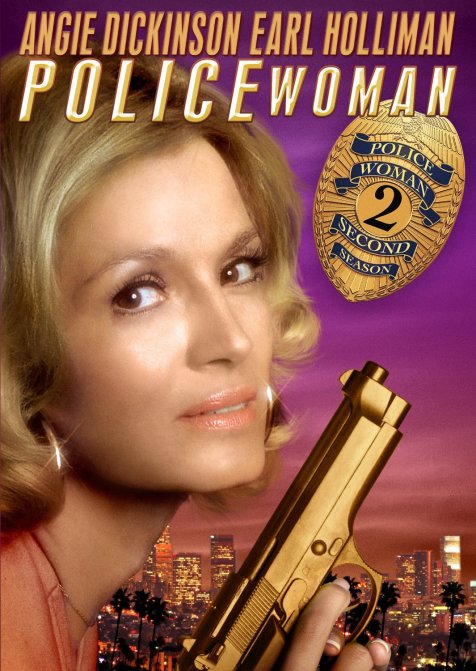
Police Woman
Dickinson as Pepper Anderson, 1975 in Police Woman
Dickinson returned to the small screen in March 1974 for an episode of the critically acclaimed hit anthology series Police Story. That one guest appearance proved to be so popular that NBC offered Dickinson her own television show, which became a ground-breaking weekly series called Police Woman; it was the first successful dramatic TV series to feature a woman in the title role. At first, Dickinson was reluctant, but when producers told her she could become a household name, she accepted the role. They were right.
In the series, she played Sgt. Leann “Pepper” Anderson, an officer of the Los Angeles Police Department’s Criminal Conspiracy Unit who often works undercover.
The show became a hit, reaching number one in many countries in which it aired during its first year. It ran for four seasons and Dickinson would win a Golden Globe award, and receive Emmy nominations for three consecutive years.
Angie Dickinson
Co-starring on the show was Earl Holliman as Sergeant Bill Crowley, Anderson’s commanding officer, along with Charles Dierkop as investigator Pete Royster and Ed Bernard as investigator Joe Styles.
The series ran from 1974 to 1978. The same year the show ended, Dickinson reprised her Pepper Anderson character on the television special Ringo, co-starring with Ringo Starr and John Ritter. She also parodied the part in the 1975 and 1979 Bob Hope Christmas specials for NBC. She would do the same years later on the 1987 Christmas episode of NBC’s Saturday Night Live.
Police Woman caused a surge of applications for employment from women to police departments around the United States; journalists who have in recent years examined the inspiration for long-term female law enforcement officials to adopt this vocation as their own have been surprised by how often Dickinson’s Police Woman has been referenced.
Dickinson and Police Woman proved that a female lead could carry an hour-long television series, paving the way for several female-starring, hour-long TV series during the 1970s and 1980s, such as Charlie’s Angels, Wonder Woman, The Bionic Woman and Cagney and Lacey. In 1987, the Los Angeles Police Department awarded Dickinson an honorary doctorate, which led her to quip, “Now you can call me Doctor Pepper.”
On occasion during the 1970s, Dickinson took part in the popular Dean Martin Celebrity Roast on television, and herself was the guest of honor on August 2, 1977, roasted by a dais of celebrities that included James Stewart, Orson Welles and her Police Woman series co-star Earl Holliman.
The 1980s
Having done a television series plus the mini-series Pearl (1978) about the Pearl Harbor bombing of 1941, Dickinson’s career in feature films appeared to be in decline. But she returned to the big screen in Brian De Palma’s erotic thriller Dressed to Kill (1980), for which she gained considerable notice, particularly for a long, silent scene in a museum before the character meets her fate. The role of Kate Miller, a sexually frustrated New York housewife, earned her a 1981 Saturn Award for Best Actress. “The performers are excellent,” wrote Vincent Canby in his July 25, 1980 New York Times review, “especially Miss Dickinson.”
She took a less substantial role in 1981’s Death Hunt, reuniting her with Lee Marvin, and also appeared in Charlie Chan and the Curse of the Dragon Queen. Earlier that year, she had been the first choice to play the character Krystle Carrington on the television series Dynasty but, deciding she wanted to spend more time with her daughter, she turned it down; the role instead went to Linda Evans. In the mid-1980s Dickinson declined the role of Sable Colby on the Dynasty spin-off, The Colbys.
After nixing her own Johnny Carson-produced prospective sitcom, The Angie Dickinson Show, in 1980 after only two episodes had been shot because she did not feel she was funny enough, the private-eye series Cassie & Co. became her unsuccessful attempt at a television comeback. She then starred in several TV movies, such as One Shoe Makes It Murder (1982), Jealousy (1984), A Touch of Scandal (1984), and Stillwatch (1987). She had a pivotal role in the highly rated mini-series Hollywood Wives (1985), based on a novel by Jackie Collins.
In 1982, and again in 1986, Dickinson appeared in two of Perry Como’s Christmas specials for the ABC television network, in both of which she did something she was not known to have done before: singing. The specials in which she appeared, and in which she sang songs, were Perry Como’s Christmas In Paris, produced on location in Paris, France, which was transmitted on Saturday, December 18, 1982, and The Perry Como Christmas Special, produced on location in San Antonio, Texas, and transmitted on Saturday, December 6, 1986. As of early January of 2013, these two specials were not known to be available on home video.[citation needed] Dickinson later denied having sung on camera since then in an interview with Larry King conducted at the approximate time of her appearance in Duets.
In motion pictures, Dickinson reprised her role as Wilma McClatchie for Big Bad Mama II (1987) and completed the television movie Kojak: Fatal Flaw, in which she was reunited with Telly Savalas. She co-starred with Willie Nelson and numerous buddies in the 1988 television western Once Upon a Texas Train.
She was presented one of the Golden Boot Awards in 1989 for her contributions to western cinema.
1990s and 2000s
In the 1993 ABC miniseries Wild Palms, produced by Oliver Stone, she was the sadistic, militant sister of Senator Tony Kruetzer, played by Robert Loggia. That same year, she starred as a ruthless Montana spa owner in Gus Van Sant’s Even Cowgirls Get the Blues with Uma Thurman.
In 1995, Sydney Pollack cast her as the prospective mother-in-law of Greg Kinnear in the romantic comedy Sabrina starring Harrison Ford, a remake of the Billy Wilder classic. She played Burt Reynolds’ wife in the thriller The Maddening and the mother of Rick Aiello and Robert Cicchini in the National Lampoon comedy The Don’s Analyst. In 1997, she seduced old flame Artie (Rip Torn) in an episode of HBO’s The Larry Sanders Show called “Artie and Angie and Hank and Hercules.”
Dickinson acted out the alcoholic, homeless mother of Helen Hunt’s character in Pay It Forward (2000); the grandmother of Gwyneth Paltrow’s character in the drama Duets (2000), and the mother of Arliss Howard’s character in Big Bad Love (2001), co-starring Debra Winger.
Having appeared in the original Ocean’s 11 (1960) with good friends Frank Sinatra and Dean Martin, four decades later she made a brief cameo in the 2001 remake with George Clooney and Brad Pitt.
An avid poker player, during the summer of 2004 she participated in the second season of Bravo’s Celebrity Poker Showdown. After announcing her name, host Dave Foley said, “Sometimes, when we say ‘celebrity,’ we actually mean it.”
Dickinson is a recipient of the state of North Dakota’s Rough Rider Award.
In 1999, Playboy ranked Dickinson No. 42 on their list of the “100 Sexiest Stars of the Century.” In 2002, TV Guide ranked her No. 3 on a list of the “50 Sexiest Television Stars of All Time,” behind Diana Rigg and George Clooney (who tied for No. 1).
In 2009, Dickinson starred in a Hallmark Channel film, Mending Fences. It is her last screen role to date.
Personal life
With husband-composer Burt Bacharach and new child, 1966
She was married to Gene Dickinson, a former football player, from 1952 to 1960. Close friends with John Kenneth Galbraith and Catherine Galbraith, her extensive visits to them and touring when John was American Ambassador to India is amply recounted in Galbraith memoirs including Ambassador’s Journal and A Life in Our Times. Dickinson kept her married name after her first divorce.
She married Burt Bacharach in 1965. They remained a married couple for 15 years, though late in their marriage, they had a period of separation where each dated other people.
Their daughter, Lea Nikki, known as Nikki, arrived a year after they were married. Born three months prematurely, Nikki suffered from chronic health problems, including visual impairment; she was later diagnosed with Asperger syndrome. Burt composed the music of the song Nikki for their fragile young daughter, and Angie rejected many roles to focus on caring for their daughter. Nikki’s parents eventually placed her at the Wilson Center, a psychiatric residential treatment facility for adolescents in Faribault, Minnesota, where she remained for nine years. Later, Nikki studied geology at California Lutheran University, but her poor eyesight prevented her from pursuing a career in that field. On January 4, 2007, Nikki killed herself by suffocation in her apartment in the Ventura County suburb of Thousand Oaks. She was 40.
In a joint statement, Dickinson and Bacharach said, “She quietly and peacefully committed suicide to escape the ravages to her brain brought on by Asperger’s… She loved kitties, earthquakes, glacial calving, meteor showers, science, blue skies and sunsets, and Tahiti. She was one of the most beautiful creatures created on this earth, and she is now in the white light, at peace.”
In a 2006 interview with NPR, Dickinson stated that she was a Democrat. She supported John F. Kennedy’s presidential campaign in 1960.
RadioSatellite: Rédaction et radio sont une activité non commerciale. Seuls votre participation et cotisation libre peut aider le site/la radio à poursuivre leurs activités pour acquérir matériel et outils. Merci.
—————————————–
—————————————–
Radio Satellite: Website and radio are a non-commercial activity. Only your participation and free subscription can help the site / radio to continue their activities to acquire equipment and tools. Thank you
€2.00
Ce jour (05 Février) est l’anniversaire de M.CLAUDE GIRAUD
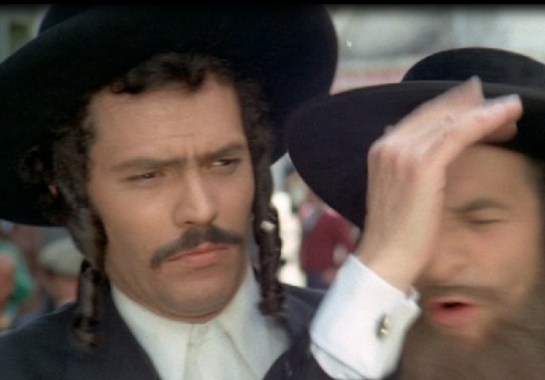
Petit rappel ? CLAUDE GIRAUD c’est le fameux MOHAMED LARBI SLIMANE dans le film RABBI jacob
CLAUDE GIRAUD & LOUIS DE FUNES
Claude Giraud est un acteur français né le 5 février 1936 à Chamalières.
Très actif dans le milieu du doublage, il a été entre autres la voix française régulière des acteurs Robert Redford, Tommy Lee Jones et Alan Rickman. Il est aussi la voix d’Ulysse dans la série d’animation Ulysse 31 diffusée en 1981.
Enfance, formation et débuts
Fils d’un gynécologue, Claude Giraud grandit à Clermont Ferrand où son oncle possède plusieurs salles de cinéma.
C’est par Pierre Fresnay qu’il rencontre Henri Rollan4. Il est admis au Conservatoire national supérieur d’art dramatique à Paris. À sa sortie en 1962, il est engagé à la Comédie-Française, dont il devient le 460e sociétaire en 1976.
Carrière
Claude Giraud quitte la Comédie-Française fin 1982 pour participer à la création de la compagnie de Jean-Laurent Cochet au théâtre Hébertot où, à l’instar de sa « maison » précédente, plusieurs spectacles seront donnés en alternance.
Il a joué de nombreux rôles à la télévision dont Roger Mortimer dans la série Les Rois maudits (1972), le principal protagoniste des Compagnons de Jéhu (1966) et le père de Sébastien dans Sébastien parmi les hommes (1968), aux côtés de Mehdi El Glaoui. Toujours à la télévision, il est Cinna (1962) devant la caméra de Jean Kerchbron, Mehdi Ben Barka dans La guerre du pétrole n’aura pas lieu (1974) de Souheil Ben Barka et donne la réplique à Claude Jade dans Mamie Rose (1975) de Pierre Goutas .
Au cinéma, il est Philippe de Plessis-Bellière dans la série des Angélique (1964-1966), Hippolyte dans Phèdre (1968) de Pierre Jourdan et Slimane dans Les Aventures de Rabbi Jacob (1973) de Gérard Oury.
Cependant, c’est surtout en tant que comédien de doublage que Claude Giraud s’est imposé depuis les années 1970, prêtant principalement sa voix à Robert Redford (Nos plus belles années, Les Hommes du président, Un pont trop loin, Out of Africa, L’Homme qui murmurait à l’oreille des chevaux), Tommy Lee Jones (Le Fugitif), Harrison Ford (Les Aventuriers de l’arche perdue), Sean Connery (dans Le Nom de la rose), Alan Rickman (Harry Potter, Sweeney Todd et Michael Collins) et Liam Neeson (La Liste de Schindler et Batman Begins). Il est également la voix française d’Ulysse dans la série animée Ulysse 31 (1981).
Il double Robert Redford dans la bande-annonce du film Sous surveillance en 2012 mais, ayant pris sa retraite avant la sortie en salles, C Giraud, est remplacé pour le doublage du film par Patrick Béthune. On peut néanmoins entendre sa voix en 2014 dans Les Luminessences d’Avignon, un spectacle en 3D dans la cour d’honneur du Palais des papes.
This slideshow requires JavaScript.
Vie privée
Marié avec la comédienne Catherine Demanet, Claude Giraud a deux enfants : Louis (1964) et Marianne (1966), épouse du comédien et metteur en scène Jean Martinez.
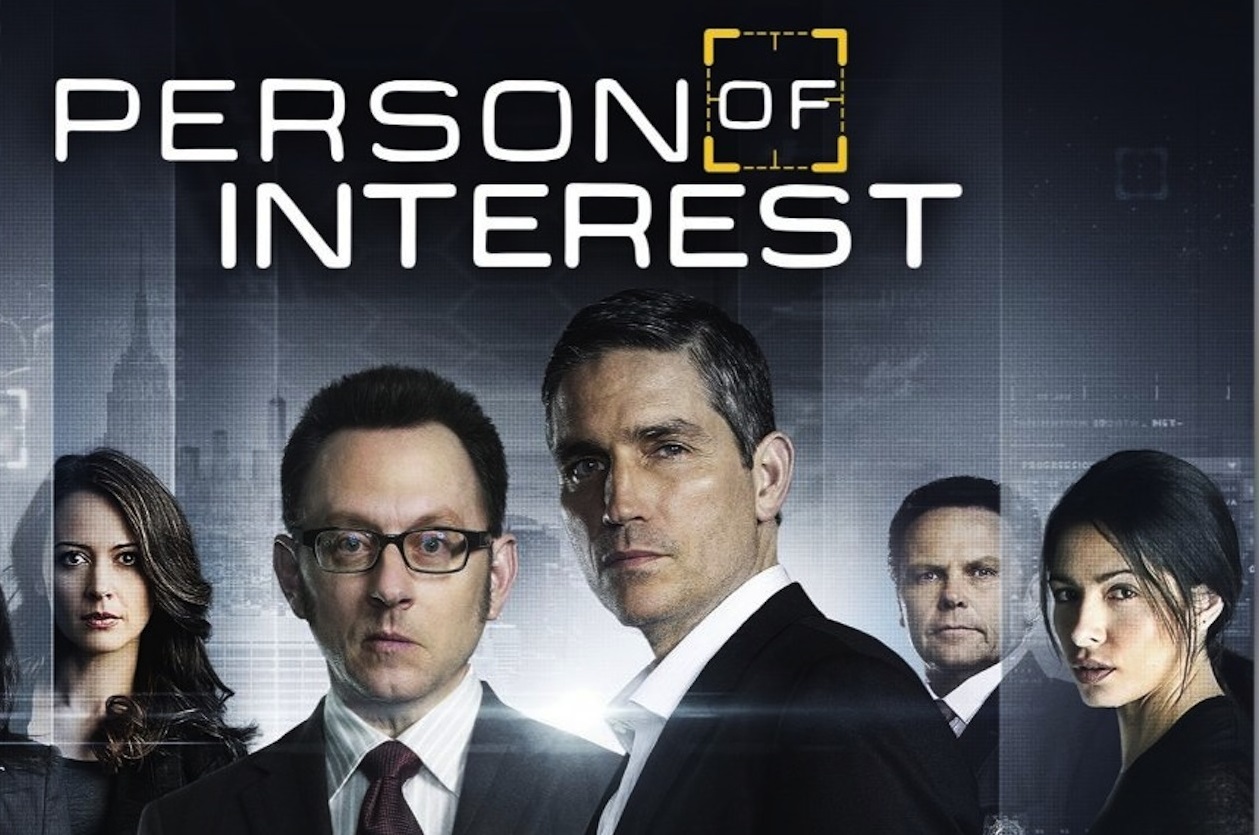
Person of Interest ou Personne d’intérêt au Québec est une série télévisée américaine créée par Jonathan Nolan et produite par J. J. Abrams.
PERSON OF INTEREST est diffusée en simultané depuis le 22 septembre 2011 sur CBS aux États-Unis et sur Citytv pour les deux premières saisons, puis sur le réseau CTV au Canada.
En Belgique, la série est diffusée depuis le 28 août 2012 sur La Une, chaîne du groupe de la RTBF, au Québec, depuis le 5 septembre 2012 sur le réseau V, en France, depuis le 6 mars 2013 sur TF1 et en Suisse, depuis le 30 juin 2013 sur RTS Un.
La série est aussi rediffusée dans le cadre d’une syndication sur la chaîne du câble américaine WGN America et également sur Netflix États-Unis, depuis l’automne 2015.
Person of Interest est souvent citée comme étant une des meilleures séries diffusées sur une grande chaîne américaine.
Les critiques soulignent entre autres la capacité que la série a à s’améliorer saison après saison, ses personnages très travaillés ou encore son ambiance réaliste d’une Amérique post-11 septembre.
Si la série est parfois désignée comme étant « la meilleure série de science-fiction actuellement diffusée », Person of Interest s’inscrit dans une thématique bien réelle, notamment depuis les révélations d’Edward Snowden sur la surveillance globale mise en place par les États-Unis, et soulève de nombreuses questions quant au respect de la vie privée. Elle a été nommée pour un Primetime Emmy Awards en 201211, 2012, 2013,2014.
John Reese, un ex-agent paramilitaire de la CIA présumé mort, est engagé par le mystérieux milliardaire Harold Finch. Dans le passé, ce dernier a conçu un système de surveillance de masse pour le gouvernement voulant éviter un nouveau 11 septembre. Le système est capable de prédire les actes terroristes dans le monde, en s’appuyant sur de nombreuses données comme les enregistrements des caméras de surveillance et des appels téléphoniques, ou les antécédents judiciaires.
Cependant, la Machine repère aussi les crimes entre citoyens ordinaires considérés comme mineurs par le gouvernement. Les autorités ayant décidé de ne pas tenir compte de ces données, Finch s’est laissé une porte de sortie et reçoit chaque jour les numéros de sécurité sociale des personnes impliquées à New York ou dans ses environs. C’est avec l’aide de Reese qu’il va tenter de retrouver ces « Persons of Interest » (trad. litt. : « Personnes d’intérêt ») et de découvrir si elles ont le rôle de victime ou de coupable dans l’affaire concernée.
Traqués par le lieutenant de police Jocelyn « Joss » Carter, ils sont aidés par un autre lieutenant, anciennement véreux, Lionel Fusco, qui leur fournit des informations et garde un œil sur sa collègue policière. Mais l’arrivée dans New York de deux justiciers va également contrarier plusieurs organisations criminelles.
Acteurs principaux
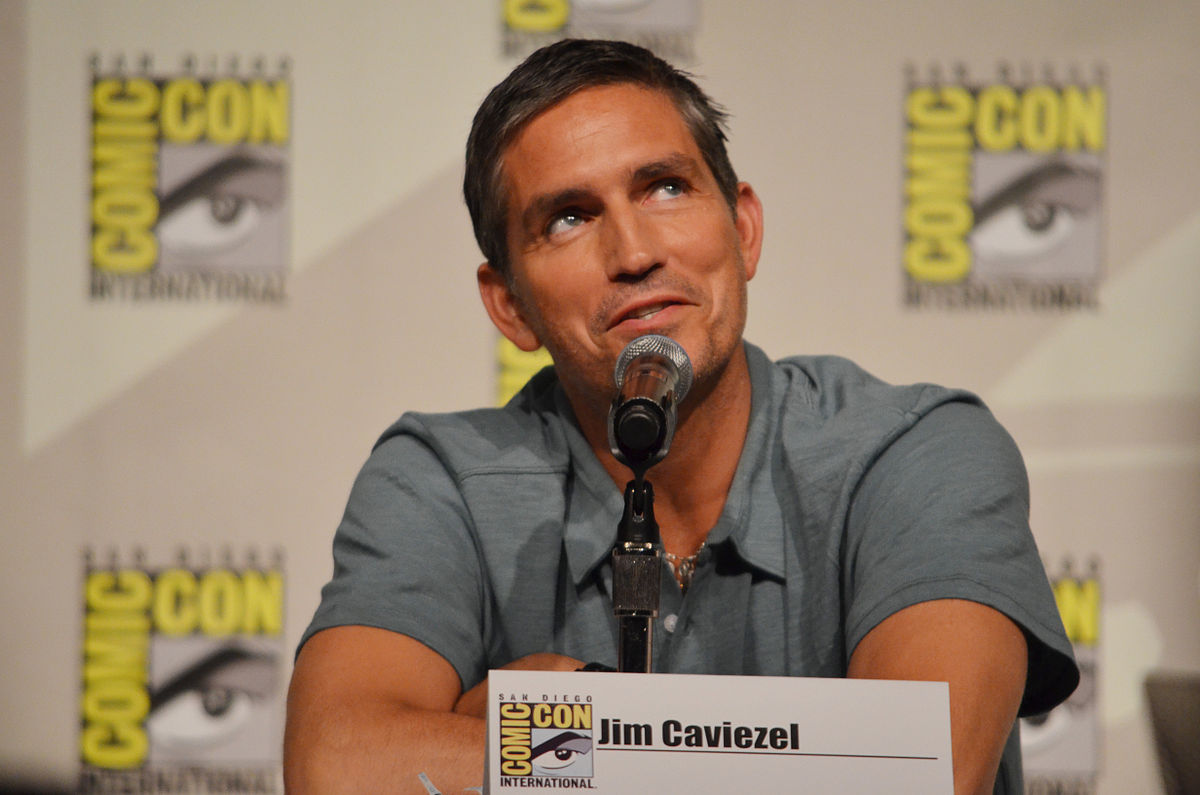
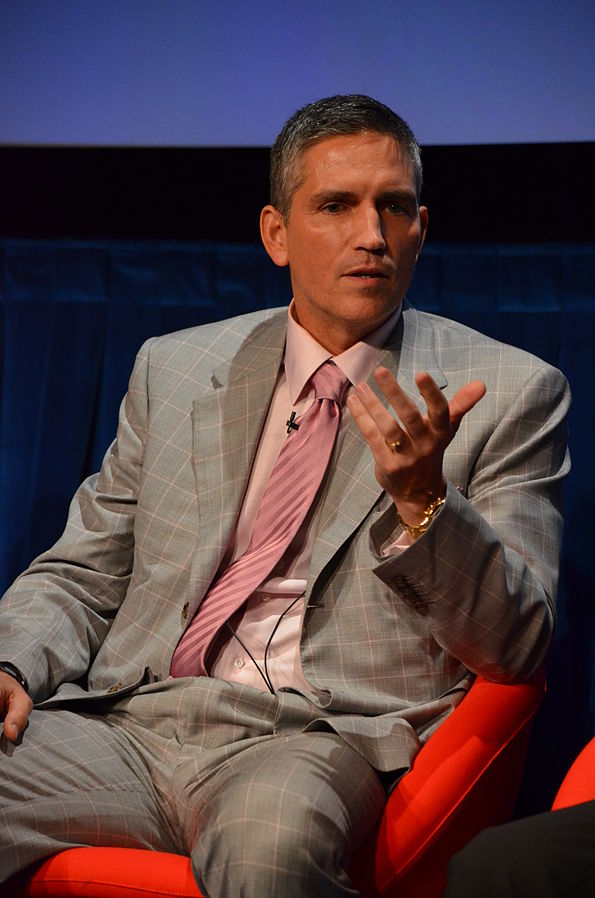
Jim Caviezel: John Reese
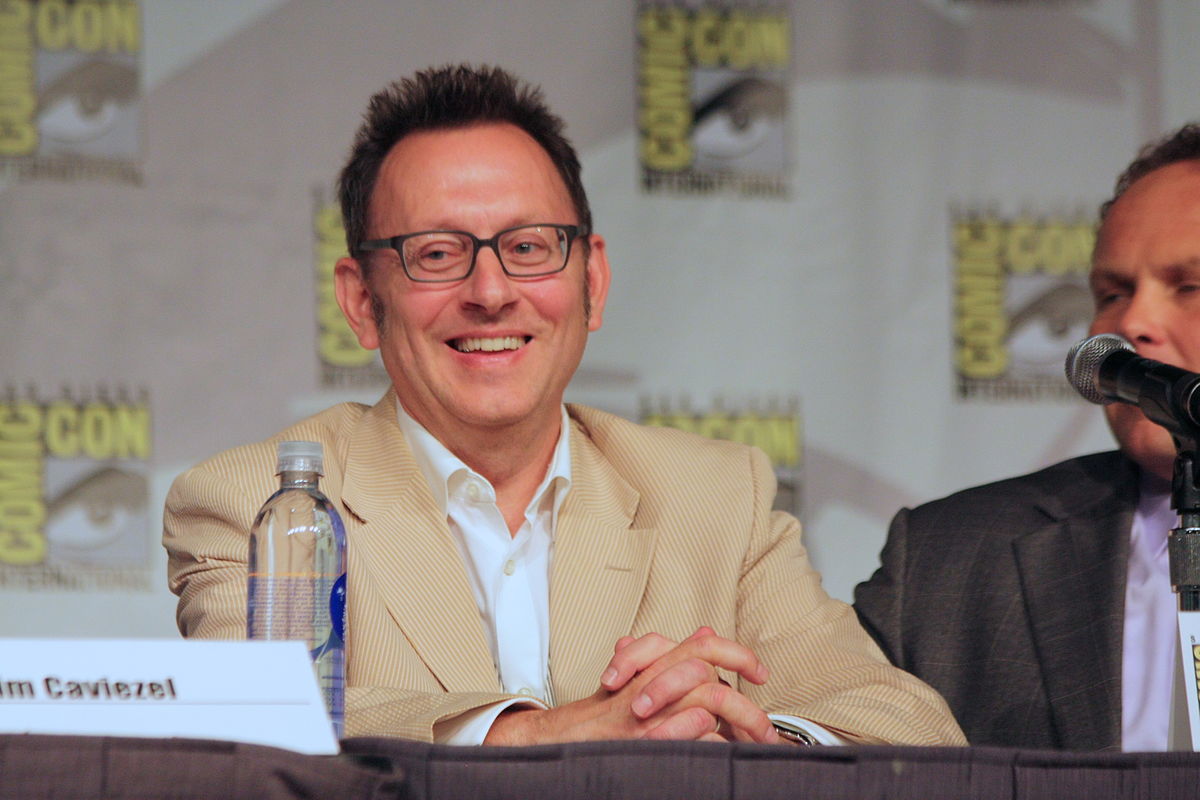
Michael Emerson: Harold Finch
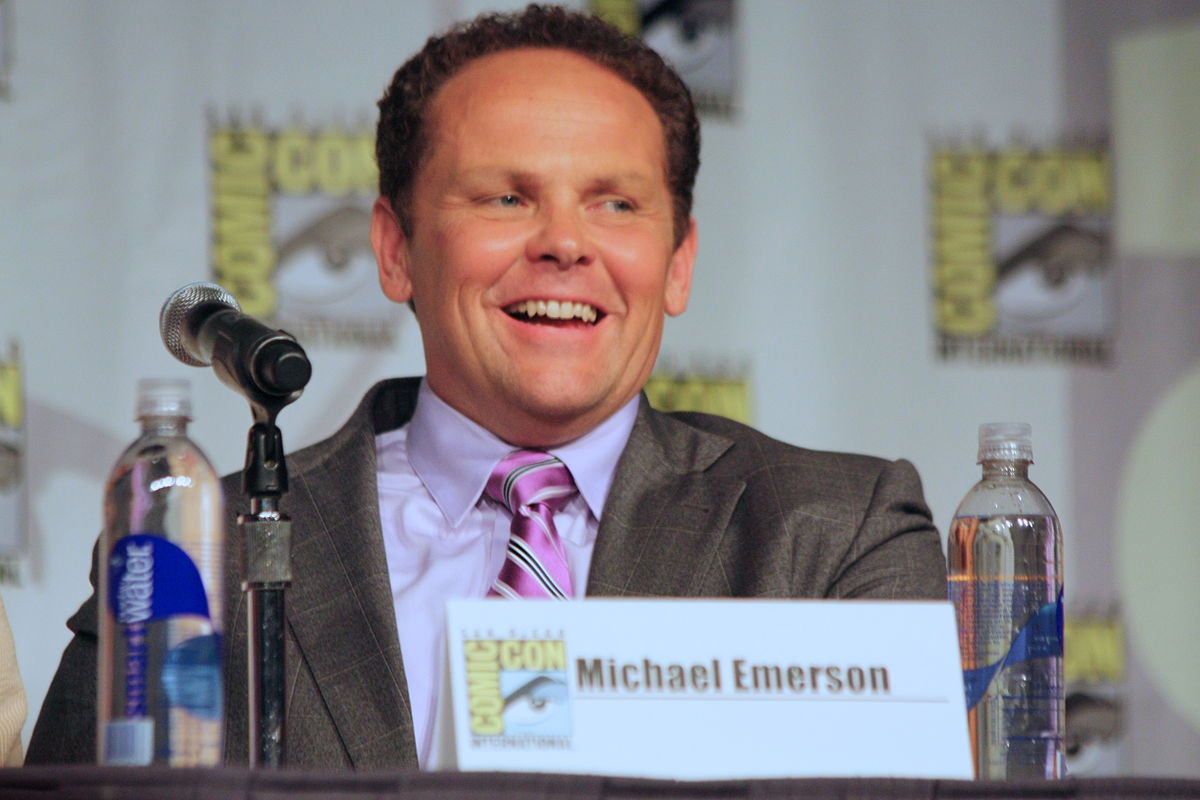
Kevin Chapman: le lieutenant Lionel Fusco
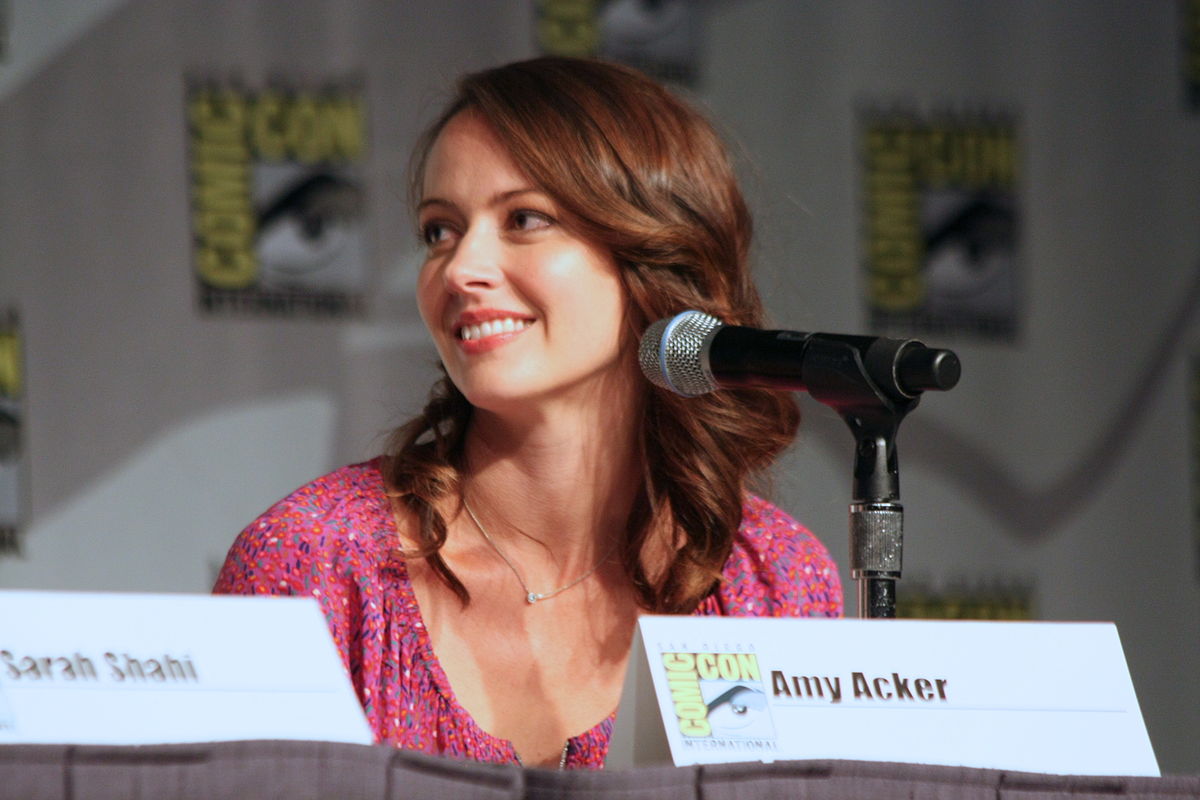
Amy Acker: Samantha « Sam » Groves alias « Root » (invitée saison 1, récurrente saison 2, principale à partir de la saison 3)
Sarah Shahi : Sameen Shaw (récurrente saison 2 , principale à partir de la saison 3)
Person of Interest is an American science fiction crime drama television series created by Jonathan Nolan that premiered on September 22, 2011, on CBS.
It is produced by Nolan, alongside J.J. Abrams, Bryan Burk, and Greg Plageman. It stars Jim Caviezel as John Reese, a former CIA agent who is presumed dead.
He is approached by a mysterious billionaire named Harold Finch (Michael Emerson) who is trying to prevent violent crimes before they happen by using an advanced surveillance system dubbed “The Machine”, which turns out to have evolved into a sentient AI.
Their unique brand of vigilante justice attracts the attention of two NYPD officers, Jocelyn “Joss” Carter (Taraji P. Henson) and Lionel Fusco (Kevin Chapman), whom Reese uses to his advantage as he investigates persons of interest.
Reese and Finch are later aided by Samantha “Root” Groves (Amy Acker), a highly intelligent computer hacker and contract killer whom the Machine later identifies as its “analog interface”, and Sameen Shaw (Sarah Shahi), a former ISA assassin who unknowingly dealt with the “relevant” numbers found by the Machine.
From season 3, the series sees the advent of a new rival AI called “Samaritan”, which is brought into existence by Decima Technologies. Much of season 4 is centered on the struggle between the two competing AIs and their human agents.
The series was renewed for a fifth season to debut mid-season during the 2015–16 television season.
The fifth season, which consists of 13 episodes, is expected to premiere in spring 2016.
CBS has yet to announce whether it is the final season or not, although the writers have written it as a final season.
The series has received generally positive reception from critics, including an increase in acclaim when the series introduced more serialized storylines and its exploration of artificial intelligence.
John Reese, a former Green Beret/Delta Force operator and CIA operative, is burnt out and living as a vagrant in New York City after the death of the woman he loved; he is presumed dead.
He is approached by Harold Finch, a reclusive billionaire software genius who is living under an assumed identity.
Finch explains that, after September 11, 2001, he built a computer system for the government that uses information gleaned from omnipresent surveillance to predict future terrorist attacks.
However, Finch discovered that the computer was predicting ordinary crimes as well.
The government is not interested in these results, but Finch is determined to stop the predicted crimes.
He hires Reese to conduct surveillance and intervene as needed, using the repertoire of skills he gained in the military and the CIA.
Through a back door built into the system, Finch receives the Social Security number of someone who will be involved in an imminent crime, at which point he contacts Reese. Without knowing what the crime will be, when it will occur, or even if the person they were alerted to is a victim or perpetrator, Reese and Finch must try to stop the crime from occurring.
They are helped by NYPD Detectives Lionel Fusco, a corrupt officer whom Reese coerces into helping them, and Joss Carter, who in early episodes investigates Reese for his vigilante activities.
Michael Emerson aka Harold FINCH
Although Reese arranges for Carter and Fusco to be partners in the NYPD early in the series, for the entirety of season one neither is aware that the other is also working with Finch and Reese. Periodically, the team enlists the aid of Zoe Morgan, a professional “fixer” who applies her skills to particularly difficult tasks.
The series features several subplots. One significant story arc involves “HR”, an organization of corrupt NYPD officers who are initially in league with budding mob boss Carl Elias and later with the Russian mafia; in earlier parts of this arc, Fusco is forced to go undercover. Another important story line revolves around Root, a psychopathic hacker who is determined to gain access to The Machine. During season two, another organization of powerful business figures, Decima Technologies, is revealed to be attempting to gain access to the Machine.
AMY ACKER
Carter vows vengeance against HR after they have her boyfriend, Detective Cal Beecher, murdered. Reese and Finch encounter Sameen Shaw, an ISA assassin, on the run after being betrayed by her employers. Shaw learns about The Machine in the season two finale and subsequently becomes a member of Reese and Finch’s team. In Season three, Carter delves deeper into her investigation of HR, eventually uncovering its leader; but she is killed. In his grief, Reese briefly leaves the team. The team also battles Vigilance, a violent anti-government organization devoted to securing people’s privacy.
During the second half of season 3, Decima Technologies starts to acquire hardware to bring to life a new artificial intelligence called Samaritan, using the codes from Harold’s old college classmate, Arthur Claypool. In the season 3 finale, it is revealed that Vigilance was created by Decima to make them appear as domestic terrorists. This allowed Decima to obtain all the NSA feeds to make Samaritan operational.
KEVIN CHAPMAN
The Machine creates new identities for the Team so that they can fly beneath Samaritan’s radar.
The Machine
The Machine is an artificially intelligent mass surveillance system that is able to accurately predict premeditated violent crime by monitoring and analyzing all surveillance cameras and electronic communications worldwide.
It divides those crimes based on whether they are relevant to national security; those relevant cases are handled by the U.S. government, while the non-relevant cases in New York City are the focus of the show.
Built by Harold Finch following the events of 9/11, it was originally housed in two unoccupied floors of IFT, the company run by Harold and Nathan Ingram (his best friend from college).
When Finch discovered that the Machine was tracking all premeditated crimes (Episode 2, “Ghosts”), he programmed it to delete the personal, non-relevant cases every night at midnight, explaining to Ingram that the Machine is not built “to save somebody, we built it to save everybody.”
When delivered to the government, the finished Machine was installed in a fake nuclear reactor in Washington State.
SARAH SHAHI
During season two, it moved itself, piece by piece, to an unknown location or locations, and by the end of season four it is shown to have distributed itself to control boxes on utility poles.
An intense believer in privacy rights, Finch originally programmed the Machine so that it would be a complete black box, able to provide only the Social Security Number of people involved with the crime.
While this meant that the government was not able to use it without regard for privacy, it means that numbers Finch and his associates received could belong to a victim or a perpetrator.
Originally unknown to Finch, however, Nathan Ingram created a routine called “Contingency”, on the eve of the government handover, to access the non-relevant data (shown accessed in the Season 2 episode “Zero Day”). Finch is appalled that Ingram has the data sent directly to him and shuts down the routine, before reactivating it after Ingram’s death. To minimize detectability, The Machine feeds him numbers in coded messages through public telephones.
TARAJI HENSON AKA Lt Joss CARTER Season 1 to 3
Within the ISA, the program responsible for The Machine was known as Northern Lights before—after being leaked to the public, Northern Lights was shut down.
The private technology firm Decima Technologies steals some of the Machine’s original code and builds Samaritan, in season three, and replaces Northern Lights in supplying information to the government. Samaritan takes a much more active role in shaping society, and The Machine and its human associates go underground, spending season four under cover.
Much of the series is from the point of view of The Machine, with flashbacks framed as The Machine reviews past tapes in real time.
Over the course of the series, the internal workings of The Machine are shown, including the prediction models and probability trees it uses. In the Machine-generated perspective, individuals are marked by dashed boxes with different colors indicating, for example, what the person’s status is in relation to The Machine and whether they pose a threat. Season four features Samaritan’s point of view, using a different UI—though some episodes jump back and forth between the two UIs.
The Machine in its current iteration started running on January 1, 2002, following 42 failed attempts. During the season 4 episode “Prophets”, a previous generation of The Machine’s source code was shown on screen, which was that of the Stuxnet worm. It generated the first relevant number on February 8, 2005, following three years of training by Finch.